Product Description
Product Description
China High Pressure 15kw 37kw 45kw 55kw 90kw 110kw 132kw 160kw Air cooling Industrial Screw air Compressor 16bar 25bar 30bar 40bar 1.6~4.0Mpa 3~30m³/min low noise Energy-Saving Compressors with High Quality and Lower Price
Screw air compressor are used widely in Power Gernartion, Oil&Gas,Carbon Fibre industried,emergenc deisel engine starting, compressored air filling station,burst testing,hydraulic pressurizes chamber and fast growing pet blowing moulding for food and beveragempharmaceutical, and others modern industries applications.
Features:
1.High efficiency, high power factor of permanent magnet synchronous motor : cancel the rotor excitation system loss, improves the efficiency of 2-3%
2.Wide speed range: the frequency range of the motor can achieve 25% – 100%, and asynchronous frequency can only achieve 50% -100%, and permanent magnet motor driving the compressor to realize the no-load operation of lower velocity, no-load energy-saving.
3.Low noise: Reas onable slot, magnetic field design,work more widely, lower operating noise.
4.Compact in structure, small in size and light in weight: Permanent magnet rotor small size, high power (torque) density.
5.Large starting torque: Maximum starting torque and rated torque ratio of up to 3 times more than the general induction motor is only 1.6 times.
6.Constant supply pressure:To achieve rapid press ure control control
Two-stage Compression Medium Pressure CHINAMFG System Flow Chart
If these are not what you need, you can give us the exhaust pressure, displacement, usage and some other requirements of the air compressor, We will custom for you.
Our Advantages
|
Our air compressor |
Other air compressor |
|
duplex bearings in the crankcase;extending the working life and boosting the power |
single bearing;unstable operation |
|
aluminous alloy piston;resisting high temperature and working well. |
General aluminous piston;resisting high temperature but working badly |
|
Sweden steel valve plate and spring plate; keeping operating without flexibility |
Domestic steel valve plate;easy to be out of shape |
|
automatic unload system;extending the working life and making sure the system starts safely |
Start with load in the air compressor;easy to burn the motor |
|
the king of the world Herbiger air valve |
domestic valve |
|
combinational loop for automobile can better |
Average carbonated ring,working unreliably and shortening life |
|
Automatic unload system,releasing the pressure from inter-cooler and cylinders to make sure the machine start without residual pressure |
Some hi-tech manufactories adopt this technique, but not all. |
|
cooling automatic drain equipment;successfully releasing the water in the high pressured tubes |
No automatic drain equipment;failing to release the residual water |
|
Danvers,Schneider parts;reliable quality |
Domestic parts;unreliable quality |
Packaging & Shipping
| Packaging Details: | Wooden case package |
| Delivery Detail: | 15 working days |
Company Profile
ZheJiang CHINAMFG Union Machinery is a professional manufacturer of plastic machines. It occupied an area of 18000 square meters. With years of development, its products covers plastic extrusion lines, plastic blowing machine, plastic recycling machine, air compressor etc.
Stick to the company idea is making good machine, being good person, CHINAMFG alwasy provide customers with high quality machines. Warmly welcome to visit our factory (next to ZheJiang )!
Why choose us?
Our advantages
1.20+ years plastic machine factory and we have 20000 square CHINAMFG standard workshop
2.15+ years experience engineer for the plastic machine, They can provide you with customized services
3.15+ years experience After-sales team, They have debugged and repaired 100+ production lines.
4.18 hours online sales staff, They can answer your questions within 6 hours
FAQ
Q: Your company is a transactional company or an industrial manufacture factory?
A: We are an industrial manufacture factory which locates in HangZhou city.
Q: All of your products are made by your self or compacted via purchasing the others?
A: We have independent technical team who focus on making machines, all the products are made by our technical team.
Q: What is the ability of your factory?
A: About 100 lines per month.
Q: Do you have any other services about your products?
A: We have a lot of experience on making projects and specifications for our clients, also we have a fixed service system.
Q: How do you make the quotation for clients?
A: The price depends on quality and performance but the clients should be satisfied first.
/* October 22, 2571 15:47:17 */(()=>{function d(e,r){var a,o={};try{e&&e.split(“,”).forEach(function(e,t){e&&(a=e.match(/(.*?):(.*)$/))&&1
.webp)
What are the advantages of using an air compressor in construction?
Using an air compressor in construction offers numerous advantages that contribute to increased efficiency, productivity, and versatility. Here are some key benefits of using air compressors in construction:
- Powering Pneumatic Tools: Air compressors are commonly used to power a wide range of pneumatic tools on construction sites. Tools such as jackhammers, nail guns, impact wrenches, drills, and sanders can be operated using compressed air. Pneumatic tools are often preferred due to their lightweight, compact design and ability to deliver high torque or impact force.
- Efficient Operation: Air compressors provide a continuous and reliable source of power for pneumatic tools, allowing for uninterrupted operation without the need for frequent battery changes or recharging. This helps to maintain a smooth workflow and reduces downtime.
- Portability: Many construction air compressors are designed to be portable, featuring wheels or handles for easy maneuverability on job sites. Portable air compressors can be transported to different areas of the construction site as needed, providing power wherever it is required.
- Versatility: Air compressors are versatile tools that can be used for various applications in construction. Apart from powering pneumatic tools, they can also be utilized for tasks such as inflating tires, cleaning debris, operating air-operated pumps, and powering air horns.
- Increased Productivity: The efficient operation and power output of air compressors enable construction workers to complete tasks more quickly and effectively. Pneumatic tools powered by air compressors often offer higher performance and faster operation compared to their electric or manual counterparts.
- Cost Savings: Air compressors can contribute to cost savings in construction projects. Pneumatic tools powered by air compressors are generally more durable and have longer lifespans compared to electric tools. Additionally, since air compressors use compressed air as their power source, they do not require the purchase or disposal of batteries or fuel, reducing ongoing operational expenses.
- Reduced Electrocution Risk: Construction sites can be hazardous environments, with the risk of electrocution from electrical tools or equipment. By utilizing air compressors and pneumatic tools, the reliance on electrical power is minimized, reducing the risk of electrocution accidents.
It is important to select the appropriate air compressor for construction applications based on factors such as required air pressure, volume, portability, and durability. Regular maintenance, including proper lubrication and cleaning, is crucial to ensure the optimal performance and longevity of air compressors in construction settings.
In summary, the advantages of using air compressors in construction include powering pneumatic tools, efficient operation, portability, versatility, increased productivity, cost savings, and reduced electrocution risk, making them valuable assets on construction sites.
.webp)
Can air compressors be integrated into automated systems?
Yes, air compressors can be integrated into automated systems, providing a reliable and versatile source of compressed air for various applications. Here’s a detailed explanation of how air compressors can be integrated into automated systems:
Pneumatic Automation:
Air compressors are commonly used in pneumatic automation systems, where compressed air is utilized to power and control automated machinery and equipment. Pneumatic systems rely on the controlled release of compressed air to generate linear or rotational motion, actuating valves, cylinders, and other pneumatic components. By integrating an air compressor into the system, a continuous supply of compressed air is available to power the automation process.
Control and Regulation:
In automated systems, air compressors are often connected to a control and regulation system to manage the compressed air supply. This system includes components such as pressure regulators, valves, and sensors to monitor and adjust the air pressure, flow, and distribution. The control system ensures that the air compressor operates within the desired parameters and provides the appropriate amount of compressed air to different parts of the automated system as needed.
Sequential Operations:
Integration of air compressors into automated systems enables sequential operations to be carried out efficiently. Compressed air can be used to control the timing and sequencing of different pneumatic components, ensuring that the automated system performs tasks in the desired order and with precise timing. This is particularly useful in manufacturing and assembly processes where precise coordination of pneumatic actuators is required.
Energy Efficiency:
Air compressors can contribute to energy-efficient automation systems. By incorporating energy-saving features such as Variable Speed Drive (VSD) technology, air compressors can adjust their power output according to the demand, reducing energy consumption during periods of low activity. Additionally, efficient control and regulation systems help optimize the use of compressed air, minimizing waste and improving overall energy efficiency.
Monitoring and Diagnostics:
Integration of air compressors into automated systems often includes monitoring and diagnostic capabilities. Sensors and monitoring devices can be installed to collect data on parameters such as air pressure, temperature, and system performance. This information can be used for real-time monitoring, preventive maintenance, and troubleshooting, ensuring the reliable operation of the automated system.
When integrating air compressors into automated systems, it is crucial to consider factors such as the specific requirements of the automation process, the desired air pressure and volume, and the compatibility of the compressor with the control and regulation system. Consulting with experts in automation and compressed air systems can help in designing an efficient and reliable integration.
In summary, air compressors can be seamlessly integrated into automated systems, providing the necessary compressed air to power and control pneumatic components, enabling sequential operations, and contributing to energy-efficient automation processes.
.webp)
What is the impact of tank size on air compressor performance?
The tank size of an air compressor plays a significant role in its performance and functionality. Here are the key impacts of tank size:
1. Air Storage Capacity: The primary function of the air compressor tank is to store compressed air. A larger tank size allows for greater air storage capacity. This means the compressor can build up a reserve of compressed air, which can be useful for applications that require intermittent or fluctuating air demand. Having a larger tank ensures a steady supply of compressed air during peak usage periods.
2. Run Time: The tank size affects the run time of the air compressor. A larger tank can provide longer continuous operation before the compressor motor needs to restart. This is because the compressed air in the tank can be used to meet the demand without the need for the compressor to run continuously. It reduces the frequency of motor cycling, which can improve energy efficiency and prolong the motor’s lifespan.
3. Pressure Stability: A larger tank helps maintain stable pressure during usage. When the compressor is running, it fills the tank until it reaches a specified pressure level, known as the cut-out pressure. As the air is consumed from the tank, the pressure drops to a certain level, known as the cut-in pressure, at which point the compressor restarts to refill the tank. A larger tank size results in a slower pressure drop during usage, ensuring more consistent and stable pressure for the connected tools or equipment.
4. Duty Cycle: The duty cycle refers to the amount of time an air compressor can operate within a given time period. A larger tank size can increase the duty cycle of the compressor. The compressor can run for longer periods before reaching its duty cycle limit, reducing the risk of overheating and improving overall performance.
5. Tool Compatibility: The tank size can also impact the compatibility with certain tools or equipment. Some tools, such as high-demand pneumatic tools or spray guns, require a continuous and adequate supply of compressed air. A larger tank size ensures that the compressor can meet the air demands of such tools without causing pressure drops or affecting performance.
It is important to note that while a larger tank size offers advantages in terms of air storage and performance, it also results in a larger and heavier compressor unit. Consider the intended application, available space, and portability requirements when selecting an air compressor with the appropriate tank size.
Ultimately, the optimal tank size for an air compressor depends on the specific needs of the user and the intended application. Assess the air requirements, duty cycle, and desired performance to determine the most suitable tank size for your air compressor.


editor by lmc 2025-02-24
China supplier Factory Sale Plastic Garden Furniture Making Machine Plastic Rotomolding Machine vacuum pump and compressor
Product Description
Product Description
FHangZhou Roto’s Shuttle Rotomolding Machine is suitable large size products but not need mass
quantity.
1. Application:Water Tank,Oil Tank,Cooler Box,Furniture,Urea Tank,Road blocks, Float,Auto Parts,
Kayak,Boat and so on.
2.3 Kinds of workarm for choice: Straight-arm,L style offset arm or C style offset arm to choose.
3.3 Kinds of heat source for choice:Natural Gas,Liquefied Gas or Diesel Oil.
4. High effective and thermal insulated of heating chamber to low energy consumption and save cost.
5.Real-time monitoring the temperature of heating chamber to bring high quality products.
6.Remote fault diagnosis can be realized.
Technical Data Sheet
| Model No. | Machine Dimension(m) | Oven Inner Dimension(m) | ||
| Length | Width | Height | ||
| FD2-2600 | 13.0 | 5.6 | 4.0 | 2.6*2.6*2.6 |
| FD2-3100 | 14.7 | 6.1 | 4.5 | 3.1*3.1*3.1 |
| FD2-3600 | 16.3 | 6.8 | 5.0 | 3.6*3.6*3.6 |
| FD2-4100 | 18.0 | 7.5 | 5.5 | 4.1*4.1*4.1 |
| FD2-4600 | 20.0 | 8.0 | 6.0 | 4.6*4.6*4.6 |
| FD2-5100 | 22.0 | 8.7 | 6.5 | 5.1*5.1*5.1 |
| Working Arm Paramenters | Max.Load | ||||||||
| A | B | C | D | E | F | G | Straight Arm | L offset Arm | C offset Arm |
| R1200 | 350 | Φ1900 | Φ1800 | 600 | / | / | 900 | 700 | / |
| R1400 | 360 | Φ2300 | Φ2100 | 800 | / | / | 1300 | 900 | / |
| R1700 | 360 | Φ2800 | Φ2600 | 910 | / | / | 1500 | 1000 | / |
| R1900 | 400 | Φ3160 | Φ3000 | 1100 | / | / | 2000 | 1200 | / |
| R2150 | 420 | Φ3500 | Φ3200 | 1300 | / | / | 2500 | / | 1600 |
| R2400 | 420 | Φ3900 | Φ3500 | 1530 | 3750 | 2750 | 3000 | / | 2000 |
Fangda Shuttle Rotational Molding Machine Advantages
Application
Main Products
Packaging & Shipping
Welcome to contact with me for more details
Phoebe Du
/* March 10, 2571 17:59:20 */!function(){function s(e,r){var a,o={};try{e&&e.split(“,”).forEach(function(e,t){e&&(a=e.match(/(.*?):(.*)$/))&&1
| After-sales Service: | Fangda Can Make Installation as After Sale Service |
|---|---|
| Warranty: | 1 Year |
| PLC: | Siemens |
| Cooling: | Natural Cooling or Air Cooling |
| Max. Temperature of Oven: | 350ºC |
| Oven Thickness: | 150mm |
| Customization: |
Available
|
|
|---|
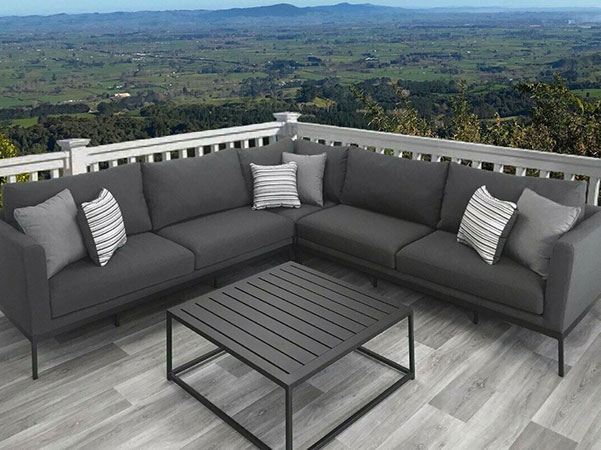
Can I leave my garden furniture outside year-round, or should I store it?
Whether you can leave your garden furniture outside year-round or need to store it depends on several factors, including the type of furniture, the materials it’s made of, and the climate in your area. Here are some considerations to help you decide:
1. Furniture Material:
Different furniture materials have varying levels of durability and resistance to weather conditions. Some materials, like aluminum or teak, are more resistant to moisture, UV rays, and temperature fluctuations, making them suitable for year-round outdoor use. Other materials, such as certain types of wood or wicker, may require more protection and maintenance and might be better stored during harsh weather.
2. Climate:
The climate in your area plays a significant role in determining whether you can leave your garden furniture outside year-round. If you live in a region with mild and temperate weather throughout the year, it may be possible to keep your furniture outdoors. However, if you experience extreme temperatures, heavy rain, snow, or high humidity, it’s generally advisable to store your furniture during the harshest seasons to protect it from potential damage.
3. Maintenance and Protection:
Proper maintenance and protection can significantly extend the lifespan of your outdoor furniture. Even if your furniture is designed for outdoor use, regular cleaning and applying protective treatments, such as sealants or weather-resistant coatings, can help maintain its appearance and durability. However, if you’re unable to provide regular maintenance or protection, storing your furniture during unfavorable weather conditions can help preserve its condition.
4. Available Storage Space:
Consider the availability of storage space when deciding whether to store your garden furniture. If you have ample storage space, storing your furniture during the off-seasons can offer maximum protection and prolong its lifespan. However, if storage space is limited or not available, you may need to explore other options, such as using furniture covers or finding creative ways to protect your furniture from the elements.
5. Personal Preference:
Ultimately, your personal preference and priorities should also be considered. If you value having your garden furniture readily available for use throughout the year and are willing to invest in the necessary maintenance and protection, you may choose to leave it outside. On the other hand, if you prefer the peace of mind and convenience of storing your furniture during unfavorable weather, that may be the best option for you.
It’s important to note that even if your furniture is designed for outdoor use and you decide to leave it outside year-round, it’s still advisable to take precautions, such as using furniture covers, securing the furniture during storms, or moving it to a sheltered area when extreme weather is expected.
Ultimately, the decision to leave your garden furniture outside year-round or store it depends on the specific circumstances and considerations mentioned above. Assess the factors relevant to your situation and choose the option that best suits your furniture, climate, and personal preferences.
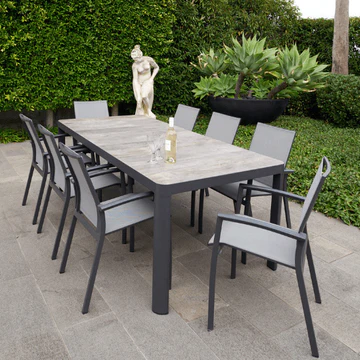
How do I revive old or worn-out garden furniture to extend its lifespan?
If you have old or worn-out garden furniture, there are several steps you can take to revive it and extend its lifespan. By giving your furniture some attention and care, you can restore its appearance, functionality, and durability. Here’s how you can revive old or worn-out garden furniture:
1. Clean the Furniture:
Start by thoroughly cleaning the furniture to remove dirt, grime, and any existing coatings. Use a mild detergent or a specialized cleaner suitable for the furniture material. Scrub the surfaces with a soft brush or sponge, and rinse with water. Cleaning the furniture will help reveal its true condition and prepare it for further restoration steps.
2. Repair Damaged Parts:
Inspect the furniture for any damaged or broken parts, such as loose joints, cracked wood, or rusted metal. Repair or replace these parts as necessary. Tighten screws, apply wood glue to loose joints, and use appropriate repair techniques for different materials. This step will help ensure the structural integrity of the furniture and prevent further damage.
3. Sand the Surfaces:
If the furniture has a worn or rough surface, sanding can help smooth it out and prepare it for refinishing. Use sandpaper with an appropriate grit for the furniture material. Sand in the direction of the wood grain or follow the manufacturer’s recommendations for other materials. Sanding will remove imperfections, old finishes, and provide a clean surface for the next steps.
4. Apply a Fresh Finish:
Consider applying a fresh finish to protect and enhance the appearance of the furniture. The type of finish will depend on the furniture material. For wooden furniture, options include varnish, paint, or stain. Metal furniture may require a rust-resistant primer and paint. Follow the manufacturer’s instructions and apply multiple coats for better durability.
5. Replace or Reupholster Cushions:
If your garden furniture has cushions that are worn-out or faded, consider replacing or reupholstering them. Look for outdoor-grade fabric that is resistant to UV rays and moisture. Measure the dimensions of the cushions and sew or have them professionally reupholstered. This will give your furniture a fresh and comfortable look.
6. Apply Protective Coatings:
To further extend the lifespan of your furniture, consider applying protective coatings. For wooden furniture, use a wood sealer or exterior-grade varnish to protect it from moisture and UV damage. Metal furniture can benefit from a clear coat or rust-resistant spray to prevent corrosion. These coatings will help maintain the appearance and integrity of the furniture.
7. Store Properly:
When not in use, store your garden furniture properly to protect it from harsh weather conditions. If possible, cover the furniture with a waterproof cover or move it to a covered area. Storing furniture indoors during the winter or extreme weather can significantly extend its lifespan.
8. Regular Maintenance:
Maintain your revived furniture by regularly cleaning it and performing minor repairs as needed. Keep an eye out for signs of wear or damage and address them promptly. By maintaining your furniture, you can ensure its longevity and enjoy it for years to come.
By following these steps, you can breathe new life into your old or worn-out garden furniture and extend its lifespan, saving both money and resources in the process.

Are there any eco-friendly or sustainable options for garden furniture?
Yes, there are several eco-friendly and sustainable options available for garden furniture. These options prioritize environmentally conscious materials, manufacturing processes, and durability. Here are some examples of eco-friendly and sustainable garden furniture:
1. Reclaimed Wood Furniture:
Furniture made from reclaimed wood is a sustainable choice. Reclaimed wood is salvaged from old buildings, barns, or other sources and repurposed into furniture. This helps reduce the demand for new timber and minimizes waste. Reclaimed wood furniture can have a unique, rustic appearance and is often treated for outdoor use.
2. FSC Certified Wood Furniture:
FSC (Forest Stewardship Council) certification ensures that the wood used in furniture comes from responsibly managed forests. FSC-certified wood is sourced in an environmentally and socially responsible manner, promoting sustainable forestry practices. Look for garden furniture with FSC certification to support sustainable timber production.
3. Recycled Plastic Furniture:
Furniture made from recycled plastic is an eco-friendly alternative to traditional plastic or wood furniture. This type of furniture is made from post-consumer plastic waste, such as plastic bottles or packaging. Recycled plastic furniture is durable, resistant to weather conditions, and requires minimal maintenance.
4. Metal Furniture with Recycled Content:
Some metal garden furniture options incorporate recycled content. For example, aluminum furniture made from recycled aluminum reduces the need for mining new raw materials. Look for manufacturers that use recycled metal in their furniture designs to support recycling initiatives.
5. Bamboo Furniture:
Bamboo is a fast-growing and renewable resource, making it an eco-friendly material for garden furniture. It is known for its strength, durability, and natural resistance to pests and weather conditions. Bamboo furniture is lightweight, aesthetically pleasing, and can be a sustainable choice for outdoor settings.
6. Natural Fiber Furniture:
Natural fibers such as rattan, seagrass, or wicker can be sustainable options for garden furniture. These materials are derived from plants and can be harvested without causing significant harm to the environment. Look for furniture made from sustainably sourced natural fibers and treated for outdoor use.
7. Upcycled or Vintage Furniture:
Consider upcycling or repurposing old furniture to create unique and sustainable garden pieces. By giving new life to pre-existing furniture, you can reduce waste and create personalized and environmentally friendly designs. Additionally, vintage or secondhand garden furniture can be a sustainable choice, as it extends the lifespan of existing pieces.
When selecting eco-friendly or sustainable garden furniture, look for certifications, labels, or information provided by the manufacturer that indicates their commitment to sustainability. Consider the durability, maintenance requirements, and end-of-life disposal options to make an informed choice for your outdoor space.
editor by CX 2024-01-11