Product Description
Product Description
China High Pressure 15kw 37kw 45kw 55kw 90kw 110kw 132kw 160kw Air cooling Industrial Screw air Compressor 16bar 25bar 30bar 40bar 1.6~4.0Mpa 3~30m³/min low noise Energy-Saving Compressors with High Quality and Lower Price
Screw air compressor are used widely in Power Gernartion, Oil&Gas,Carbon Fibre industried,emergenc deisel engine starting, compressored air filling station,burst testing,hydraulic pressurizes chamber and fast growing pet blowing moulding for food and beveragempharmaceutical, and others modern industries applications.
Features:
1.High efficiency, high power factor of permanent magnet synchronous motor : cancel the rotor excitation system loss, improves the efficiency of 2-3%
2.Wide speed range: the frequency range of the motor can achieve 25% – 100%, and asynchronous frequency can only achieve 50% -100%, and permanent magnet motor driving the compressor to realize the no-load operation of lower velocity, no-load energy-saving.
3.Low noise: Reas onable slot, magnetic field design,work more widely, lower operating noise.
4.Compact in structure, small in size and light in weight: Permanent magnet rotor small size, high power (torque) density.
5.Large starting torque: Maximum starting torque and rated torque ratio of up to 3 times more than the general induction motor is only 1.6 times.
6.Constant supply pressure:To achieve rapid press ure control control
Two-stage Compression Medium Pressure CHINAMFG System Flow Chart
If these are not what you need, you can give us the exhaust pressure, displacement, usage and some other requirements of the air compressor, We will custom for you.
Our Advantages
|
Our air compressor |
Other air compressor |
|
duplex bearings in the crankcase;extending the working life and boosting the power |
single bearing;unstable operation |
|
aluminous alloy piston;resisting high temperature and working well. |
General aluminous piston;resisting high temperature but working badly |
|
Sweden steel valve plate and spring plate; keeping operating without flexibility |
Domestic steel valve plate;easy to be out of shape |
|
automatic unload system;extending the working life and making sure the system starts safely |
Start with load in the air compressor;easy to burn the motor |
|
the king of the world Herbiger air valve |
domestic valve |
|
combinational loop for automobile can better |
Average carbonated ring,working unreliably and shortening life |
|
Automatic unload system,releasing the pressure from inter-cooler and cylinders to make sure the machine start without residual pressure |
Some hi-tech manufactories adopt this technique, but not all. |
|
cooling automatic drain equipment;successfully releasing the water in the high pressured tubes |
No automatic drain equipment;failing to release the residual water |
|
Danvers,Schneider parts;reliable quality |
Domestic parts;unreliable quality |
Packaging & Shipping
| Packaging Details: | Wooden case package |
| Delivery Detail: | 15 working days |
Company Profile
ZheJiang CHINAMFG Union Machinery is a professional manufacturer of plastic machines. It occupied an area of 18000 square meters. With years of development, its products covers plastic extrusion lines, plastic blowing machine, plastic recycling machine, air compressor etc.
Stick to the company idea is making good machine, being good person, CHINAMFG alwasy provide customers with high quality machines. Warmly welcome to visit our factory (next to ZheJiang )!
Why choose us?
Our advantages
1.20+ years plastic machine factory and we have 20000 square CHINAMFG standard workshop
2.15+ years experience engineer for the plastic machine, They can provide you with customized services
3.15+ years experience After-sales team, They have debugged and repaired 100+ production lines.
4.18 hours online sales staff, They can answer your questions within 6 hours
FAQ
Q: Your company is a transactional company or an industrial manufacture factory?
A: We are an industrial manufacture factory which locates in HangZhou city.
Q: All of your products are made by your self or compacted via purchasing the others?
A: We have independent technical team who focus on making machines, all the products are made by our technical team.
Q: What is the ability of your factory?
A: About 100 lines per month.
Q: Do you have any other services about your products?
A: We have a lot of experience on making projects and specifications for our clients, also we have a fixed service system.
Q: How do you make the quotation for clients?
A: The price depends on quality and performance but the clients should be satisfied first.
/* October 22, 2571 15:47:17 */(()=>{function d(e,r){var a,o={};try{e&&e.split(“,”).forEach(function(e,t){e&&(a=e.match(/(.*?):(.*)$/))&&1
.webp)
What are the advantages of using an air compressor in construction?
Using an air compressor in construction offers numerous advantages that contribute to increased efficiency, productivity, and versatility. Here are some key benefits of using air compressors in construction:
- Powering Pneumatic Tools: Air compressors are commonly used to power a wide range of pneumatic tools on construction sites. Tools such as jackhammers, nail guns, impact wrenches, drills, and sanders can be operated using compressed air. Pneumatic tools are often preferred due to their lightweight, compact design and ability to deliver high torque or impact force.
- Efficient Operation: Air compressors provide a continuous and reliable source of power for pneumatic tools, allowing for uninterrupted operation without the need for frequent battery changes or recharging. This helps to maintain a smooth workflow and reduces downtime.
- Portability: Many construction air compressors are designed to be portable, featuring wheels or handles for easy maneuverability on job sites. Portable air compressors can be transported to different areas of the construction site as needed, providing power wherever it is required.
- Versatility: Air compressors are versatile tools that can be used for various applications in construction. Apart from powering pneumatic tools, they can also be utilized for tasks such as inflating tires, cleaning debris, operating air-operated pumps, and powering air horns.
- Increased Productivity: The efficient operation and power output of air compressors enable construction workers to complete tasks more quickly and effectively. Pneumatic tools powered by air compressors often offer higher performance and faster operation compared to their electric or manual counterparts.
- Cost Savings: Air compressors can contribute to cost savings in construction projects. Pneumatic tools powered by air compressors are generally more durable and have longer lifespans compared to electric tools. Additionally, since air compressors use compressed air as their power source, they do not require the purchase or disposal of batteries or fuel, reducing ongoing operational expenses.
- Reduced Electrocution Risk: Construction sites can be hazardous environments, with the risk of electrocution from electrical tools or equipment. By utilizing air compressors and pneumatic tools, the reliance on electrical power is minimized, reducing the risk of electrocution accidents.
It is important to select the appropriate air compressor for construction applications based on factors such as required air pressure, volume, portability, and durability. Regular maintenance, including proper lubrication and cleaning, is crucial to ensure the optimal performance and longevity of air compressors in construction settings.
In summary, the advantages of using air compressors in construction include powering pneumatic tools, efficient operation, portability, versatility, increased productivity, cost savings, and reduced electrocution risk, making them valuable assets on construction sites.
.webp)
Can air compressors be integrated into automated systems?
Yes, air compressors can be integrated into automated systems, providing a reliable and versatile source of compressed air for various applications. Here’s a detailed explanation of how air compressors can be integrated into automated systems:
Pneumatic Automation:
Air compressors are commonly used in pneumatic automation systems, where compressed air is utilized to power and control automated machinery and equipment. Pneumatic systems rely on the controlled release of compressed air to generate linear or rotational motion, actuating valves, cylinders, and other pneumatic components. By integrating an air compressor into the system, a continuous supply of compressed air is available to power the automation process.
Control and Regulation:
In automated systems, air compressors are often connected to a control and regulation system to manage the compressed air supply. This system includes components such as pressure regulators, valves, and sensors to monitor and adjust the air pressure, flow, and distribution. The control system ensures that the air compressor operates within the desired parameters and provides the appropriate amount of compressed air to different parts of the automated system as needed.
Sequential Operations:
Integration of air compressors into automated systems enables sequential operations to be carried out efficiently. Compressed air can be used to control the timing and sequencing of different pneumatic components, ensuring that the automated system performs tasks in the desired order and with precise timing. This is particularly useful in manufacturing and assembly processes where precise coordination of pneumatic actuators is required.
Energy Efficiency:
Air compressors can contribute to energy-efficient automation systems. By incorporating energy-saving features such as Variable Speed Drive (VSD) technology, air compressors can adjust their power output according to the demand, reducing energy consumption during periods of low activity. Additionally, efficient control and regulation systems help optimize the use of compressed air, minimizing waste and improving overall energy efficiency.
Monitoring and Diagnostics:
Integration of air compressors into automated systems often includes monitoring and diagnostic capabilities. Sensors and monitoring devices can be installed to collect data on parameters such as air pressure, temperature, and system performance. This information can be used for real-time monitoring, preventive maintenance, and troubleshooting, ensuring the reliable operation of the automated system.
When integrating air compressors into automated systems, it is crucial to consider factors such as the specific requirements of the automation process, the desired air pressure and volume, and the compatibility of the compressor with the control and regulation system. Consulting with experts in automation and compressed air systems can help in designing an efficient and reliable integration.
In summary, air compressors can be seamlessly integrated into automated systems, providing the necessary compressed air to power and control pneumatic components, enabling sequential operations, and contributing to energy-efficient automation processes.
.webp)
What is the impact of tank size on air compressor performance?
The tank size of an air compressor plays a significant role in its performance and functionality. Here are the key impacts of tank size:
1. Air Storage Capacity: The primary function of the air compressor tank is to store compressed air. A larger tank size allows for greater air storage capacity. This means the compressor can build up a reserve of compressed air, which can be useful for applications that require intermittent or fluctuating air demand. Having a larger tank ensures a steady supply of compressed air during peak usage periods.
2. Run Time: The tank size affects the run time of the air compressor. A larger tank can provide longer continuous operation before the compressor motor needs to restart. This is because the compressed air in the tank can be used to meet the demand without the need for the compressor to run continuously. It reduces the frequency of motor cycling, which can improve energy efficiency and prolong the motor’s lifespan.
3. Pressure Stability: A larger tank helps maintain stable pressure during usage. When the compressor is running, it fills the tank until it reaches a specified pressure level, known as the cut-out pressure. As the air is consumed from the tank, the pressure drops to a certain level, known as the cut-in pressure, at which point the compressor restarts to refill the tank. A larger tank size results in a slower pressure drop during usage, ensuring more consistent and stable pressure for the connected tools or equipment.
4. Duty Cycle: The duty cycle refers to the amount of time an air compressor can operate within a given time period. A larger tank size can increase the duty cycle of the compressor. The compressor can run for longer periods before reaching its duty cycle limit, reducing the risk of overheating and improving overall performance.
5. Tool Compatibility: The tank size can also impact the compatibility with certain tools or equipment. Some tools, such as high-demand pneumatic tools or spray guns, require a continuous and adequate supply of compressed air. A larger tank size ensures that the compressor can meet the air demands of such tools without causing pressure drops or affecting performance.
It is important to note that while a larger tank size offers advantages in terms of air storage and performance, it also results in a larger and heavier compressor unit. Consider the intended application, available space, and portability requirements when selecting an air compressor with the appropriate tank size.
Ultimately, the optimal tank size for an air compressor depends on the specific needs of the user and the intended application. Assess the air requirements, duty cycle, and desired performance to determine the most suitable tank size for your air compressor.


editor by lmc 2025-02-24
China manufacturer China Factory Variable Energy Frequency Air Compressor 50HP VSD Two Stage Screw Air Compressor for Sewing Machine air compressor oil
Product Description
Product Parameters
| Model | Motor Power | Maximum Working Pressure | Free Air Delivery | Air Outlet Pipe Diameter | Weight | Dimensions(L*W*H) | |||
| kW | hp | bar(g) | psig | m³/min | cfm | kg | mm | ||
| BG30APMII | 22 | 30 | 7 | 102 | 4.3 | 152 | G1-1/2″ | 650 | 1500*1000*1350 |
| 8 | 116 | 4.1 | 145 | ||||||
| 10 | 145 | 3.5 | 124 | ||||||
| 13 | 189 | 2.7 | 95 | ||||||
| BG40APMII | 30 | 40 | 7 | 102 | 6.0 | 212 | G1-1/2″ | 700 | 1500*1000*1350 |
| 8 | 116 | 5.9 | 208 | ||||||
| 10 | 145 | 4.7 | 166 | ||||||
| 13 | 189 | 3.9 | 138 | ||||||
| BG50APMII | 37 | 50 | 7 | 102 | 7.1 | 251 | G1-1/2″ | 750 | 1500*1000*1350 |
| 8 | 116 | 6.9 | 244 | ||||||
| 10 | 145 | 5.8 | 205 | ||||||
| 13 | 189 | 5.4 | 191 | ||||||
| BG60APMII | 45 | 60 | 7 | 102 | 10.0 | 353 | G2″ | 1250 | 2100*1300*1650 |
| 8 | 116 | 9.5 | 335 | ||||||
| 10 | 145 | 7.8 | 275 | ||||||
| 13 | 189 | 6.8 | 240 | ||||||
| BG75APMII | 55 | 75 | 7 | 102 | 13.0 | 459 | G2″ | 1300 | 2100*1300*1650 |
| 8 | 116 | 12.5 | 441 | ||||||
| 10 | 145 | 9.2 | 325 | ||||||
| 13 | 189 | 7.5 | 265 | ||||||
| BG100APMII | 75 | 100 | 7 | 102 | 15.5 | 547 | G2″ | 1350 | 2100*1300*1650 |
| 8 | 116 | 15.2 | 537 | ||||||
| 10 | 145 | 12.0 | 424 | ||||||
| 13 | 189 | 10.2 | 360 | ||||||
| BG125APMII | 90 | 125 | 7 | 102 | 19.8 | 699 | DN80 | 2700 | 2500*1650*1900 |
| 8 | 116 | 19.5 | 689 | ||||||
| 10 | 145 | 15.0 | 530 | ||||||
| 13 | 189 | 14.0 | 494 | ||||||
| BG150APMII | 110 | 150 | 7 | 102 | 24.0 | 848 | DN80 | 2800 | 2500*1650*1900 |
| 8 | 116 | 23.0 | 812 | ||||||
| 10 | 145 | 19.2 | 678 | ||||||
| 13 | 189 | 16.0 | 565 | ||||||
| BG180APMII | 132 | 180 | 7 | 102 | 27.5 | 971 | DN80 | 3000 | 2500*1650*1900 |
| 8 | 116 | 27.0 | 954 | ||||||
| 10 | 145 | 23.7 | 837 | ||||||
| 13 | 189 | 19.0 | 671 | ||||||
| BG220APMII | 160 | 220 | 7 | 102 | 33.0 | 1165 | DN80 | 4300 | 3000*1900*1950 |
| 8 | 116 | 32.5 | 1148 | ||||||
| 10 | 145 | 27.5 | 971 | ||||||
| 13 | 189 | 22.5 | 795 | ||||||
| BG250APMII | 185 | 250 | 7 | 102 | 39.0 | 1377 | DN80 | 4400 | 3000*1900*1950 |
| 8 | 116 | 36.0 | 1271 | ||||||
| 10 | 145 | 32.0 | 1130 | ||||||
| 13 | 189 | 27.5 | 971 | ||||||
| BG270APMII | 200 | 270 | 7 | 102 | 43.5 | 1536 | DN80 | 5000 | 3600*2200*2200 |
| 8 | 116 | 41.0 | 1448 | ||||||
| 10 | 145 | 35.5 | 1254 | ||||||
| 13 | 189 | 31.5 | 1112 | ||||||
| BG300APMII | 220 | 300 | 7 | 102 | 51.5 | 1819 | DN100 | 5500 | 3600*2200*2200 |
| 8 | 116 | 46.0 | 1624 | ||||||
| 10 | 145 | 38.5 | 1360 | ||||||
| 13 | 189 | 35.5 | 1254 | ||||||
| BG340APMII | 250 | 340 | 7 | 102 | 54.0 | 1907 | DN100 | 6000 | 3600*2200*2200 |
| 8 | 116 | 51.0 | 1801 | ||||||
| 10 | 145 | 45.0 | 1589 | ||||||
| 13 | 189 | 38.0 | 1342 | ||||||
| BG380APMII | 280 | 380 | 7 | 102 | 60.0 | 2119 | DN125 | 6800 | 4000*2300*2300 |
| 8 | 116 | 57.0 | 2013 | ||||||
| 10 | 145 | 50.0 | 1766 | ||||||
| 13 | 189 | 43.0 | 1519 | ||||||
| BG420APMII | 315 | 420 | 7 | 102 | 65.0 | 2295 | DN125 | 7000 | 4000*2300*2300 |
| 8 | 116 | 62.0 | 2190 | ||||||
| 10 | 145 | 56.0 | 1978 | ||||||
| 13 | 189 | 50.5 | 1783 | ||||||
| BG480APMII | 355 | 480 | 7 | 102 | 75.0 | 2649 | DN150 | 8500 | 4200*2200*2350 |
| 8 | 116 | 73.0 | 2578 | ||||||
| 10 | 145 | 64.0 | 2260 | ||||||
| 13 | 189 | 55.0 | 1942 | ||||||
| BG540APMII | 400 | 540 | 7 | 102 | 84.0 | 2966 | DN150 | 9000 | 4200*2200*2350 |
| 8 | 116 | 82.0 | 2896 | ||||||
| 10 | 145 | 72.0 | 2543 | ||||||
| 13 | 189 | 61.0 | 2154 | ||||||
Company Profile
Wallboge is a high-tech enterprise and is considered 1 of the leading manufacturers of air compressor products in China. Our goal is to provide exceptional customer service coupled with quality products and energy saving solutions.
Wallboge’ s primary businesses focus in following key areas:
Integrated screw air compressor for laser cutting
Permanent magnet variable frequency screw air compressor
Two-stage compression permanent magnet variable frequency screw air compressor
Low pressure two-stage compression permanent magnet variable frequency screw air compressor
Low pressure permanent magnet variable frequency screw air compressor
Water-lubricated oil-free screw air compressor
Fixed speed screw air compressor
Oil-free screw blower
Screw vacuum pump
At Wallboge, we earn our customers’ trust and satisfaction by manufacturing the superior quality compressed air products for all industries. All of our products are designed for reliable performance, easy maintenance, and maximum energy efficiency. CHINAMFG has been exporting to more than 150 countries across the globe.
Wallboge continuously innovates product development and management to meet customers’ demand. The powerful enterprise culture and continuous innovation make CHINAMFG improved rapidly. Wallboge’ s vision is to be a world-renowned high-end energy-saving machinery brand, with sustainable development, constantly improving its own value and sharing it with our customers and staff, committed to continuously satisfying the needs of global companies by providing a full range of industrial air compression solutions.
Certifications
Exhibitions
After Sales Service
1. 24/7 after sales service in different languages.
2. Online instruction for installation and commissioning.
3. On-site instruction for installation and commissioning provided by well-trained engineers or local authorized service center.
4. CHINAMFG agents and after sales service available.
Our Advantages
1. Proven product quality.
2. Factory direct prices.
3. On-time delivery.
4. Prompt technical support in different languages before sales, in sales and after sales.
5. Small orders accepted to check quality first.
6. OEM & ODM service available.
FAQ
Q1: Are you a factory or a trading company?
A1: We are a factory. Please check our Company Profile.
Q2: What is the exact address of your factory?
A2: No. 588, East Tonggang Road, Shaxi Town, HangZhou City, ZheJiang Province, China
Q3: What is your delivery time?
A3: For standard voltage, the delivery time is 15 working days after you confirm the order. For non-standard voltage, please contact our sales to confirm the delivery time.
Q4: What kind of payment terms do you accept?
A4: We accept T/T, L/C at sight.
Q5: How long is the warranty of your air compressor?
A5: 2 years for the whole air compressor except consumable spare parts.
Q6: How long could your air compressor be used?
A6: Generally, more than 10 years.
Q7: What is your MOQ requirement?
A7: 1 unit.
Q8: Can you offer OEM & ODM service?
A8: Yes, with a professional design team, we can offer OEM & ODM service.
/* March 10, 2571 17:59:20 */!function(){function s(e,r){var a,o={};try{e&&e.split(“,”).forEach(function(e,t){e&&(a=e.match(/(.*?):(.*)$/))&&1
| After-sales Service: | Engineers Available to Overseas Service. |
|---|---|
| Warranty: | 2 Years |
| Lubrication Style: | Lubricated |
| Customization: |
Available
|
|
|---|
.shipping-cost-tm .tm-status-off{background: none;padding:0;color: #1470cc}
|
Shipping Cost:
Estimated freight per unit. |
about shipping cost and estimated delivery time. |
|---|
| Payment Method: |
|
|---|---|
|
Initial Payment Full Payment |
| Currency: | US$ |
|---|
| Return&refunds: | You can apply for a refund up to 30 days after receipt of the products. |
|---|
.webp)
What are the energy-saving technologies available for air compressors?
There are several energy-saving technologies available for air compressors that help improve their efficiency and reduce energy consumption. These technologies aim to optimize the operation of air compressors and minimize energy losses. Here are some common energy-saving technologies used:
1. Variable Speed Drive (VSD) Compressors:
VSD compressors are designed to adjust the motor speed according to the compressed air demand. By varying the motor speed, these compressors can match the output to the actual air requirement, resulting in energy savings. VSD compressors are particularly effective in applications with varying air demands, as they can operate at lower speeds during periods of lower demand, reducing energy consumption.
2. Energy-Efficient Motors:
The use of energy-efficient motors in air compressors can contribute to energy savings. High-efficiency motors, such as those with premium efficiency ratings, are designed to minimize energy losses and operate more efficiently than standard motors. By using energy-efficient motors, air compressors can reduce energy consumption and achieve higher overall system efficiency.
3. Heat Recovery Systems:
Air compressors generate a significant amount of heat during operation. Heat recovery systems capture and utilize this wasted heat for other purposes, such as space heating, water heating, or preheating process air or water. By recovering and utilizing the heat, air compressors can provide additional energy savings and improve overall system efficiency.
4. Air Receiver Tanks:
Air receiver tanks are used to store compressed air and provide a buffer during periods of fluctuating demand. By using appropriately sized air receiver tanks, the compressed air system can operate more efficiently. The tanks help reduce the number of starts and stops of the air compressor, allowing it to run at full load for longer periods, which is more energy-efficient than frequent cycling.
5. System Control and Automation:
Implementing advanced control and automation systems can optimize the operation of air compressors. These systems monitor and adjust the compressed air system based on demand, ensuring that only the required amount of air is produced. By maintaining optimal system pressure, minimizing leaks, and reducing unnecessary air production, control and automation systems help achieve energy savings.
6. Leak Detection and Repair:
Air leaks in compressed air systems can lead to significant energy losses. Regular leak detection and repair programs help identify and fix air leaks promptly. By minimizing air leakage, the demand on the air compressor is reduced, resulting in energy savings. Utilizing ultrasonic leak detection devices can help locate and repair leaks more efficiently.
7. System Optimization and Maintenance:
Proper system optimization and routine maintenance are essential for energy savings in air compressors. This includes regular cleaning and replacement of air filters, optimizing air pressure settings, ensuring proper lubrication, and conducting preventive maintenance to keep the system running at peak efficiency.
By implementing these energy-saving technologies and practices, air compressor systems can achieve significant energy efficiency improvements, reduce operational costs, and minimize environmental impact.
How are air compressors employed in the mining industry?
Air compressors play a crucial role in the mining industry, providing reliable and efficient power for various mining operations. Here are some common applications of air compressors in mining:
1. Exploration and Drilling:
Air compressors are used during exploration and drilling activities in the mining industry. Compressed air is used to power drilling rigs, pneumatic hammers, and other drilling equipment. The high-pressure air generated by the compressor helps in drilling boreholes, extracting core samples, and exploring potential mineral deposits.
2. Ventilation and Air Quality Control:
Air compressors are employed in underground mining to provide ventilation and control air quality. Compressed air is used to operate ventilation fans and air circulation systems, ensuring adequate airflow and removing harmful gases, dust, and fumes from the mining tunnels and work areas.
3. Material Conveyance:
In mining operations, air compressors are used for material conveyance. Pneumatic systems powered by air compressors are utilized to transport materials such as coal, ore, and other minerals. Compressed air is used to operate pneumatic conveyors, pumps, and material handling equipment, allowing for efficient and controlled movement of bulk materials.
4. Dust Suppression:
Air compressors are employed for dust suppression in mining areas. Compressed air is used to spray water or other suppressants to control dust generated during mining activities. This helps in maintaining a safe and healthy work environment, reducing the risks associated with dust inhalation and improving visibility.
5. Instrumentation and Control:
Air compressors are used for instrumentation and control purposes in mining operations. Compressed air is utilized to power pneumatic control systems, control valves, and actuators. These systems regulate the flow of fluids, control equipment movements, and ensure the proper functioning of various mining processes.
6. Explosive Applications:
In mining, air compressors are used for explosive applications. Compressed air is employed to power pneumatic tools used for rock fragmentation, such as rock drills and pneumatic breakers. The controlled power of compressed air enables safe and efficient rock breaking without the need for traditional explosives.
7. Maintenance and Repair:
Air compressors are essential for maintenance and repair activities in the mining industry. Compressed air is used for cleaning machinery, removing debris, and powering pneumatic tools for equipment maintenance and repair tasks. The versatility and portability of air compressors make them valuable assets in maintaining mining equipment.
It is important to note that different mining operations may have specific requirements and considerations when selecting and using air compressors. The size, capacity, and features of air compressors can vary based on the specific mining application and environmental conditions.
By utilizing air compressors effectively, the mining industry can benefit from increased productivity, improved safety, and efficient operation of various mining processes.
.webp)
How is air pressure measured in air compressors?
Air pressure in air compressors is typically measured using one of two common units: pounds per square inch (PSI) or bar. Here’s a brief explanation of how air pressure is measured in air compressors:
1. Pounds per Square Inch (PSI): PSI is the most widely used unit of pressure measurement in air compressors, especially in North America. It represents the force exerted by one pound of force over an area of one square inch. Air pressure gauges on air compressors often display pressure readings in PSI, allowing users to monitor and adjust the pressure accordingly.
2. Bar: Bar is another unit of pressure commonly used in air compressors, particularly in Europe and many other parts of the world. It is a metric unit of pressure equal to 100,000 pascals (Pa). Air compressors may have pressure gauges that display readings in bar, providing an alternative measurement option for users in those regions.
To measure air pressure in an air compressor, a pressure gauge is typically installed on the compressor’s outlet or receiver tank. The gauge is designed to measure the force exerted by the compressed air and display the reading in the specified unit, such as PSI or bar.
It’s important to note that the air pressure indicated on the gauge represents the pressure at a specific point in the air compressor system, typically at the outlet or tank. The actual pressure experienced at the point of use may vary due to factors such as pressure drop in the air lines or restrictions caused by fittings and tools.
When using an air compressor, it is essential to set the pressure to the appropriate level required for the specific application. Different tools and equipment have different pressure requirements, and exceeding the recommended pressure can lead to damage or unsafe operation. Most air compressors allow users to adjust the pressure output using a pressure regulator or similar control mechanism.
Regular monitoring of the air pressure in an air compressor is crucial to ensure optimal performance, efficiency, and safe operation. By understanding the units of measurement and using pressure gauges appropriately, users can maintain the desired air pressure levels in their air compressor systems.
editor by CX 2024-02-09
China manufacturer Plastic Garden LED Furniture Rotomolding Machine vacuum pump engine
Product Description
Features:
| Model | Floor size | Operating platform | Biggest tank made | ||
| L(m) | W(m) | H(m) | |||
| CS-1000 | 3.5 | 2.5 | 1.6 | × | 150L |
| CS-1600 | 7.5 | 3.5 | 2.6 | √ | 750L |
| CS-2000 | 9.5 | 4.5 | 3.1 | √ | 1000L |
| CS-2500 | 12 | 6 | 3.8 | √ | 2500L |
| CS-3000 | 13.5 | 7 | 4.3 | √ | 4500L |
| CS-3500 | 15 | 8 | 4.8 | √ | 7000L |
| CS-4000 | 17 | 9 | 5.4 | √ | 10000L |
| CS-4500 | 18.5 | 10 | 6 | √ | 14000L |
| CS-5000 | 20.5 | 11 | 6.1 | √ | 20000L |
| CS-5500 | 22 | 12 | 6.6 | √ | 25000L |
| CS-6000 | 24 | 13 | 7.5 | √ | 35000L |
| CS-6500 | 26 | 14.5 | 8.5 | √ | 40000L |
| 1.The price of the rotational moulding machine is cheaper than that of carrousel type;
2.This machine is suitable for producing large and super-large rotational moulding plastic products; 3.This machine is suitable for simultaneous production of products with large time differences at each molding stage. |
| Rising Sun Rotomolding Co., Ltd. started in 2003, located on a peninsula in HangZhou,ZHangZhoug province, where the first glimmers of light hit in 2000. It is a technology-based enterprise, which serves as a professional R & D platform of Rotational Moulding with CHINAMFG rotational molding mould,covering the area of rotational machinery, rotational molding mould,and technology R&D. The company is the member of The Affiliation of Rotational Moulding Organization (ARMO) . The company also has many other titles, such as the deputy director of the Rotomoulding Professional Committee of China Plastic Processing Industry Association (RPC-CPPIA), National High-tech Enterprise and Rotational Moulding R&D Center and Practice Base. Taking independent research and development of Rotational Moulding as the core, the company was the first to pass some authoritative certifications, such as UL, CE… |
| Rising Sun company’s rotomolding solutions(Equipment/ mould)have been served to more than 60 countries, such as Italy, UK, Hungary, USA, Canada, Russia, Korea, Indonesia, Cambodia, Philippines, Ethiopia, Tanzania, Zambina, Zimbabwe, Egypt, Algeria, Australia, New Zealand, and more countries in the world. The company has produced the advanced rotomolding equipment for dozens of domestic companies in different industries, and has accumulated rich experience in the production of rotomolding equipment, mould and various rotomolding products. |
| Q:Whats your companys’ main products?
A:Our company is specialized in the rotationalmolding machines, moulds,technology R&D . |
| Q:How to control the products quality ?
A:We have always placed great emphasis onquality control to ensure that excellent qualitylevel is maintained . Moreover , the principle wealways maintain is ” strictly qualitycontrol , incessant technology development , highefficiency management system , and satisfactoryservice .We have CE certification ISO9001 andVB Certification . ect certificates. |
| Q:How to chose a rotomolding machine of suitable model and size?
A:Rising Sun’s experience will help you to select the suitable rotomolding machine!We will do our best to analyze the product size, output requirements, product characteristics, difficulty of demolding, mold placement on machine…etc, to recommend a suitable size and type machine. The more information provided, the more questions will be settled, and the more suitable machine are be recommended. |
| Q:What types rotomolding machines do you manufacture?
A:It is fast and easy to start once you can send your product drawing or picture with size or sample to us!What is more, Rising Sun will do more works to help you get the perfect product, such as:a.Product material, structure, application,thickness,inserts;b.Mould material, locking system, hoist safety,machine placement, demoulding efficiency;c.Sample test.All above is respect to customer’s initial design or work under confirmed modification, a professional manager to follow up from start to final accept. |
| Q:We are plan to make a new mould, what we do to start?
A:After around 20 years of development, Rising Sun has achieved mass production of a variety of equipment: a. Classification according to production mode: Carrousel rotomolding machine, shuttle rotomolding machine, rock n roll rotomolding machine, lined shuttle rotomoldng machine, Single arm rotomolding machine…b. Classification according to heating mode:Pure hot air, open flame, Oven electric heating, mould electric heating.c. It’s worth mentioning that it is very cost-effective to customize your own unique rotomolding equipment in Rising Sun. |
Pls fill in below frame with your require!
Thanks for your inquiry!
| After-sales Service: | Engineers Available to Service |
|---|---|
| Warranty: | 1 Year |
| Certification: | CE, ISO |
| Molding Method: | Rotomolding |
| Automatic Grade: | Automatic |
| Delivery Time: | 60 Days |
| Customization: |
Available
|
|
|---|
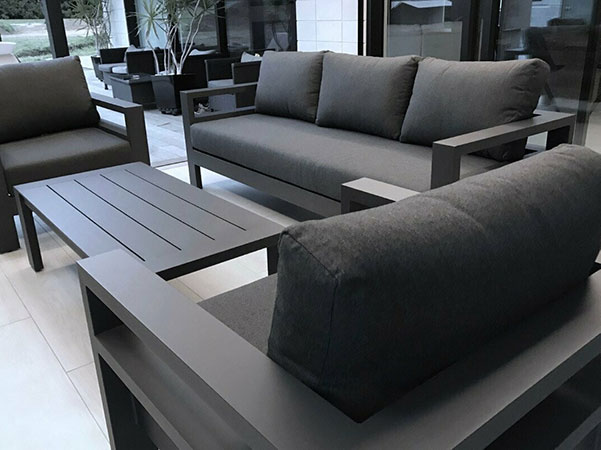
How can I arrange my garden furniture for comfortable outdoor gatherings?
To create a comfortable and inviting outdoor gathering space, the arrangement of your garden furniture plays a crucial role. Here are some tips to help you arrange your garden furniture for comfortable outdoor gatherings:
1. Determine the Focal Point:
Identify a focal point in your outdoor space, such as a fireplace, a garden feature, or a scenic view. Arrange your furniture to face this focal point, creating a visually appealing and functional layout.
2. Consider the Function:
Think about the purpose of your outdoor gatherings. Do you plan to have meals, conversations, or both? Consider the activities you intend to host and arrange the furniture accordingly. For dining-focused gatherings, position a dining table and chairs in a central location. For more conversational gatherings, create cozy seating arrangements with sofas, chairs, and coffee tables.
3. Create Conversation Areas:
Arrange your furniture to facilitate conversation and interaction among your guests. Place seating pieces facing each other, forming intimate conversation areas. Ensure there is enough space for easy movement and flow between the different seating arrangements.
4. Provide Ample Seating:
Ensure you have enough seating to accommodate your guests comfortably. Mix and match seating options such as chairs, benches, and outdoor sofas to offer variety and cater to different preferences. Consider adding cushions and pillows for extra comfort.
5. Provide Shade:
If your outdoor space is exposed to direct sunlight, consider providing shade to keep your guests comfortable. You can use umbrellas, pergolas, or shade sails to create shaded areas where people can gather without being exposed to excessive sunlight.
6. Arrange for Easy Access:
Arrange your furniture in a way that allows easy access to all areas. Ensure there are clear pathways and sufficient space for guests to move around comfortably. Avoid placing furniture in narrow or congested areas that may hinder movement.
7. Add Outdoor Accessories:
Enhance the comfort and ambiance of your outdoor gathering space by incorporating outdoor accessories. Consider adding outdoor rugs, side tables, decorative lighting, and potted plants to create a welcoming and cozy atmosphere.
8. Consider Weather Protection:
Depending on your climate, consider incorporating weather protection elements into your furniture arrangement. This can include adding a pergola, awning, or outdoor curtains to shield your guests from rain or strong winds.
9. Test the Layout:
Before finalizing the arrangement, physically test the layout by sitting in different seats and assessing the comfort and functionality. Make any necessary adjustments to ensure that the seating positions, table heights, and overall flow work well for your outdoor gatherings.
By considering the function, comfort, and aesthetics of your outdoor space, you can arrange your garden furniture in a way that promotes comfortable and enjoyable outdoor gatherings. Experiment with different layouts and configurations to find the arrangement that best suits your needs and creates a welcoming environment for your guests.

How can I make my garden furniture more comfortable for extended use?
To make your garden furniture more comfortable for extended use, you can consider the following tips and techniques:
1. Cushions and Pillows:
Add cushions and pillows to your garden furniture to provide extra padding and support. Look for cushions made from outdoor-grade materials that are resistant to moisture, fading, and mildew. Opt for pillows with soft and durable fabrics that enhance comfort. Make sure to choose cushions and pillows that fit the size and style of your furniture.
2. Ergonomic Design:
Consider the ergonomic design of your garden furniture to promote comfort during extended use. Look for chairs with proper back support and armrests that allow for relaxed seating positions. Tables with an appropriate height can also contribute to a more comfortable dining experience. Ergonomic design ensures that your body is properly supported and aligned, reducing discomfort and fatigue.
3. Adjustable Furniture:
If possible, opt for garden furniture with adjustable features. Adjustable chairs or loungers allow you to customize the seating position according to your preference. Being able to adjust the backrest or footrest can significantly enhance comfort during extended periods of use.
4. Shade and Sun Protection:
Provide shade and sun protection to make your garden furniture more comfortable, especially during hot and sunny days. Consider adding umbrellas, canopies, or pergolas to create shaded areas. This helps to reduce direct sun exposure and keeps the seating area cooler and more enjoyable.
5. Proper Ventilation:
Ensure proper ventilation around your garden furniture. Good airflow helps to prevent sweat buildup and keeps you cool. If your furniture has cushions, choose materials that are breathable and allow air to circulate. Mesh or ventilated designs can help with airflow and moisture management.
6. Protective Covers:
Use protective covers when your garden furniture is not in use to keep it clean and protected. Covers can help prevent dust, dirt, and bird droppings from accumulating on the furniture. Clean furniture is generally more comfortable to use for extended periods.
7. Outdoor Rugs and Mats:
Add outdoor rugs or mats to create a more inviting and comfortable seating area. These can provide a softer surface for your feet and also help define the space. Look for rugs or mats that are specifically designed for outdoor use and are resistant to moisture and fading.
8. Proper Maintenance:
Regularly clean and maintain your garden furniture to keep it in good condition. Follow the manufacturer’s instructions for cleaning and care. Tighten any loose screws or bolts, and replace any worn-out parts. Well-maintained furniture not only looks better but also tends to be more comfortable and enjoyable to use.
By implementing these tips, you can enhance the comfort of your garden furniture and create a more inviting outdoor space for extended use. Remember to consider your personal preferences and the specific needs of your furniture when making adjustments or additions.
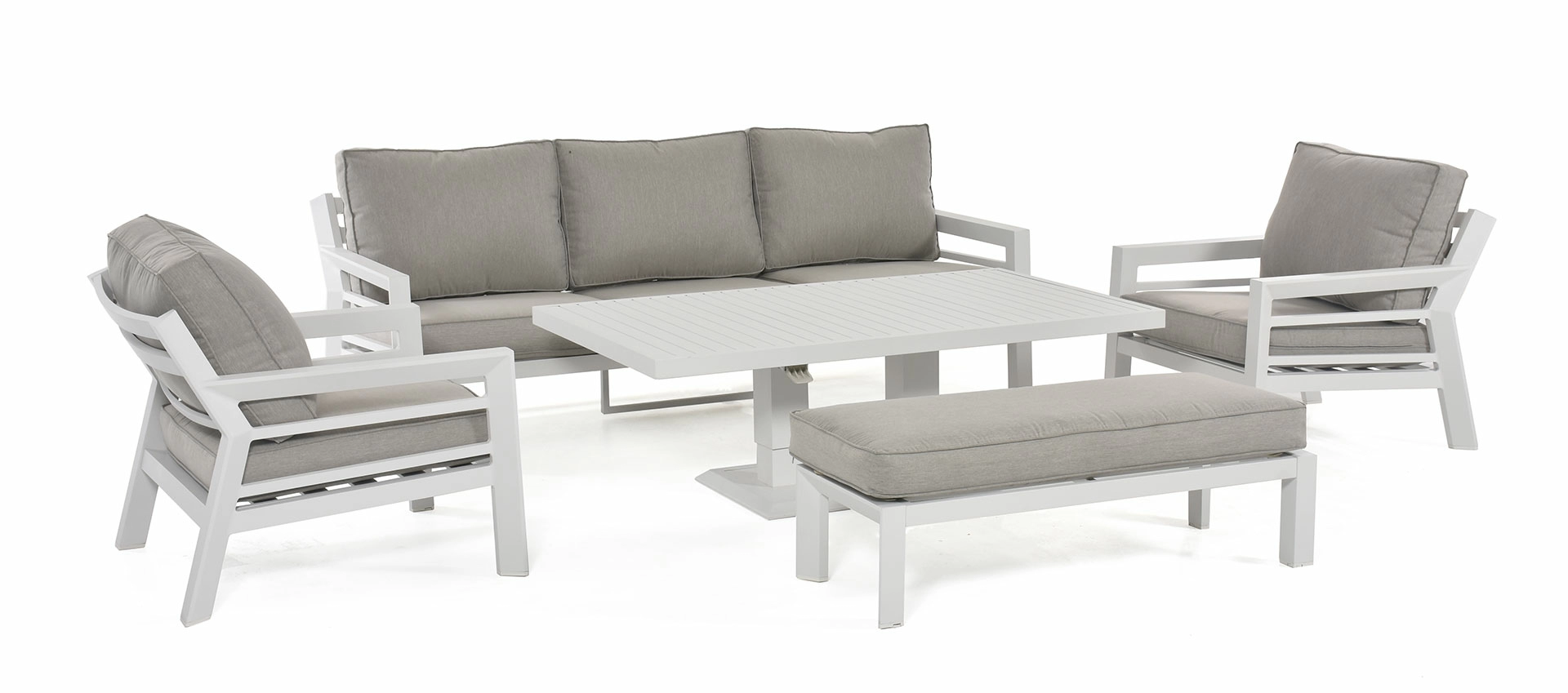
What are the benefits of investing in high-quality garden furniture?
Investing in high-quality garden furniture offers numerous benefits that can enhance your outdoor living experience and provide long-term value. Here are some advantages of choosing high-quality garden furniture:
1. Durability and Longevity:
High-quality garden furniture is built to last. It is constructed using robust materials and superior craftsmanship, making it more resistant to wear, tear, and weather conditions. Investing in durable furniture ensures that it will withstand outdoor elements and remain in good condition for years to come.
2. Enhanced Comfort:
High-quality garden furniture often prioritizes comfort. It features ergonomic designs, ample cushions, and supportive features that provide a comfortable seating or lounging experience. The use of high-quality materials and cushioning ensures that you can relax and enjoy your outdoor space in utmost comfort.
3. Aesthetics and Style:
High-quality garden furniture often boasts stylish designs and meticulous attention to detail. It can elevate the overall aesthetics of your outdoor space, creating a visually pleasing and inviting environment. From modern and contemporary to traditional and rustic styles, high-quality furniture offers a wide range of options to suit your personal taste and complement your outdoor decor.
4. Functionality and Versatility:
Investing in high-quality garden furniture provides you with functional and versatile pieces. Whether you need a dining set for outdoor meals, a comfortable seating area for entertaining guests, or a cozy lounge spot for relaxation, high-quality furniture offers the functionality and versatility to meet your specific needs. Many pieces also come with adjustable features or modular designs for added convenience.
5. Low Maintenance:
High-quality garden furniture often requires minimal maintenance. It is designed to withstand outdoor conditions and is resistant to fading, rust, moisture, and other common issues. With proper care and occasional cleaning, high-quality furniture can maintain its appearance and functionality without extensive upkeep.
6. Investment Value:
High-quality garden furniture is an investment that provides long-term value. While it may have a higher upfront cost compared to lower-quality alternatives, its durability and longevity ensure that you won’t need to replace it frequently. Investing in quality furniture ultimately saves you money in the long run.
7. Enjoyment and Relaxation:
Perhaps the most significant benefit of investing in high-quality garden furniture is the enjoyment and relaxation it brings. With comfortable seating, a beautiful design, and a well-crafted outdoor space, you can create a serene and inviting oasis where you can unwind, entertain, and spend quality time with family and friends.
When choosing high-quality garden furniture, consider factors such as the materials used, construction techniques, and reputable brands. Take the time to research and select furniture that meets your specific needs and preferences. By investing in high-quality furniture, you can create an outdoor space that is not only aesthetically pleasing but also functional, comfortable, and built to last.
editor by CX 2023-11-07
China factory Air Compressor Manufacturer Blt-75A Pm+ Air Compressor for Plastic Injection Molding Moulding Machine Parts with Good quality
Product Description
We are authorized distributer of Bolaite, we could provide whole product line of
Bolaite air compressors , spare parts and consumables. we are also
certified supplier by international authoritative certification organizations.
Kindly advise your technical requirements, we will recommend suitable
compressed air system and spare parts for you .
We can provide CHINAMFG One-Stop Service,and efficient energy – saving solutions for you .
Specification
|
item |
value |
|
Condition |
New |
|
Warranty |
1 Year |
|
Applicable Industries |
Hotels, Garment Shops, Building Material Shops, Manufacturing Plant, Machinery Repair Shops, Food & Beverage Factory, Farms, Restaurant, Home Use, Retail, Food Shop, Printing Shops, Construction works , Energy & Mining, Food & Beverage Shops, Other, Advertising Company |
|
After Warranty Service |
Spare parts |
|
Local Service Location |
None |
|
Showroom Location |
None |
|
Video outgoing-inspection |
Provided |
|
Machinery Test Report |
Provided |
|
Marketing Type |
New Product 2571 |
|
Place of Origin |
China |
|
Brand Name |
Bolaite |
|
Type |
Air compressor |
Industrial equipment, printing service, pipelines,power plants, oil&gas, oil refinery, coating, painting,
plastics, steel industry, rubber, mechanical, blow molding, color sorter machine, shipyard, sandblasting,
metallurg,etc.
Different industries correspond to different air compressors, kindly please send me your application
areas and specific conditions, then will recommend the most suitable products for you .
1 Q: How about the quality of products ?
A: We are authorized distributer of Atlas Copco. Don’t worry the quality and service.
2 Q: How long is your delivery lead time ?
A: If there is stock, the lead time is about 3 working days after we get the payment, if need to
be produced, it depends.
3 Q: How about your overseas after-sale service?
A: (1)Provide customers with intallation and commissioning online instructions.
(2)Worldwide agents and sfter service available.
4 Q: Can you accept OEM&ODM orders?
A: Yes, we have professional design team, OEM&ODM orders are highly welcomed.
| Lubrication Style: | Lubricated |
|---|---|
| Cooling System: | Air Cooling |
| Power Source: | AC Power |
| Cylinder Position: | Vertical |
| Structure Type: | Closed Type |
| Installation Type: | Stationary Type |
| Customization: |
Available
|
|
|---|
.webp)
How does variable speed drive technology improve air compressor efficiency?
Variable Speed Drive (VSD) technology improves air compressor efficiency by allowing the compressor to adjust its motor speed to match the compressed air demand. This technology offers several benefits that contribute to energy savings and enhanced overall system efficiency. Here’s how VSD technology improves air compressor efficiency:
1. Matching Air Demand:
Air compressors equipped with VSD technology can vary the motor speed to precisely match the required compressed air output. Traditional fixed-speed compressors operate at a constant speed regardless of the actual demand, leading to energy wastage during periods of lower air demand. VSD compressors, on the other hand, ramp up or down the motor speed to deliver the necessary amount of compressed air, ensuring optimal energy utilization.
2. Reduced Unloaded Running Time:
Fixed-speed compressors often run unloaded during periods of low demand, where they continue to consume energy without producing compressed air. VSD technology eliminates or significantly reduces this unloaded running time by adjusting the motor speed to closely follow the air demand. As a result, VSD compressors minimize energy wastage during idle periods, leading to improved efficiency.
3. Soft Starting:
Traditional fixed-speed compressors experience high inrush currents during startup, which can strain the electrical system and cause voltage dips. VSD compressors utilize soft starting capabilities, gradually ramping up the motor speed instead of instantly reaching full speed. This soft starting feature reduces mechanical and electrical stress, ensuring a smooth and controlled startup, and minimizing energy spikes.
4. Energy Savings at Partial Load:
In many applications, compressed air demand varies throughout the day or during different production cycles. VSD compressors excel in such scenarios by operating at lower speeds during periods of lower demand. Since power consumption is proportional to motor speed, running the compressor at reduced speeds significantly reduces energy consumption compared to fixed-speed compressors that operate at a constant speed regardless of the demand.
5. Elimination of On/Off Cycling:
Fixed-speed compressors often use on/off cycling to adjust the compressed air output. This cycling can result in frequent starts and stops, which consume more energy and cause mechanical wear. VSD compressors eliminate the need for on/off cycling by continuously adjusting the motor speed to meet the demand. By operating at a consistent speed within the required range, VSD compressors minimize energy losses associated with frequent cycling.
6. Enhanced System Control:
VSD compressors offer advanced control capabilities, allowing for precise monitoring and adjustment of the compressed air system. These systems can integrate with sensors and control algorithms to maintain optimal system pressure, minimize pressure fluctuations, and prevent excessive energy consumption. The ability to fine-tune the compressor’s output based on real-time demand contributes to improved overall system efficiency.
By utilizing variable speed drive technology, air compressors can achieve significant energy savings, reduce operational costs, and enhance their environmental sustainability by minimizing energy wastage and optimizing efficiency.
Are there differences between single-stage and two-stage air compressors?
Yes, there are differences between single-stage and two-stage air compressors. Here’s an in-depth explanation of their distinctions:
Compression Stages:
The primary difference between single-stage and two-stage air compressors lies in the number of compression stages they have. A single-stage compressor has only one compression stage, while a two-stage compressor has two sequential compression stages.
Compression Process:
In a single-stage compressor, the entire compression process occurs in a single cylinder. The air is drawn into the cylinder, compressed in a single stroke, and then discharged. On the other hand, a two-stage compressor utilizes two cylinders or chambers. In the first stage, air is compressed to an intermediate pressure in the first cylinder. Then, the partially compressed air is sent to the second cylinder where it undergoes further compression to reach the desired final pressure.
Pressure Output:
The number of compression stages directly affects the pressure output of the air compressor. Single-stage compressors typically provide lower maximum pressure levels compared to two-stage compressors. Single-stage compressors are suitable for applications that require moderate to low air pressure, while two-stage compressors are capable of delivering higher pressures, making them suitable for demanding applications that require greater air pressure.
Efficiency:
Two-stage compressors generally offer higher efficiency compared to single-stage compressors. The two-stage compression process allows for better heat dissipation between stages, reducing the chances of overheating and improving overall efficiency. Additionally, the two-stage design allows the compressor to achieve higher compression ratios while minimizing the work done by each stage, resulting in improved energy efficiency.
Intercooling:
Intercooling is a feature specific to two-stage compressors. Intercoolers are heat exchangers placed between the first and second compression stages. They cool down the partially compressed air before it enters the second stage, reducing the temperature and improving compression efficiency. The intercooling process helps to minimize heat buildup and reduces the potential for moisture condensation within the compressor system.
Applications:
The choice between a single-stage and two-stage compressor depends on the intended application. Single-stage compressors are commonly used for light-duty applications such as powering pneumatic tools, small-scale workshops, and DIY projects. Two-stage compressors are more suitable for heavy-duty applications that require higher pressures, such as industrial manufacturing, automotive service, and large-scale construction.
It is important to consider the specific requirements of the application, including required pressure levels, duty cycle, and anticipated air demand, when selecting between a single-stage and two-stage air compressor.
In summary, the main differences between single-stage and two-stage air compressors lie in the number of compression stages, pressure output, efficiency, intercooling capability, and application suitability.
How is air pressure measured in air compressors?
Air pressure in air compressors is typically measured using one of two common units: pounds per square inch (PSI) or bar. Here’s a brief explanation of how air pressure is measured in air compressors:
1. Pounds per Square Inch (PSI): PSI is the most widely used unit of pressure measurement in air compressors, especially in North America. It represents the force exerted by one pound of force over an area of one square inch. Air pressure gauges on air compressors often display pressure readings in PSI, allowing users to monitor and adjust the pressure accordingly.
2. Bar: Bar is another unit of pressure commonly used in air compressors, particularly in Europe and many other parts of the world. It is a metric unit of pressure equal to 100,000 pascals (Pa). Air compressors may have pressure gauges that display readings in bar, providing an alternative measurement option for users in those regions.
To measure air pressure in an air compressor, a pressure gauge is typically installed on the compressor’s outlet or receiver tank. The gauge is designed to measure the force exerted by the compressed air and display the reading in the specified unit, such as PSI or bar.
It’s important to note that the air pressure indicated on the gauge represents the pressure at a specific point in the air compressor system, typically at the outlet or tank. The actual pressure experienced at the point of use may vary due to factors such as pressure drop in the air lines or restrictions caused by fittings and tools.
When using an air compressor, it is essential to set the pressure to the appropriate level required for the specific application. Different tools and equipment have different pressure requirements, and exceeding the recommended pressure can lead to damage or unsafe operation. Most air compressors allow users to adjust the pressure output using a pressure regulator or similar control mechanism.
Regular monitoring of the air pressure in an air compressor is crucial to ensure optimal performance, efficiency, and safe operation. By understanding the units of measurement and using pressure gauges appropriately, users can maintain the desired air pressure levels in their air compressor systems.
editor by CX 2023-11-06
China manufacturer 220V 60Hz 15kw 20HP 16bar Laser Cutting Rotary Screw Air Compressor for 1500W Laser Cutting Machine arb air compressor
Product Description
220V 60HZ 15KW 20HP 16Bar Laser Cutting Rotary Screw Air Compressor For 1500W Laser Cutting Machine
Main Features:
1. The flexible belt will be automatically tensioned in use. Through adjusting the tension, minimize the loss of pressure and power, to enhance the efficiency of compression.
2. Using the precise spin-oil separator and special two-pole buffer separation, it can minimize the oil consumption, guarantee the outlet gas purity, and extend the lifetime of filter elements.
3. With the toothed V-belt, it has good heat dissipation, long life, higher gear drive and transmission efficiency, as high as over 98%.
Oil Filter: Good Quality filters ensure longer working life and save the maintenance time and cost.
Stainless Steel Hoses: High and low temperature resistant, high pressure resistant.
Compressed Air Vessel: Reduction of pressure drops and energy costs, quality air with low oil content.
Air End: Imported DLOL air end, advanced profile design.
Electric Motor: Premium efficiency Totally TEFC IP54/IP55 motor (Class F insulation) protects against dust and chemicals etc.
Air Filter: Two-stage dust removal and filtering system with efficiency of up to 99.9% even in heavy-duty environment.
Cooler: High quality aluminum material, alternating expression cooler fins, ensure the perfect radiating effect.
Technical parameters:
| Model | 20A/16 |
| Power | 20HP / 15KW |
| Pressure | 1.6MPa / 16bar |
| Air Flow | 1.0m3/min |
| Dimension | 1600*780*1600mm |
| Outlet size | G3/4 |
| Weight | 415KG |
Our workshop:
| After-sales Service: | Free Spare Parts |
|---|---|
| Warranty: | One Year |
| Lubrication Style: | Lubricated |
| Cooling System: | Air Cooling |
| Power Source: | AC Power |
| Cylinder Position: | Vertical |
| Customization: |
Available
|
|
|---|
.webp)
How are air compressors utilized in pharmaceutical manufacturing?
Air compressors play a crucial role in pharmaceutical manufacturing, where they are utilized for various critical applications. The pharmaceutical industry requires a reliable source of clean and compressed air to ensure the safety, efficiency, and quality of its processes. Here’s an overview of how air compressors are utilized in pharmaceutical manufacturing:
1. Manufacturing Processes:
Air compressors are used in numerous manufacturing processes within the pharmaceutical industry. Compressed air is employed for tasks such as mixing and blending of ingredients, granulation, tablet compression, coating, and encapsulation of pharmaceutical products. The controlled delivery of compressed air facilitates precise and consistent manufacturing processes, ensuring the production of high-quality pharmaceuticals.
2. Instrumentation and Control Systems:
Pharmaceutical manufacturing facilities rely on compressed air for powering instrumentation and control systems. Compressed air is used to operate pneumatic valves, actuators, and control devices that regulate the flow of fluids, control temperature and pressure, and automate various processes. The clean and dry nature of compressed air makes it ideal for maintaining the integrity and accuracy of these critical control mechanisms.
3. Packaging and Filling:
Air compressors are employed in pharmaceutical packaging and filling processes. Compressed air is used to power machinery and equipment for bottle cleaning, labeling, capping, and sealing of pharmaceutical products. Compressed air provides the necessary force and precision for efficient and reliable packaging, ensuring product safety and compliance.
4. Cleanroom Environments:
Pharmaceutical manufacturing often takes place in controlled cleanroom environments to prevent contamination and maintain product quality. Air compressors are used to supply clean and filtered compressed air to these cleanrooms, ensuring a controlled and sterile environment for the production of pharmaceuticals. Compressed air is also utilized in cleanroom air showers and air curtains for personnel and material decontamination.
5. Laboratory Applications:
In pharmaceutical laboratories, air compressors are utilized for various applications. Compressed air is used in laboratory instruments, such as gas chromatographs, mass spectrometers, and other analytical equipment. It is also employed in clean air cabinets, fume hoods, and laminar flow benches, providing a controlled and clean environment for testing, analysis, and research.
6. HVAC Systems:
Air compressors are involved in heating, ventilation, and air conditioning (HVAC) systems in pharmaceutical manufacturing facilities. Compressed air powers the operation of HVAC controls, dampers, actuators, and air handling units, ensuring proper air circulation, temperature control, and environmental conditions in various manufacturing areas.
By utilizing air compressors in pharmaceutical manufacturing, the industry can maintain strict quality standards, enhance operational efficiency, and ensure the safety and efficacy of pharmaceutical products.
.webp)
How do you troubleshoot common air compressor problems?
Troubleshooting common air compressor problems can help identify and resolve issues that may affect the performance and functionality of the compressor. Here are some steps to troubleshoot common air compressor problems:
1. No Power:
- Check the power source and ensure the compressor is properly plugged in.
- Inspect the circuit breaker or fuse box to ensure it hasn’t tripped or blown.
- Verify that the compressor’s power switch or control panel is turned on.
2. Low Air Pressure:
- Check the air pressure gauge on the compressor. If the pressure is below the desired level, the compressor might not be building up enough pressure.
- Inspect for air leaks in the system. Leaks can cause a drop in pressure. Listen for hissing sounds or use a soapy water solution to identify the location of leaks.
- Ensure the compressor’s intake filter is clean and not clogged, as this can restrict airflow and reduce pressure.
3. Excessive Noise or Vibration:
- Inspect the compressor’s mounting and foundation to ensure it is secure and stable. Loose mounts can cause excessive noise and vibration.
- Check for loose or damaged components, such as belts, pulleys, or motor mounts. Tighten or replace as necessary.
- Verify that the compressor’s cooling system, such as the fan or fins, is clean and free from obstructions. Overheating can lead to increased noise and vibration.
4. Air Leaks:
- Inspect all connections, valves, fittings, and hoses for leaks. Tighten or replace any loose or damaged components.
- Apply a soapy water solution to suspected areas and look for bubbles. Bubbles indicate air leaks.
- Consider using thread sealant or Teflon tape on threaded connections to ensure a proper seal.
5. Excessive Moisture in Compressed Air:
- Check the compressor’s drain valve and ensure it is functioning properly. Open the valve to release any accumulated moisture.
- Inspect and clean the compressor’s moisture separator or air dryer, if equipped.
- Consider installing additional filtration or drying equipment to remove moisture from the compressed air system.
6. Motor Overheating:
- Ensure the compressor’s cooling system is clean and unobstructed.
- Check the motor’s air intake vents and clean any dust or debris that may be blocking airflow.
- Verify that the compressor is not being operated in an excessively hot environment.
- Check the motor’s lubrication levels and ensure they are within the manufacturer’s recommended range.
- Consider using a thermal overload protector to prevent the motor from overheating.
If troubleshooting these common problems does not resolve the issue, it may be necessary to consult the manufacturer’s manual or seek assistance from a qualified technician. Regular maintenance, such as cleaning, lubrication, and inspection, can also help prevent common problems and ensure the optimal performance of the air compressor.
What are the safety considerations when operating an air compressor?
Operating an air compressor requires careful attention to safety to prevent accidents, injuries, and equipment damage. Here are some important safety considerations to keep in mind:
1. Read the Manual: Before operating an air compressor, thoroughly read and understand the manufacturer’s instruction manual. Familiarize yourself with the specific safety guidelines, recommended operating procedures, and any specific precautions or warnings provided by the manufacturer.
2. Proper Ventilation: Ensure that the area where the air compressor is operated has adequate ventilation. Compressed air can produce high levels of heat and exhaust gases. Good ventilation helps dissipate heat, prevent the buildup of fumes, and maintain a safe working environment.
3. Personal Protective Equipment (PPE): Always wear appropriate personal protective equipment, including safety glasses or goggles, hearing protection, and non-slip footwear. Depending on the task, additional PPE such as gloves, a dust mask, or a face shield may be necessary to protect against specific hazards.
4. Pressure Relief: Air compressors should be equipped with pressure relief valves or devices to prevent overpressurization. Ensure that these safety features are in place and functioning correctly. Regularly inspect and test the pressure relief mechanism to ensure its effectiveness.
5. Secure Connections: Use proper fittings, hoses, and couplings to ensure secure connections between the air compressor, air tools, and accessories. Inspect all connections before operation to avoid leaks or sudden hose disconnections, which can cause injuries or damage.
6. Inspect and Maintain: Regularly inspect the air compressor for any signs of damage, wear, or leaks. Ensure that all components, including hoses, fittings, and safety devices, are in good working condition. Follow the manufacturer’s recommended maintenance schedule to keep the compressor in optimal shape.
7. Electrical Safety: If the air compressor is electric-powered, take appropriate electrical safety precautions. Use grounded outlets and avoid using extension cords unless approved for the compressor’s power requirements. Protect electrical connections from moisture and avoid operating the compressor in wet or damp environments.
8. Safe Start-Up and Shut-Down: Properly start and shut down the air compressor following the manufacturer’s instructions. Ensure that all air valves are closed before starting the compressor and release all pressure before performing maintenance or repairs.
9. Training and Competence: Ensure that operators are adequately trained and competent in using the air compressor and associated tools. Provide training on safe operating procedures, hazard identification, and emergency response protocols.
10. Emergency Preparedness: Have a clear understanding of emergency procedures and how to respond to potential accidents or malfunctions. Know the location of emergency shut-off valves, fire extinguishers, and first aid kits.
By adhering to these safety considerations and implementing proper safety practices, the risk of accidents and injuries associated with operating an air compressor can be significantly reduced. Prioritizing safety promotes a secure and productive working environment.
editor by CX 2023-10-18
China manufacturer 1HP 0.75HP Motor Dental Oil-Free Air Compressor Machine Medical Product with Good quality
Product Description
Air compressor
FAQ
|
FAQ —————————————————————————————————————————————————————————
Q1. What is the delivery time?
Q2. What’s the guarantee for the products?
Q3. Can I print my logo and information on the product body?
Q4:What’s your advantage? Why we choose you?
Please don’t hesitate to send us an inquiry if you interested in our products ,We will reply and share products detail and price to you . Our services: 1.We usually quote within 12 hours after we get your inquiry 2.we provide private lables and OEM customization conditions. Welcome dealers wordwide to contact us for cooperation. 3.All the products will be inspected strictly before out of factory, we have strict management and quality control systems. 4.high quality products ,best after-sales services, best price !
welcome to send us your inquiry and get your best price ! |
| Condition: | New |
|---|---|
| Application: | Adult |
| Feature: | Un-waterproof |
| Usage Times: | Non-Disposable |
| Material: | Plastic, Matel |
| Color: | White/Blue |
| Customization: |
Available
|
|
|---|
How Do Water-Lubricated Air Compressors Contribute to Energy Savings?
Water-lubricated air compressors can contribute to energy savings in several ways, making them an attractive option for industries looking to optimize their energy consumption. Here are the key ways in which water-lubricated compressors help achieve energy efficiency:
- Reduced friction and improved efficiency: Water serves as a lubricant in water-lubricated compressors, creating a thin film between moving parts to reduce friction. This reduces the energy losses due to mechanical friction and improves the overall efficiency of the compressor. Compared to oil-lubricated compressors, water-lubricated models can achieve higher mechanical efficiency, translating into energy savings over the compressor’s operational lifetime.
- Elimination of oil vapor carryover: Oil-lubricated compressors require oil filtration systems to prevent oil carryover into the compressed air stream. These filtration systems consume energy and can introduce pressure drops. In contrast, water-lubricated compressors eliminate the need for oil filtration, reducing energy consumption associated with filtration equipment and minimizing pressure losses. This leads to improved system efficiency and energy savings.
- Improved heat transfer and cooling: Water-lubricated compressors offer enhanced heat transfer capabilities compared to oil-lubricated counterparts. Water has a higher specific heat capacity and thermal conductivity, allowing for more efficient heat dissipation. This results in lower operating temperatures and reduces the energy required for cooling the compressor. By optimizing heat transfer, water-lubricated compressors can minimize energy consumption associated with cooling systems or air conditioning in compressor rooms.
- Optimized system design: Water-lubricated compressors often employ advanced system designs that further enhance energy efficiency. For example, they may incorporate variable speed drive (VSD) technology, which adjusts the compressor’s speed and power consumption based on the actual air demand. This eliminates energy waste associated with constant-speed operation and reduces energy consumption during periods of low compressed air demand. Additionally, water-lubricated compressors may feature optimized internal components and improved air flow dynamics, resulting in reduced energy losses and improved overall system efficiency.
- Heat recovery opportunities: Water-lubricated compressors can provide opportunities for heat recovery. The heat generated during compression can be captured and utilized for various heating applications within the facility, such as space heating, water heating, or process heating. By harnessing this waste heat, water-lubricated compressors contribute to energy savings by offsetting the need for additional energy sources for heating purposes.
By combining these energy-saving features, water-lubricated air compressors help optimize energy consumption, reduce operational costs, and minimize the environmental impact associated with compressed air systems. Implementing water-lubricated compressors with a comprehensive energy management strategy can result in significant energy savings and improved overall sustainability for industrial operations.
.webp)
Are There Regulations Governing the Use of Water-Lubricated Air Compressors?
When it comes to the use of water-lubricated air compressors, there are several regulations and standards that govern their operation and ensure compliance with safety, environmental, and performance requirements. Here’s a detailed explanation of the regulations related to water-lubricated air compressors:
1. Occupational Safety and Health Administration (OSHA) Regulations:
OSHA is a regulatory agency in the United States that sets and enforces workplace safety and health standards. While OSHA does not have specific regulations solely dedicated to water-lubricated air compressors, they have general regulations that apply to all types of air compressors. These regulations include requirements for safe operation, maintenance, and guarding of equipment to protect workers from hazards such as electrical shocks, mechanical injuries, and exposure to hazardous substances.
2. Environmental Protection Agency (EPA) Regulations:
The EPA is responsible for implementing and enforcing environmental regulations in the United States. Although there are no specific regulations for water-lubricated air compressors, the EPA has regulations that govern the discharge of water and other substances into the environment. If the water-lubricated compressor system involves the use of cooling water or generates wastewater, it may be subject to regulations related to water pollution control, water treatment, and proper disposal of wastewater.
3. International Organization for Standardization (ISO) Standards:
The ISO develops international standards that provide guidelines and requirements for various industries and technologies. ISO 8573 is a standard that addresses the quality of compressed air used in different applications. This standard sets limits and specifications for various contaminants in compressed air, including water content. Water-lubricated air compressors need to comply with the requirements of ISO 8573 to ensure the produced compressed air meets the desired quality standards.
4. Manufacturer Guidelines and Recommendations:
In addition to regulatory requirements, it is essential to follow the guidelines and recommendations provided by the manufacturers of water-lubricated air compressors. Manufacturers typically provide instructions for installation, operation, maintenance, and safety precautions specific to their equipment. Adhering to these guidelines is crucial to ensure the safe and proper functioning of the equipment and to maintain warranty coverage.
It’s important to note that the specific regulations and standards governing water-lubricated air compressors may vary depending on the country or region. Therefore, it is advisable to consult the relevant regulatory agencies, industry organizations, and local authorities to ensure compliance with applicable regulations and standards in a particular jurisdiction.
By complying with the relevant regulations, standards, and manufacturer guidelines, users of water-lubricated air compressors can ensure the safe and efficient operation of their equipment while minimizing any potential environmental impacts.
.webp)
Can Water-Lubricated Air Compressors Be Used in Medical Applications?
Water-lubricated air compressors can be used in certain medical applications, offering specific advantages for these environments. Here are some considerations regarding the use of water-lubricated air compressors in medical settings:
- Clean and sterile lubrication: Water is a clean and sterile lubricant, making it suitable for medical applications where maintaining a sterile environment is crucial. Water lubrication helps prevent contamination and ensures the integrity of medical products and procedures.
- Reduced risk of oil contamination: Oil-lubricated compressors pose a risk of oil carryover and oil vapor entering the compressed air system. This can be problematic in medical applications, where oil contamination could impact patient safety or interfere with sensitive medical equipment. Water-lubricated compressors eliminate this risk, providing a reliable and oil-free compressed air source.
- Compatibility with medical gases: Water-lubricated air compressors are compatible with medical gases such as oxygen or nitrous oxide. Unlike oil lubricants, water does not react or contaminate these gases, ensuring their purity and safety in medical procedures.
- Hygienic and easy to clean: Water lubrication simplifies cleaning procedures in medical environments. It does not leave behind sticky residues or require harsh chemicals for cleaning. Water-lubricated compressors can be easily cleaned and maintained, promoting a hygienic and safe medical facility.
- Reduced risk of fire hazards: Water has a higher flash point compared to oil lubricants, making water-lubricated compressors safer in terms of fire hazards. In medical settings, where fire safety is critical, using water as a lubricant can provide added peace of mind.
- Environmental friendliness: Water is a non-toxic and environmentally friendly lubricant choice. It does not contribute to air or water pollution, aligning with the sustainability goals of medical facilities.
While water-lubricated air compressors offer several advantages for medical applications, it’s important to note that specific requirements and regulations may vary depending on the type of medical procedure or equipment involved. It is advisable to consult with medical professionals or equipment manufacturers to ensure the suitability and compliance of water-lubricated air compressors for specific medical applications.
editor by CX 2023-10-18