Product Description
HangZhou Aoter Outdoor Co.,Ltd is located in HangZhou City, ZheJiang Province which is less than 1 hour driving to HangZhou. We are a professional company cooperate with long-term associate factories concentrate on furniture only which has a wide range of products such as aluminum furniture, rattan furniture, hotel furniture, restaurant furniture, dinning set etc.
There are 100 workers in our factory and we can produce 20,000pcs chairs per month. OEM projects are highly welcomed, we have strong engineer team to support us for design and production. On time delivery, high quality and good service are the top goals of our company.
Using qualified material and producing according to standard steps, we have passed SGS quality system, BSCI and ISO certificate.
We own acid pickling pool, dirty water filtration system and two powder coated lines with environment friendly authority certificate, 1 line is for customize products and sample development, designer products, project projects.
The other 1 line is 800 meters long bulk order powder coated line for regular products, make sure for the products quality are the best, can control all the products that we produced are perfect.
| Aluminum tube: | φ28×1.5mm cone tube legs, 38x17x1.2mm flat tube arms |
| Rattan/Fabric: | waterproof textilene mesh fabric |
| Connect way: | All full welded & polished |
| Armrest: | Aluminum armrest |
| Packing way: | composite kraft paper wrapped, with wheeled bracket |
| Surface treatment: | doubel color powder coated (Bamboo/Ivory/Wood/ plain color) |
| Capacity: | 160 kg |
| Loading QTY: | 588/1260/1500 pcs in 20GP/40GP/40HC |
| Size: | 56x59x78cm |
| Material: | Aluminum & Textilene Mesh |
|---|---|
| Frame Material: | Aluminum |
| Kind: | Leisure Chair |
| Style: | European |
| Armrest: | Aluminum Armrest |
| Folded: | Unfolded |
| Samples: |
US$ 26/Piece
1 Piece(Min.Order) | |
|---|
| Customization: |
Available
|
|
|---|

What are some tips for arranging outdoor furniture around a fire pit or outdoor kitchen?
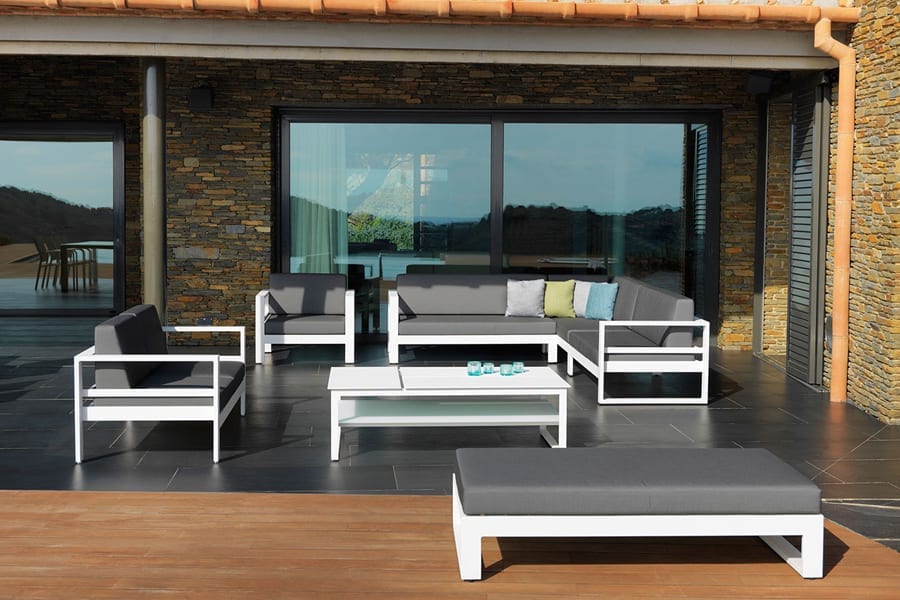
Arranging outdoor furniture around a fire pit or outdoor kitchen can create a comfortable and inviting outdoor living space. Here are some tips to consider when arranging your furniture:
1. Consider the Focal Point:
Identify the focal point of your outdoor space, whether it’s a fire pit or an outdoor kitchen. Arrange the furniture in a way that allows people to gather around and enjoy the focal point comfortably.
2. Create Conversation Areas:
Arrange the furniture to create cozy conversation areas. Place seating options, such as chairs or sofas, facing each other to facilitate conversation. Consider using coffee tables or side tables to provide a convenient surface for drinks, snacks, or decorative items.
3. Provide Ample Seating:
Ensure that you have enough seating options to accommodate your guests. Mix and match different types of seating, such as chairs, benches, and outdoor sofas, to provide variety and accommodate different preferences.
4. Consider Traffic Flow:
Take into account the flow of foot traffic in the outdoor space. Arrange the furniture in a way that allows for easy movement and access to the fire pit or outdoor kitchen. Leave enough space between furniture pieces for people to walk comfortably.
5. Provide Shade and Shelter:
If your outdoor space is exposed to the sun or other elements, consider providing shade and shelter options. This can be done through umbrellas, pergolas, or outdoor canopies. Place furniture strategically under these shaded areas to ensure comfort and protection.
6. Consider the View:
Take advantage of any scenic views or natural surroundings. Position the furniture to maximize the enjoyment of the surrounding landscape or outdoor features.
7. Incorporate Outdoor Rugs:
Outdoor rugs can define and anchor different seating areas. They also add a touch of comfort and style to the outdoor space. Choose rugs that are specifically designed for outdoor use and can withstand the elements.
8. Pay Attention to Lighting:
Consider the lighting needs of your outdoor space, especially for evening gatherings. Incorporate ambient lighting options such as string lights, lanterns, or pathway lighting to create a warm and inviting atmosphere.
9. Add Functional Surfaces:
Include functional surfaces near the fire pit or outdoor kitchen. This can be in the form of side tables, countertops, or built-in ledges. These surfaces provide a convenient space for placing food, drinks, or cooking utensils.
By considering these tips and arranging your outdoor furniture thoughtfully, you can create a functional and aesthetically pleasing outdoor living space that is perfect for gatherings around a fire pit or outdoor kitchen.
How can I make my outdoor furniture more comfortable with accessories?
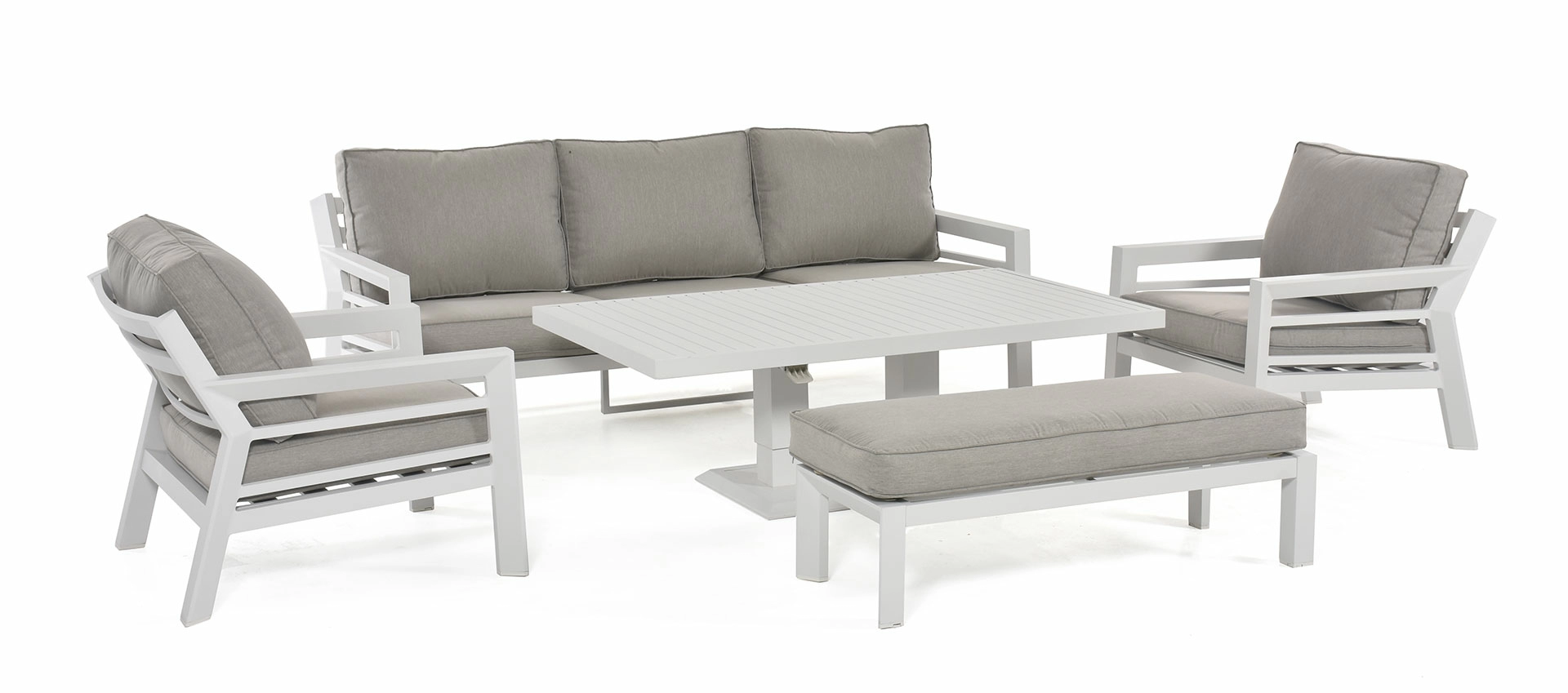
If you’re looking to enhance the comfort of your outdoor furniture, there are various accessories you can consider. Here are some ways to make your outdoor furniture more comfortable:
1. Cushions and Pillows: Adding cushions and pillows is one of the easiest ways to make outdoor seating more comfortable. Look for cushions specifically designed for outdoor use, as they are typically made with durable and weather-resistant materials. Choose cushions and pillows in soft, water-resistant fabrics that complement your outdoor décor.
2. Outdoor Rugs: Placing an outdoor rug beneath your furniture can add both comfort and style to your outdoor space. Outdoor rugs provide a soft surface underfoot, making the seating area more inviting. Opt for rugs made from materials that can withstand outdoor conditions, such as polypropylene or natural fibers like sisal or jute.
3. Umbrellas or Shade Sails: If your outdoor space is exposed to direct sunlight, consider adding umbrellas or shade sails to provide shade and relief from the sun’s rays. This can help create a more comfortable and enjoyable seating area, especially during hot summer days. Look for umbrellas or shade sails that are adjustable and made from UV-resistant materials.
4. Outdoor Curtains: Installing outdoor curtains around your seating area can add privacy, create a sense of enclosure, and provide shade. Choose curtains made from outdoor-rated fabrics that are resistant to fading and mildew. You can also opt for sheer curtains to allow for airflow while still providing some privacy.
5. Mosquito Netting: If you frequently deal with mosquitoes or other insects, consider using mosquito netting around your outdoor furniture. This can help create a bug-free zone, allowing you and your guests to relax comfortably without being bothered by pests. Look for netting that is specifically designed for outdoor use and easy to install.
6. Outdoor Throw Blankets: For cooler evenings or during transitional seasons, provide cozy comfort by offering outdoor throw blankets. These can be made from weather-resistant materials or outdoor-friendly fabrics that are easy to clean. Place the blankets on the back of chairs or in a basket nearby for guests to use as needed.
7. Outdoor Lighting: Proper lighting can contribute to the overall comfort and ambiance of your outdoor space. Install outdoor lighting fixtures such as string lights, lanterns, or sconces to create a warm and inviting atmosphere. This will not only enhance the comfort but also extend the usability of your outdoor furniture into the evening hours.
Remember to choose accessories that are specifically designed for outdoor use and can withstand the elements. Regular cleaning and maintenance of the accessories will help ensure their longevity and continued comfort.
How can I protect my outdoor furniture during the winter months?
Protecting your outdoor furniture during the winter months is crucial to ensure its longevity and keep it in good condition. Here are some tips to help you protect your outdoor furniture:
1. Clean and Prepare: Before winter arrives, thoroughly clean your outdoor furniture to remove any dirt, debris, or stains. Use a mild soap, water, and a soft brush or sponge. Rinse the furniture thoroughly and allow it to dry completely. Once clean, apply an appropriate protective finish or sealant if recommended by the manufacturer.
2. Store Indoors: If possible, consider storing your outdoor furniture indoors during the winter months. A garage, basement, or storage shed can provide protection from harsh winter weather. If space is limited, prioritize storing more delicate or valuable pieces, such as cushions or lightweight furniture, while heavier or more durable items may be left outside with proper coverings.
3. Use Furniture Covers: If storing your furniture indoors is not an option, use weather-resistant covers designed specifically for outdoor furniture. Look for covers made from durable materials that are waterproof, UV-resistant, and breathable. Properly cover each piece of furniture, including tables, chairs, and cushions, to keep them protected from snow, rain, and wind.
4. Elevate and Protect: When leaving furniture outside, elevate it from the ground to prevent moisture damage. Use furniture glides, blocks, or a raised platform to keep the furniture off the wet or frozen ground. Additionally, use furniture protectors or caps on the legs to prevent scratching or damage to delicate surfaces.
5. Remove Cushions and Fabric: If your outdoor furniture has removable cushions or fabric, it’s best to store them indoors during the winter. Clean the cushions thoroughly, allow them to dry completely, and store them in a dry and protected area. If storing indoors is not possible, use weather-resistant cushion storage bags or containers to keep them protected from moisture and pests.
6. Inspect and Maintain: Periodically check on your outdoor furniture during the winter months. Remove any accumulated snow or debris from the covers and ensure they are securely in place. Inspect the furniture for any signs of damage or wear and make any necessary repairs as soon as possible.
7. Avoid Excessive Weight: While it may be tempting to use your outdoor furniture as storage surfaces during the winter, it’s best to avoid placing heavy objects on them. Excessive weight can cause damage or warping, especially if the furniture is made from materials like wicker or plastic.
By following these tips, you can help protect your outdoor furniture during the winter months and extend its lifespan. Remember to always refer to the manufacturer’s guidelines and recommendations for specific care instructions for your furniture.
editor by CX 2023-11-28
China Standard Used Oil Free AC Industrial Screw CHINAMFG Zr 110 Air Compressor supplier
Product Description
CHINAMFG is renowned for designing and manufacturing the most durable oil-free tooth compressors. The ZR/ZT rotary tooth compressor comes out of this strong tradition. Ideal for industries where high-quality oil-free air is key, the ZR/ZT offers the highest reliability and safety in combination with low energy costs.
Oil-free air is used in all kinds of industries where air quality is paramount for the end product and production process. These applications include food and beverage processing, pharmaceutical manufacturing, chemical and petrochemical processing, fermentation, wastewater treatment, pneumatic conveying, non-woven textile manufacturing and many more.
With the ZR/ZT, we provide an all-in-1 standard package incorporating the latest technology in a built-tolast design. To further optimize your ZR/ZT’s performance or to simply tailor it to your specific production environment, optional features are available.
| ZR/ZT110-275(FF) | |||||||||||
| Model | Hz | FAD | Power | Noise | Weight | ||||||
| I/s | M³/min | cfm | kw | hp | db(A) | Standard | FF | ||||
| kg | Ibs | kg | Ibs | ||||||||
| ZR110-7.5 | 50 | 318.2 | 19.1 | 674 | 110 | 150 | 69 | 2709 | 5972 | 2954 | 6512 |
| ZR110-8.6 | 50 | 286.1 | 17.2 | 606 | 110 | 150 | 69 | 2709 | 5972 | 2954 | 6512 |
| ZR110-10 | 50 | 266.5 | 16 | 565 | 110 | 150 | 69 | 2709 | 5972 | 2954 | 6512 |
| ZR132-7.5 | 50 | 365.6 | 21.9 | 775 | 132 | 150 | 69 | 2900 | 6393 | 3145 | 6933 |
| ZR132-8.6 | 50 | 326.4 | 19.6 | 692 | 132 | 150 | 69 | 2900 | 6393 | 3145 | 6933 |
| ZR132-10 | 50 | 314.2 | 18.9 | 666 | 132 | 150 | 69 | 2900 | 6393 | 3145 | 6933 |
| ZR145-7.5 | 50 | 391.6 | 23.5 | 830 | 145 | 200 | 70 | 2895 | 6382 | 3145 | 6933 |
| ZR145-8.6 | 50 | 361.7 | 21.7 | 766 | 145 | 200 | 70 | 2895 | 6382 | 3145 | 6933 |
| ZR145-10 | 50 | 334.5 | 20.1 | 709 | 145 | 200 | 69 | 2895 | 6382 | 3145 | 6933 |
| ZR145-13 | 50 | 304 | 18.2 | 644 | 145 | 200 | 73 | 2895 | 6382 | 3145 | 6933 |
| ZR160-7.5 | 50 | 472.2 | 28.3 | 1001 | 160 | 200 | 69 | 3760 | 8289 | 4670 | 15715 |
| ZR160-8.6 | 50 | 435 | 26.1 | 922 | 160 | 200 | 69 | 3760 | 8289 | 4670 | 15715 |
| ZR160-10 | 50 | 402.6 | 24.2 | 853 | 160 | 200 | 69 | 3760 | 8289 | 4670 | 15715 |
| ZR200-7.5 | 50 | 602.1 | 36.1 | 1276 | 200 | 250 | 67 | 3860 | 8510 | 5230 | 11530 |
| ZR200-8.6 | 50 | 551.6 | 33.1 | 1169 | 200 | 250 | 67 | 3860 | 8510 | 5230 | 11530 |
| ZR200-10 | 50 | 506.2 | 30.4 | 1073 | 200 | 250 | 69 | 3860 | 8510 | 5230 | 11530 |
| ZR250-7.5 | 50 | 717.6 | 43.1 | 1521 | 250 | 300 | 67 | 4310 | 9502 | 5680 | 12522 |
| ZR250-8.6 | 50 | 683.8 | 41 | 1449 | 250 | 300 | 67 | 4310 | 9502 | 5680 | 12522 |
| ZR250-10 | 50 | 622.5 | 37.4 | 1319 | 250 | 300 | 67 | 4310 | 9502 | 5680 | 12522 |
| ZR250-13³ | 50 | 514.9 | 30.9 | 1091 | 250 | 300 | 70 | 4310 | 9502 | ||
| ZR275-7.5 | 50 | 774.1 | 46.4 | 1640 | 275 | 350 | 67 | 4640 | 15719 | 6571 | 13250 |
| ZR275-8.6 | 50 | 716.7 | 43 | 1518 | 275 | 350 | 67 | 4640 | 15719 | 6571 | 13250 |
| ZR275-10 | 50 | 683.5 | 41 | 1448 | 275 | 350 | 67 | 4640 | 15719 | 6571 | 13250 |
| ZR275-13³ | 50 | 561.8 | 33.7 | 1190 | 275 | 350 | 70 | 4640 | 15719 | ||
| ZT110-7.5 | 50 | 306.9 | 18.4 | 650 | 110 | 150 | 71 | 3654 | 8056 | 4146 | 9140 |
| ZT110-8.6 | 50 | 286.2 | 17.2 | 606 | 110 | 150 | 71 | 3654 | 8056 | 4146 | 9140 |
| ZT110-10 | 50 | 266.9 | 16 | 566 | 110 | 150 | 71 | 3654 | 8056 | 4146 | 9140 |
| ZT132-7.5 | 50 | 363.1 | 21.8 | 769 | 132 | 150 | 72 | 3845 | 8477 | 4355 | 9601 |
| ZT132-8.6 | 50 | 325.2 | 19.5 | 689 | 132 | 150 | 72 | 3845 | 8477 | 4355 | 9601 |
| ZT132-10 | 50 | 313.3 | 18.8 | 664 | 132 | 150 | 72 | 3845 | 8477 | 4355 | 9601 |
| ZT145-7.5 | 50 | 387.3 | 23.2 | 821 | 145 | 200 | 72 | 3840 | 8466 | 4350 | 9590 |
| ZT145-8.6 | 50 | 358.4 | 21.5 | 759 | 145 | 200 | 72 | 3840 | 8466 | 4350 | 9590 |
| ZT145-10 | 50 | 332.3 | 19.9 | 704 | 145 | 200 | 72 | 3840 | 8466 | 4350 | 9590 |
| ZT160-7.5 | 50 | 465.5 | 27.9 | 986 | 160 | 200 | 77 | 5150 | 11354 | 5590 | 12324 |
| ZT160-8.6 | 50 | 428.3 | 25.7 | 908 | 160 | 200 | 77 | 5150 | 11354 | 5590 | 12324 |
| ZT160-10 | 50 | 396.3 | 23.8 | 840 | 160 | 200 | 78 | 5150 | 11354 | 5590 | 12324 |
| ZT200-7.5 | 50 | 568.4 | 34.1 | 1204 | 200 | 250 | 78 | 5250 | 11574 | 6150 | 13558 |
| ZT200-8.6 | 50 | 521.7 | 31.3 | 1105 | 200 | 250 | 78 | 5250 | 11574 | 6150 | 13558 |
| ZT200-10 | 50 | 499.6 | 30 | 1059 | 200 | 250 | 78 | 5250 | 11574 | 6150 | 13558 |
| ZT250-7.5 | 50 | 706.3 | 42.4 | 1497 | 250 | 300 | 77 | 5700 | 12566 | 6600 | 14450 |
| ZT250-8.6 | 50 | 673.5 | 40.4 | 1427 | 250 | 300 | 78 | 5700 | 12566 | 6600 | 14550 |
| ZT250-10 | 50 | 613.9 | 36.8 | 1301 | 250 | 300 | 78 | 5700 | 12566 | 6600 | 14550 |
| ZT275-7.5 | 50 | 738.1 | 44.3 | 1564 | 275 | 350 | 77 | 6030 | 13294 | 7080 | 15609 |
| ZT275-8.6 | 50 | 706.3 | 42.4 | 1497 | 275 | 350 | 78 | 6030 | 13294 | 7080 | 15609 |
| ZT275-10 | 50 | 673.1 | 40.4 | 1426 | 275 | 350 | 78 | 6030 | 13294 | 7080 | 15609 |
| After-sales Service: | Online Support |
|---|---|
| Warranty: | 12 Months |
| Lubrication Style: | Oil-free |
| Cooling System: | Water Cooling |
| Power Source: | AC Power |
| Cylinder Position: | Horizontal |
| Customization: |
Available
|
|
|---|
.webp)
Can Water-Lubricated Air Compressors Be Used in Cold Climates?
Water-lubricated air compressors can be used in cold climates, but there are certain considerations and precautions to keep in mind. Here’s a detailed explanation of using water-lubricated air compressors in cold climates:
Freezing of Water:
- Potential for Freezing: In cold climates, the water used for lubrication in water-lubricated compressors can freeze, which can cause operational issues and damage to the equipment. Freezing can occur in the water supply lines, lubrication system, or water jackets if the temperature drops below the freezing point of water.
- Water Temperature: It is important to ensure that the water temperature remains above freezing throughout the compressor system. This can be achieved by using insulation, heat tracing, or heaters to maintain adequate water temperature. Monitoring the water temperature and implementing appropriate heating measures are crucial to prevent freezing-related problems.
Protection and Insulation:
- Protecting External Components: External components of water-lubricated compressors, such as valves, fittings, and pipes, may be exposed to cold temperatures. Insulating these components can help prevent freezing and ensure their proper functioning. Insulation materials, such as foam wraps or heat tapes, can be used to provide thermal protection.
- Water Supply Lines: Water supply lines that feed the compressor should be properly insulated and protected from freezing temperatures. Insulation can help maintain the water temperature and prevent freezing within the supply lines. Additionally, measures such as burying the supply lines below the frost line or using heat tracing cables can offer further protection against freezing.
Alternative Lubrication Methods:
- Oil-Lubricated Compressors: In extremely cold climates, where freezing is a significant concern, using oil-lubricated compressors instead of water-lubricated ones may be a more practical option. Oil-based lubrication systems are less prone to freezing and can provide reliable operation in colder temperatures. However, it is important to consider the specific requirements and limitations of oil-lubricated compressors for the intended application.
Manufacturer Recommendations:
- Consulting the Manufacturer: It is crucial to consult the manufacturer’s guidelines and recommendations regarding the use of water-lubricated compressors in cold climates. Manufacturers may provide specific instructions, modifications, or alternative solutions to ensure the safe and efficient operation of their equipment under cold weather conditions.
By implementing proper insulation, heating measures, and following the manufacturer’s guidance, water-lubricated air compressors can be used effectively in cold climates. It is important to assess the specific requirements of the application and consider the potential challenges associated with freezing temperatures to ensure the reliable and safe operation of the water-lubricated compressor system.
.webp)
What Is the Role of Filtration in Water-Lubricated Air Compressors?
Filtration plays a crucial role in water-lubricated air compressors, serving several important purposes. Here’s a detailed explanation of the role of filtration in water-lubricated air compressors:
Contaminant Removal:
- Particle Filtration: Filtration systems in water-lubricated air compressors are designed to remove particles and contaminants from the water. These can include sediment, rust, debris, and other solid particles that may be present in the water supply. Removing these contaminants is essential to prevent blockages, clogging, and damage to the compressor components.
- Oil Removal: In some cases, water used in compressors may contain traces of oil or hydrocarbons. Filtration systems can also help remove oil and hydrocarbon contaminants from the water, ensuring that the lubrication system remains clean and effective.
Protection of Components:
- Lubrication System: Filtration prevents contaminants from reaching the lubrication system of water-lubricated air compressors. This helps maintain the cleanliness and integrity of the lubricant, ensuring optimal lubrication performance and minimizing wear on the compressor’s moving parts. Clean and filtered water can enhance the efficiency and lifespan of the compressor’s lubrication system.
- Heat Exchangers and Cooling Systems: Water-lubricated compressors often rely on heat exchangers and cooling systems to regulate the temperature of the compressed air and the compressor itself. Filtration helps protect these components by preventing the accumulation of debris and contaminants that can hinder heat transfer and reduce the cooling efficiency. Clean water free from particles and contaminants promotes effective heat exchange and cooling.
Prevention of System Fouling:
- Scaling and Deposits: Filtration systems also help prevent scaling and deposits that can occur when water with high mineral content or hardness is used. These deposits can accumulate on the internal surfaces of the compressor, heat exchangers, or other components, reducing their efficiency and potentially causing operational issues. By removing impurities and controlling mineral content, filtration minimizes the risk of scaling and deposits.
Extended Equipment Lifespan:
- Component Protection: By effectively removing contaminants, filtration systems contribute to the protection and longevity of water-lubricated air compressor components. Clean and filtered water reduces the risk of component wear, corrosion, fouling, and blockages, ultimately extending the lifespan of the compressor and reducing maintenance and replacement costs.
Regular Maintenance and Monitoring:
- Filter Replacement: Filtration systems require regular maintenance, including the replacement or cleaning of filters. The frequency of filter replacement depends on factors such as water quality, usage conditions, and the specific requirements of the compressor manufacturer. Regular maintenance ensures that the filtration system continues to effectively remove contaminants and protect the compressor components.
- Monitoring Water Quality: Alongside filtration, monitoring the quality of the water used in water-lubricated compressors is essential. This can involve periodic water analysis, measurement of key parameters such as pH or conductivity, and visual inspections. Monitoring helps identify any changes in water quality or potential issues with the filtration system, allowing for timely maintenance or corrective actions.
In summary, filtration plays a critical role in water-lubricated air compressors by removing contaminants, protecting components, preventing system fouling, and extending equipment lifespan. By maintaining clean and filtered water, filtration systems contribute to the efficient operation, reliability, and longevity of water-lubricated compressors.
Are Water Lubrication Air Compressors More Environmentally Friendly?
Water lubrication in air compressors offers several environmental benefits compared to traditional lubrication methods. Here are some reasons why water lubrication is considered more environmentally friendly:
- Non-toxic and biodegradable: Water is a natural substance that is non-toxic and biodegradable. It does not contain harmful chemicals or additives that can pollute the air or water systems. When water lubricants are used in air compressors, there is a reduced risk of environmental contamination.
- Reduced air pollution: Traditional lubricants, such as oils or synthetic lubricants, can release volatile organic compounds (VOCs) into the air during operation. VOCs contribute to air pollution and can have detrimental effects on human health and the environment. Water lubrication eliminates the release of VOCs, resulting in improved air quality and reduced air pollution.
- Minimized water pollution: Water lubrication does not introduce additional pollutants into water systems. Unlike oils or synthetic lubricants, water does not leave behind harmful residues or contaminants that can contaminate water sources. This helps to protect aquatic ecosystems and maintain water quality.
- Energy efficiency: Water lubrication can contribute to energy efficiency in air compressors. Water has excellent heat transfer properties, allowing for efficient dissipation of heat generated during compressor operation. By effectively managing heat, water lubrication helps to reduce energy consumption and improve overall compressor efficiency.
- Sustainable resource: Water is a renewable resource that is readily available in nature. Unlike oil or synthetic lubricants, which require extraction and processing, water can be sourced sustainably. This reduces the reliance on finite resources and promotes a more sustainable approach to lubrication in air compressors.
Overall, water lubrication in air compressors is considered more environmentally friendly due to its non-toxic nature, reduced air and water pollution, energy efficiency, and sustainable resource usage.


editor by CX 2023-11-28
China factory Low Noise 2 Bar ~5 Bar Low Pressure Air Cooling Pm VSD Single-Stage Screw Air Compressor with Good quality
Product Description
Product Description
Detailed Photos
Product Parameters
| Model | KAL-60PMD |
| Power(Kw) | 45 |
| Pressure(Bar) | 5 |
| Volume flow(m3/min) | 9.5 |
| Pipe Diameter | G2 1/2 |
| Weight(kg) | 1250 |
| Dimension(mm) | 1700×1210×1550 |
Certifications
Packaging & Shipping
Installation Instructions
Company Profile
ZheJiang Kingair Industrial Co., Ltd., is the core technology solution provider for compressed gas system solutions, with mature operation experience and excellent brand reputation in the 3 major areas : product system, core technology and solutions.
The company has strong comprehensive strength, the factory is located in Xihu (West Lake) Dis., ZheJiang , covers an area of 30000 square meters, has a strong equipment production capacity. In the course of 20 years of operation and development, we have always adhered to the enterprise spirit of “professionalism, innovation, energy saving and service”, deeply implemented the strategic policy of environmental protection and low carbon, and realized the construction of high intelligent and efficient air pressure system industry chain.
Kingair focuses on R&D, production and trade, and produces air compressor products with stable overall performance, advanced control system, superior, gas environment, reasonable design, higher efficiency and longer service life.
Each product of the company has passed the IS09000 quality management system certification, European CE, ISO certification, etc., and has established a complete set of mature foreign trade operation system. The products are popular in more than 80 countries and regions in Asia, Europe,Africa and America.
FAQ
Q1. Is KINGAIR trading company or manufacturer ?
A: We are professional manufacturer of screw air compressor, more than 20 years experience.
Q2. How long is KINGAIR delivery time ?
A: KINGAIR standard delivery time is 15 working days after confirmed order.For the other non-standard requirements will be discussed case by case.
Q3. How about your after-sales service?
A: 1. Provide customers with installation and commissioning online instructions.
2. Well-trained engineers available to overseas service.
3. CHINAMFG agents and after service available arrange our engineers to help you training and installation.
Q4. What is the available voltage KINGAIR compressor?
A:KINGAIR available voltage include 380v/50hz/3p,400v/50hz/3p,415v/50hz/3p,220v/60hz/3p,440v/60hz/3p,And
KIGNAIR also supplies the required voltage.
Q5. Do you have any certificate ?
A: Yes, according to customer’s market need, we can offer CE certificate, ISO certificate, etc.
Q6. Do you offer OEM service ?
A: Yes, both OEM & ODM service can be accepted.
Q7. Can KINGAIR machines be run in high temperature environment?What is working temperature range?
A: Yes, KINGAIR machines would run in high temperature environment countries.Such as India, UAE,South Africa, Saudi Arabia, Iraq, Pakistan,etc.
| After-sales Service: | on Line Technical Support |
|---|---|
| Warranty: | 1 Year |
| Lubrication Style: | Lubricated |
| Cooling System: | Air Cooling |
| Power Source: | AC Power |
| Cylinder Position: | Horizontal |
| Samples: |
US$ 6500/Piece
1 Piece(Min.Order) | |
|---|
| Customization: |
Available
|
|
|---|
.webp)
Can air compressors be used for cleaning and blowing dust?
Yes, air compressors can be effectively used for cleaning and blowing dust in various applications. Here’s how air compressors are utilized for these purposes:
1. Cleaning Machinery and Equipment:
Air compressors are commonly used for cleaning machinery and equipment in industries such as manufacturing, automotive, and construction. Compressed air is directed through a nozzle or blowgun attachment to blow away dust, debris, and other contaminants from surfaces, crevices, and hard-to-reach areas. The high-pressure air effectively dislodges and removes accumulated dust, helping to maintain equipment performance and cleanliness.
2. Dusting Surfaces:
Air compressors are also employed for dusting surfaces in various settings, including homes, offices, and workshops. The compressed air can be used to blow dust off furniture, shelves, electronic equipment, and other objects. It provides a quick and efficient method of dusting, especially for intricate or delicate items where traditional dusting methods may be challenging.
3. Cleaning HVAC Systems:
Air compressors are utilized for cleaning HVAC (Heating, Ventilation, and Air Conditioning) systems. The compressed air can be used to blow dust, dirt, and debris from air ducts, vents, and cooling coils. This helps improve the efficiency and air quality of HVAC systems, preventing the buildup of contaminants that can affect indoor air quality.
4. Blowing Dust in Workshops:
In workshops and garages, air compressors are often used to blow dust and debris from workbenches, power tools, and work areas. Compressed air is directed to blow away loose particles and maintain a clean and safe work environment. This is particularly useful in woodworking, metalworking, and other trades where dust and debris can accumulate during the manufacturing or fabrication processes.
5. Cleaning Electronics and Computer Equipment:
Air compressors are employed for cleaning electronics and computer equipment. The compressed air is used to blow dust and debris from keyboards, computer cases, circuit boards, and other electronic components. It helps in preventing overheating and maintaining the proper functioning of sensitive electronic devices.
6. Industrial Cleaning Applications:
Air compressors find extensive use in industrial cleaning applications. They are employed in industrial settings, such as factories and warehouses, for cleaning large surfaces, production lines, and equipment. Compressed air is directed through specialized cleaning attachments or air-operated cleaning systems to remove dust, dirt, and contaminants efficiently.
When using air compressors for cleaning and blowing dust, it is important to follow safety precautions and guidelines. The high-pressure air can cause injury if directed towards the body or sensitive equipment. It is advisable to wear appropriate personal protective equipment, such as safety glasses and gloves, and ensure that the air pressure is regulated to prevent excessive force.
Overall, air compressors provide a versatile and effective solution for cleaning and blowing dust in various applications, offering a convenient alternative to traditional cleaning methods.
.webp)
How do you troubleshoot common air compressor problems?
Troubleshooting common air compressor problems can help identify and resolve issues that may affect the performance and functionality of the compressor. Here are some steps to troubleshoot common air compressor problems:
1. No Power:
- Check the power source and ensure the compressor is properly plugged in.
- Inspect the circuit breaker or fuse box to ensure it hasn’t tripped or blown.
- Verify that the compressor’s power switch or control panel is turned on.
2. Low Air Pressure:
- Check the air pressure gauge on the compressor. If the pressure is below the desired level, the compressor might not be building up enough pressure.
- Inspect for air leaks in the system. Leaks can cause a drop in pressure. Listen for hissing sounds or use a soapy water solution to identify the location of leaks.
- Ensure the compressor’s intake filter is clean and not clogged, as this can restrict airflow and reduce pressure.
3. Excessive Noise or Vibration:
- Inspect the compressor’s mounting and foundation to ensure it is secure and stable. Loose mounts can cause excessive noise and vibration.
- Check for loose or damaged components, such as belts, pulleys, or motor mounts. Tighten or replace as necessary.
- Verify that the compressor’s cooling system, such as the fan or fins, is clean and free from obstructions. Overheating can lead to increased noise and vibration.
4. Air Leaks:
- Inspect all connections, valves, fittings, and hoses for leaks. Tighten or replace any loose or damaged components.
- Apply a soapy water solution to suspected areas and look for bubbles. Bubbles indicate air leaks.
- Consider using thread sealant or Teflon tape on threaded connections to ensure a proper seal.
5. Excessive Moisture in Compressed Air:
- Check the compressor’s drain valve and ensure it is functioning properly. Open the valve to release any accumulated moisture.
- Inspect and clean the compressor’s moisture separator or air dryer, if equipped.
- Consider installing additional filtration or drying equipment to remove moisture from the compressed air system.
6. Motor Overheating:
- Ensure the compressor’s cooling system is clean and unobstructed.
- Check the motor’s air intake vents and clean any dust or debris that may be blocking airflow.
- Verify that the compressor is not being operated in an excessively hot environment.
- Check the motor’s lubrication levels and ensure they are within the manufacturer’s recommended range.
- Consider using a thermal overload protector to prevent the motor from overheating.
If troubleshooting these common problems does not resolve the issue, it may be necessary to consult the manufacturer’s manual or seek assistance from a qualified technician. Regular maintenance, such as cleaning, lubrication, and inspection, can also help prevent common problems and ensure the optimal performance of the air compressor.
.webp)
Can air compressors be used for automotive applications?
Yes, air compressors can be used for various automotive applications and are commonly found in automotive repair shops, garages, and even in some vehicles. Here are some automotive applications where air compressors are frequently utilized:
1. Tire Inflation: Air compressors are commonly used to inflate tires in automotive applications. They provide a convenient and efficient way to inflate tires to the recommended pressure, ensuring optimal tire performance, fuel efficiency, and safety.
2. Air Tools: Air compressors power a wide range of pneumatic tools used in automotive repair and maintenance. These tools include impact wrenches, ratchet wrenches, air hammers, pneumatic drills, and sanders. Air-powered tools are favored for their high torque and power-to-weight ratio, making them suitable for heavy-duty automotive tasks.
3. Spray Painting: Air compressors are commonly used in automotive painting applications. They power airbrushes and spray guns that are used to apply paint, primer, and clear coats. Air compressors provide the necessary air pressure to atomize the paint and deliver a smooth and even finish.
4. Brake System Maintenance: Air compressors play a crucial role in maintaining and diagnosing automotive brake systems. They are used to pressurize the brake lines, allowing for proper bleeding of the system and detection of leaks or faults.
5. Suspension Systems: Some automotive suspension systems, such as air suspensions, rely on air compressors to maintain the desired air pressure in the suspension components. The compressor inflates or deflates the suspension as needed to provide a comfortable ride and optimal handling.
6. Cleaning and Dusting: Air compressors are used for cleaning automotive parts, blowing away dust and debris, and drying surfaces. They provide a high-pressure stream of air that effectively cleans hard-to-reach areas.
7. Air Conditioning Systems: Air compressors are a key component in automotive air conditioning systems. They compress and circulate refrigerant, allowing the system to cool and dehumidify the air inside the vehicle.
When using air compressors for automotive applications, it’s important to consider the specific requirements of the task at hand. Ensure that the air compressor has the necessary pressure and capacity to meet the demands of the application. Additionally, use appropriate air hoses, fittings, and tools that are compatible with the compressor’s output.
Overall, air compressors are versatile and valuable tools in the automotive industry, providing efficient power sources for a wide range of applications, from tire inflation to powering pneumatic tools and supporting various automotive systems.
editor by CX 2023-11-28
China Good quality CHINAMFG Bathroom Commode Chair Folding with Wheels a/c vacuum pump
Product Description
Chinese Manufacturer Electroplating Folding Commode Toilet Chair For Elderly With Wheels
Product Description
|
Product name |
COMMODE CHAIR |
|
Model number |
RJ-C697 |
|
Material |
Steel |
|
Product size |
53*46*73-83cm |
|
Seat board height |
45*55cm |
| Gross weight | 15kg |
|
Packing |
export carton |
|
Carton size |
57*30*79cm |
FAQ
Q: What is our factory product range?
A: Electric operating table, Hospital electric bed, High-grade hospital manual bed, Ordinary bed,
other medical bed, Ambulance stretcher, CHINAMFG trolley, Patient trolley, CHINAMFG table, Cabinet,
Hospital chair, Plate surface, Bedside, Guild rail, Castors and Hospital accessories etc.
Q: What information should I provide if I want to order the products?
A:
1) Product information: Quantity, Specification (Usage, size, material, color and packing requirements),
2) Delivery time required.
3) Shipping information: Company name, Address, Phone number, Destination seaport/air port.
4) Forwarder’s contact details if there is any in China.
Q: Is your product customized?
A:
Yes, we can customize the products according to your detailed requirements, so we will appreciate it
very much if you tell us more information about quantity and packing requirements etc.
Q: How about your payment terms?
A: 30% deposit, with the balance before delivery, we accept T/T, Western Union and L/C at sight
Q: Can I use our own logo?
A:Yes, we can produce by using your own logo if you need.
| Condition: | New |
|---|---|
| Certification: | ISO, CE |
| Folded: | Folding |
| Application: | Elderly |
| Characteristic: | Multi-Function, Design Sense, Resistance to Heavy |
| Material: | Steel |
| Samples: |
US$ 50/Piece
1 Piece(Min.Order) | |
|---|
| Customization: |
Available
|
|
|---|
Can I get tips on selecting the right cushion thickness and material for aluminum chairs?
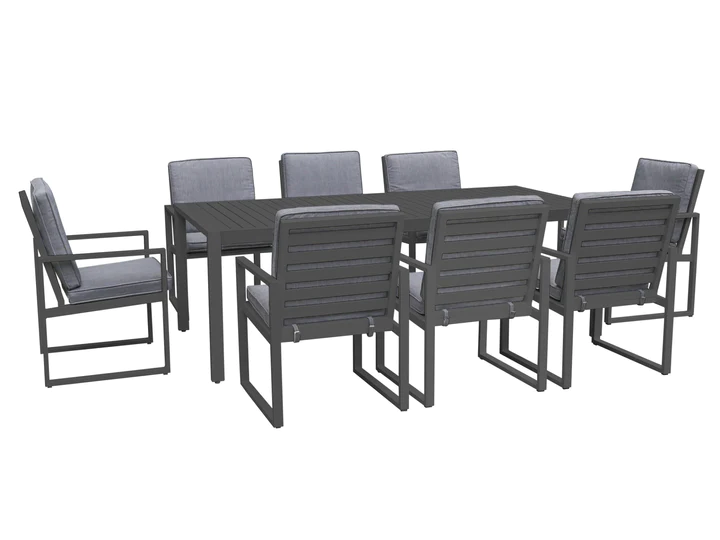
When selecting cushions for your aluminum chairs, it’s important to consider both the thickness and material to ensure optimal comfort and durability. Here are some tips to help you choose the right cushion thickness and material for your aluminum chairs:
1. Consider Comfort:
The cushion thickness plays a crucial role in providing comfort while seated. Thicker cushions generally offer more padding and support. However, keep in mind that the ideal thickness may vary depending on personal preferences. Consider how soft or firm you want the seating experience to be and choose a cushion thickness accordingly. It’s also helpful to test different thicknesses to determine your preferred level of comfort.
2. Assess Chair Design:
Take into account the design and shape of your aluminum chairs. Some chairs have contoured seats or curved backs, which may require cushions of specific thicknesses to fit properly. Measure the dimensions of the chair’s seating area and backrest to ensure the cushions you select are suitable in size and shape.
3. Consider Intended Use:
Think about how you plan to use the aluminum chairs. If they are primarily for dining purposes, thinner cushions may be more suitable as they provide a more streamlined look and are easier to maneuver. Thicker cushions, on the other hand, are often preferred for lounging or relaxing chairs, offering additional plushness and support.
4. Choose Durable Materials:
When it comes to cushion materials, durability is key. Opt for fabrics that are specifically designed for outdoor use and can withstand exposure to sunlight, moisture, and other outdoor elements. Materials such as Sunbrella or solution-dyed acrylic fabrics are known for their fade resistance and durability. They are also typically water-resistant or have quick-drying properties, which helps prevent mold or mildew growth.
5. Consider Maintenance:
Think about the maintenance requirements of the cushion materials. Choose materials that are easy to clean and maintain, as outdoor cushions are prone to spills, stains, and dirt. Look for cushions with removable covers that can be machine-washed or easily spot-cleaned. This makes it convenient to keep the cushions looking fresh and clean throughout their lifespan.
6. Personalize with Style:
Lastly, consider the aesthetic aspect of the cushions. Choose colors, patterns, and textures that complement your outdoor space and personal style. Cushions can add a pop of color or enhance the overall design of your aluminum chairs, so select options that align with your aesthetic preferences.
By considering the comfort, chair design, intended use, durability, maintenance, and style, you can select the right cushion thickness and material for your aluminum chairs. Remember to review product descriptions, customer reviews, and consult with retailers or manufacturers for specific recommendations based on your chairs’ model and design.
Where can I get advice on choosing the right aluminum chair design for my backyard?
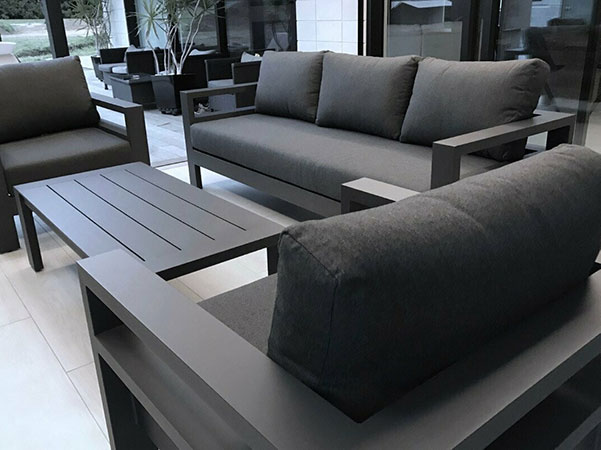
If you’re looking for advice on choosing the right aluminum chair design for your backyard, there are several sources you can consider:
1. Furniture Retailers:
Visit furniture retailers that specialize in outdoor furniture. These retailers often have a wide selection of aluminum chairs and knowledgeable staff who can provide guidance on choosing the right design for your backyard. They can assist you in understanding the various features, styles, and functionalities of different aluminum chair designs and help you find options that fit your specific needs and preferences.
2. Online Home and Garden Forums:
Participate in online home and garden forums or communities where you can seek advice from experienced homeowners or outdoor enthusiasts. These platforms allow you to ask questions, share ideas, and receive recommendations from people who have firsthand experience with aluminum chairs in backyard settings. You can learn from their insights, get design inspiration, and gather practical tips for selecting the right chair design for your specific backyard space.
3. Interior Design and Home Décor Websites:
Explore interior design and home décor websites that feature outdoor spaces and provide inspiration and guidance on choosing furniture. These websites often showcase different backyard designs and offer advice on selecting furniture pieces, including aluminum chairs, that complement the overall aesthetic and functionality of outdoor areas. You can gather ideas and learn about popular trends to help you make an informed decision.
4. Professional Designers and Landscape Architects:
If you want personalized advice and guidance, consider consulting with professional designers or landscape architects. These experts have extensive knowledge and experience in creating functional and visually appealing outdoor spaces. They can assess your backyard, understand your specific requirements, and provide tailored recommendations on the right aluminum chair design that complements your overall outdoor design scheme, fits the available space, and meets your desired functionality.
5. Online Reviews and Ratings:
Read online reviews and ratings of different aluminum chair designs. Websites like Amazon, furniture retailer websites, and other online marketplaces often feature customer reviews and ratings for specific chair models. By reading these reviews, you can gain insights into the comfort, durability, and overall satisfaction of other customers who have purchased and used the chairs in their backyards.
By exploring these different sources, you can gather advice, recommendations, and insights to help you choose the right aluminum chair design for your backyard. Remember to consider factors such as comfort, style, durability, and how well the design aligns with your overall outdoor aesthetics and functional needs.

Where can I find information on cleaning and maintaining aluminum chairs for longevity?
If you’re looking for information on cleaning and maintaining aluminum chairs to ensure their longevity, there are several sources where you can find valuable guidance. Here are some avenues to explore:
1. Manufacturer’s Instructions:
The manufacturer of your aluminum chairs is often the best source of information on cleaning and maintenance. Check the product packaging or the manufacturer’s website for any specific instructions or recommendations they provide. They may offer guidelines on the appropriate cleaning products to use, recommended cleaning frequency, and any precautions to take to prolong the lifespan of your chairs.
2. Online Resources:
There are numerous online resources that provide comprehensive guides on cleaning and maintaining aluminum furniture. Look for reputable websites that specialize in outdoor furniture care or general household maintenance. These resources often outline step-by-step cleaning procedures, tips on removing stains or grime, and suggestions for protecting aluminum chairs from environmental factors such as sun exposure or moisture.
3. Home and Garden Magazines:
Home and garden magazines frequently feature articles on outdoor furniture care and maintenance. Browse through these publications, either in print or online, to find expert advice and tips on cleaning and maintaining aluminum chairs. These articles may include specific product recommendations or techniques to keep your chairs looking their best.
4. Video Tutorials:
Video tutorials on platforms like YouTube can be a helpful resource for visual demonstrations of cleaning and maintenance techniques for aluminum chairs. Many content creators share their expertise and provide step-by-step instructions on how to clean, polish, and protect aluminum furniture. Watching these tutorials can give you a better understanding of the process and help you learn useful tips and tricks.
5. Local Retailers:
Visit local retailers that specialize in outdoor furniture and inquire about cleaning and maintenance recommendations for aluminum chairs. The staff may be knowledgeable about the specific products or techniques that work well for aluminum furniture in your region. They can provide you with advice tailored to your local climate and environmental conditions.
When cleaning and maintaining aluminum chairs, it’s important to follow the instructions provided and use appropriate cleaning products and tools. Avoid using abrasive materials or harsh chemicals that can damage the finish or surface of the chairs. Regular cleaning and proactive maintenance, such as applying protective coatings or storing the chairs properly during harsh weather, can significantly extend the lifespan of your aluminum chairs.
By consulting these various sources, you can find reliable information and expert tips on cleaning and maintaining aluminum chairs, ensuring that they remain in excellent condition and last for many years to come.
editor by CX 2023-11-28
China wholesaler Gold Color CHINAMFG Metal Chiavari Hotel Dining Chairs vacuum pump engine
Product Description
Wholesale Gold Color CHINAMFG Metal Chiavari Hotel Chairs
HangZhou & TOREGAL
( Since 1990 )
XIHU (WEST LAKE) DIS. CITY HangZhou- Professional Hotel Chair Manufacturer in China since the year 1990…
Buy Hotel Chairs from manufactuer directly! High quality with reasonable price will bring you more benifits!
Product Description
|
Material |
Aluminum Chiavari Chair |
|
Chair Size |
380W*400D*440SH*920H mm |
|
Tube Size |
Dia 27 * Thickness 1.80 mm |
|
Tube Color |
White.Gold,Silver,Black,Wine red is available. |
|
Finish |
Spray Painting.Powder Coating is Available. |
|
Seat Cushion |
Comfortable and High Density Sponge |
|
Net Weight |
3.2KG |
|
Gross Weight |
3.5KG |
|
Plugs&studs |
Plastic,durable,stackable |
|
Stack |
10pcs/stack or 12pcs/stack.Stackable design to save space and shipping costs. |
|
Packaging |
1.Bubble bag packing the backrest and chair leg for each pcs firstly,to protect the surface. |
|
2.Stack the chairs in 10pcs -12pcs in 1 stack. |
|
|
3.Firmly lashed down with rope. |
|
|
4.Packing by a big stronger bubble bag and a big stronger plastic bag to avoid the hit in transportation.Stackable design to save space and shipping costs. |
|
|
Loading |
450pcs/20’FT 900pcs/40’FT 1300pcs/40’HC |
|
Delivery time |
15 days for 1000pcs,delivery on time |
|
Handwork |
Profession staff to weld and grind. |
|
Guarantee |
3 years |
|
Payment |
TT Payment.30% deposit must be prepaid before production,70% balance need to be prepaid before shipment. |
|
Payment terms |
EXW,FOB,CIF,etc. It just depends on you. |
Packaging & Shipping
Quality Control
Company Information
Xihu (West Lake) Dis. City HangZhou Iron And Wood Products Factory is located in the scenic suburb of HangZhou – Xihu (West Lake) Dis. Pu Xihu (West Lake) Dis. , 15 km away from HangZhou International Airport , 30 km away from HangZhou Port . At present the factory covers an area of 40 acres , 20 million yuan in fixed assets , more than 200 workers , plant construction area of 20,000 square meters.
High quality is our constant pursuit !At present our products have passed quality furniture EU, the U.S. and other countries tested , safe and reliable quality.
| Style: | Modern |
|---|---|
| Material: | Metal |
| Usage: | Hotel |
| Armrest: | Without Armrest |
| Color: | Gold Aluminum Chiavari Chair |
| Folded: | Unfolded |
| Customization: |
Available
|
|
|---|
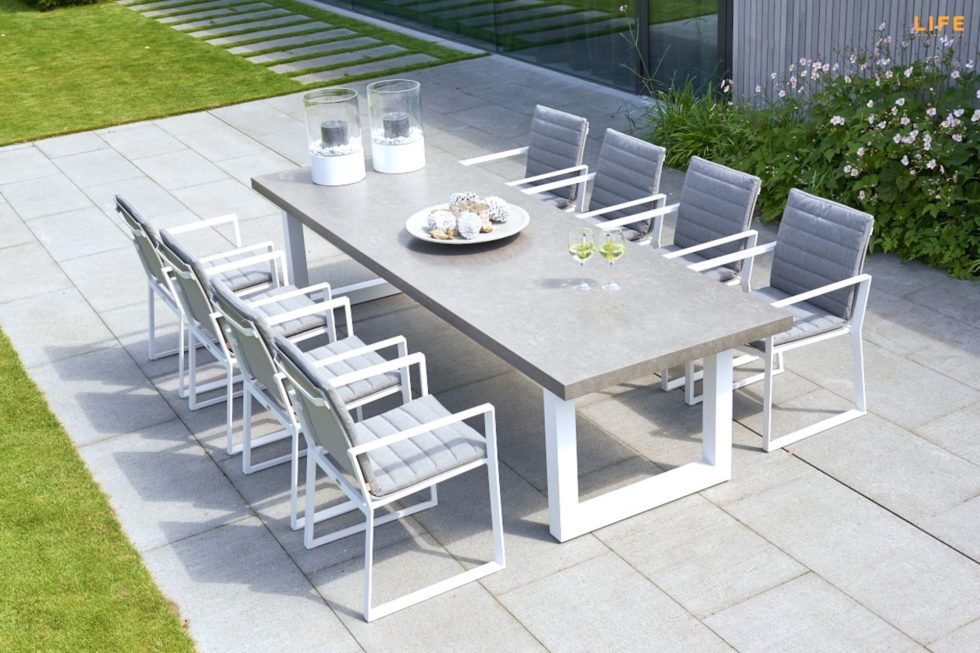
What are the best practices for storing aluminum chairs during the winter months?
When it comes to storing aluminum chairs during the winter months, it’s important to follow certain best practices to protect them from potential damage caused by cold temperatures, moisture, and harsh weather conditions. Here are some recommended practices for storing aluminum chairs during winter:
1. Clean and Dry:
Before storing your aluminum chairs, make sure to clean them thoroughly. Remove any dirt, debris, or stains using a mild soap and water solution. Allow the chairs to dry completely before proceeding with the storage process. Moisture can lead to corrosion or mold growth, so it’s crucial to ensure the chairs are fully dry.
2. Disassemble if Necessary:
If your aluminum chairs have removable parts or cushions, consider disassembling them before storage. This will help save space and prevent any damage during the storage period. Keep all the components organized and labeled to easily reassemble the chairs when the warmer season arrives.
3. Choose a Suitable Storage Location:
Find a dry and well-ventilated storage location for your aluminum chairs. Ideally, an indoor storage area such as a garage, basement, or shed is preferred. If indoor storage is not possible, consider using weatherproof covers or placing the chairs under a sturdy, waterproof tarp to protect them from direct exposure to rain, snow, and extreme weather conditions.
4. Elevate and Protect:
Avoid storing aluminum chairs directly on the ground, especially if the storage area is prone to moisture. Place the chairs on elevated surfaces such as wooden pallets, shelves, or storage racks. This helps promote air circulation and prevents moisture accumulation. Additionally, consider using furniture covers or blankets to provide an extra layer of protection against dust and potential scratches.
5. Avoid Stacking:
Stacking aluminum chairs during storage can lead to dents, scratches, or damage to the finish. If you need to conserve space, consider using chair storage racks or investing in stackable chairs specifically designed for efficient storage. If stacking is unavoidable, place protective padding or towels between the chairs to minimize contact and reduce the risk of damage.
6. Regular Inspection:
Periodically inspect your stored aluminum chairs throughout the winter months. Check for signs of moisture, mold, or pest infestation. If any issues are detected, address them promptly to prevent further damage. Additionally, ensure that the storage area remains dry and well-maintained to preserve the condition of the chairs.
By following these best practices, you can help ensure that your aluminum chairs remain in good condition during the winter months and are ready to be enjoyed again when the warmer weather returns.
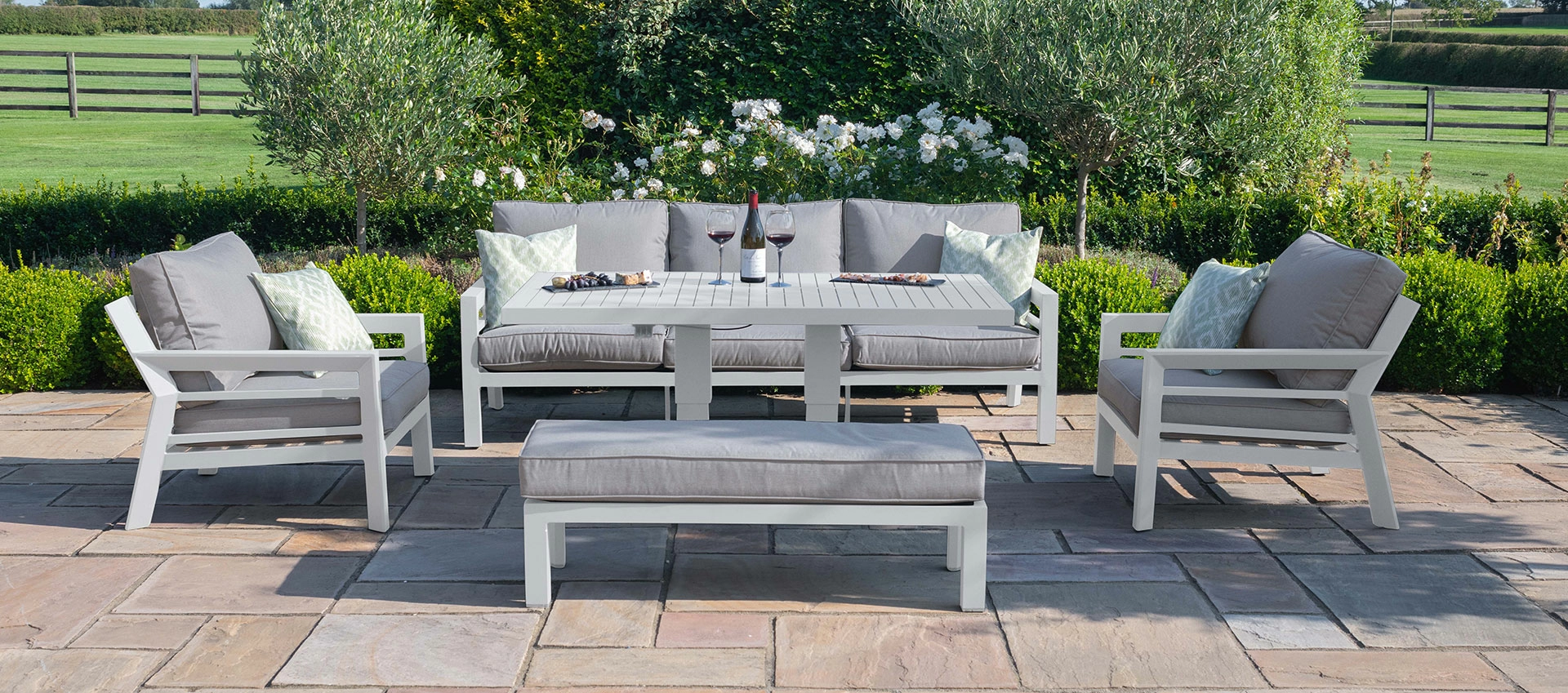
What are the weight limits for different types of aluminum chairs?
The weight limits for different types of aluminum chairs can vary depending on various factors such as chair design, construction, and intended use. Here are some general guidelines for weight limits:
1. Dining Chairs:
Most standard aluminum dining chairs have a weight limit ranging from 250 to 300 pounds (113 to 136 kilograms). These chairs are designed for regular dining use and typically have a sturdy frame to support average adult weights.
2. Lounge Chairs:
Aluminum lounge chairs, which are designed for relaxation and reclining, often have higher weight limits compared to dining chairs. The weight limits for aluminum lounge chairs can range from 300 to 400 pounds (136 to 181 kilograms) or more. Lounge chairs with reinforced frames or additional support structures may have even higher weight capacities.
3. Stackable Chairs:
The weight limits for stackable aluminum chairs can vary depending on their specific design and construction. In general, stackable chairs have weight limits similar to dining chairs, typically ranging from 250 to 300 pounds (113 to 136 kilograms). However, it’s important to check the manufacturer’s specifications for each individual chair model, as weight limits can vary.
4. Outdoor Folding Chairs:
Outdoor folding chairs made of aluminum often have weight limits similar to stackable or dining chairs. The weight limits for these chairs typically range from 200 to 250 pounds (91 to 113 kilograms). Folding chairs with reinforced frames or additional support features may have higher weight capacities.
It’s important to note that these weight limits are general guidelines and may vary depending on the specific brand, model, and construction quality of the aluminum chairs. Additionally, factors such as how the chairs are used, the distribution of weight, and the durability of the materials can also impact the weight limits. It’s always recommended to refer to the manufacturer’s specifications and guidelines for the specific aluminum chairs you are considering to ensure they can safely accommodate the intended users.
By considering weight limits and choosing aluminum chairs that can comfortably support the weight of the users, you can ensure the durability and safety of the chairs for long-term use.

What are the advantages of choosing aluminum chairs over other materials for patio furniture?
When selecting patio furniture, choosing aluminum chairs offers several advantages over other materials. Here are some key benefits of opting for aluminum chairs:
1. Durability:
Aluminum is known for its exceptional durability. It is resistant to rust, corrosion, and fading, making it well-suited for outdoor use. Aluminum chairs can withstand various weather conditions, including rain, sunlight, and humidity, without deteriorating or requiring extensive maintenance. This durability ensures that your patio furniture will last for years, providing long-term value.
2. Lightweight:
Compared to many other materials used for patio furniture, aluminum is lightweight. This makes aluminum chairs easy to move and rearrange on your patio or deck. The lightweight nature of aluminum also makes it convenient for storage during the offseason or when not in use. You can effortlessly transport the chairs to different areas of your outdoor space based on your needs and preferences.
3. Strength:
Although aluminum is lightweight, it is also remarkably strong. Aluminum chairs can support a significant amount of weight without compromising their structural integrity. This strength ensures that the chairs can accommodate different body types and provide stability and comfort for users.
4. Low Maintenance:
One of the advantages of aluminum chairs is their low maintenance requirements. Unlike wood furniture that may need regular staining or sealing, or wrought iron furniture that may require painting to prevent rust, aluminum chairs typically only require simple cleaning with mild soap and water. The inherent resistance of aluminum to rust and corrosion minimizes the need for extensive upkeep, saving you time and effort.
5. Versatility:
Aluminum chairs come in a wide range of styles, designs, and finishes, offering versatility to suit various outdoor aesthetics. Whether you prefer a modern, contemporary, or traditional look, you can find aluminum chairs that complement your patio or deck. Additionally, aluminum can be easily shaped and formed, allowing for intricate designs and customization options.
6. Cost-Effective:
Aluminum chairs are often more affordable compared to furniture made from other materials such as teak or wrought iron. While prices can vary based on the design and features, aluminum chairs provide a cost-effective option for outdoor seating without compromising on quality or durability. This affordability makes aluminum chairs a popular choice for those seeking budget-friendly patio furniture.
7. Heat Resistance:
Aluminum has excellent heat resistance properties. It does not absorb or retain heat as much as some other materials, such as metal or plastic. This means that aluminum chairs will remain comfortable to sit on even during hot summer days, and you won’t experience discomfort from the heat transferring through the furniture.
By choosing aluminum chairs for your patio furniture, you benefit from their durability, lightweight nature, strength, low maintenance requirements, versatility, cost-effectiveness, and heat resistance. These advantages make aluminum an excellent choice for outdoor seating that can withstand the elements while providing comfort and style.
editor by CX 2023-11-28
China Standard Modern Simple Hotel Desk Outdoor Garden Furniture manufacturer
Product Description
| Material standard | |||
| aaaaaaaaasadsadasdsasdasdsdasdsdsdsds | |||
| Solid wood: | Ash,teak,oak,mahogany,beech,walnut,pine,etc.. all woods are strictly dried,and the moisture content of the real wood is 8%. | ||
| Panel: | Laminate,plywood,fireproof board,high-density fiberboard,etc..all substrates meet the national E1 environmental protection standard. | ||
| Veneer: | Natural veneer or technical veneer,and the hotel double bedroom and double room furniture are all made of thick veneer which is thicker than or equal to 0.6mm. | ||
| Hardware: | Hinges,drawer slides and other connecting parts are all using famous Chinese brands such as DTC,HAFELE,etc.. | ||
| Coating: | ZheJiang famous brand “Baichuan” wood coating. | ||
| Upholstered: | 25-60 density high rebound sponge,Leather,Fabric with flame retardant standards. | ||
| Stone: | Choosing artificial marble or natural marble. | ||
| Metal: | Iron,201 and 304 stainless steel. | ||
| Glass: | 5mm-10mm transparent or colored tempered glass. | ||
Our Service:
1.Come to us with your designs and detailed requirements, we will work on them or bring the vision you have in mind CHINAMFG paper.
2.Be it stone,glass or resin,we will try our best to source for materials that match your specifications for the best prices.
3.We will produce mock-up pieces for your furniture designs and undergo a review session before approval for bulk production.
4.Under our control over manufacturing and quality, we are able to ensure the quality of every single piece that comes out from our factory.
5.To save you the hassle of handling products from multiple sources, we offer our facilties as the consolidation point of storage and shipping,We ship to anywhere in the world.
6.Our job does not stop after delivery and installation. We will visit your site personally to ensure everything is to your satisfaction.
7.We believe the quality of our products,a warranty of 5 year is given to everything we manufacture.
We look CHINAMFG to building trust and long-lasting relationships with every single client.
FAQ:
1.Can you furnished my hotel with furniture decoration plan?
Yes,We will match your idea, match the style of the decoration you want, and all kinds of star hotel engineering cases for you to refer to and improve your idea.All the furniture sizes can be tailored to the actual space in your hotel.
2.Is there a showroom in the factory?
Yes, about 30000 square showrooms are in our factory. There are all kinds of furniture for your reference, such as lobby furniture, outdoor furniture, restaurant furniture, and more than 10 different decoration styles of hotel bedroom furniture and so on.
3.What is your minimum order quantity?
It is based on your furniture type, such as a restaurant chair at least 50 orders, the minimum quantity of furniture in the hotel room is 10 sets.
4.How long is your delivery time?
After we charge a deposit of 30%, the 2 sides confirm the drawings, and then produce the samples, and confirm that they are correct. The shipment will take 30-60 days.
5.What kind of payment terms do you offer?
We can provide all terms of payment,Such as T / T, L / C, and so on.
Any question please feel free to contact me.
I will be glad to be your assistant.
| Material: | Solid Wood |
|---|---|
| Style: | Customer Required |
| Type: | Customer Required |
| Folded: | Unfolded |
| Armrest: | Without Armrest |
| Customized: | Customized |
| Customization: |
Available
|
|
|---|
What are the advantages of using teak wood for garden furniture?
Teak wood is a popular choice for garden furniture due to its numerous advantages. Here are some key advantages of using teak wood for your garden furniture:
1. Natural Durability:
Teak wood is naturally durable and known for its exceptional strength and resistance to outdoor elements. It contains natural oils that act as a protective barrier against moisture, pests, and rot. These properties make teak wood highly suitable for outdoor use, as it can withstand exposure to rain, sun, and fluctuating temperatures.
2. Weather Resistance:
Teak wood’s natural oils also contribute to its excellent weather resistance. It is highly resistant to warping, cracking, and splitting, even when exposed to harsh weather conditions. This makes teak wood an ideal choice for garden furniture that needs to withstand the elements year-round.
3. Low Maintenance:
Teak wood requires minimal maintenance compared to other types of wood. Its natural oils help preserve the wood’s integrity and protect it from moisture damage, reducing the need for frequent sealing or staining. Simply cleaning the furniture periodically with mild soap and water is usually sufficient to maintain its appearance.
4. Longevity:
Teak wood is renowned for its longevity. When properly cared for, teak furniture can last for many years, often outlasting other types of outdoor furniture materials. Its durability and resistance to decay make it a long-term investment for your garden.
5. Aesthetic Appeal:
Teak wood has a beautiful natural golden hue that weathers to an attractive silver-gray patina over time. Many people appreciate the warm and timeless appearance of teak furniture, which can enhance the aesthetic appeal of any garden or outdoor space.
6. Versatility:
Teak wood’s versatility is another advantage. It can be easily crafted into various furniture designs, ranging from classic to contemporary styles. Whether you prefer traditional or modern aesthetics, teak furniture can complement a wide range of outdoor settings and personal preferences.
7. Sustainable and Eco-Friendly:
Teak wood is often sourced from sustainable plantations and is considered an eco-friendly choice for furniture. Well-managed teak plantations ensure the replenishment of trees and promote responsible forestry practices.
8. Investment Value:
Teak furniture is often regarded as an investment due to its durability and longevity. While the initial cost of teak furniture may be higher compared to some other materials, its longevity and minimal maintenance requirements can make it a cost-effective choice in the long run.
These advantages make teak wood a highly desirable option for garden furniture. Its natural durability, weather resistance, low maintenance, longevity, aesthetic appeal, versatility, sustainability, and investment value combine to create a compelling choice for outdoor furniture that can withstand the test of time.
How do I revive old or worn-out garden furniture to extend its lifespan?
If you have old or worn-out garden furniture, there are several steps you can take to revive it and extend its lifespan. By giving your furniture some attention and care, you can restore its appearance, functionality, and durability. Here’s how you can revive old or worn-out garden furniture:
1. Clean the Furniture:
Start by thoroughly cleaning the furniture to remove dirt, grime, and any existing coatings. Use a mild detergent or a specialized cleaner suitable for the furniture material. Scrub the surfaces with a soft brush or sponge, and rinse with water. Cleaning the furniture will help reveal its true condition and prepare it for further restoration steps.
2. Repair Damaged Parts:
Inspect the furniture for any damaged or broken parts, such as loose joints, cracked wood, or rusted metal. Repair or replace these parts as necessary. Tighten screws, apply wood glue to loose joints, and use appropriate repair techniques for different materials. This step will help ensure the structural integrity of the furniture and prevent further damage.
3. Sand the Surfaces:
If the furniture has a worn or rough surface, sanding can help smooth it out and prepare it for refinishing. Use sandpaper with an appropriate grit for the furniture material. Sand in the direction of the wood grain or follow the manufacturer’s recommendations for other materials. Sanding will remove imperfections, old finishes, and provide a clean surface for the next steps.
4. Apply a Fresh Finish:
Consider applying a fresh finish to protect and enhance the appearance of the furniture. The type of finish will depend on the furniture material. For wooden furniture, options include varnish, paint, or stain. Metal furniture may require a rust-resistant primer and paint. Follow the manufacturer’s instructions and apply multiple coats for better durability.
5. Replace or Reupholster Cushions:
If your garden furniture has cushions that are worn-out or faded, consider replacing or reupholstering them. Look for outdoor-grade fabric that is resistant to UV rays and moisture. Measure the dimensions of the cushions and sew or have them professionally reupholstered. This will give your furniture a fresh and comfortable look.
6. Apply Protective Coatings:
To further extend the lifespan of your furniture, consider applying protective coatings. For wooden furniture, use a wood sealer or exterior-grade varnish to protect it from moisture and UV damage. Metal furniture can benefit from a clear coat or rust-resistant spray to prevent corrosion. These coatings will help maintain the appearance and integrity of the furniture.
7. Store Properly:
When not in use, store your garden furniture properly to protect it from harsh weather conditions. If possible, cover the furniture with a waterproof cover or move it to a covered area. Storing furniture indoors during the winter or extreme weather can significantly extend its lifespan.
8. Regular Maintenance:
Maintain your revived furniture by regularly cleaning it and performing minor repairs as needed. Keep an eye out for signs of wear or damage and address them promptly. By maintaining your furniture, you can ensure its longevity and enjoy it for years to come.
By following these steps, you can breathe new life into your old or worn-out garden furniture and extend its lifespan, saving both money and resources in the process.
What types of cushions and fabrics are ideal for garden furniture?
When choosing cushions and fabrics for your garden furniture, it’s important to consider durability, weather resistance, comfort, and ease of maintenance. Here are some types of cushions and fabrics that are ideal for garden furniture:
1. Outdoor-Specific Fabrics:
Look for fabrics specifically designed for outdoor use. These fabrics are typically made from synthetic materials that are resistant to fading, mold, mildew, and moisture. They are often treated to be UV-resistant, which helps prevent color fading due to sun exposure. Examples of outdoor-specific fabrics include solution-dyed acrylic, polyester, or vinyl-coated fabrics.
2. Sunbrella:
Sunbrella is a well-known brand of outdoor fabric that is highly durable and fade-resistant. It is made from solution-dyed acrylic fibers, which are known for their resistance to UV rays, moisture, and stains. Sunbrella fabrics come in a wide range of colors and patterns, allowing you to find options that suit your style.
3. Olefin:
Olefin is another popular synthetic fabric for outdoor use. It is resistant to water, stains, and fading. Olefin fabric is often used for cushions and upholstery due to its durability and affordability. It is available in a variety of colors and patterns.
4. Quick-Drying Foam:
When it comes to cushion fillings, quick-drying foam is an excellent choice for garden furniture. This type of foam has an open-cell structure that allows water to drain quickly, preventing the buildup of moisture. Quick-drying foam helps keep your cushions dry and prevents the growth of mold or mildew.
5. Water-Resistant Cushion Covers:
Ensure that your cushion covers are water-resistant to protect the foam filling from getting wet. Look for covers made from fabrics that repel water and are easy to clean. Water-resistant cushion covers help maintain the integrity of the cushions and make them more resistant to the outdoor elements.
6. Removable and Washable Covers:
Opt for cushions with removable and washable covers. This allows you to easily clean the fabric and remove any stains or dirt that may accumulate over time. Removable covers also give you the flexibility to change the look of your garden furniture by swapping out covers or patterns.
7. Mildew-Resistant Materials:
Choose fabrics and cushion fillings that are resistant to mildew. Mildew can thrive in damp environments, so selecting materials that inhibit its growth is important for maintaining a clean and hygienic outdoor seating area.
When selecting cushions and fabrics for your garden furniture, consider the specific climate and weather conditions in your area. Additionally, follow the manufacturer’s instructions for care and maintenance to ensure the longevity of your cushions and fabrics.
editor by CX 2023-11-28
China manufacturer 2.7 Meter Steel Iron Promotion Patio Sun Umbrella Garden Parasol Sunshade Outdoor Furniture Covers (without stone base) vacuum pump oil near me
Product Description
| Material | Steel frame structure Crank open Powder coating, rust-proof and high rigidity Fabric: 230g/sqm polyester, PU Coated and waterproof,UV resistant Base: with tube bar, without stone |
| Description | 2.7 patio umbrella |
| Color | Khaki,Red,Beige,Dark green, |
| Product size | Dia 270cm 1 inch=2.54cm |
| Packing size | 195*33*14cm |
| G.W./N.W | 10/9kgs |
The Stability Metal Frame Outdoor Umbrella is a high-quality and durable outdoor shade solution that is perfect for your garden, pool area, or patio. This patio umbrella features a sturdy metal frame that provides CHINAMFG support and stability, even during harsh weather conditions. This outdoor umbrella is available in multiple colors, giving you the freedom to choose the 1 that best suits your style and preferences. It has a generous 9ft diameter canopy that offers CHINAMFG shade and protection from the sun’s harmful rays, making it perfect for keeping you comfortable and cool during hot summer days. Additionally, this patio umbrella is designed with an easy-to-operate crank handle that allows you to quickly open and close the canopy to adjust the amount of shade needed. It can also be adjusted to various angles, giving you complete control over the direction and amount of shade. The fabric used for the canopy is highly resistant to fading, mold, and mildew, ensuring its longevity and beauty. The canopy is also CHINAMFG from high-quality CHINAMFG that are designed to withstand harsh weather conditions, so you don’t have to worry about the umbrella getting damaged during heavy rainfall or strong winds. This metal frame outdoor umbrella is easy to assemble and disassemble, making it convenient for storage when not in use. It is also easy to clean and maintain, requiring only minimal cleaning to keep it looking its best. Overall, the Stability Metal Frame Outdoor Umbrella is a practical and stylish investment that will add value to your outdoor living space. With its CHINAMFG construction, customizable design, and easy-to-use features, this outdoor umbrella is perfect for anyone who wants to enjoy their garden or pool area without having to worry about the sun’s harmful effects.
Contact Information:
Company Name: HangZhou CHINAMFG Furniture Co.,Ltd
Add: Lousha Industrial Zone, Lecong, Xihu (West Lake) Dis. District, HangZhou, China.
| MOQ: | 50 |
|---|---|
| General Use: | Home, Outdoor, Garden, Hotel, Resort, |
| Delivery Time: | 7-30days |
| OEM/ODM: | Welcome |
| Transport Package: | Carton |
| Specification: | size can be customized |
| Samples: |
US$ 100.00/Piece
1 Piece(Min.Order) | |
|---|
| Customization: |
Available
|
|
|---|

How can I prevent outdoor furniture from fading in the sun?
To prevent outdoor furniture from fading in the sun, you can take several measures to protect the furniture and extend its lifespan. Here are some tips to consider:
1. Choose Fade-Resistant Materials:
Opt for outdoor furniture made from fade-resistant materials. Look for materials specifically designed to withstand sun exposure, such as UV-resistant plastics, fade-resistant fabrics, or furniture with a protective coating.
2. Apply UV-Protective Sealants:
Coat your outdoor furniture with a UV-protective sealant or finish. These products create a barrier between the furniture and the sun’s UV rays, helping to prevent fading and discoloration.
3. Use Protective Covers:
When the furniture is not in use, cover it with protective covers specifically designed for outdoor furniture. These covers help shield the furniture from direct sunlight and other elements, preventing fading and damage.
4. Provide Shade:
Position your outdoor furniture in shaded areas whenever possible. Natural shade provided by trees or umbrellas can help reduce the direct exposure to sunlight, minimizing the risk of fading.
5. Utilize Umbrellas or Canopies:
Consider incorporating umbrellas or canopies into your outdoor furniture setup. These shade-providing structures can be adjusted to block the sun’s rays and protect the furniture from excessive exposure.
6. Rearrange Furniture Periodically:
Rotate and rearrange your outdoor furniture periodically. This helps distribute the effects of sun exposure more evenly across the furniture, preventing specific areas from fading more quickly than others.
7. Clean and Maintain Regularly:
Keep your outdoor furniture clean and well-maintained. Regularly remove dirt, debris, and stains, as they can contribute to the fading process. Follow the manufacturer’s instructions for proper cleaning and maintenance.
8. Store During Extreme Weather:
If possible, store your outdoor furniture indoors or in a covered area during extreme weather conditions, such as intense sunlight or heavy rain. This provides additional protection and extends the life of the furniture.
9. Consider Retractable Awnings or Sunshades:
If you have a larger outdoor space, consider installing retractable awnings or sunshades. These adjustable covers can be extended to block the sun’s rays when needed, protecting the outdoor furniture from excessive sunlight.
By implementing these preventive measures, you can significantly reduce the risk of fading and keep your outdoor furniture looking vibrant and beautiful over time.
What should I look for in outdoor furniture covers to protect against rain and sun?
When selecting outdoor furniture covers to protect against rain and sun, there are several factors to consider. Here are some key features to look for:
1. Waterproof or Water-Resistant Material: Look for covers made from waterproof or water-resistant materials to protect your outdoor furniture from rain. Materials such as polyester, vinyl, or specially coated fabrics are effective in repelling water and preventing it from seeping through the cover and damaging the furniture.
2. UV Protection: Sun exposure can cause fading, discoloration, and deterioration of outdoor furniture. Ensure that the covers you choose offer UV protection to shield your furniture from harmful UV rays. Look for covers made from materials with UV-resistant coatings or those specifically designed to block UV radiation.
3. Durable Construction: Outdoor furniture covers should be constructed with durable materials and strong stitching to withstand the elements. Look for covers with reinforced seams and high-quality materials that can resist tearing and abrasion. Reinforced corners or straps can also help secure the covers in place during windy conditions.
4. Proper Fit: It’s important to choose covers that fit your outdoor furniture properly. Covers that are too small may not provide adequate protection, while those that are too large may be prone to being blown away or collecting water. Look for covers with adjustable straps, drawstrings, or elastic hems that allow you to secure them snugly around the furniture.
5. Breathability: While it’s essential for outdoor furniture covers to be waterproof, they should also be breathable to prevent the buildup of condensation and promote airflow. Look for covers with vents or mesh panels that allow moisture to escape, reducing the risk of mold or mildew formation.
6. Ease of Use and Maintenance: Consider covers that are easy to put on and take off your outdoor furniture. Covers with features like zipper closures, Velcro straps, or buckles can make the process more convenient. Additionally, look for covers that are easy to clean and maintain, as they will require periodic washing to remove dirt, debris, and stains.
7. Warranty: Check if the outdoor furniture covers come with a warranty. A warranty indicates that the manufacturer stands behind the quality and durability of their product.
When purchasing outdoor furniture covers, it’s advisable to measure your furniture dimensions accurately and choose covers that are designed for your specific furniture type or style. This will ensure a better fit and optimal protection.
What are the different types of outdoor furniture, such as dining sets and loungers?
Outdoor furniture comes in various types and styles to suit different needs and preferences. Here are some common types of outdoor furniture:
1. Dining Sets: Outdoor dining sets typically consist of a table and chairs designed for outdoor dining. They come in various sizes and materials such as wood, metal, or wicker. Dining sets are ideal for enjoying meals with family and friends in your outdoor space.
2. Loungers and Chaise Lounge: Loungers and chaise lounges are designed for relaxation and sunbathing. They often feature adjustable backrests and can be made from materials like wood, aluminum, or wicker. These pieces are perfect for sunbathing, reading, or taking a nap outdoors.
3. Outdoor Sofas and Sectionals: Outdoor sofas and sectionals provide comfortable seating for lounging and socializing in your outdoor space. They are available in various sizes and configurations, allowing you to customize your seating arrangement. Outdoor sofas and sectionals can be made from materials such as wicker, aluminum, or teak.
4. Outdoor Chairs and Benches: Outdoor chairs and benches are versatile seating options for your outdoor space. They come in different styles, including Adirondack chairs, rocking chairs, and benches. These pieces can be made from materials like wood, metal, or plastic.
5. Outdoor Tables: Outdoor tables are available in different shapes and sizes, including coffee tables, side tables, and accent tables. They can be made from materials such as wood, metal, or glass. Outdoor tables provide surfaces for placing drinks, snacks, or decor items.
6. Outdoor Umbrellas and Shade Structures: Outdoor umbrellas and shade structures offer protection from the sun and provide shade for your outdoor space. They come in various sizes and styles, including market umbrellas, cantilever umbrellas, and pergolas. These structures are often made from materials like aluminum, wood, or fabric.
7. Outdoor Storage: Outdoor storage solutions, such as storage benches or cabinets, are designed to store cushions, pillows, gardening tools, and other outdoor accessories. They provide a convenient storage option while keeping your outdoor space organized.
8. Swings and Hammocks: Swings and hammocks offer a relaxing and playful element to your outdoor space. They come in different designs, including porch swings, hanging hammock chairs, and freestanding hammocks. These pieces are perfect for unwinding and enjoying gentle rocking motions.
These are just a few examples of the different types of outdoor furniture available. When selecting outdoor furniture, consider your space, intended use, and personal preferences to choose the pieces that best suit your needs and style.
editor by CX 2023-11-28
China high quality Kaeser Replacement 636690 OEM Compressor Air Oil Separator 6.3669.0 with Great quality
Product Description
Product:
Kaeser Replacement 636690 OEM Compressor Air Oil Separator 6.3669.0
The oil and gas separation element is a key component that determines the quality of the compressed air of an air compressor. The high-quality oil and gas separation element can not only ensure the high efficiency of the compressor, but also the life of the filter element can reach thousands of hours. The compressed air from the compressor head entrains oil droplets of various sizes. Large oil droplets are easily separated when passing through the oil-gas separation tank, while small oil droplets (suspended oil particles below 1um in diameter) must be filtered through the CHINAMFG and glass fiber filter layer of the oil-gas separation filter. The oil particles are directly intercepted by the filter material through the diffusion effect of the filter material, and the mechanism of inertial collision condensation makes the suspended oil particles in the compressed air quickly condense into large oil droplets. Under the action of gravity, the oil collects at the bottom of the oil core and passes through the bottom. The inlet of the oil return pipe in the recess returns to the lubricating oil system of the machine head, so that the compressor discharges more pure and oil-free compressed air. The CHINAMFG particles in the compressed air pass through the oil core and stay in the filter layer, which causes the pressure difference (resistance) of the oil core to increase continuously. As the use time of the oil separation core increases, when the pressure difference of the oil separation core reaches 0.08 to 0.1Mpa, the filter element must be replaced, otherwise the operating cost of the compressor (power consumption) will increase.
| Oil Separator 6.3669.0 Application | ||
| BRAND | MODEL | MOTOR |
| Kaeser | CSD-100S NEW | 75 |
| Kaeser | CSD-125 NEW | 90 |
| Kaeser | SFC-110S NEW | 90 |
| Kaeser | SFC-90S NEW | 75 |
| Kaeser | CSD-100 | 75 |
| Kaeser | CSD-125 | 90 |
| Kaeser | SFC-110S | 90 |
| Kaeser | SFC-90S | 75 |
| Kaeser | CS-91VIDE | – |
| Kaeser | CS-91VIDE | – |
| Kaeser | CS-121 VIDE | – |
| Schulz | SRP1060 | 60 |
| Schulz | SRP1075 | 75 |
| Kaeser | CS-91VIDE | – |
| Kaeser | CS-76VIDE | – |
Detailed Photos:
6.3669.0 Oil Separators Air Compressor Filter
Our products effectively filter out oil filter particles from compressed air. It also adopts standard specification welding technology and two-component adhesive, which has high mechanical strength and can work normally at a high temperature of 120 degrees Celsius.
Product Superiority
Adopt anticorrosion efficient condensation of superfine fiber material as the main body, filter the system filter filter bed combination prediction filter layer, superfine fiber layer, support layer, filter layer and gravity sedimentation, etc, make the compressor output above 3 microns of CHINAMFG particles in the air can filter out, all is the extremely small mu is about 0.01-1 m of the disintegration of oil and gas dissolved in through the filter is condensed into larger droplets, accumulate in the bottom of the filter, again through the return pipe of siphon filter at the bottom of the sunken place back to lubrication system so that the compressor discharge more pure and oil-free compressed air.
Company profile:
Filters are part of the air handling system and can provide the clean compressed air needed to remove oil and impurities. It can be used not only in pneumatic systems and pneumatic tools, but also in food, pharmaceutical and other industries.
Now over 100,000 quality filters including compressed air filters, Hydraulic Filters and complete filter housing assemblies at wholesale discounts. We offer OEM products as well as high quality replacements, engineered to precise OEM specifications and guaranteed to match the exact form, fit and function as the original equipment.
Our company is committed to continuous innovation and further improvement to create, improve the efficiency and productivity of excellence, to achieve the highest level of reliability and performance.
Packing and Delivery :
F.A.Q
Q: What is the online order minimum?
A: Currently our online order minimum is 1 pcs.
Q: Do you sell parts for engine driven portable air compressors too?
A: No, at this time we only carry parts for electric motor driven stationary compressors.
Q: What brands do you carry parts for?
A: We handle replacement parts for every major air compressor manufacturer such as Atlas Copco, Compair, Gardner Denver, Ingersoll Rand, Kaeser, Quincy, Sullair, Worthington and many more. If you don’t see your brand listed, just give us a call and we’ll try to help locate your part.
Q: How long is your delivery time?
A: If there is stock, the lead time is about 2 working days after we get the payment. The specific delivery time depends on models and the quantity of your order.
Certifications:
| Warranty: | 3000-4000h |
|---|---|
| Part Number: | 6.4541.0 |
| Product Name: | Air Oil Separator |
| Application: | Kaeser Air Compressor |
| Size: | Standard Size |
| Color: | Picture Showed |
| Customization: |
Available
|
|
|---|
Can air compressors be used for shipbuilding and maritime applications?
Air compressors are widely used in shipbuilding and maritime applications for a variety of tasks and operations. The maritime industry relies on compressed air for numerous essential functions. Here’s an overview of how air compressors are employed in shipbuilding and maritime applications:
1. Pneumatic Tools and Equipment:
Air compressors are extensively used to power pneumatic tools and equipment in shipbuilding and maritime operations. Pneumatic tools such as impact wrenches, drills, grinders, sanders, and chipping hammers require compressed air to function. The versatility and power provided by compressed air make it an ideal energy source for heavy-duty tasks, maintenance, and construction activities in shipyards and onboard vessels.
2. Painting and Surface Preparation:
Air compressors play a crucial role in painting and surface preparation during shipbuilding and maintenance. Compressed air is used to power air spray guns, sandblasting equipment, and other surface preparation tools. Compressed air provides the force necessary for efficient and uniform application of paints, coatings, and protective finishes, ensuring the durability and aesthetics of ship surfaces.
3. Pneumatic Actuation and Controls:
Air compressors are employed in pneumatic actuation and control systems onboard ships. Compressed air is used to operate pneumatic valves, actuators, and control devices that regulate the flow of fluids, control propulsion systems, and manage various shipboard processes. Pneumatic control systems offer reliability and safety advantages in maritime applications.
4. Air Start Systems:
In large marine engines, air compressors are used in air start systems. Compressed air is utilized to initiate the combustion process in the engine cylinders. The compressed air is injected into the cylinders to turn the engine’s crankshaft, enabling the ignition of fuel and starting the engine. Air start systems are commonly found in ship propulsion systems and power generation plants onboard vessels.
5. Pneumatic Conveying and Material Handling:
In shipbuilding and maritime operations, compressed air is used for pneumatic conveying and material handling. Compressed air is utilized to transport bulk materials, such as cement, sand, and grain, through pipelines or hoses. Pneumatic conveying systems enable efficient and controlled transfer of materials, facilitating construction, cargo loading, and unloading processes.
6. Air Conditioning and Ventilation:
Air compressors are involved in air conditioning and ventilation systems onboard ships. Compressed air powers air conditioning units, ventilation fans, and blowers, ensuring proper air circulation, cooling, and temperature control in various ship compartments, cabins, and machinery spaces. Compressed air-driven systems contribute to the comfort, safety, and operational efficiency of maritime environments.
These are just a few examples of how air compressors are utilized in shipbuilding and maritime applications. Compressed air’s versatility, reliability, and convenience make it an indispensable energy source for various tasks and systems in the maritime industry.
How does the horsepower of an air compressor affect its capabilities?
The horsepower of an air compressor is a crucial factor that directly impacts its capabilities and performance. Here’s a closer look at how the horsepower rating affects an air compressor:
Power Output:
The horsepower rating of an air compressor indicates its power output or the rate at which it can perform work. Generally, a higher horsepower rating translates to a greater power output, allowing the air compressor to deliver more compressed air per unit of time. This increased power output enables the compressor to operate pneumatic tools and equipment that require higher air pressure or greater airflow.
Air Pressure:
The horsepower of an air compressor is directly related to the air pressure it can generate. Air compressors with higher horsepower ratings have the capacity to produce higher air pressures. This is particularly important when operating tools or machinery that require specific air pressure levels to function optimally. For example, heavy-duty pneumatic tools like jackhammers or impact wrenches may require higher air pressure to deliver the necessary force.
Air Volume:
In addition to air pressure, the horsepower of an air compressor also affects the air volume or airflow it can provide. Higher horsepower compressors can deliver greater volumes of compressed air, measured in cubic feet per minute (CFM). This increased airflow is beneficial when using pneumatic tools that require a continuous supply of compressed air, such as paint sprayers or sandblasters.
Duty Cycle:
The horsepower rating of an air compressor can also influence its duty cycle. The duty cycle refers to the amount of time an air compressor can operate continuously before it needs to rest and cool down. Higher horsepower compressors often have larger and more robust components, allowing them to handle heavier workloads and operate for longer periods without overheating. This is particularly important in demanding applications where continuous and uninterrupted operation is required.
Size and Portability:
It’s worth noting that the horsepower rating can also affect the physical size and portability of an air compressor. Higher horsepower compressors tend to be larger and heavier due to the need for more substantial motors and components to generate the increased power output. This can impact the ease of transportation and maneuverability, especially in portable or mobile applications.
When selecting an air compressor, it is essential to consider the specific requirements of your intended applications. Factors such as desired air pressure, airflow, duty cycle, and portability should be taken into account. It’s important to choose an air compressor with a horsepower rating that aligns with the demands of the tools and equipment you plan to operate, ensuring optimal performance and efficiency.
Consulting the manufacturer’s specifications and guidelines can provide valuable information on how the horsepower rating of an air compressor corresponds to its capabilities and suitability for different tasks.
.webp)
What maintenance is required for air compressors?
Maintaining air compressors is essential to ensure their optimal performance, longevity, and safe operation. Regular maintenance helps prevent breakdowns, improves efficiency, and reduces the risk of accidents. Here are some key maintenance tasks for air compressors:
1. Regular Inspection: Perform visual inspections of the air compressor to identify any signs of wear, damage, or leaks. Inspect the compressor, hoses, fittings, and connections for any abnormalities. Pay attention to oil leaks, loose bolts, and worn-out components.
2. Oil Changes: If your air compressor has an oil lubrication system, regular oil changes are crucial. Follow the manufacturer’s recommendations for the frequency of oil changes and use the recommended oil type. Dirty or degraded oil can impact compressor performance and lead to premature wear.
3. Air Filter Cleaning or Replacement: Clean or replace the air filter regularly to ensure proper air intake and prevent contaminants from entering the compressor. Clogged or dirty filters can restrict airflow and reduce efficiency.
4. Drain Moisture: Air compressors produce moisture as a byproduct of the compression process. Accumulated moisture in the tank can lead to rust and corrosion. Drain the moisture regularly from the tank to prevent damage. Some compressors have automatic drains, while others require manual draining.
5. Belt Inspection and Adjustment: If your compressor has a belt-driven system, inspect the belts for signs of wear, cracks, or tension issues. Adjust or replace the belts as necessary to maintain proper tension and power transmission.
6. Tank Inspection: Inspect the compressor tank for any signs of corrosion, dents, or structural issues. A damaged tank can be hazardous and should be repaired or replaced promptly.
7. Valve Maintenance: Check the safety valves, pressure relief valves, and other valves regularly to ensure they are functioning correctly. Test the valves periodically to verify their proper operation.
8. Motor and Electrical Components: Inspect the motor and electrical components for any signs of damage or overheating. Check electrical connections for tightness and ensure proper grounding.
9. Keep the Area Clean: Maintain a clean and debris-free area around the compressor. Remove any dirt, dust, or obstructions that can hinder the compressor’s performance or cause overheating.
10. Follow Manufacturer’s Guidelines: Always refer to the manufacturer’s manual for specific maintenance instructions and recommended service intervals for your air compressor model. They provide valuable information on maintenance tasks, lubrication requirements, and safety precautions.
Regular maintenance is vital to keep your air compressor in optimal condition and extend its lifespan. It’s also important to note that maintenance requirements may vary depending on the type, size, and usage of the compressor. By following a comprehensive maintenance routine, you can ensure the reliable operation of your air compressor and maximize its efficiency and longevity.
editor by CX 2023-11-28
China factory Energy-Saving Electric Screw Air Compressor Permanent Magnet 8bar Screw Blower for Industry Customized air compressor parts
Product Description
Q1: What information do I need to provide to get the suitable machine?
1. How much air delivery capacity ( Unit:CFM or M3/Min )
2 How much working pressure ( Unit:PSI, Bar or Mpa )
3.What is the voltage and frequency of my country of residence ( V/Hz )
4. Whether I need other accessories such as air tank, filters and/or air dryers.
Tell us the answer, we will offer scheme for you!
Q2: What are the general unit conversion?
1bar = 0.1Mpa = 14.5psi 1m³/min = 35.32cfm 1KW = 1.34HP
Q3: Are you factory or trading company?
We are factory. Our factory is located in 39 Xihu (West Lake) Dis. Rd, HangZhou, ZHangZhoug
Q4: Which trade term can you accept?
FOB, CIF, CFR, EXW, etc.
Q5: How long will you take to arrange production?
15 days for Regular Products, 35 days for Customizing Models
SPECIFICATION
| MODEL | LB-10-8 |
| Ambient Temperature | -5ºC to +45 ºC |
| Max Pressure (bar) | 8 |
| Air Delivery (m3/min) | 1.1 |
| Compression Stage | Single Stage Compression |
| Cooling Method | Air Cooled |
| Discharge Temperature (ºC) | ≤ 75ºC |
| Oil Cotent (ppm) | ≤3 |
| Transmission Method | Direct driven |
| Sound Level dB(A) | 66±3 |
| Lubricating Oil Amount | 10L |
| Motor Power | 7.5KW/10HP |
| Motor Level Of Protection | IP23 |
| Voltage | 380V/3ph/50Hz |
| Dimensions (mm) | 810x610x850(L*W*H) |
| Weight | 175KG |
| Discharge Outlet Thread | 1/2” |
| Lubrication Style: | Lubricated |
|---|---|
| Cooling System: | Air Cooling |
| Power Source: | AC Power |
| Installation Type: | Stationary Type |
| Type: | Twin-Screw Compressor |
| Transmission: | Coupling |
| Samples: |
US$ 579/set
1 set(Min.Order) | |
|---|
| Customization: |
Available
|
|
|---|
Can air compressors be used for gas compression and storage?
Yes, air compressors can be used for gas compression and storage. While air compressors are commonly used to compress and store air, they can also be utilized for compressing and storing other gases, depending on the specific application requirements. Here’s how air compressors can be used for gas compression and storage:
Gas Compression:
Air compressors can compress various gases by utilizing the same principles applied to compressing air. The compressor takes in the gas at a certain pressure, and through the compression process, it increases the pressure and reduces the volume of the gas. This compressed gas can then be used for different purposes, such as in industrial processes, gas pipelines, or storage systems.
Gas Storage:
Air compressors can also be used for gas storage by compressing the gas into storage vessels or tanks. The compressed gas is stored at high pressure within these vessels until it is needed for use. Gas storage is commonly employed in industries where a continuous and reliable supply of gas is required, such as in natural gas storage facilities or for storing compressed natural gas (CNG) used as a fuel for vehicles.
Gas Types:
While air compressors are primarily designed for compressing air, they can be adapted to handle various gases, including but not limited to:
- Nitrogen
- Oxygen
- Hydrogen
- Carbon dioxide
- Natural gas
- Refrigerant gases
It’s important to note that when using air compressors for gas compression and storage, certain considerations must be taken into account. These include compatibility of the compressor materials with the specific gas being compressed, ensuring proper sealing to prevent gas leaks, and adhering to safety regulations and guidelines for handling and storing compressed gases.
By leveraging the capabilities of air compressors, it is possible to compress and store gases efficiently, providing a reliable supply for various industrial, commercial, and residential applications.
How do you troubleshoot common air compressor problems?
Troubleshooting common air compressor problems can help identify and resolve issues that may affect the performance and functionality of the compressor. Here are some steps to troubleshoot common air compressor problems:
1. No Power:
- Check the power source and ensure the compressor is properly plugged in.
- Inspect the circuit breaker or fuse box to ensure it hasn’t tripped or blown.
- Verify that the compressor’s power switch or control panel is turned on.
2. Low Air Pressure:
- Check the air pressure gauge on the compressor. If the pressure is below the desired level, the compressor might not be building up enough pressure.
- Inspect for air leaks in the system. Leaks can cause a drop in pressure. Listen for hissing sounds or use a soapy water solution to identify the location of leaks.
- Ensure the compressor’s intake filter is clean and not clogged, as this can restrict airflow and reduce pressure.
3. Excessive Noise or Vibration:
- Inspect the compressor’s mounting and foundation to ensure it is secure and stable. Loose mounts can cause excessive noise and vibration.
- Check for loose or damaged components, such as belts, pulleys, or motor mounts. Tighten or replace as necessary.
- Verify that the compressor’s cooling system, such as the fan or fins, is clean and free from obstructions. Overheating can lead to increased noise and vibration.
4. Air Leaks:
- Inspect all connections, valves, fittings, and hoses for leaks. Tighten or replace any loose or damaged components.
- Apply a soapy water solution to suspected areas and look for bubbles. Bubbles indicate air leaks.
- Consider using thread sealant or Teflon tape on threaded connections to ensure a proper seal.
5. Excessive Moisture in Compressed Air:
- Check the compressor’s drain valve and ensure it is functioning properly. Open the valve to release any accumulated moisture.
- Inspect and clean the compressor’s moisture separator or air dryer, if equipped.
- Consider installing additional filtration or drying equipment to remove moisture from the compressed air system.
6. Motor Overheating:
- Ensure the compressor’s cooling system is clean and unobstructed.
- Check the motor’s air intake vents and clean any dust or debris that may be blocking airflow.
- Verify that the compressor is not being operated in an excessively hot environment.
- Check the motor’s lubrication levels and ensure they are within the manufacturer’s recommended range.
- Consider using a thermal overload protector to prevent the motor from overheating.
If troubleshooting these common problems does not resolve the issue, it may be necessary to consult the manufacturer’s manual or seek assistance from a qualified technician. Regular maintenance, such as cleaning, lubrication, and inspection, can also help prevent common problems and ensure the optimal performance of the air compressor.
.webp)
What are the safety considerations when operating an air compressor?
Operating an air compressor requires careful attention to safety to prevent accidents, injuries, and equipment damage. Here are some important safety considerations to keep in mind:
1. Read the Manual: Before operating an air compressor, thoroughly read and understand the manufacturer’s instruction manual. Familiarize yourself with the specific safety guidelines, recommended operating procedures, and any specific precautions or warnings provided by the manufacturer.
2. Proper Ventilation: Ensure that the area where the air compressor is operated has adequate ventilation. Compressed air can produce high levels of heat and exhaust gases. Good ventilation helps dissipate heat, prevent the buildup of fumes, and maintain a safe working environment.
3. Personal Protective Equipment (PPE): Always wear appropriate personal protective equipment, including safety glasses or goggles, hearing protection, and non-slip footwear. Depending on the task, additional PPE such as gloves, a dust mask, or a face shield may be necessary to protect against specific hazards.
4. Pressure Relief: Air compressors should be equipped with pressure relief valves or devices to prevent overpressurization. Ensure that these safety features are in place and functioning correctly. Regularly inspect and test the pressure relief mechanism to ensure its effectiveness.
5. Secure Connections: Use proper fittings, hoses, and couplings to ensure secure connections between the air compressor, air tools, and accessories. Inspect all connections before operation to avoid leaks or sudden hose disconnections, which can cause injuries or damage.
6. Inspect and Maintain: Regularly inspect the air compressor for any signs of damage, wear, or leaks. Ensure that all components, including hoses, fittings, and safety devices, are in good working condition. Follow the manufacturer’s recommended maintenance schedule to keep the compressor in optimal shape.
7. Electrical Safety: If the air compressor is electric-powered, take appropriate electrical safety precautions. Use grounded outlets and avoid using extension cords unless approved for the compressor’s power requirements. Protect electrical connections from moisture and avoid operating the compressor in wet or damp environments.
8. Safe Start-Up and Shut-Down: Properly start and shut down the air compressor following the manufacturer’s instructions. Ensure that all air valves are closed before starting the compressor and release all pressure before performing maintenance or repairs.
9. Training and Competence: Ensure that operators are adequately trained and competent in using the air compressor and associated tools. Provide training on safe operating procedures, hazard identification, and emergency response protocols.
10. Emergency Preparedness: Have a clear understanding of emergency procedures and how to respond to potential accidents or malfunctions. Know the location of emergency shut-off valves, fire extinguishers, and first aid kits.
By adhering to these safety considerations and implementing proper safety practices, the risk of accidents and injuries associated with operating an air compressor can be significantly reduced. Prioritizing safety promotes a secure and productive working environment.
editor by CX 2023-11-27
China Professional 18V Li-ion Battery Air Compressor Low Noise Portable Cordless Oil-Free Brushless Car Air Compressor Gdy-1060m arb air compressor
Product Description
Mini Portable Cordless Oil free Brushless silent 1.5 Gallon car use Air Compressor
Brushless Compressor Advantage
| The complete product line for wood finishing, Decorative, Furniture finishing, Painting industry, Industrial Application, construction industry, Architectural Coating, Scenic Painting, Cosmetic industries, Painting and Sculpture primer Painting jar etc.
A: Mini portable tools, it works anytime anywhere after connecting power without air charging |
| Power Source: | DC Power XIHU (WEST LAKE) DIS.A, DEWALT, BOSCH, MILWAUKEE |
| Name: | 12-24V DC battery air compressor, portable, silence, oilless air compressor |
| Model: | GDY-1060M |
| Power: | 500W |
| Mute: | Yes |
| Air Flow: | 65L/Min |
| Voltage: | 12V/24V |
| Certification: | CE |
| Warranty: | 1 Year |
| After-sales Service Provided: | Video technical support |
| N.W: | 8.0KG |
| Lubrication Style: | OIL-LESS |
| lithium battery: | If you want 2 battery packs and 1 charger, you need to add $60. |
| After-sales Service: | Online Service |
|---|---|
| Warranty: | One Year |
| Lubrication Style: | Oil-free |
| Cooling System: | Air Cooling |
| Cylinder Arrangement: | Series Arrangement |
| Cylinder Position: | Horizontal |
| Samples: |
US$ 139/Piece
1 Piece(Min.Order) | |
|---|
| Customization: |
Available
|
|
|---|
.webp)
Are There Specific Water Treatment Requirements for Water-Lubricated Compressors?
Water-lubricated compressors often have specific water treatment requirements to ensure optimal performance, prevent equipment damage, and maintain the desired water quality. Here’s a detailed explanation of the water treatment considerations for water-lubricated compressors:
Water Quality:
- Purity: The water used for lubrication should be clean and free from impurities, contaminants, or excessive minerals. Impurities in the water can lead to corrosion, blockages, and reduced lubrication effectiveness. Water sources should be evaluated to ensure they meet the required purity standards.
- Chemical Composition: The chemical composition of the water should be within acceptable limits to avoid any adverse reactions with compressor components or lubricants. Certain water characteristics, such as pH, alkalinity, hardness, and conductivity, need to be monitored and controlled to prevent issues like scaling, fouling, or chemical reactions.
Water Treatment Methods:
- Filtration: Filtration systems are commonly used to remove particulate matter, sediment, or debris from the water. Filters can range from simple strainers to more advanced filtration systems, depending on the specific water quality requirements and the level of filtration needed.
- Water Softening: If the water has high levels of hardness minerals, such as calcium and magnesium, water softening methods may be necessary. Water softeners use ion exchange or other processes to remove the hardness minerals, which can help prevent scaling and reduce the risk of deposits in the compressor system.
- Reverse Osmosis (RO): Reverse osmosis is a water treatment method that uses a semi-permeable membrane to remove dissolved solids, ions, and impurities from the water. RO systems can effectively reduce the total dissolved solids (TDS) and improve the overall water quality, making it suitable for water-lubricated compressors.
- Chemical Treatment: In some cases, chemical treatments may be required to control water chemistry parameters, such as pH or alkalinity. Chemical additives can be used to adjust or stabilize water chemistry within the desired range, preventing corrosion, scaling, or other issues.
Water treatment requirements for water-lubricated compressors can vary depending on factors such as the compressor design, operating conditions, water source quality, and specific application requirements. It is essential to consult the compressor manufacturer’s recommendations and guidelines regarding water treatment. The manufacturer’s guidelines will provide specific information on water quality limits, treatment methods, and any required maintenance procedures related to water treatment.
Regular monitoring of water quality, including periodic testing and analysis, is recommended to ensure that the water treatment measures are effective and the desired water quality is maintained. Water treatment systems should be properly maintained and periodically serviced to ensure their optimal performance and prevent any potential issues that could affect the operation and longevity of water-lubricated compressors.
.webp)
Can Water-Lubricated Compressors Be Integrated into Existing Systems?
Yes, water-lubricated compressors can be integrated into existing systems, but certain considerations need to be taken into account. Here’s a detailed explanation of integrating water-lubricated compressors into existing systems:
Space and Compatibility:
- Physical Space: Before integrating a water-lubricated compressor into an existing system, it’s important to assess the available physical space. Water-lubricated compressors may require additional components such as water pumps, filters, and separators, which need to be accommodated within the existing system layout.
- Compatibility: Compatibility between the water-lubricated compressor and the existing system is crucial. Factors such as pressure ratings, flow rates, electrical requirements, and control systems should be evaluated to ensure a seamless integration. It may be necessary to make modifications or upgrades to the existing system to achieve compatibility.
Water Supply:
- Water Source: Integrating a water-lubricated compressor requires a suitable water source. The availability of a clean and reliable water supply should be assessed. The water source can be from a municipal water supply, a well, or other water storage systems depending on the specific requirements of the compressor.
- Water Treatment: If the existing water supply does not meet the necessary quality standards for the water-lubricated compressor, water treatment systems may need to be installed. Water treatment can involve filtration, softening, or chemical treatment to ensure the water is clean and suitable for lubrication.
Installation and Configuration:
- Professional Installation: Integrating a water-lubricated compressor into an existing system typically requires professional installation. Qualified technicians or engineers with experience in water-lubricated compressors should handle the installation process to ensure proper configuration and alignment with the existing system.
- Piping and Connections: The installation may involve connecting the water-lubricated compressor to the existing piping system. Proper sizing, materials, and connections should be used to maintain the integrity of the system and prevent leaks or pressure losses.
System Performance and Optimization:
- System Evaluation: After integrating the water-lubricated compressor, it’s important to evaluate the overall performance of the system. This includes assessing the compressor’s efficiency, lubrication effectiveness, cooling capacity, and any potential impacts on the existing components.
- System Adjustments: Depending on the findings of the system evaluation, adjustments or fine-tuning may be necessary to optimize the performance of the integrated water-lubricated compressor. This can involve adjusting operating parameters, control settings, or making additional modifications to enhance system efficiency and reliability.
Overall, integrating water-lubricated compressors into existing systems is possible with proper planning, evaluation, and professional installation. Considering factors such as space availability, compatibility, water supply, installation requirements, and system optimization will help ensure a successful integration and the effective operation of the water-lubricated compressor within the existing system.
Are Water Lubrication Air Compressors More Environmentally Friendly?
Water lubrication in air compressors offers several environmental benefits compared to traditional lubrication methods. Here are some reasons why water lubrication is considered more environmentally friendly:
- Non-toxic and biodegradable: Water is a natural substance that is non-toxic and biodegradable. It does not contain harmful chemicals or additives that can pollute the air or water systems. When water lubricants are used in air compressors, there is a reduced risk of environmental contamination.
- Reduced air pollution: Traditional lubricants, such as oils or synthetic lubricants, can release volatile organic compounds (VOCs) into the air during operation. VOCs contribute to air pollution and can have detrimental effects on human health and the environment. Water lubrication eliminates the release of VOCs, resulting in improved air quality and reduced air pollution.
- Minimized water pollution: Water lubrication does not introduce additional pollutants into water systems. Unlike oils or synthetic lubricants, water does not leave behind harmful residues or contaminants that can contaminate water sources. This helps to protect aquatic ecosystems and maintain water quality.
- Energy efficiency: Water lubrication can contribute to energy efficiency in air compressors. Water has excellent heat transfer properties, allowing for efficient dissipation of heat generated during compressor operation. By effectively managing heat, water lubrication helps to reduce energy consumption and improve overall compressor efficiency.
- Sustainable resource: Water is a renewable resource that is readily available in nature. Unlike oil or synthetic lubricants, which require extraction and processing, water can be sourced sustainably. This reduces the reliance on finite resources and promotes a more sustainable approach to lubrication in air compressors.
Overall, water lubrication in air compressors is considered more environmentally friendly due to its non-toxic nature, reduced air and water pollution, energy efficiency, and sustainable resource usage.
editor by CX 2023-11-27