Product Description
3.7kw oil free scroll compressor air end
| Oil free scroll air compressor head(HK-D04) |
|
| Rated pressure | 0.7MPa |
| Max. pressure | 0.95MPa |
| Air flow | 300-400L/min |
| Drive mode | Belt drive/Direct drive |
| Exhaust air temperature | 135ºC |
| Motor Power | 3-4KW |
| Speed | 2550-3100r/min |
| Weight | 19KG |
| Size | 400x330x300mm |
The feature of the scroll air compressor
Silent: Low noise & Low Vibration: Silent operation and low vibration assure comfortable and quiet work space.
Clean: Clean Air 100% Oil-Free:Air exhausted from oil-type compressors contain oil, moisture and dust. Oil-free type compressors can supply clean air.
Safe: Safe Backup Function:Even if 1 air end fails, another air end automatically replaces it by jump control. Unmanned operation at night has become easy.
Easy: Easy to use Controls:High quality microcomputer is mounted. Maintenance monitor digitally displays operating conditions, warnings and cautions. Automatic power failures and reset function can be dealt with easily.
Smart: Compact and Smart design:There are no extruding handles on the back of machine. Its simple design and reduced installation space required allows it to fit well in any office.
Environment: Energy Saving
Multi-stage Control: Plural air ends are built into 1 compressor. Multi-stage control system activates in accordance with air consumption and selects optimum number of air ends required to achieve highest energy saving operation available.
Energy-saving Control System: When air consumption greatly fluctuates, selection of compressor control system makes a big difference on the energy consumption of your compressor
Compression principle of oil-free scroll compressors
As the orbiting scroll orbits from the No.1 position to the No.4 position, air is forced through the scroll components and compressed through the outlet in the centre.
Leadway is a leading manufacturer of oil free scroll air compressors, scroll air ends. The products are low noise, low vibration, oil free, silent, easy maintenance,energy Saving, high reliability. They are ideal for
Transportation – electric buses, traditional and hybrid trucks, transit buses, school buses, trains
Medical/Healthcare – instrument air and breathing air
Biotechnology – Laboratory
Automotive – Painting
Food and Beverage
Electronics
Commercial Printing
Drug Manufacturing
We use advanced production equipments and precision examine devices, strict quality control to ensure high quality products . We supply efficient quality services to satisfy customer.
Our Mission is to provide the most technologically advanced oil free scroll air compressor currently available to the China and international markets.
Contact Us
Allul Huang
ZheJiang CHINAMFG Power CO.,LTD
Xihu (West Lake) Dis., HangZhou City, ZHangZhoug of China
| Lubrication Style: | Oil-free |
|---|---|
| Cooling System: | Air Cooling |
| Cylinder Arrangement: | Scroll |
| Cylinder Position: | Scroll |
| Structure Type: | Semi-Closed Type |
| Compress Level: | Single-Stage |
.webp)
How are air compressors employed in the petrochemical industry?
Air compressors play a vital role in the petrochemical industry, where they are employed for various applications that require compressed air. The petrochemical industry encompasses the production of chemicals and products derived from petroleum and natural gas. Here’s an overview of how air compressors are utilized in the petrochemical industry:
1. Instrumentation and Control Systems:
Air compressors are used to power pneumatic instrumentation and control systems in petrochemical plants. These systems rely on compressed air to operate control valves, actuators, and other pneumatic devices that regulate processes such as flow control, pressure control, and temperature control. Compressed air provides a reliable and clean source of energy for these critical control mechanisms.
2. Pneumatic Tools and Equipment:
Petrochemical plants often utilize pneumatic tools and equipment for various tasks such as maintenance, repair, and construction activities. Air compressors supply the necessary compressed air to power these tools, including pneumatic drills, impact wrenches, grinders, sanders, and painting equipment. The versatility and convenience of compressed air make it an ideal energy source for a wide range of pneumatic tools used in the industry.
3. Process Air and Gas Supply:
Petrochemical processes often require a supply of compressed air and gases for specific applications. Air compressors are employed to generate compressed air for processes such as oxidation, combustion, and aeration. They may also be used to compress gases like nitrogen, hydrogen, and oxygen, which are utilized in various petrochemical reactions and treatment processes.
4. Cooling and Ventilation:
Petrochemical plants require adequate cooling and ventilation systems to maintain optimal operating conditions and ensure the safety of personnel. Air compressors are used to power cooling fans, blowers, and air circulation systems that help maintain the desired temperature, remove heat generated by equipment, and provide ventilation in critical areas.
5. Nitrogen Generation:
Nitrogen is widely used in the petrochemical industry for applications such as blanketing, purging, and inerting. Air compressors are utilized in nitrogen generation systems, where they compress atmospheric air, which is then passed through a nitrogen separation process to produce high-purity nitrogen gas. This nitrogen is used for various purposes, including preventing the formation of explosive mixtures, protecting sensitive equipment, and maintaining the integrity of stored products.
6. Instrument Air:
Instrument air is essential for operating pneumatic instruments, analyzers, and control devices throughout the petrochemical plant. Air compressors supply compressed air that is treated and conditioned to meet the stringent requirements of instrument air quality standards. Instrument air is used for tasks such as pneumatic conveying, pneumatic actuators, and calibration of instruments.
By employing air compressors in the petrochemical industry, operators can ensure reliable and efficient operation of pneumatic systems, power various tools and equipment, support critical processes, and maintain safe and controlled environments.
.webp)
What is the energy efficiency of modern air compressors?
The energy efficiency of modern air compressors has significantly improved due to advancements in technology and design. Here’s an in-depth look at the energy efficiency features and factors that contribute to the efficiency of modern air compressors:
Variable Speed Drive (VSD) Technology:
Many modern air compressors utilize Variable Speed Drive (VSD) technology, also known as Variable Frequency Drive (VFD). This technology allows the compressor motor to adjust its speed according to the compressed air demand. By matching the motor speed to the required airflow, VSD compressors can avoid excessive energy consumption during periods of low demand, resulting in significant energy savings compared to fixed-speed compressors.
Air Leakage Reduction:
Air leakage is a common issue in compressed air systems and can lead to substantial energy waste. Modern air compressors often feature improved sealing and advanced control systems to minimize air leaks. By reducing air leakage, the compressor can maintain optimal pressure levels more efficiently, resulting in energy savings.
Efficient Motor Design:
The motor of an air compressor plays a crucial role in its energy efficiency. Modern compressors incorporate high-efficiency electric motors that meet or exceed established energy efficiency standards. These motors are designed to minimize energy losses and operate more efficiently, reducing overall power consumption.
Optimized Control Systems:
Advanced control systems are integrated into modern air compressors to optimize their performance and energy consumption. These control systems monitor various parameters, such as air pressure, temperature, and airflow, and adjust compressor operation accordingly. By precisely controlling the compressor’s output to match the demand, these systems ensure efficient and energy-saving operation.
Air Storage and Distribution:
Efficient air storage and distribution systems are essential for minimizing energy losses in compressed air systems. Modern air compressors often include properly sized and insulated air storage tanks and well-designed piping systems that reduce pressure drops and minimize heat transfer. These measures help to maintain a consistent and efficient supply of compressed air throughout the system, reducing energy waste.
Energy Management and Monitoring:
Some modern air compressors feature energy management and monitoring systems that provide real-time data on energy consumption and performance. These systems allow operators to identify energy inefficiencies, optimize compressor settings, and implement energy-saving practices.
It’s important to note that the energy efficiency of an air compressor also depends on factors such as the specific model, size, and application. Manufacturers often provide energy efficiency ratings or specifications for their compressors, which can help in comparing different models and selecting the most efficient option for a particular application.
Overall, modern air compressors incorporate various energy-saving technologies and design elements to enhance their efficiency. Investing in an energy-efficient air compressor not only reduces operational costs but also contributes to sustainability efforts by minimizing energy consumption and reducing carbon emissions.
.webp)
Can you explain the basics of air compressor terminology?
Understanding the basic terminology related to air compressors can help in better comprehension of their operation and discussions related to them. Here are some essential terms related to air compressors:
1. CFM (Cubic Feet per Minute): CFM is a unit of measurement that denotes the volumetric flow rate of compressed air. It indicates the amount of air a compressor can deliver within a minute and is a crucial factor in determining the compressor’s capacity.
2. PSI (Pounds per Square Inch): PSI is a unit of measurement used to quantify pressure. It represents the force exerted by the compressed air on a specific area. PSI is a vital specification for understanding the pressure capabilities of an air compressor and determining its suitability for various applications.
3. Duty Cycle: Duty cycle refers to the percentage of time an air compressor can operate in a given time period. It indicates the compressor’s ability to handle continuous operation without overheating or experiencing performance issues. For instance, a compressor with a 50% duty cycle can run for half the time in a given hour or cycle.
4. Horsepower (HP): Horsepower is a unit used to measure the power output of a compressor motor. It indicates the motor’s capacity to drive the compressor pump and is often used as a reference for comparing different compressor models.
5. Receiver Tank: The receiver tank, also known as an air tank, is a storage vessel that holds the compressed air delivered by the compressor. It helps in stabilizing pressure fluctuations, allowing for a more consistent supply of compressed air during peak demand periods.
6. Single-Stage vs. Two-Stage: These terms refer to the number of compression stages in a reciprocating air compressor. In a single-stage compressor, air is compressed in a single stroke of the piston, while in a two-stage compressor, it undergoes initial compression in one stage and further compression in a second stage, resulting in higher pressures.
7. Oil-Free vs. Oil-Lubricated: These terms describe the lubrication method used in air compressors. Oil-free compressors have internal components that do not require oil lubrication, making them suitable for applications where oil contamination is a concern. Oil-lubricated compressors use oil for lubrication, enhancing durability and performance but requiring regular oil changes and maintenance.
8. Pressure Switch: A pressure switch is an electrical component that automatically starts and stops the compressor motor based on the pre-set pressure levels. It helps maintain the desired pressure range in the receiver tank and protects the compressor from over-pressurization.
9. Regulator: A regulator is a device used to control and adjust the output pressure of the compressed air. It allows users to set the desired pressure level for specific applications and ensures a consistent and safe supply of compressed air.
These are some of the fundamental terms associated with air compressors. Familiarizing yourself with these terms will aid in understanding and effectively communicating about air compressors and their functionality.


editor by CX 2023-10-24
China manufacturer Car Inflator Super Flow DC 12V Metal Air Compressor Tyre Inflator Car Air Pump Vehicle Pump Electric Pressure air compressor for car
Product Description
Small body, big power, user can place it in tool box or the corner of car.
3 Nozzle Adapters, Will inflate tires on cars, SUV, Bicycles, Motorcycles and even be used to inflate low pressure inflatables.
With 150 CHINAMFG and Displacement 35L/Min, it can provide strong pressure to inflate quickly.
Built in Pressure Gauge Convenience 12V cigarette lighter plug power source which means you can inflate your tires on road.
Built-in new configuration of high wear-resistant piston rings, durable and reliable.
Easy to use, not affected by the region, traffic, climate, such as remote mountainous areas, highways, on the way to get off work, wind and rain and other hostile weather. Emergency at any time, convenient and time-saving.
Specifications:
Type: Auto Tire Inflator Pump
Material: Metal, ABS
Quantity: 1 set
Item Color: Black, Silver
Voltage: DC 12V-13.5V
Current: 10A
Rated voltage: 12V
Rated power: 120W
Air pressure flow: 35L/Min
Pressure: 150PSI
Cylinder specifications: horizontal bar 30 cylinders
Max. Amperage: 15Amp
Max. pressure: 80psl
Power cord length: 2.8m/110.04 in
Inflatable tube length: 0.6m/23.58 in
Item Size: 16*8*14cm/6.29*3.14*5.5 in
Net Weight: 1000g/35.27 oz
| Model | CI25 | ||
| Brand | CP | ||
| Voltage | 12V | ||
| Max Pressure |
150PSI |
||
| Air Flow | 35L/min | ||
| Name | Double cylinder inflator | ||
| Size | Portable Tire Inflator,Customized size is available | ||
| Type |
Full Set Portable Tire Inflator |
||
| specification | Top quality promotional Tire Inflator | ||
| Function |
•The DC-12V portable car air compressor is a handy inflation device to keep in your car to take care of flat tire emergencies |
||
|
•Double cylinder inflator with lamp |
|||
| •May be customized to fit almost any vehicle | |||
|
LOGO |
Customized Logo printing is workable |
||
|
OEM/ODM |
Acceptable |
||
|
Package |
Color box+foam+bag |
||
| Payment Way |
T/T 30% before production and 70% T/T before shipment |
||
Package List:
1pcs * Car Tire pump
or 1pcs*Pump+Tools+Box
we are a professional air compressor Manufacture/Designers, We offer the most comprehensive line of air compressors & air accessories for on-road, off-road and industrial markets.
With 10 years manufacturing experience, our factory has 150 employees and over 15 engineer designers. Our commitment is to consistently deliver performance, reliability and value to our customers.
Our inflator is reliable and durable and for you to maintain the correct tyre pressure and to ensure traffic safety.
RFQ:
Q1: Are you manufacturer or trading company?
A1: We’re manufacturer with own factory, BSCI approval.
Q2: Can I test sample before official order?
A2: Don’t hesitate to contact us to send you the sample for test
Q3: Can you print LOGO on the portable inflator pump or custom packaging?
A3: Yes, weclome
Q4. Can you design and manufacture new shape or new products for us?
A4. Yes, here is a professional engineer team with 8 people, welcome to develop new products. We will offer design drawing in free if you share your idea with us.
Q5: How to contact with you if I have more questions?
A5: Contact with us freely. Send inquiry now.
| After-sales Service: | Supply High Quality |
|---|---|
| Warranty: | 6month |
| Certification: | CE |
| Voltage: | 12V |
| Max Pressure: | 101-150Psi |
| Function: | for Car Tire, Bicycle, RV and Other Inflatables |
| Customization: |
Available
|
|
|---|
How are air compressors employed in the petrochemical industry?
Air compressors play a vital role in the petrochemical industry, where they are employed for various applications that require compressed air. The petrochemical industry encompasses the production of chemicals and products derived from petroleum and natural gas. Here’s an overview of how air compressors are utilized in the petrochemical industry:
1. Instrumentation and Control Systems:
Air compressors are used to power pneumatic instrumentation and control systems in petrochemical plants. These systems rely on compressed air to operate control valves, actuators, and other pneumatic devices that regulate processes such as flow control, pressure control, and temperature control. Compressed air provides a reliable and clean source of energy for these critical control mechanisms.
2. Pneumatic Tools and Equipment:
Petrochemical plants often utilize pneumatic tools and equipment for various tasks such as maintenance, repair, and construction activities. Air compressors supply the necessary compressed air to power these tools, including pneumatic drills, impact wrenches, grinders, sanders, and painting equipment. The versatility and convenience of compressed air make it an ideal energy source for a wide range of pneumatic tools used in the industry.
3. Process Air and Gas Supply:
Petrochemical processes often require a supply of compressed air and gases for specific applications. Air compressors are employed to generate compressed air for processes such as oxidation, combustion, and aeration. They may also be used to compress gases like nitrogen, hydrogen, and oxygen, which are utilized in various petrochemical reactions and treatment processes.
4. Cooling and Ventilation:
Petrochemical plants require adequate cooling and ventilation systems to maintain optimal operating conditions and ensure the safety of personnel. Air compressors are used to power cooling fans, blowers, and air circulation systems that help maintain the desired temperature, remove heat generated by equipment, and provide ventilation in critical areas.
5. Nitrogen Generation:
Nitrogen is widely used in the petrochemical industry for applications such as blanketing, purging, and inerting. Air compressors are utilized in nitrogen generation systems, where they compress atmospheric air, which is then passed through a nitrogen separation process to produce high-purity nitrogen gas. This nitrogen is used for various purposes, including preventing the formation of explosive mixtures, protecting sensitive equipment, and maintaining the integrity of stored products.
6. Instrument Air:
Instrument air is essential for operating pneumatic instruments, analyzers, and control devices throughout the petrochemical plant. Air compressors supply compressed air that is treated and conditioned to meet the stringent requirements of instrument air quality standards. Instrument air is used for tasks such as pneumatic conveying, pneumatic actuators, and calibration of instruments.
By employing air compressors in the petrochemical industry, operators can ensure reliable and efficient operation of pneumatic systems, power various tools and equipment, support critical processes, and maintain safe and controlled environments.
.webp)
What is the impact of altitude on air compressor performance?
The altitude at which an air compressor operates can have a significant impact on its performance. Here are the key factors affected by altitude:
1. Decreased Air Density:
As altitude increases, the air density decreases. This means there is less oxygen available per unit volume of air. Since air compressors rely on the intake of atmospheric air for compression, the reduced air density at higher altitudes can lead to a decrease in compressor performance.
2. Reduced Airflow:
The decrease in air density at higher altitudes results in reduced airflow. This can affect the cooling capacity of the compressor, as lower airflow hampers the dissipation of heat generated during compression. Inadequate cooling can lead to increased operating temperatures and potential overheating of the compressor.
3. Decreased Power Output:
Lower air density at higher altitudes also affects the power output of the compressor. The reduced oxygen content in the air can result in incomplete combustion, leading to decreased power generation. As a result, the compressor may deliver lower airflow and pressure than its rated capacity.
4. Extended Compression Cycle:
At higher altitudes, the air compressor needs to work harder to compress the thinner air. This can lead to an extended compression cycle, as the compressor may require more time to reach the desired pressure levels. The longer compression cycle can affect the overall efficiency and productivity of the compressor.
5. Pressure Adjustments:
When operating an air compressor at higher altitudes, it may be necessary to adjust the pressure settings. As the ambient air pressure decreases with altitude, the compressor’s pressure gauge may need to be recalibrated to maintain the desired pressure output. Failing to make these adjustments can result in underinflated tires, improper tool performance, or other issues.
6. Compressor Design:
Some air compressors are specifically designed to handle higher altitudes. These models may incorporate features such as larger intake filters, more robust cooling systems, and adjusted compression ratios to compensate for the reduced air density and maintain optimal performance.
7. Maintenance Considerations:
Operating an air compressor at higher altitudes may require additional maintenance and monitoring. It is important to regularly check and clean the intake filters to ensure proper airflow. Monitoring the compressor’s operating temperature and making any necessary adjustments or repairs is also crucial to prevent overheating and maintain efficient performance.
When using an air compressor at higher altitudes, it is advisable to consult the manufacturer’s guidelines and recommendations specific to altitude operations. Following these guidelines and considering the impact of altitude on air compressor performance will help ensure safe and efficient operation.
What is the impact of tank size on air compressor performance?
The tank size of an air compressor plays a significant role in its performance and functionality. Here are the key impacts of tank size:
1. Air Storage Capacity: The primary function of the air compressor tank is to store compressed air. A larger tank size allows for greater air storage capacity. This means the compressor can build up a reserve of compressed air, which can be useful for applications that require intermittent or fluctuating air demand. Having a larger tank ensures a steady supply of compressed air during peak usage periods.
2. Run Time: The tank size affects the run time of the air compressor. A larger tank can provide longer continuous operation before the compressor motor needs to restart. This is because the compressed air in the tank can be used to meet the demand without the need for the compressor to run continuously. It reduces the frequency of motor cycling, which can improve energy efficiency and prolong the motor’s lifespan.
3. Pressure Stability: A larger tank helps maintain stable pressure during usage. When the compressor is running, it fills the tank until it reaches a specified pressure level, known as the cut-out pressure. As the air is consumed from the tank, the pressure drops to a certain level, known as the cut-in pressure, at which point the compressor restarts to refill the tank. A larger tank size results in a slower pressure drop during usage, ensuring more consistent and stable pressure for the connected tools or equipment.
4. Duty Cycle: The duty cycle refers to the amount of time an air compressor can operate within a given time period. A larger tank size can increase the duty cycle of the compressor. The compressor can run for longer periods before reaching its duty cycle limit, reducing the risk of overheating and improving overall performance.
5. Tool Compatibility: The tank size can also impact the compatibility with certain tools or equipment. Some tools, such as high-demand pneumatic tools or spray guns, require a continuous and adequate supply of compressed air. A larger tank size ensures that the compressor can meet the air demands of such tools without causing pressure drops or affecting performance.
It is important to note that while a larger tank size offers advantages in terms of air storage and performance, it also results in a larger and heavier compressor unit. Consider the intended application, available space, and portability requirements when selecting an air compressor with the appropriate tank size.
Ultimately, the optimal tank size for an air compressor depends on the specific needs of the user and the intended application. Assess the air requirements, duty cycle, and desired performance to determine the most suitable tank size for your air compressor.
editor by CX 2023-10-24
China Hot selling Low Noise Air Cooling Belt Driven Hihg Performance Oil Free Scroll Air Compressor with Great quality
Product Description
Low Noise Air Cooling Belt Driven Hihg Performance Oil Free Scroll Air Compressor
1. Product picture :
2. Product details :
| 1. Air end: Large rotor with reasonable length-diameter ratio, large gas production, low rotating speed, small vibration, low noise, effectively play the stability of the head, the rotor material is made of wear resistant high-strength alloy steel |
||||||
| 2. Motor: 3 phase asynchronous motor,IP54/IP55,F class insulation,SKF over-loading bearing,output efficiency up to 95%,service factor SF=1.15,Volt. And Freq. can be customized,add oil injection port at both end of bearing shell, easy maintenance |
||||||
| 3. VSD inverter( optional ): automatically adjust motor RMP according to real requirements, the actual power, energy -saving more than 30%,eliminate the CHINAMFG current |
||||||
| 4.High power cooling fan: independent external motor which is not to be burn out easily,durable high heat dissipation efficiency ensure 24 hours continuous operation in high temperature and humidity environment |
||||||
| 5.Cooler : air cooler/ water cooler,high efficiency ,low noise,high quality aluminum material ,add axial flow fan, ensure perfect cooling effect |
||||||
| 6.Air filter: two stage dust removal and filtering system with efficiency of up to 99.9% even in heavy-dust environment |
||||||
| 7.oil filter high efficiency oil filter removes lubricant magazine ensure longer working life and save maintenance cost |
||||||
| 8.Intake valve According the actual need, the gas can be automatically adjusted to reduce the operation cost |
||||||
| 9.vibration-proof pressure gauge: accurately display the pressure value of the air compressor tanker, convenient to view and adjust to meet different work needs |
||||||
| 10.built -in soundproof cotton inner sound-absorbing cotton .effectively reduce the noise machines operation, low noise little vibration, sounds as low as 50db |
||||||
| 11. Intelligent PLC touch screen controller simple operation, clear operation status, 24 hours for you to work |
3.Product Features:
| 1) High reliability | ||||||
| • large air end and low speed design | ||||||
| •SKF bearings whose service life for more than 50,000 hours , low wear and long service life | ||||||
| • original imported driven parts: coupling | ||||||
| •More than 30% heat dissipation design | ||||||
| 2) Energy saving | ||||||
| • The rotor adopts European and American patent screw type line design, high efficiency, energy saving | ||||||
| • reasonably configure the fan , configure the minimum power on the premise of maximum efficiency | ||||||
| • all standard direct drive units reduce gear configuration to lower energy loss | ||||||
| • each unit is tested by the national energy efficiency laboratory, and each unit is guaranteed to reach the national level |
4. Features & advantages for GREAT variable speed drivem( VSD) screw air compressor:
Feature and Advantage:
1)High efficient energy saving returns
• adjustable air volume: with the variable speed control technology of the frequency converter, the air volume of the air compressor can be adjusted according to the actual air consumption of the user, so as to avoid the loss of unloading power and the generation of useless work
• variable frequency starting: avoid frequent loading and unloading, CHINAMFG current and torque when intermittent gas is used
• low-pressure operation: the unit can save 14% energy directly by eliminating the additional pressure burden of 2bar (7% energy loss can be saved for every 1bar reduced working pressure).
2) Can be set according to the required pressure, keep the supply pressure constant
• constant pressure: at the set required pressure, the unit will always maintain a constant pressure supply of ±0.1bar
• when the air consumption increases, the pressure remains unchanged and the speed increases automatically to ensure the air supply demand;
• when the air consumption reduced, the pressure remains the same and the speed is automatically reduced to meet the requirement
3) More reliable
• variable frequency starting: avoid electrical and mechanical shocks
• variable frequency speed regulation: avoid the disadvantage of the unit running at high speed for a long time
• eliminating 2bar of high pressure reduces the chance of system leakage
5.Techincal parameter for GREAT VSD screw air compressor:
| Model | Working pressure (Bar) | Flow Air Capacity (m3/min) | Power (Kw) | Noise (dBa) | Dimensions (mm) | Outlet pipe size | Weight (Kg) |
| TKBP-7F | 8/10/13 | 1.16/1.02/0.86 | 7.5 | 65 | 1250*760*1202 | G3/4 | 280 |
| TKBP-11F | 8/10/13 | 1.62/1.40/1.21 | 11 | 66 | 1250*760*1202 | G1 | 480 |
| TKBP-15F | 8/10/13 | 2.5/2.0/1.8 | 15 | 69 | 1200*1000*1290 | G1 | 500 |
| TKBP-18F | 8/10/13 | 2.92/2.7/2.2 | 18.5 | 68 | 1200*1000*1290 | G1 | 640 |
| TKBP-22F | 8/10/13 | 3.53/3.2/2.4 | 22 | 68 | 900*1450*1277 | G1 | 660 |
| TKBP-30F | 8/10/13 | 5.0/4.5/3.5 | 30 | 70 | 1250*1030*1429 | G1 1/2 | 950 |
| TKBP-37F | 8/10/13 | 6.3/5.6/4.8 | 37 | 70 | 1250*1030*1429 | G1 1/2 | 990 |
| TKBP-45F | 8/10/13 | 7.5/6.8/5.8 | 45 | 70 | 1250*1030*1429 | G1 1/2 | 1150 |
| TKBP-55F/W | 8/10/13 | 9.8/8.8/7.2 | 55 | 72 | 2150*1150*1500 | DN50 | 2400 |
| TKBP-75F/W | 8/10/13 | 12.3/11.0/9.0 | 75 | 75 | 2150*1150*1500 | DN50 | 2500 |
| TKBP-90F/W | 7.5/8.5/10/13 | 16.3/15.6/14.2/11.5 | 90 | 76 | 2300*1250*1681.5 | DN50 | 2800 |
| TKBP-110F/W | 7.5/8.5/10/13 | 20.4/20.0/17.8/14.5 | 110 | 77 | 3100*1540*1900 | DN80 | 3900 |
| TKBP-132F/W | 7.5/8.5/10/13 | 24.0/23.0/21.0/18.1 | 132 | 77 | 3100*1540*1990 | DN80 | 4100 |
| TKBP-160F/W | 7.5/8.5/10/13 | 27.8/27.1/25.2/21.2 | 160 | 78 | 3500*1650*2050 | DN80 | 4500 |
| TKBP-185F/W | 7.5/8.5/10/13 | 32.5/30.5/27.0/22.5 | 185 | 78 | 3500*1650*2050 | DN100 | 5100 |
| TKBP-200F/W | 7.5/8.5/10/13 | 35.0/33.3/30.6/26.3 | 200 | 78 | 3650*2000*2330 | DN100 | 5200 |
| TKBP-220F/W | 7.5/8.5/10/13 | 40.7/38.2/34.5/29.8 | 220 | 78 | 3650*2000*2330 | DN100 | 5300 |
| TKBP-250F/W | 7.5/8.5/10/13 | 45.3/43/38.1/35.0 | 250 | 78 | 3650*2000*2330 | DN100 | 5400 |
6.Application :
7. Certification :
8. Pakcing :
9. other related products :
·fixed speed(FSD) screw air compressor
·variable speed(VSD)screw air compressor
·permanent magnet variable speed( PM VSD)screw air compressor
·2 stage compression FSD screw air compressor
·2 stage compression PM VSD screw air compressor
·low pressure screw air compressor
·diesel engine driven portable screw air compressor
·electric motor driven portable screw air compressor
·outdoor use screw air compressor
·oil free screw blower
·integrated screw air compressor for laser cutting machines
10. Exhibition:
11. FAQ :
Q1: Are you factory or trade company?
A1: We are factory.
Q2: Warranty terms of your machine?
A2: One year warranty for the machine and technical support according to your needs.
Q3: Will you provide some spare parts of the machines?
A3: Yes, of course.
Q4: How long will you take to arrange production?
A4: 380V 50HZ we can delivery the goods within 20 days. Other electricity or other color we will delivery within 30 days.
Q5: Can you accept OEM orders?
A5: Yes, with professional design team, OEM orders are highly welcome!
12 . factory
GREAT air compressor, as 1 leading manufacture &exporter for screw air compressor in China. Founded in 1957 years, coving 20000 square meters. With over 200 skilled employees and 20 R&D research engineers, we focus on the research &develop, manufacture and service for screw air compressor and relative products .Our goal is to provide the high grade and most energy saving compressor for the world customer.
Our main products including screw air compressor, air dryer, air tanker, line filters and other relative compressed air products etc. we passed ISO and CE certificate. Germany standard and 60 years industry experience help us win the domestic and foreign customers praise .From 2016 opened to the world, now exporting to more than 100 countries. We have established a huge sales and service network at home and abroad.
“GREAT” as famous china brand for air compressor, our mission is to become a world-famous high-end brand and service for oversea customers. Welcome more oversea agents, dealers and distributors to join us. We also can do the OEM service for big customers
| why you choose us ? | 1. Over 60 years China professsinal manufacture for air compressor ,An ISO9000 company |
|
2.European standard,China made &factory directly supply |
|
|
3. Superior porformance &high efficiency with reasonable price |
|
|
4.Low power consumptions for more output |
|
|
5.Trouble free & cost saving |
|
|
6.Timely pre-sale and after-sale service |
|
| 7.Easy operatation &maintenance |
13.Contact:
| After-sales Service: | Online Techinal Support |
|---|---|
| Warranty: | 12-24 Month |
| Lubrication Style: | Oil-less |
| Customization: |
Available
|
|
|---|
.shipping-cost-tm .tm-status-off{background: none;padding:0;color: #1470cc}
|
Shipping Cost:
Estimated freight per unit. |
about shipping cost and estimated delivery time. |
|---|
| Payment Method: |
|
|---|---|
|
Initial Payment Full Payment |
| Currency: | US$ |
|---|
| Return&refunds: | You can apply for a refund up to 30 days after receipt of the products. |
|---|
.webp)
Are There Specific Water Treatment Requirements for Water-Lubricated Compressors?
Water-lubricated compressors often have specific water treatment requirements to ensure optimal performance, prevent equipment damage, and maintain the desired water quality. Here’s a detailed explanation of the water treatment considerations for water-lubricated compressors:
Water Quality:
- Purity: The water used for lubrication should be clean and free from impurities, contaminants, or excessive minerals. Impurities in the water can lead to corrosion, blockages, and reduced lubrication effectiveness. Water sources should be evaluated to ensure they meet the required purity standards.
- Chemical Composition: The chemical composition of the water should be within acceptable limits to avoid any adverse reactions with compressor components or lubricants. Certain water characteristics, such as pH, alkalinity, hardness, and conductivity, need to be monitored and controlled to prevent issues like scaling, fouling, or chemical reactions.
Water Treatment Methods:
- Filtration: Filtration systems are commonly used to remove particulate matter, sediment, or debris from the water. Filters can range from simple strainers to more advanced filtration systems, depending on the specific water quality requirements and the level of filtration needed.
- Water Softening: If the water has high levels of hardness minerals, such as calcium and magnesium, water softening methods may be necessary. Water softeners use ion exchange or other processes to remove the hardness minerals, which can help prevent scaling and reduce the risk of deposits in the compressor system.
- Reverse Osmosis (RO): Reverse osmosis is a water treatment method that uses a semi-permeable membrane to remove dissolved solids, ions, and impurities from the water. RO systems can effectively reduce the total dissolved solids (TDS) and improve the overall water quality, making it suitable for water-lubricated compressors.
- Chemical Treatment: In some cases, chemical treatments may be required to control water chemistry parameters, such as pH or alkalinity. Chemical additives can be used to adjust or stabilize water chemistry within the desired range, preventing corrosion, scaling, or other issues.
Water treatment requirements for water-lubricated compressors can vary depending on factors such as the compressor design, operating conditions, water source quality, and specific application requirements. It is essential to consult the compressor manufacturer’s recommendations and guidelines regarding water treatment. The manufacturer’s guidelines will provide specific information on water quality limits, treatment methods, and any required maintenance procedures related to water treatment.
Regular monitoring of water quality, including periodic testing and analysis, is recommended to ensure that the water treatment measures are effective and the desired water quality is maintained. Water treatment systems should be properly maintained and periodically serviced to ensure their optimal performance and prevent any potential issues that could affect the operation and longevity of water-lubricated compressors.
.webp)
How Are Water-Lubricated Air Compressors Used in Automotive Applications?
Water-lubricated air compressors find various applications in the automotive industry. Here’s a detailed explanation of how they are used in automotive applications:
Tire Inflation:
- Service Stations: Water-lubricated air compressors are commonly used in automotive service stations for tire inflation. They provide a reliable source of compressed air for quickly and efficiently inflating tires to the recommended pressure. The water lubrication system in these compressors helps to reduce friction and wear on internal components, ensuring smooth operation and extended lifespan.
- Tire Shops: Tire shops often utilize water-lubricated air compressors as part of their tire service equipment. These compressors can supply compressed air for tire inflation, tire mounting and demounting machines, and other pneumatic tools used in tire service and maintenance.
Painting and Finishing:
- Spray Painting: Water-lubricated air compressors are also used in automotive painting and finishing processes. Compressed air is used to power spray guns that apply paint or coatings to vehicles during the painting process. The water lubrication system helps maintain the cleanliness of the compressor and prevents oil contamination, ensuring high-quality paint finishes.
- Sanding and Polishing: Compressed air is often used for sanding and polishing automotive surfaces. Water-lubricated air compressors provide a reliable source of compressed air for pneumatic sanders, polishers, and other air-powered tools used in automotive surface preparation and refinishing.
Brake and Suspension Systems:
- Brake Bleeding: Water-lubricated air compressors can be used during brake bleeding procedures in automotive repair and maintenance. Compressed air is used to purge air bubbles from the brake system, ensuring optimal brake performance and pedal feel. The water lubrication system helps maintain the purity of the compressed air, preventing contamination that could affect the brake system’s functionality.
- Suspension Systems: Air suspension systems in vehicles often rely on compressed air for operation. Water-lubricated air compressors provide a continuous supply of clean and lubricated compressed air for inflating and maintaining the air springs or airbags used in vehicle suspensions.
Diagnostic and Testing Equipment:
- Diagnostic Tools: Water-lubricated air compressors are utilized in automotive diagnostic and testing equipment. Compressed air is used to operate pneumatic diagnostic tools, such as vacuum testers, pressure gauges, and leak detectors, that help diagnose and troubleshoot various vehicle systems.
- Testing and Calibration: Automotive testing and calibration equipment, such as dynamometers and emission testing devices, often require a source of compressed air. Water-lubricated air compressors supply the necessary compressed air for precise and accurate testing of vehicle performance, emissions, and other parameters.
Overall, water-lubricated air compressors play a significant role in various automotive applications, including tire inflation, painting and finishing, brake and suspension systems, and diagnostic and testing equipment. Their use helps ensure efficient and reliable operation, improved productivity, and high-quality results in automotive service, repair, and manufacturing processes.
What is a water lubrication air compressor?
A water lubrication air compressor, also known as a water-injected air compressor, is a type of compressor that utilizes water as a lubricant and cooling medium in its operation. Unlike traditional air compressors that rely on oil for lubrication, water lubrication air compressors offer specific advantages and are commonly used in certain applications. Here’s an overview of how water lubrication air compressors work and their key characteristics:
Working Principle:
In a water lubrication air compressor, the compression process involves injecting a controlled amount of water into the compression chamber. The water acts as a lubricant and cooling agent, ensuring smooth operation and preventing excessive heat buildup. As the air is compressed, the water lubricates the internal components, reducing friction and wear.
Advantages:
1. Reduced Environmental Impact: One of the significant advantages of water lubrication air compressors is their reduced environmental impact. These compressors eliminate the need for oil lubrication, resulting in lower oil consumption and the elimination of oil-related contamination risks. This makes them a more environmentally friendly option, particularly in applications where oil contamination must be avoided, such as in food processing or pharmaceutical industries.
2. Enhanced Air Quality: Water lubrication air compressors produce cleaner compressed air compared to oil-lubricated compressors. The absence of oil in the compression process eliminates the risk of oil carryover into the air system. This is essential in applications where clean and oil-free compressed air is required, such as in electronics manufacturing or spray painting.
3. Improved Energy Efficiency: Water lubrication air compressors can offer improved energy efficiency compared to oil-lubricated compressors. The water injected during the compression process helps in cooling the air, reducing the energy required for subsequent cooling and drying processes. This can lead to energy savings and lower operating costs.
4. Lower Maintenance Requirements: Water lubrication air compressors generally have lower maintenance requirements compared to oil-lubricated compressors. The absence of oil means no oil changes or oil filter replacements, simplifying maintenance tasks and reducing costs. However, regular checks and maintenance of the water filtration system are necessary to ensure the water quality and prevent any potential contamination issues.
Applications:
Water lubrication air compressors are commonly used in applications where clean and oil-free compressed air is critical. Some typical applications include:
- Food and beverage processing
- Pharmaceutical manufacturing
- Electronics manufacturing
- Spray painting and coating
- Laboratories and research facilities
- Dental offices
These compressors provide a reliable and environmentally friendly solution for industries and applications that require high-quality compressed air without oil contamination.
editor by CX 2023-10-24
China Custom CHINAMFG 60L/Min 8bar 750W 1HP 24L Tank Oil-Free Air Compressor with Hot selling
Product Description
FIXTEC 60L/min 8bar 750W 1HP 24L Tank Oil-Free Air Compressor
Main Products
View more products,you can click product keywords…
| Main Products | ||
| Power Tools | Bench Tools | Accessories |
| Hand Tools | Air Tools | Water Pumps |
| Welding Machine | Generators | PPE |
Product Description
EBIC Tools is established in 2003, with rich experience in tools business, FIXTEC is our registered brand. One-stop tools station, including full line of power tools, hand tools, bench tools, air tools, welding machine, water pumps, generators, garden tools and power tools accessories etc.
|
Model NO. |
FAC75571S |
|
Brand |
FIXTEC |
|
Specifications |
24L Oil Free Air Compressor |
|
Package |
Carton Size: 65*25*51.5cm Qty/CTN: 1PC |
Recommended products
Customer Evaluation
Company Profile
FAQ
FIXTEC team is based in China to support global marketing and we are looking for local distributors as our long term partners,Welcome to contact us!
| Lubrication Style: | Oil-free |
|---|---|
| Cooling System: | Air Cooling |
| Cylinder Arrangement: | Parallel Arrangement |
| Cylinder Position: | Horizontal |
| Structure Type: | Closed Type |
| Compress Level: | Single-Stage |
| Samples: |
US$ 77.8/Piece
1 Piece(Min.Order) | |
|---|
| Customization: |
Available
|
|
|---|
Can Water-Lubricated Air Compressors Be Used in Cold Climates?
Water-lubricated air compressors can be used in cold climates, but there are certain considerations and precautions to keep in mind. Here’s a detailed explanation of using water-lubricated air compressors in cold climates:
Freezing of Water:
- Potential for Freezing: In cold climates, the water used for lubrication in water-lubricated compressors can freeze, which can cause operational issues and damage to the equipment. Freezing can occur in the water supply lines, lubrication system, or water jackets if the temperature drops below the freezing point of water.
- Water Temperature: It is important to ensure that the water temperature remains above freezing throughout the compressor system. This can be achieved by using insulation, heat tracing, or heaters to maintain adequate water temperature. Monitoring the water temperature and implementing appropriate heating measures are crucial to prevent freezing-related problems.
Protection and Insulation:
- Protecting External Components: External components of water-lubricated compressors, such as valves, fittings, and pipes, may be exposed to cold temperatures. Insulating these components can help prevent freezing and ensure their proper functioning. Insulation materials, such as foam wraps or heat tapes, can be used to provide thermal protection.
- Water Supply Lines: Water supply lines that feed the compressor should be properly insulated and protected from freezing temperatures. Insulation can help maintain the water temperature and prevent freezing within the supply lines. Additionally, measures such as burying the supply lines below the frost line or using heat tracing cables can offer further protection against freezing.
Alternative Lubrication Methods:
- Oil-Lubricated Compressors: In extremely cold climates, where freezing is a significant concern, using oil-lubricated compressors instead of water-lubricated ones may be a more practical option. Oil-based lubrication systems are less prone to freezing and can provide reliable operation in colder temperatures. However, it is important to consider the specific requirements and limitations of oil-lubricated compressors for the intended application.
Manufacturer Recommendations:
- Consulting the Manufacturer: It is crucial to consult the manufacturer’s guidelines and recommendations regarding the use of water-lubricated compressors in cold climates. Manufacturers may provide specific instructions, modifications, or alternative solutions to ensure the safe and efficient operation of their equipment under cold weather conditions.
By implementing proper insulation, heating measures, and following the manufacturer’s guidance, water-lubricated air compressors can be used effectively in cold climates. It is important to assess the specific requirements of the application and consider the potential challenges associated with freezing temperatures to ensure the reliable and safe operation of the water-lubricated compressor system.
.webp)
How Do You Troubleshoot Common Problems with Water-Lubrication Systems?
When encountering common problems with water-lubrication systems, it is essential to follow a systematic troubleshooting approach. Here’s a detailed explanation of the steps involved in troubleshooting common issues with water-lubrication systems:
Step 1: Identify the Problem:
The first step is to identify the specific problem or symptom that is affecting the water-lubrication system. Common problems may include inadequate lubrication, water leaks, abnormal noises, or reduced system performance. Understanding the specific issue will help in determining the appropriate troubleshooting steps.
Step 2: Check Water Supply:
Verify that there is a proper water supply to the system. Ensure that the water source is connected and flowing adequately. Check for any obstructions or restrictions in the water lines that may be affecting the water flow to the lubrication system.
Step 3: Inspect Water Filters and Strainers:
Water filters and strainers are used in water-lubrication systems to remove debris and impurities from the water. Inspect these filters and strainers for clogs or blockages that may be hindering the water flow. Clean or replace the filters as necessary to ensure proper water filtration.
Step 4: Verify Water Pressure:
Check the water pressure within the system to ensure it falls within the recommended range. Low water pressure can result in inadequate lubrication, while high water pressure can cause leaks or damage to the system. Use a pressure gauge to measure the water pressure and adjust it if necessary according to the manufacturer’s guidelines.
Step 5: Examine Water-Lubrication Components:
Closely inspect the various components of the water-lubrication system, including the water pump, distribution lines, lubrication points, and seals. Look for signs of wear, damage, or misalignment that may be contributing to the problem. Tighten loose connections and replace any damaged or worn-out components as needed.
Step 6: Check for Air in the System:
Air trapped within the water-lubrication system can affect its performance. Bleed the system to remove any trapped air. Follow the manufacturer’s instructions for bleeding air from the system, which typically involves opening specific valves or vents until a steady flow of water is achieved.
Step 7: Inspect Cooling Mechanisms:
Water-lubrication systems often incorporate cooling mechanisms, such as heat exchangers or radiators, to dissipate excess heat. Inspect these cooling components for blockages, corrosion, or leaks that may be compromising their effectiveness. Clean or repair the cooling mechanisms as necessary to ensure proper heat dissipation.
Step 8: Consult Manufacturer Documentation:
If the troubleshooting steps above do not resolve the problem, refer to the manufacturer’s documentation, such as the user manual or technical specifications. These resources may provide specific troubleshooting guidelines, diagnostics, or additional maintenance procedures for the water-lubrication system.
Step 9: Seek Professional Assistance:
If the problem persists or if the troubleshooting steps are beyond your expertise, it is advisable to seek professional assistance. Contact the manufacturer’s technical support or consult a qualified technician with experience in water-lubrication systems. They can provide expert guidance and assistance in resolving complex issues.
By following these troubleshooting steps, you can effectively identify and address common problems encountered in water-lubrication systems, ensuring optimal performance and reliability.
What is a water lubrication air compressor?
A water lubrication air compressor, also known as a water-injected air compressor, is a type of compressor that utilizes water as a lubricant and cooling medium in its operation. Unlike traditional air compressors that rely on oil for lubrication, water lubrication air compressors offer specific advantages and are commonly used in certain applications. Here’s an overview of how water lubrication air compressors work and their key characteristics:
Working Principle:
In a water lubrication air compressor, the compression process involves injecting a controlled amount of water into the compression chamber. The water acts as a lubricant and cooling agent, ensuring smooth operation and preventing excessive heat buildup. As the air is compressed, the water lubricates the internal components, reducing friction and wear.
Advantages:
1. Reduced Environmental Impact: One of the significant advantages of water lubrication air compressors is their reduced environmental impact. These compressors eliminate the need for oil lubrication, resulting in lower oil consumption and the elimination of oil-related contamination risks. This makes them a more environmentally friendly option, particularly in applications where oil contamination must be avoided, such as in food processing or pharmaceutical industries.
2. Enhanced Air Quality: Water lubrication air compressors produce cleaner compressed air compared to oil-lubricated compressors. The absence of oil in the compression process eliminates the risk of oil carryover into the air system. This is essential in applications where clean and oil-free compressed air is required, such as in electronics manufacturing or spray painting.
3. Improved Energy Efficiency: Water lubrication air compressors can offer improved energy efficiency compared to oil-lubricated compressors. The water injected during the compression process helps in cooling the air, reducing the energy required for subsequent cooling and drying processes. This can lead to energy savings and lower operating costs.
4. Lower Maintenance Requirements: Water lubrication air compressors generally have lower maintenance requirements compared to oil-lubricated compressors. The absence of oil means no oil changes or oil filter replacements, simplifying maintenance tasks and reducing costs. However, regular checks and maintenance of the water filtration system are necessary to ensure the water quality and prevent any potential contamination issues.
Applications:
Water lubrication air compressors are commonly used in applications where clean and oil-free compressed air is critical. Some typical applications include:
- Food and beverage processing
- Pharmaceutical manufacturing
- Electronics manufacturing
- Spray painting and coating
- Laboratories and research facilities
- Dental offices
These compressors provide a reliable and environmentally friendly solution for industries and applications that require high-quality compressed air without oil contamination.
editor by CX 2023-10-24
China Hot selling 1micron High Efficiency Compressed Air 4.8m3/Min for Screw Air Compressor air compressor CHINAMFG freight
Product Description
YD080 Rc1” High Precision Compressed Air Filter air flow rate 4.8m3/min for Refrigerated Air Dryer
About Compressed Air:
Compressed air is the second-largest power source after electricity, and it has a multi-purpose process gas source. The unfiltered and separated
compressed air contains a considerable amount of water, CHINAMFG particles, dust, oil mist, bacteria and other pollutants. These pollutants have a certain
impact on the profitability and production costs of the factory. In order to maintain the competitive advantage of the factory, It is necessary to implement
sustainable measures and apply quality-assured purification equipment.
Product Advantages:
1. The filter element adopts imported advanced filter materials and stainless steel support net to prevent secondary pollution and the
particle interception effect is more than 99%.
2. The wet pressure difference is 0.17 ~ 0.25KG / CM, the highest is not more than 0.65KG / CM.
3. The shell is made of aluminum alloy by die-casting and has a compact structure to ensure safe use.
4. All shells are cleaned, degreased and specially anti-corrosion treated before spraying to improve durability and
can be applied to offshore platform operations.
5. The precise threaded interface makes installation and maintenance easier and more convenient.
6. The parallel connection of the body can reduce the installation and maintenance space.
7. The body is under a pressure of 3.2Mpa and withstands 96 hours, and the maximum burst pressure is 10.5Mpa.
8. Under the working condition of 1.5-80 ºC and 1.0MPa pressure, the body is guaranteed to be used for 15 years,
and the service life of the filter element is 6000-8000 hours.
Technical Specification:
The flow rate below is the treatment capacity of compressed air under rated working pressure 7barg(100psig). For the applicatiion in other working pressure,
please refer to the correction factors.
Air Element Filtration:
Products are tested with the international advanced testing equipment based on standard ISO12500, which is equivalent to the standard ISO8573.
Packing & Shipping:
Packing: Good packing will protect the goods from damage during transport. We use strong, durable packing material to pack the goods.
Shipping: By air,by sea ,by express
Why choose CHINAMFG as your long term business partner?
YUKA’s YD series filters are ideal solutions for removing pollutants in compressed air systems and saving energy. Use imported quality filter materials and design
technology to ensure high-quality compressed air quality and lower operating costs.
We have a full set of testing equipment imported from Europe. Filters and gas-water separators can be tested and rated according to ISO 8573.1: 2009
air quality standards, and provide performance test reports.
YUKA has more than 20 years of professional manufacturing and trading experiences in compressed air
purification & separation industry to service our brand customers like below:
YUKA Exhibitions in ZheJiang Comvac Asia & Hannover Messe:
FAQ:
Q1. What kind of your company is it?
We’re the manufacturer integrated with R&D, production and sales.
Q2. How about your technical conditions and production capability?
Complete process documents and equipment, mass production.
Q3. What is the delivery time?
Delivery time depends on the order quantity, normally is 3-5 working days after 30% payment.
Q4. Do you have a warranty?
Yes, for filter, it is 1 year normally.
Q5. Can you supply customized product?
Yes, we have a professional technical team to provide you with the best solution and complete production processes and control to provide you with satisfied product.
| Clapboard: | without Clapboard |
|---|---|
| Filter Number: | 1 |
| Medium Material: | Fiberglass |
| Customization: |
Available
|
|
|---|
.shipping-cost-tm .tm-status-off{background: none;padding:0;color: #1470cc}
|
Shipping Cost:
Estimated freight per unit. |
about shipping cost and estimated delivery time. |
|---|
| Payment Method: |
|
|---|---|
|
Initial Payment Full Payment |
| Currency: | US$ |
|---|
| Return&refunds: | You can apply for a refund up to 30 days after receipt of the products. |
|---|
.webp)
Can air compressors be used for cleaning and blowing dust?
Yes, air compressors can be effectively used for cleaning and blowing dust in various applications. Here’s how air compressors are utilized for these purposes:
1. Cleaning Machinery and Equipment:
Air compressors are commonly used for cleaning machinery and equipment in industries such as manufacturing, automotive, and construction. Compressed air is directed through a nozzle or blowgun attachment to blow away dust, debris, and other contaminants from surfaces, crevices, and hard-to-reach areas. The high-pressure air effectively dislodges and removes accumulated dust, helping to maintain equipment performance and cleanliness.
2. Dusting Surfaces:
Air compressors are also employed for dusting surfaces in various settings, including homes, offices, and workshops. The compressed air can be used to blow dust off furniture, shelves, electronic equipment, and other objects. It provides a quick and efficient method of dusting, especially for intricate or delicate items where traditional dusting methods may be challenging.
3. Cleaning HVAC Systems:
Air compressors are utilized for cleaning HVAC (Heating, Ventilation, and Air Conditioning) systems. The compressed air can be used to blow dust, dirt, and debris from air ducts, vents, and cooling coils. This helps improve the efficiency and air quality of HVAC systems, preventing the buildup of contaminants that can affect indoor air quality.
4. Blowing Dust in Workshops:
In workshops and garages, air compressors are often used to blow dust and debris from workbenches, power tools, and work areas. Compressed air is directed to blow away loose particles and maintain a clean and safe work environment. This is particularly useful in woodworking, metalworking, and other trades where dust and debris can accumulate during the manufacturing or fabrication processes.
5. Cleaning Electronics and Computer Equipment:
Air compressors are employed for cleaning electronics and computer equipment. The compressed air is used to blow dust and debris from keyboards, computer cases, circuit boards, and other electronic components. It helps in preventing overheating and maintaining the proper functioning of sensitive electronic devices.
6. Industrial Cleaning Applications:
Air compressors find extensive use in industrial cleaning applications. They are employed in industrial settings, such as factories and warehouses, for cleaning large surfaces, production lines, and equipment. Compressed air is directed through specialized cleaning attachments or air-operated cleaning systems to remove dust, dirt, and contaminants efficiently.
When using air compressors for cleaning and blowing dust, it is important to follow safety precautions and guidelines. The high-pressure air can cause injury if directed towards the body or sensitive equipment. It is advisable to wear appropriate personal protective equipment, such as safety glasses and gloves, and ensure that the air pressure is regulated to prevent excessive force.
Overall, air compressors provide a versatile and effective solution for cleaning and blowing dust in various applications, offering a convenient alternative to traditional cleaning methods.
.webp)
Are there differences between single-stage and two-stage air compressors?
Yes, there are differences between single-stage and two-stage air compressors. Here’s an in-depth explanation of their distinctions:
Compression Stages:
The primary difference between single-stage and two-stage air compressors lies in the number of compression stages they have. A single-stage compressor has only one compression stage, while a two-stage compressor has two sequential compression stages.
Compression Process:
In a single-stage compressor, the entire compression process occurs in a single cylinder. The air is drawn into the cylinder, compressed in a single stroke, and then discharged. On the other hand, a two-stage compressor utilizes two cylinders or chambers. In the first stage, air is compressed to an intermediate pressure in the first cylinder. Then, the partially compressed air is sent to the second cylinder where it undergoes further compression to reach the desired final pressure.
Pressure Output:
The number of compression stages directly affects the pressure output of the air compressor. Single-stage compressors typically provide lower maximum pressure levels compared to two-stage compressors. Single-stage compressors are suitable for applications that require moderate to low air pressure, while two-stage compressors are capable of delivering higher pressures, making them suitable for demanding applications that require greater air pressure.
Efficiency:
Two-stage compressors generally offer higher efficiency compared to single-stage compressors. The two-stage compression process allows for better heat dissipation between stages, reducing the chances of overheating and improving overall efficiency. Additionally, the two-stage design allows the compressor to achieve higher compression ratios while minimizing the work done by each stage, resulting in improved energy efficiency.
Intercooling:
Intercooling is a feature specific to two-stage compressors. Intercoolers are heat exchangers placed between the first and second compression stages. They cool down the partially compressed air before it enters the second stage, reducing the temperature and improving compression efficiency. The intercooling process helps to minimize heat buildup and reduces the potential for moisture condensation within the compressor system.
Applications:
The choice between a single-stage and two-stage compressor depends on the intended application. Single-stage compressors are commonly used for light-duty applications such as powering pneumatic tools, small-scale workshops, and DIY projects. Two-stage compressors are more suitable for heavy-duty applications that require higher pressures, such as industrial manufacturing, automotive service, and large-scale construction.
It is important to consider the specific requirements of the application, including required pressure levels, duty cycle, and anticipated air demand, when selecting between a single-stage and two-stage air compressor.
In summary, the main differences between single-stage and two-stage air compressors lie in the number of compression stages, pressure output, efficiency, intercooling capability, and application suitability.
.webp)
Are there portable air compressors available for home use?
Yes, there are portable air compressors specifically designed for home use. These portable models offer convenience, versatility, and ease of use for various tasks around the house. Here are some key points about portable air compressors for home use:
1. Compact and Lightweight: Portable air compressors are typically compact and lightweight, making them easy to transport and store. They are designed with portability in mind, allowing homeowners to move them around the house or take them to different locations as needed.
2. Electric-Powered: Most portable air compressors for home use are electric-powered. They can be plugged into a standard household electrical outlet, eliminating the need for gasoline or other fuel sources. This makes them suitable for indoor use without concerns about emissions or ventilation.
3. Versatile Applications: Portable air compressors can be used for a wide range of home applications. They are commonly used for inflating tires, sports equipment, and inflatable toys. They are also handy for operating pneumatic tools such as nail guns, staplers, and paint sprayers. Additionally, portable air compressors can be used for cleaning tasks, powering airbrushes, and other light-duty tasks around the house.
4. Pressure and Capacity: Portable air compressors for home use typically have lower pressure and capacity ratings compared to larger industrial or commercial models. They are designed to meet the needs of common household tasks rather than heavy-duty applications. The pressure and capacity of these compressors are usually sufficient for most home users.
5. Oil-Free Operation: Many portable air compressors for home use feature oil-free operation. This means they do not require regular oil changes or maintenance, making them more user-friendly and hassle-free for homeowners.
6. Noise Level: Portable air compressors designed for home use often prioritize low noise levels. They are engineered to operate quietly, reducing noise disturbances in residential environments.
7. Cost: Portable air compressors for home use are generally more affordable compared to larger, industrial-grade compressors. They offer a cost-effective solution for homeowners who require occasional or light-duty compressed air applications.
When considering a portable air compressor for home use, it’s important to assess your specific needs and tasks. Determine the required pressure, capacity, and features that align with your intended applications. Additionally, consider factors such as portability, noise level, and budget to choose a suitable model that meets your requirements.
Overall, portable air compressors provide a practical and accessible compressed air solution for homeowners, allowing them to tackle a variety of tasks efficiently and conveniently within a home setting.
editor by CX 2023-10-23
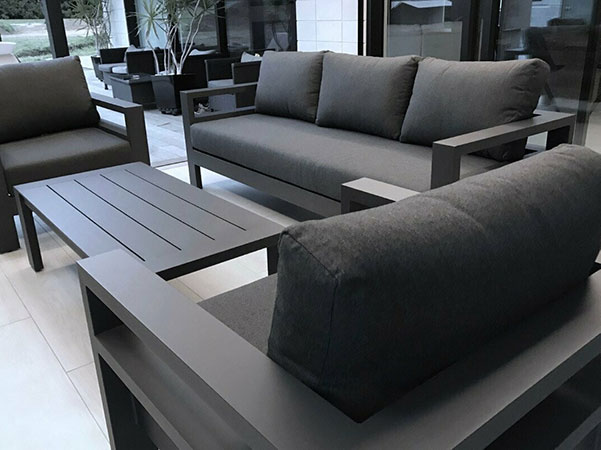
China high quality China Factory Wholesale Price Comfortable New Design Outdoor Dining Set Rattan Furniture Sofa with Good quality
Product Description
Product Description
Raw Material
Company Profile
Welcome to Patio furniture, my dear customers.
We are 1 of the professional outdoor furniture manufacturers in China who located in Xihu (West Lake) Dis. District ,HangZhou City, ZheJiang , China-the City of Furniture.Our main products: Garden furniture, Patio furniture, Outdoor furniture, wicker furniture, PE rattan furniture, wood Furniture, Rope woven furniture, and chairs, leather sofa, fabric sofa.HangZhou PATIO(SENJUAN) FURNITURE have founded since 2571. More than 11years in furniture exporting experirences. We are professional in furniture design and producing, we will become your reliable business partner in China.
More than 80% of our products are delivery to Europe and North America. We keep growing up in the market under the good quality control, nice product design and reasonable price. We CHINAMFG we could be 100-years outdoor furniture company in the future.We also have strong material supply chain:Sunbrella(USA),Agora(Spain),Serge Ferreri(French),Sunsure(USA),Sunproof(Indonesia), Rehau(Indonesia),Viro(Indonesia) and so on. All these will make our products better and better for the customers.
We will win your CHINAMFG and satisfaction with our nice products and good service.
Packaging & Shipping
FAQ
1.Production Lead Time:
1. High Season (September to April): 30-40 days .
2. Low Season (May to August): around 18-25 days .
3. We will come up with a detailed production schedule for each order and this schedule will be a platform for onward communication between customers and us.
2.payment item:
1. 30% down payment before production and balance before shipment.
2. We can offer different pricing of FOB, CIF and C&F.
3. Cash, Ali Express Escrow, Paypal, West Union, Money Gram, Bank Transfer and L/C are all available.
| Material: | Fabric |
|---|---|
| Frame Material: | Metal |
| Style: | European |
| Type: | Combination |
| Usage: | Restaurant, Balcony/Garden/Outdoor |
| Folded: | Unfolded |
| Customization: |
Available
|
|
|---|

How can I prevent outdoor furniture from fading in the sun?
To prevent outdoor furniture from fading in the sun, you can take several measures to protect the furniture and extend its lifespan. Here are some tips to consider:
1. Choose Fade-Resistant Materials:
Opt for outdoor furniture made from fade-resistant materials. Look for materials specifically designed to withstand sun exposure, such as UV-resistant plastics, fade-resistant fabrics, or furniture with a protective coating.
2. Apply UV-Protective Sealants:
Coat your outdoor furniture with a UV-protective sealant or finish. These products create a barrier between the furniture and the sun’s UV rays, helping to prevent fading and discoloration.
3. Use Protective Covers:
When the furniture is not in use, cover it with protective covers specifically designed for outdoor furniture. These covers help shield the furniture from direct sunlight and other elements, preventing fading and damage.
4. Provide Shade:
Position your outdoor furniture in shaded areas whenever possible. Natural shade provided by trees or umbrellas can help reduce the direct exposure to sunlight, minimizing the risk of fading.
5. Utilize Umbrellas or Canopies:
Consider incorporating umbrellas or canopies into your outdoor furniture setup. These shade-providing structures can be adjusted to block the sun’s rays and protect the furniture from excessive exposure.
6. Rearrange Furniture Periodically:
Rotate and rearrange your outdoor furniture periodically. This helps distribute the effects of sun exposure more evenly across the furniture, preventing specific areas from fading more quickly than others.
7. Clean and Maintain Regularly:
Keep your outdoor furniture clean and well-maintained. Regularly remove dirt, debris, and stains, as they can contribute to the fading process. Follow the manufacturer’s instructions for proper cleaning and maintenance.
8. Store During Extreme Weather:
If possible, store your outdoor furniture indoors or in a covered area during extreme weather conditions, such as intense sunlight or heavy rain. This provides additional protection and extends the life of the furniture.
9. Consider Retractable Awnings or Sunshades:
If you have a larger outdoor space, consider installing retractable awnings or sunshades. These adjustable covers can be extended to block the sun’s rays when needed, protecting the outdoor furniture from excessive sunlight.
By implementing these preventive measures, you can significantly reduce the risk of fading and keep your outdoor furniture looking vibrant and beautiful over time.
Are there any innovative outdoor furniture designs or trends to consider?
Outdoor furniture designs and trends are constantly evolving, offering innovative and exciting options for your outdoor space. Here are some notable designs and trends to consider:
1. Modular and Flexible Designs: Modular outdoor furniture allows for versatility and customization. These designs often feature sectional pieces that can be rearranged and combined to fit different spaces and preferences. Flexible designs enable you to create various seating configurations and adapt to different outdoor activities.
2. Mixing Materials: Mixing different materials is a growing trend in outdoor furniture. Combining materials such as wood, metal, wicker, and upholstery creates a visually interesting and dynamic look. For example, pairing a teak frame with metal accents or combining wicker and aluminum can add unique style and texture to your outdoor space.
3. Minimalist and Contemporary Aesthetics: Minimalist and contemporary designs continue to be popular in outdoor furniture. Clean lines, sleek profiles, and simple silhouettes create a modern and sophisticated look. Furniture with minimalist aesthetics often focuses on functionality and comfort while maintaining a visually appealing design.
4. Indoor-Outdoor Blurring: The line between indoor and outdoor living is becoming increasingly blurred in outdoor furniture design. Furniture pieces that resemble indoor furniture in terms of style, comfort, and materials are gaining popularity. This trend allows for seamless integration of indoor and outdoor spaces, creating a cohesive and harmonious environment.
5. Smart and Tech-Integrated Features: With the advancement of technology, outdoor furniture is incorporating smart and tech-integrated features. These may include built-in speakers, USB charging ports, LED lighting, and integrated heating or cooling elements. These innovative features enhance comfort, convenience, and entertainment options in your outdoor space.
6. Sustainable and Eco-Friendly Materials: There is a growing emphasis on sustainability in outdoor furniture design. Manufacturers are using eco-friendly materials such as reclaimed wood, recycled plastics, and responsibly sourced teak. Additionally, furniture that is designed for durability and longevity, reducing the need for frequent replacements, is becoming more popular.
7. Outdoor Living Rooms: Creating outdoor living room spaces is a trend that focuses on enhancing comfort and relaxation. This includes large sofas, coffee tables, outdoor rugs, and even outdoor fireplaces or fire pits. Outdoor living rooms provide a cozy and inviting atmosphere for lounging and entertaining guests.
8. Bold Colors and Patterns: While neutral tones have been popular in outdoor furniture, there is a rising trend of using bold colors and patterns. Vibrant hues like tropical greens, deep blues, and warm oranges, as well as eye-catching patterns like geometric designs or floral prints, can add a playful and lively touch to your outdoor space.
These are just a few examples of innovative designs and trends in outdoor furniture. It’s important to choose designs and trends that align with your personal style, preferences, and the overall aesthetic of your outdoor space.
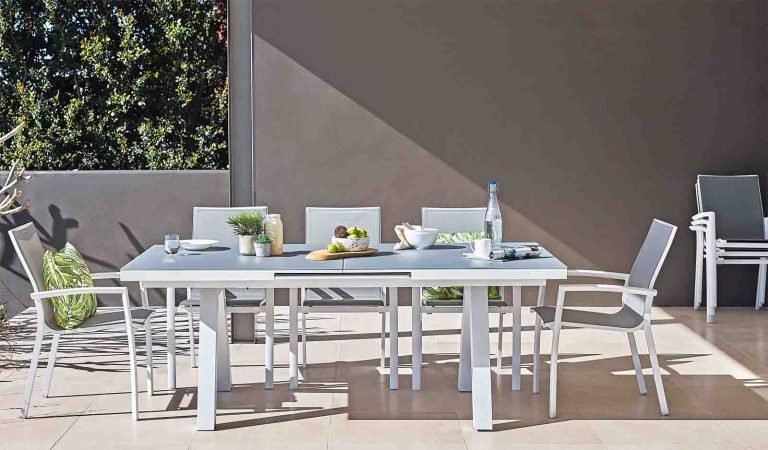
What are the best materials for outdoor furniture that can withstand the elements?
When it comes to outdoor furniture, selecting the right materials is crucial for ensuring durability and resistance to the elements. Here’s a detailed explanation:
1. Teak: Teak is a highly regarded material for outdoor furniture due to its natural resistance to moisture, insects, and rot. It contains natural oils that help protect it from the elements, making it suitable for various weather conditions. Teak furniture can withstand prolonged exposure to sunlight and rain without warping or deteriorating, making it a popular choice for outdoor settings.
2. Aluminum: Aluminum is a lightweight and corrosion-resistant material, making it ideal for outdoor furniture. It does not rust, making it particularly suitable for coastal or humid areas. Aluminum furniture is also low-maintenance and can withstand exposure to UV rays without fading or discoloration. Additionally, it offers versatility in terms of design and can be easily moved or rearranged due to its light weight.
3. Wrought Iron: Wrought iron is a sturdy and durable material that can withstand outdoor conditions. It is highly resistant to wind, rain, and sunlight. Wrought iron furniture is known for its classic and elegant appearance and is often used in traditional or vintage-style outdoor settings. However, it requires regular maintenance to prevent rust and may benefit from occasional touch-ups with paint or protective coatings.
4. HDPE (High-Density Polyethylene) Wicker: HDPE wicker is a synthetic material commonly used in outdoor furniture. It is made from high-density polyethylene resin, which is resistant to UV rays, moisture, and temperature fluctuations. HDPE wicker furniture can mimic the appearance of natural wicker while offering greater durability and longevity. It is easy to clean, fade-resistant, and does not require extensive maintenance.
5. Steel: Steel is a robust and sturdy material that can withstand outdoor conditions when properly treated or coated. Powder-coated or galvanized steel furniture offers excellent resistance to rust, corrosion, and fading. Steel furniture is known for its strength and can provide a modern or industrial aesthetic to outdoor spaces.
6. Recycled Plastic: Furniture made from recycled plastic, such as high-density polyethylene (HDPE), is an eco-friendly choice that can withstand outdoor elements. Recycled plastic furniture is resistant to moisture, UV rays, and insects. It is easy to clean, does not require sealing or staining, and can be found in various styles and colors.
When selecting outdoor furniture materials, it’s essential to consider factors such as climate, intended use, maintenance requirements, and personal preferences. Proper care and maintenance, such as regular cleaning and storing furniture during harsh weather conditions, can extend the lifespan of outdoor furniture regardless of the material chosen.
editor by CX 2023-10-23
China best Totally Oil-Free Air and Gas Compressor supplier
Product Description
| Product Name | Oil-Free Booster Compressor |
| Model No | BW-3/5/10/15/20/30… |
| Inlet Pressure | 0.4Mpa( G ) |
| Exhaust Pressure | 150/200Mpa( G ) |
| Type | High Pressure Oil Free |
| Accessories | Filling Manifold, Piston ring, Etc |
| Oilless High Pressure O2 Compressor Specification | |||||
| NO | Volume | Inlet pressure | Outlet pressure | Type | Cooling type |
| 1 | 1-3m³ | 0.3-0.4MPa | 15MPa | 2 lines 4 stages vertical type | Wind |
| 2 | 4-12m³ | 0.3-0.4MPa | 15MPa | 2 lines 4 stages vertical type | Wind |
| 3 | 13-40m³ | 0.3-0.4MPa | 15MPa | 3 lines 3 stages W type | Water |
| 4 | 13-60m³ | 0.2-0.4MPa | 15MPa | 2 lines 4 stages vertical type | Water |
| 5 | 40-80m³ | 0.2-0.4MPa | 15MPa | 4 lines 4 stages S type | Water |
| 6 | 80-120m³ | 0.2-0.4MPa | 15MPa | 4 lines 4 stages S type | Water |
If you have compressor inquiry please tell us follows information when you send inquiry:
*Compressor working medium: If single gas ,how many purity ? if mixed gas , what’s gas content lit ?
*Suction pressure(gauge pressure):_____bar
*Exhaust pressure(gauge pressure):_____bar
*Flow rate per hour for compressor: _____Nm³/h
Compressor gas suction temperature:_____ºC
Compressor working hours per day :_____hours
Compressor working site altitude :_____m
Environment temperature : _____ºC
Has cooling water in the site or not ?______
Voltage and frequency for 3 phase :____________
Do not has water vapor or H2S in the gas ?______
Application for compressor?__________
| After-sales Service: | 1 Year |
|---|---|
| Warranty: | 1 Year |
| Cooling Method: | Air Cooling Water Cooling |
| Keywords: | Oil-Free Oxygen Booster |
| Application: | Filling Cylinder |
| Gas Type: | Oxygen,Nitrogen,Special Gas |
| Customization: |
Available
|
|
|---|
.webp)
How Do Water-Lubricated Air Compressors Impact Compressed Air Quality?
Water-lubricated air compressors can have an impact on the quality of the compressed air they produce. Here’s a detailed explanation of how water-lubricated air compressors can affect compressed air quality:
Moisture Content:
- Condensation: Water-lubricated compressors introduce moisture into the compressed air system. During the compression process, as the air cools downstream, moisture can condense and accumulate. This moisture can lead to issues such as corrosion, rust, and contamination of downstream equipment or processes.
- Water Carryover: If the compressor’s water separation mechanisms are not efficient or if there are malfunctions in the water removal systems, water droplets or mist may carry over into the compressed air. This can negatively impact the quality of the compressed air and introduce moisture-related issues downstream.
Contamination:
- Oil Contamination: In some water-lubricated compressors, there is a potential for oil to mix with the water used for lubrication. If oil and water emulsify or if there are leaks in the compressor system, oil contamination may occur. Oil-contaminated compressed air can have adverse effects on downstream processes, equipment, and products. It can lead to contamination, reduced performance of pneumatic components, and potential health and safety concerns.
- Particulate Contamination: Water-lubricated compressors can introduce particulate matter, such as sediment, debris, or rust, into the compressed air system. This can occur if the water supply or water treatment systems are not adequately filtered or maintained. Particulate contamination can clog or damage pneumatic equipment, affect product quality, and cause operational issues in downstream applications.
Preventive Measures:
- Water Separation: Water-lubricated compressors employ various water separation mechanisms to remove moisture from the compressed air. This includes moisture separators, water traps, or coalescing filters that are specifically designed to capture and remove water droplets or mist from the compressed air stream. Regular maintenance and inspection of these separation systems are necessary to ensure their proper functioning.
- Air Treatment: Additional air treatment components, such as air dryers or desiccant systems, can be installed downstream of water-lubricated compressors to further reduce moisture content in the compressed air. These systems help to remove moisture that may have carried over from the compressor and ensure that the compressed air meets the required dryness standards for specific applications.
- Proper Maintenance: Regular maintenance of water-lubricated compressors is essential to minimize the potential impact on compressed air quality. This includes routine inspection, cleaning, and replacement of filters, lubrication systems, and water separation components. Addressing any leaks, malfunctioning components, or system issues promptly can help maintain the integrity of the compressed air and prevent contamination or excessive moisture levels.
By implementing appropriate water separation mechanisms, air treatment systems, and maintenance practices, the impact of water-lubricated air compressors on compressed air quality can be minimized. It is important to consider the specific requirements of the application and follow industry standards and guidelines to ensure the desired compressed air quality is achieved.
How Are Water-Lubricated Air Compressors Used in Automotive Applications?
Water-lubricated air compressors find various applications in the automotive industry. Here’s a detailed explanation of how they are used in automotive applications:
Tire Inflation:
- Service Stations: Water-lubricated air compressors are commonly used in automotive service stations for tire inflation. They provide a reliable source of compressed air for quickly and efficiently inflating tires to the recommended pressure. The water lubrication system in these compressors helps to reduce friction and wear on internal components, ensuring smooth operation and extended lifespan.
- Tire Shops: Tire shops often utilize water-lubricated air compressors as part of their tire service equipment. These compressors can supply compressed air for tire inflation, tire mounting and demounting machines, and other pneumatic tools used in tire service and maintenance.
Painting and Finishing:
- Spray Painting: Water-lubricated air compressors are also used in automotive painting and finishing processes. Compressed air is used to power spray guns that apply paint or coatings to vehicles during the painting process. The water lubrication system helps maintain the cleanliness of the compressor and prevents oil contamination, ensuring high-quality paint finishes.
- Sanding and Polishing: Compressed air is often used for sanding and polishing automotive surfaces. Water-lubricated air compressors provide a reliable source of compressed air for pneumatic sanders, polishers, and other air-powered tools used in automotive surface preparation and refinishing.
Brake and Suspension Systems:
- Brake Bleeding: Water-lubricated air compressors can be used during brake bleeding procedures in automotive repair and maintenance. Compressed air is used to purge air bubbles from the brake system, ensuring optimal brake performance and pedal feel. The water lubrication system helps maintain the purity of the compressed air, preventing contamination that could affect the brake system’s functionality.
- Suspension Systems: Air suspension systems in vehicles often rely on compressed air for operation. Water-lubricated air compressors provide a continuous supply of clean and lubricated compressed air for inflating and maintaining the air springs or airbags used in vehicle suspensions.
Diagnostic and Testing Equipment:
- Diagnostic Tools: Water-lubricated air compressors are utilized in automotive diagnostic and testing equipment. Compressed air is used to operate pneumatic diagnostic tools, such as vacuum testers, pressure gauges, and leak detectors, that help diagnose and troubleshoot various vehicle systems.
- Testing and Calibration: Automotive testing and calibration equipment, such as dynamometers and emission testing devices, often require a source of compressed air. Water-lubricated air compressors supply the necessary compressed air for precise and accurate testing of vehicle performance, emissions, and other parameters.
Overall, water-lubricated air compressors play a significant role in various automotive applications, including tire inflation, painting and finishing, brake and suspension systems, and diagnostic and testing equipment. Their use helps ensure efficient and reliable operation, improved productivity, and high-quality results in automotive service, repair, and manufacturing processes.
.webp)
How Is Water Quality Crucial for the Performance of These Compressors?
Water quality plays a crucial role in the performance of water-lubricated air compressors. The quality of the water used for lubrication directly impacts the efficiency, reliability, and lifespan of these compressors. Here are the key reasons why water quality is essential for optimal compressor performance:
- Lubrication effectiveness: Water serves as the lubricant in water-lubricated air compressors. The water forms a protective film between moving parts, reducing friction and wear. However, if the water contains impurities or contaminants, it can compromise the lubricating properties. Impurities like minerals, sediments, or dissolved solids can hinder the formation of an effective lubricating film, leading to increased friction and potential damage to the compressor components.
- Corrosion prevention: Water with high mineral content, such as hard water, can promote corrosion within the compressor system. Minerals like calcium and magnesium can react with metal surfaces, leading to rust, scale formation, and degradation of internal components. Corrosion compromises the structural integrity of the compressor, reduces its efficiency, and may result in costly repairs or even premature failure.
- Preventing blockages: Poor water quality can result in the accumulation of sediments, debris, or contaminants within the compressor system. These deposits can block water passages, filters, or valves, impeding the flow of water and affecting the overall performance of the compressor. Restricted water flow may lead to inadequate cooling, reduced lubrication, and compromised efficiency.
- Preventing fouling and fouling-related issues: Fouling refers to the accumulation of organic or inorganic deposits on heat transfer surfaces, such as heat exchangers or radiators, within the compressor system. Poor water quality can contribute to fouling, reducing heat transfer efficiency and impairing the cooling capacity of the compressor. This can result in elevated operating temperatures, decreased performance, and potential damage to the compressor.
- System cleanliness: Clean water is crucial for maintaining a clean and sanitary compressor system, especially in industries like food and beverage or medical applications. Contaminated water can introduce harmful bacteria, microorganisms, or particles into the compressor, posing a risk to product quality, safety, or patient well-being.
To ensure optimal performance and longevity of water-lubricated air compressors, it is important to monitor and maintain the quality of the water used for lubrication. Regular water analysis, proper filtration, and appropriate water treatment measures should be employed to remove impurities, control mineral content, and maintain the desired water quality. By ensuring clean and high-quality water, the compressor can operate efficiently, minimize the risk of component damage, and contribute to a reliable and safe compressed air system.
editor by CX 2023-10-23
China best Focus 75kw Electric Portable Mini Screw Air Compressor for Sale wholesaler
Product Description
Focus 75kw Electric Portable Mini Screw Air Compressor for Sale
*High Efficiency
*Strong motor
*Low Noise Level
*Easy operation and maintenance
PRODUCT DESCRIPTION
1. Strong motor
High efficiency Low noise Stable operation
2. Oil and gas separator
High temperature resistance
Make oil-less
3. Air filter
Prolong the operation life of the host
To filter mini CHINAMFG particles in the air effectively
4. Oil filter
Keep host clean and efficient
To filter impurities of lubricating oil effectively
5. Cooler fan
Fast heat dissipation Large air volume
Prevent machine from high temperature effectively
6. PLC
Convenient button Easy operation
Equipped with alarm function and active protection
7. PM motor rotor
High efficiency High pressure resistance
8. Hook design
Easy to move, adapt to various environments
PARAMETER
Focus 75kw Electric Portable Mini Screw Air Compressor for Sale
| Power | 75kw |
| Voltage | 380V |
| Air flow capacity | 13m3/min |
| Weight | 1900kg |
| Cooing system | air cooling |
| Driving type | Direct |
| Wheels | 4 |
| Dimension | 3000*1350*1950mm |
| Outlet diameter | 1-G1/2,1-G2 |
COMPANY DESCRIPTION
Established in 1982, HangZhou Focus Machinery Co., Ltd. is the explorer and by far the biggest professional construction machinery manufacturer in HangZhou, China.
We mainly manufacture concrete batching plant, mobile concrete mixing plant, twin-shaft concrete mixer, small rotary concrete mixer, compulsory asphalt mixing plant, asphalt drum mixing plant, mobile asphalt plant, trailer concrete pump, concrete pump with mixer, dry CHINAMFG mixing plant, truck mounted concrete pump, concrete truck mixer, tower crane, construction hoist, cement bag splitter and pneumatic conveyor, etc.
Focus 75kw Electric Portable Mini Screw Air Compressor for Sale
FOCUS_BUILT A BETTER WORLD
CONTACT US NOW!!
| After-sales Service: | Overseas Service Center with Sufficient Engineers |
|---|---|
| Warranty: | 12 Months |
| Lubrication Style: | Oil-less |
| Cooling System: | Air Cooling |
| Power Source: | AC Power |
| Cylinder Position: | Vertical |
How are air compressors employed in the petrochemical industry?
Air compressors play a vital role in the petrochemical industry, where they are employed for various applications that require compressed air. The petrochemical industry encompasses the production of chemicals and products derived from petroleum and natural gas. Here’s an overview of how air compressors are utilized in the petrochemical industry:
1. Instrumentation and Control Systems:
Air compressors are used to power pneumatic instrumentation and control systems in petrochemical plants. These systems rely on compressed air to operate control valves, actuators, and other pneumatic devices that regulate processes such as flow control, pressure control, and temperature control. Compressed air provides a reliable and clean source of energy for these critical control mechanisms.
2. Pneumatic Tools and Equipment:
Petrochemical plants often utilize pneumatic tools and equipment for various tasks such as maintenance, repair, and construction activities. Air compressors supply the necessary compressed air to power these tools, including pneumatic drills, impact wrenches, grinders, sanders, and painting equipment. The versatility and convenience of compressed air make it an ideal energy source for a wide range of pneumatic tools used in the industry.
3. Process Air and Gas Supply:
Petrochemical processes often require a supply of compressed air and gases for specific applications. Air compressors are employed to generate compressed air for processes such as oxidation, combustion, and aeration. They may also be used to compress gases like nitrogen, hydrogen, and oxygen, which are utilized in various petrochemical reactions and treatment processes.
4. Cooling and Ventilation:
Petrochemical plants require adequate cooling and ventilation systems to maintain optimal operating conditions and ensure the safety of personnel. Air compressors are used to power cooling fans, blowers, and air circulation systems that help maintain the desired temperature, remove heat generated by equipment, and provide ventilation in critical areas.
5. Nitrogen Generation:
Nitrogen is widely used in the petrochemical industry for applications such as blanketing, purging, and inerting. Air compressors are utilized in nitrogen generation systems, where they compress atmospheric air, which is then passed through a nitrogen separation process to produce high-purity nitrogen gas. This nitrogen is used for various purposes, including preventing the formation of explosive mixtures, protecting sensitive equipment, and maintaining the integrity of stored products.
6. Instrument Air:
Instrument air is essential for operating pneumatic instruments, analyzers, and control devices throughout the petrochemical plant. Air compressors supply compressed air that is treated and conditioned to meet the stringent requirements of instrument air quality standards. Instrument air is used for tasks such as pneumatic conveying, pneumatic actuators, and calibration of instruments.
By employing air compressors in the petrochemical industry, operators can ensure reliable and efficient operation of pneumatic systems, power various tools and equipment, support critical processes, and maintain safe and controlled environments.
Can air compressors be used for inflating tires and sporting equipment?
Yes, air compressors can be used for inflating tires and sporting equipment, providing a convenient and efficient method for achieving the desired air pressure. Here’s how air compressors are used for these purposes:
1. Tire Inflation:
Air compressors are commonly used for inflating vehicle tires, including car tires, motorcycle tires, bicycle tires, and even larger truck or trailer tires. Air compressors provide a continuous source of pressurized air, allowing for quick and accurate inflation. They are often used in automotive repair shops, gas stations, and by individuals who regularly need to inflate tires.
2. Sporting Equipment Inflation:
Air compressors are also useful for inflating various types of sporting equipment. This includes inflatable balls such as soccer balls, basketballs, footballs, and volleyballs. Additionally, air compressors can be used to inflate inflatable water toys, air mattresses, inflatable kayaks, and other recreational items that require air for proper inflation.
3. Air Tools for Inflation:
Air compressors can power air tools specifically designed for inflation purposes. These tools, known as inflators or air blow guns, provide controlled airflow for inflating tires and sporting equipment. They often have built-in pressure gauges and nozzles designed to fit different types of valves, making them versatile and suitable for various inflation tasks.
4. Adjustable Pressure:
One advantage of using air compressors for inflation is the ability to adjust the pressure. Most air compressors allow users to set the desired pressure level using a pressure regulator or control knob. This feature ensures that tires and sporting equipment are inflated to the recommended pressure, promoting optimal performance and safety.
5. Efficiency and Speed:
Air compressors provide a faster and more efficient inflation method compared to manual pumps. The continuous supply of compressed air allows for quick inflation, reducing the time and effort required to inflate tires and sporting equipment manually.
6. Portable Air Compressors:
For inflating tires and sporting equipment on the go, portable air compressors are available. These compact and lightweight compressors can be easily carried in vehicles or taken to sports events and outdoor activities, ensuring convenient access to a reliable air supply.
It is important to note that when using air compressors for inflating tires, it is recommended to follow manufacturer guidelines and proper inflation techniques to ensure safety and avoid overinflation.
What is the impact of tank size on air compressor performance?
The tank size of an air compressor plays a significant role in its performance and functionality. Here are the key impacts of tank size:
1. Air Storage Capacity: The primary function of the air compressor tank is to store compressed air. A larger tank size allows for greater air storage capacity. This means the compressor can build up a reserve of compressed air, which can be useful for applications that require intermittent or fluctuating air demand. Having a larger tank ensures a steady supply of compressed air during peak usage periods.
2. Run Time: The tank size affects the run time of the air compressor. A larger tank can provide longer continuous operation before the compressor motor needs to restart. This is because the compressed air in the tank can be used to meet the demand without the need for the compressor to run continuously. It reduces the frequency of motor cycling, which can improve energy efficiency and prolong the motor’s lifespan.
3. Pressure Stability: A larger tank helps maintain stable pressure during usage. When the compressor is running, it fills the tank until it reaches a specified pressure level, known as the cut-out pressure. As the air is consumed from the tank, the pressure drops to a certain level, known as the cut-in pressure, at which point the compressor restarts to refill the tank. A larger tank size results in a slower pressure drop during usage, ensuring more consistent and stable pressure for the connected tools or equipment.
4. Duty Cycle: The duty cycle refers to the amount of time an air compressor can operate within a given time period. A larger tank size can increase the duty cycle of the compressor. The compressor can run for longer periods before reaching its duty cycle limit, reducing the risk of overheating and improving overall performance.
5. Tool Compatibility: The tank size can also impact the compatibility with certain tools or equipment. Some tools, such as high-demand pneumatic tools or spray guns, require a continuous and adequate supply of compressed air. A larger tank size ensures that the compressor can meet the air demands of such tools without causing pressure drops or affecting performance.
It is important to note that while a larger tank size offers advantages in terms of air storage and performance, it also results in a larger and heavier compressor unit. Consider the intended application, available space, and portability requirements when selecting an air compressor with the appropriate tank size.
Ultimately, the optimal tank size for an air compressor depends on the specific needs of the user and the intended application. Assess the air requirements, duty cycle, and desired performance to determine the most suitable tank size for your air compressor.
editor by CX 2023-10-23
China manufacturer Solid Metal Modern Furniture Garden Seat Comfortable Stackable Armchair Leisure Furniture Outdoor Chair vacuum pump ac system
Product Description
Solid Metal Modern Furniture Garden Seat Comfortable Stackable Armchair Leisure Furniture Outdoor Chair
Our Advantages
1.Trendy design by French designer
2.Good workmanship
3.Competitive price
4.Quality control, our QC team inspects each product before the shipment to keep the good quality.
5.In-time delivery
6.Good Service
Product Description
Everyone gathered around the table, sitting next to each other, spending quality time together: that’s when we’re at our happiest. You too? Just like us, you know that a great meal can last for hours when the food is delicious and the guests are happy to be together – but only if everyone is sitting comfortably! Chairs, armchairs, dining chairs, these are what we have! All of them are in comfortable way!
| Description | Outdoor Furniture, Dining Furniture, Outdoor Chair, Folding Chair, Coffee Chair, Tea Chair, Foldable Chair, Steel Chair, Resturant Furniture, Modern Furniture, Garden Garden Furniture, Bistro Chair, Coffee Shop Furniture, Party Chair, Banquet Chair, Bistro Furniture, Church Chair, Hotel Furniture, Dining Room Furniture, Side Chair, Backyard Furniture, Patio Furniture, Patio Chair, Balcony Furniture, Balcony Chair, Courtyard Furniture |
| Material | Metal |
| Colors Optional | Customized |
| Specifications | Size: 59*65*84CM Round tube φ19*1.2MM, seat&back slats thickness 1.2MM, arm thickness 1.5MM |
| Package | 20 PCS/Stack |
| MOQ | 400 PCS |
| Warranty | 2 Years |
Detailed Photos
Certifications
Company Profile
HangZhou CHINAMFG is located in Xihu (West Lake) Dis., HangZhou, China. We are designing, developing and exporting outdoor leisure products. Our products including outdoor foldable/stacking chair, outdoor foldable/knockdown table, patio set, side table, garden trolley….
Our 10 years+ manufacturing experience ensures us clearly understanding for a balanced quality/price ratio meeting every customers’ design expectations.
Our main customers are located in Western Europe, France, England, Holland, Sweden, and Switzerland. . .The deep collaboration with French designers leads to outstanding outdoor collections by creating an aesthetic, functional and comfortable life-style.
In-house R& D supports creation of value-added and durable products which is our long-term commitment to people who enjoy outdoor life. Our responsible QC team inspect each order before shipment to ensure the quality of the products.
Thanks to our dedicated sales team, our customers always benefit from prompt responses and rich product knowledge.
May this introduction be the first step in our fruitful cooperation!!
After Sales Service
Maximum to 3% of the spare parts (plastic feet/ plastic cap) for free.
FAQ
Q: Why choose metal furniture?
A: Metal furniture is easy for cleaning and maintaining compared with wooden and rattan furniture. Firm and durable is the main advantage. Metal furniture can be designed in more style and model due to the malleable of the steel. Our metal furniture normally been electrophoresis and powder coated, so it looks quite luxury, also it can protect our furniture out of water, fire, and UV, making them more firm and durable.
Q: What is the delivery time of my order?
A: It takes about 30-60 days at production CHINAMFG season, 30 days when off season.
Q: Can I know more about payment?
A: 30% down payment before production, and the balance before shipment. We can offer quotation of FOB, EXW, CIF and CFR. LC, T/T, D/P are all available.
Q: Where can the furniture be used?
A: It can be used at places like garden, patio, beach, backyard, restaurant, hotel, coffee shop or even indoor.
| Material: | Metal |
|---|---|
| Style: | European |
| Folded: | Stackable |
| Usage: | Bar, Hotel, Dining Room, Outdoor, Garden, Backyard, Patio, Balcony, Bistro, Beach |
| Condition: | New |
| Customized: | Customized |
| Samples: |
US$ 40/Piece
1 Piece(Min.Order) | |
|---|
| Customization: |
Available
|
|
|---|
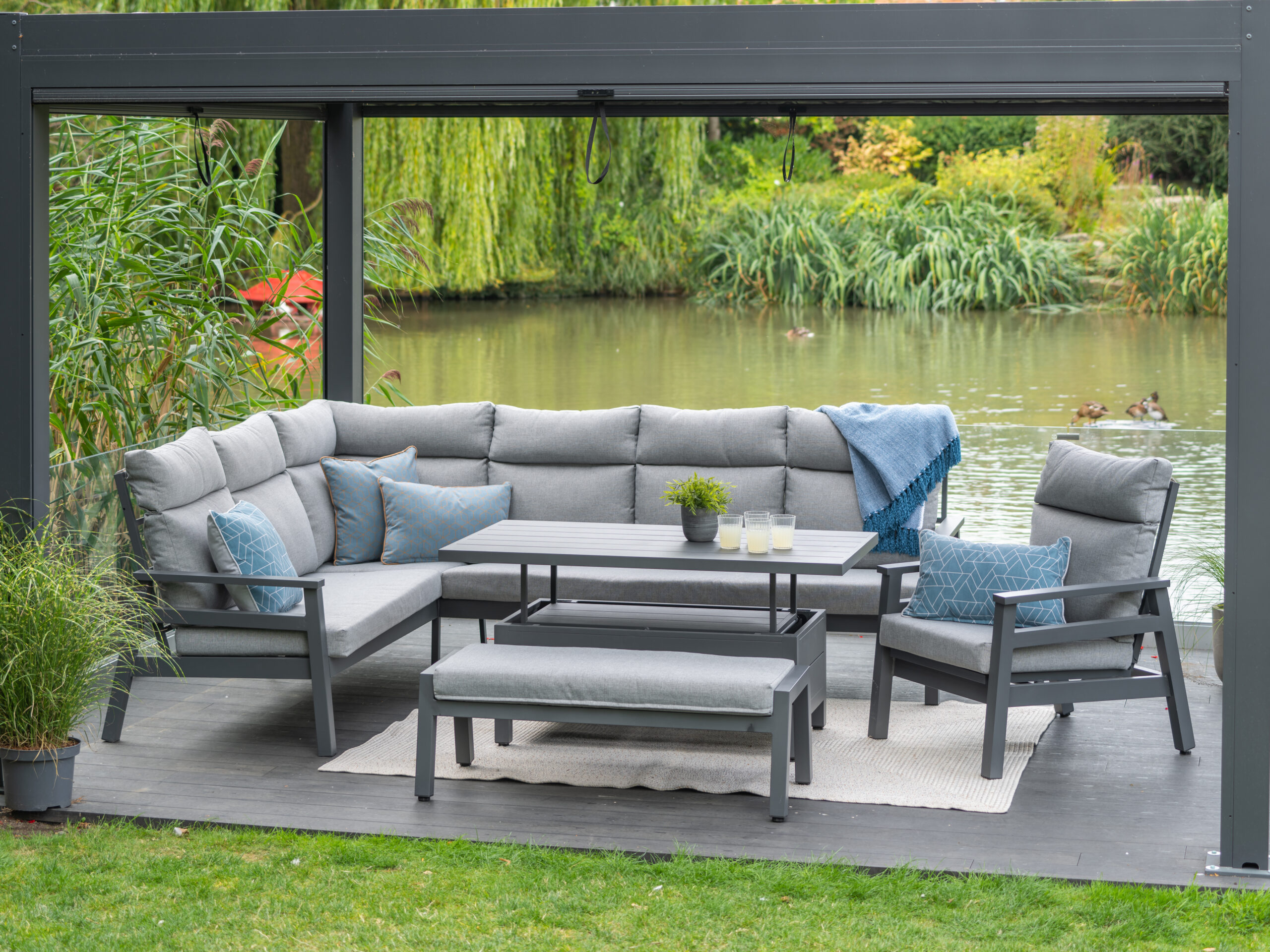
What are the best practices for assembling and maintaining garden furniture with glass tops?
Garden furniture with glass tops can add a touch of elegance to your outdoor space. Here are some best practices for assembling and maintaining this type of furniture:
1. Assembling Garden Furniture:
When assembling garden furniture with glass tops, follow these guidelines:
- Read and follow the manufacturer’s instructions carefully.
- Ensure that the assembly area is clean, flat, and stable.
- Handle the glass top with care to avoid any accidental damage or breakage.
- Use the provided hardware and tools to secure the glass top to the frame according to the instructions.
- Double-check that all connections are tightened properly, but avoid overtightening to prevent damage to the glass.
- If applicable, attach any additional components or accessories, such as umbrella holders or cushions, as instructed.
2. Cleaning and Maintenance:
To maintain garden furniture with glass tops, consider the following:
- Regularly clean the glass surface using a mild glass cleaner or a mixture of water and vinegar. Avoid using harsh chemicals or abrasive cleaners that can damage the glass.
- Wipe the glass top with a soft, lint-free cloth or a microfiber cloth to remove dust, dirt, or fingerprints. For stubborn stains, gently scrub the affected area with a soft brush or sponge.
- Avoid placing hot objects directly on the glass surface, as extreme temperature changes can cause the glass to crack or shatter.
- Protect the glass top from scratches by using coasters, placemats, or tablecloths when placing items on the surface.
- If your furniture includes removable glass tops, consider storing them indoors or in a safe, covered area during severe weather conditions or when not in use for an extended period.
3. Preventative Measures:
Take these preventative measures to ensure the longevity of your garden furniture with glass tops:
- Avoid dragging or sliding heavy objects across the glass surface, as this can cause scratches or damage.
- Regularly inspect the frame and connections to ensure they remain sturdy and secure. Tighten any loose screws or bolts as necessary.
- Consider using furniture covers specifically designed for garden furniture with glass tops to protect it from dust, dirt, and the elements when not in use.
- During strong winds or storms, move the furniture to a sheltered area or secure it with straps or anchors to prevent it from being blown over or damaged.
By following these best practices, you can assemble and maintain your garden furniture with glass tops effectively, ensuring its longevity and enjoyment for years to come.

How can I make my garden furniture more comfortable for extended use?
To make your garden furniture more comfortable for extended use, you can consider the following tips and techniques:
1. Cushions and Pillows:
Add cushions and pillows to your garden furniture to provide extra padding and support. Look for cushions made from outdoor-grade materials that are resistant to moisture, fading, and mildew. Opt for pillows with soft and durable fabrics that enhance comfort. Make sure to choose cushions and pillows that fit the size and style of your furniture.
2. Ergonomic Design:
Consider the ergonomic design of your garden furniture to promote comfort during extended use. Look for chairs with proper back support and armrests that allow for relaxed seating positions. Tables with an appropriate height can also contribute to a more comfortable dining experience. Ergonomic design ensures that your body is properly supported and aligned, reducing discomfort and fatigue.
3. Adjustable Furniture:
If possible, opt for garden furniture with adjustable features. Adjustable chairs or loungers allow you to customize the seating position according to your preference. Being able to adjust the backrest or footrest can significantly enhance comfort during extended periods of use.
4. Shade and Sun Protection:
Provide shade and sun protection to make your garden furniture more comfortable, especially during hot and sunny days. Consider adding umbrellas, canopies, or pergolas to create shaded areas. This helps to reduce direct sun exposure and keeps the seating area cooler and more enjoyable.
5. Proper Ventilation:
Ensure proper ventilation around your garden furniture. Good airflow helps to prevent sweat buildup and keeps you cool. If your furniture has cushions, choose materials that are breathable and allow air to circulate. Mesh or ventilated designs can help with airflow and moisture management.
6. Protective Covers:
Use protective covers when your garden furniture is not in use to keep it clean and protected. Covers can help prevent dust, dirt, and bird droppings from accumulating on the furniture. Clean furniture is generally more comfortable to use for extended periods.
7. Outdoor Rugs and Mats:
Add outdoor rugs or mats to create a more inviting and comfortable seating area. These can provide a softer surface for your feet and also help define the space. Look for rugs or mats that are specifically designed for outdoor use and are resistant to moisture and fading.
8. Proper Maintenance:
Regularly clean and maintain your garden furniture to keep it in good condition. Follow the manufacturer’s instructions for cleaning and care. Tighten any loose screws or bolts, and replace any worn-out parts. Well-maintained furniture not only looks better but also tends to be more comfortable and enjoyable to use.
By implementing these tips, you can enhance the comfort of your garden furniture and create a more inviting outdoor space for extended use. Remember to consider your personal preferences and the specific needs of your furniture when making adjustments or additions.

How can I protect my garden furniture from the elements during the winter?
Protecting your garden furniture from the harsh winter elements is essential to prolong its lifespan and keep it in good condition. Here are several steps you can take to protect your furniture:
1. Clean and Dry:
Before winter arrives, thoroughly clean your garden furniture to remove any dirt, leaves, or debris. Allow it to dry completely to prevent the growth of mold or mildew during storage.
2. Store Indoors:
If possible, store your garden furniture indoors during the winter months. A garage, shed, or basement can provide protection from the elements. This is the most effective way to safeguard your furniture from extreme cold, moisture, and snow.
3. Use Furniture Covers:
If indoor storage is not possible, use weatherproof furniture covers to protect your outdoor furniture. Choose covers made from durable materials that are designed to withstand winter conditions. Ensure that the covers are secure and provide full coverage for each piece of furniture.
4. Elevate and Protect:
If you cannot store your furniture indoors and it is not practical to cover each piece, elevate the furniture off the ground to prevent contact with wet or frozen surfaces. You can use wooden pallets or furniture risers for this purpose. Additionally, consider using waterproof tarps or plastic sheets to provide temporary protection from rain or snow.
5. Remove Cushions and Upholstery:
If your furniture has removable cushions or upholstery, it’s advisable to store them indoors during the winter. This will prevent them from becoming damp, stained, or damaged by freezing temperatures. Clean and dry the cushions before storing them to maintain their condition.
6. Apply Protective Coatings:
Before winter sets in, consider applying protective coatings to your wooden or metal furniture. For wooden furniture, use an outdoor furniture oil or sealant to protect it from moisture and prevent cracking or warping. Metal furniture can benefit from a coat of rust-resistant paint or a protective spray.
7. Regular Maintenance:
Throughout the winter, periodically check on your stored or covered furniture and ensure that the covers are in good condition. Remove any accumulated snow or debris to prevent damage. If necessary, reapply protective coatings or make repairs to maintain the furniture’s integrity.
By following these steps, you can effectively protect your garden furniture from the winter elements and ensure its longevity. Remember, proper storage, covers, and maintenance are key to keeping your furniture in excellent condition for many seasons to come.
editor by CX 2023-10-23
China wholesaler CHINAMFG Swimming Pool Hotel Sun Lounger Waterproof Kd Design Carton Package Garden Chaise Lounge Outdoor Furniture vacuum pump connector
Product Description
Outdoor Beach Sun Lounge Chair for Swimming Pool
ABOUT PRODUCT :
| material | mesh + aluminum frame |
| color | color can be customized |
| model | can accept OEM or ODM |
Enjoy to have a good time with you friends in the Olso Series. Beauty, naturalness, innovation and craftsmanship are the key distinctions that define each piece in the Oslo collection.Contemporary styling is completely on trend, with simple stylish brushed aluminum and comfort outdoor upholstery.
| 1 | COVER COLOR | ANY COLOR IS AVAILABLE | |
| 2 | STRUCTURE | -FRAME: POWER COATING ALUMINUM -MESH FABRIC |
|
| 3 | SUPPLIY CAPABILITY | 1000 SET/MONTH | |
| 4 | PACKAGE | CARTION BOX AVAILABLE | |
| 5 | EXCELLENT AFTER-SALES SERVICE | 1. 1 YEAR WARRANTY AGAIN THE MANUFACTURE DEFECT,OFFER LIFETIME CONSULTATION ON PROBLEMS OCCURRED FOR LOCAL MATERIALS 2. WE WILL PROVIDE 3% EXRA PARTS FOR PRODUCTS,NOT INCXIHU (WEST LAKE) DIS. THE GLASS AND CUSHION 3. REPORT ON THE MAKING PROCESS 4. MARKERTING FEEDBACKS TRACING |
|
| 6 | OTHER SERVICE | WELCOME TO OEM OR ODM |
ANOUT US :
A warm welcome,Becoming a Customer of DARWIN
One of our mission is to provide unbeatable products and service for our Customers. By becoming a CHINAMFG customer, you can help us accomplish this mission. You will become a member of providing one-stop procurement services for our customers. We have more than 500 customers in 30 countries. You can rest assured to purchase from our HangZhou Darwin. You can be sure that we will work closely with you to provide the products and services you want, so as to achieve a CHINAMFG situation.
One stop service
HangZhou CHINAMFG furniture is a one-stop home service company. After more than 17 years of efforts, we provided outdoor market services integrating design, raw material control, production, modern logistics system and after-sales service. We focus on outdoor sofa sets, outdoor dining tables and chairs, outdoor swing chairs, outdoor daybeds, reclining chairs, outdoor umbrellas, etc.
The global marketing operation system in cooperation with Private Garden, Linkok and Ausnat helps Darwin’s products to be exported to more than 30 countries around the world.
Promote business relations through close cooperation
We provide services with many customers. We cherish them and have cooperated successfully for many years. Our knowledge,experience, as well as our understanding of products and our sensitivity to the market, can help our customers grow faster. We sincerely thank them for their commitment to cooperate with us and provide high-quality services to our customers, and look CHINAMFG to working with them in the coming decades.
HangZhou CHINAMFG deeply rooted in HangZhou, ZheJiang , the capital of furniture, with local exhibition hall and its own warehouse. With professional and high standard market project experience, we can provide services to more customers. With our high professional standard outdoor furniture one-stop solution.
Where there is CHINAMFG furniture, there will be the best home.
FAQ:
Q:What’s your warranty for your products?
A:1-3 year, it is based on differenr material
Q, What’s the minimum order?
A:MOQ for FOB trade terms must be 10pcs.If EXW HangZhou or you have loading container in HangZhou,1 piece is acceptable.
Q, Do you accept sample test for 1 piece to my country?
A:Yes, sample test is available, we charge 30-50% additional as the sample cost if you only order 1 pc, we will return sample cost when you repeat the order to the QTY of a 20’GP container
Q:What’s the delivery time?
A:10-25 working days for sample: 35 days for 40HQ container
Q,How do I buy it and what’s the payment terms?
A:For FOB or EXW terms, you can T/T to our company account after we confirmed the proforma invoice with all detailed description or Sales Contract. you can also via Alibaba Escrow to place order online, or by western-union.
Q:Do you make OEM?
A:Yes
Q,If i received imperfect products, What’s the guarantee and after-sales?
A:we have the obligation to provide seaworthy packing material. but its also possible to damaged by other reasons such as inland transportation and improper loading and effected by external environmental factors for rattan and steel. we will try to help to cover an insurance against such possible effect factors. but if you found parts lost or painting fall off, please take photos and notes the problems. we’ll re-send new parts to you. if you can not fix chair well, please refer to installation manual and email us, we will solve it for you as soon as possible.
| Material: | Textilene + Aluminum |
|---|---|
| Style: | Modern |
| Type: | Single |
| Folded: | Unfolded |
| Armrest: | Without Armrest |
| Customized: | Customized |
| Samples: |
US$ 158/Piece
1 Piece(Min.Order) | |
|---|
| Customization: |
Available
|
|
|---|
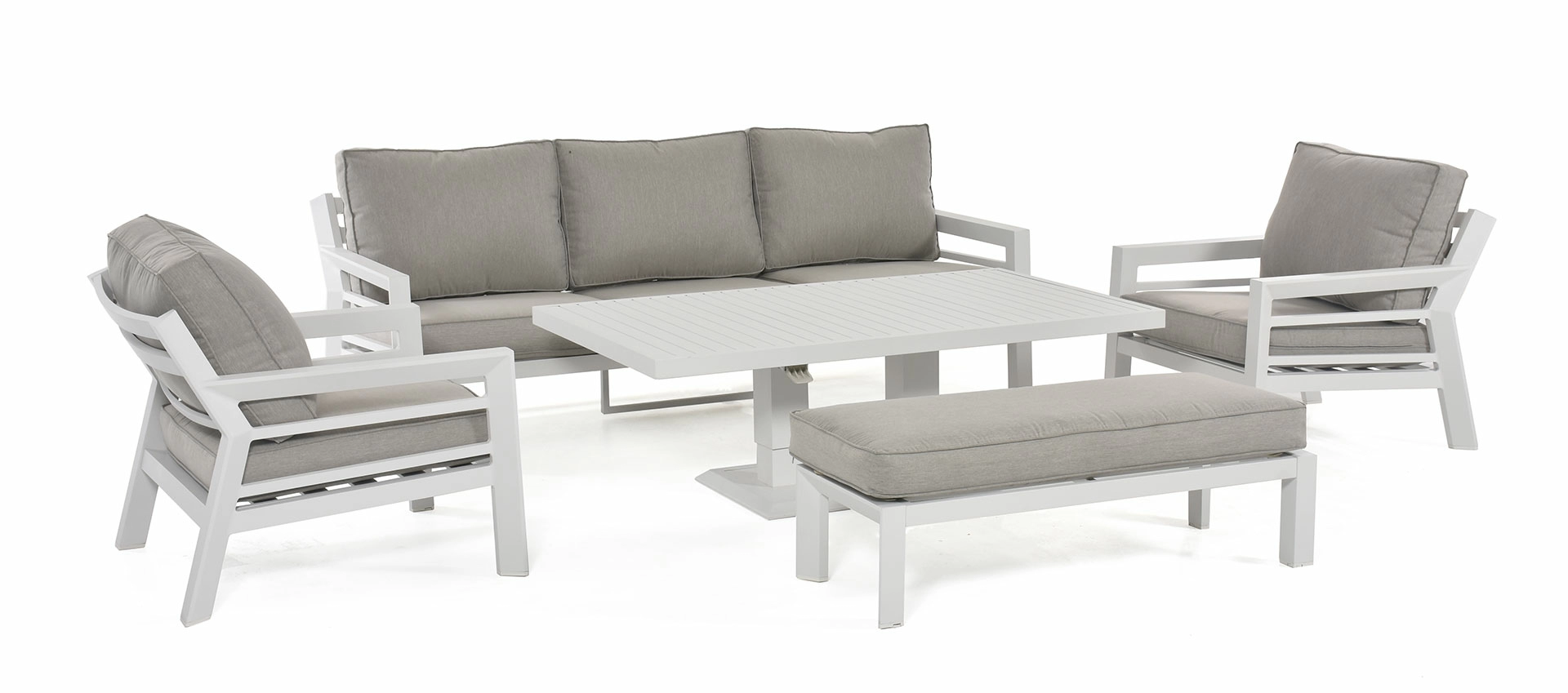
How do I protect my aluminum garden furniture from sun exposure and fading?
To protect your aluminum garden furniture from sun exposure and fading, you can take the following measures:
1. Use Protective Covers:
When your aluminum furniture is not in use, consider covering it with protective covers specifically designed for outdoor furniture. These covers shield the furniture from direct sunlight and help prevent fading. Make sure the covers are properly fitted and secure to withstand wind and other weather conditions.
2. Provide Shade:
If possible, position your furniture in shaded areas of your garden or use umbrellas, awnings, or pergolas to create shade. This will reduce direct exposure to intense sunlight and minimize the risk of fading.
3. Apply Protective Finishes:
Consider applying protective finishes, such as clear coats or sealants, to your aluminum furniture. These finishes can provide an additional layer of protection against UV rays and help maintain the original color of the furniture.
4. Move Furniture to Shaded Areas:
If your furniture is lightweight and portable, you can move it to shaded areas when the sun is at its strongest. This allows you to control the amount of sun exposure your furniture receives and reduce the risk of fading.
5. Clean and Maintain Regularly:
Regular cleaning and maintenance are essential for preserving the appearance of your aluminum furniture. Use a mild detergent and water to clean the furniture, removing any dirt, debris, or stains. Avoid using abrasive cleaners or brushes that may scratch the surface. By keeping your furniture clean, you can prevent dirt buildup that can contribute to fading.
6. Use UV-Protective Fabrics:
If your aluminum furniture has cushions or upholstery, opt for fabrics that offer UV protection. Look for outdoor fabrics specifically designed to resist fading and damage from sunlight. UV-protective fabrics will help prolong the lifespan of your cushions and maintain their vibrant colors.
7. Store Furniture During Long Periods of Non-Use:
If you anticipate long periods of non-use, such as during the winter or when you’re away on vacation, consider storing your aluminum furniture in a covered and dry area to protect it from prolonged sun exposure.
By implementing these protective measures, you can help protect your aluminum garden furniture from sun exposure and fading, ensuring that it remains in good condition and retains its aesthetic appeal for years to come.
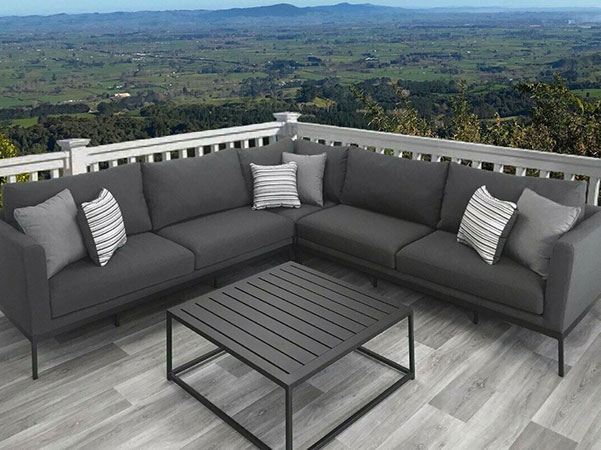
Can aluminum garden furniture be repainted or refinished for a fresh look?
Yes, aluminum garden furniture can be repainted or refinished to give it a fresh look. Aluminum is a versatile material that can be easily painted or refinished with the right techniques and materials. Here are some options to consider:
1. Repainting:
Aluminum furniture can be repainted to change its color or revive its appearance. Before repainting, it’s important to clean the furniture thoroughly to remove any dirt, grease, or oxidation. Use a mild detergent and water, or a specialized aluminum cleaner, to clean the surface. Rinse the furniture and let it dry completely.
Next, prepare the surface for painting by lightly sanding it with fine-grit sandpaper. This will create a rougher texture, allowing the new paint to adhere better. Wipe away any dust or debris from sanding.
Choose a paint specifically formulated for metal surfaces and outdoor use. Spray paint is often the preferred method for painting aluminum furniture as it provides a smooth and even finish. Apply multiple thin coats of paint, allowing each coat to dry before applying the next. Follow the manufacturer’s instructions for proper drying time and any additional steps, such as applying a clear protective coat.
2. Powder Coating:
Powder coating is another option for refinishing aluminum furniture. Powder coating is a durable and long-lasting finish that can provide a professional look to your furniture. It involves applying a dry powder to the surface of the furniture and then baking it in an oven to create a protective and decorative coating.
While powder coating is often done by professionals, there are DIY kits available for smaller projects. However, keep in mind that the process can be more involved and may require specialized equipment and proper safety precautions.
3. Clear Coating:
If you want to maintain the natural look of your aluminum furniture while protecting it from oxidation and weathering, you can apply a clear coat. Clear coats are available in spray or brush-on forms and can help preserve the original appearance of the aluminum while providing a protective barrier.
Before applying a clear coat, clean the furniture thoroughly and ensure that the surface is dry. Apply the clear coat according to the manufacturer’s instructions, and allow it to dry completely before using the furniture.
4. Refurbishing Cushions:
In addition to refinishing the aluminum frame, you can also consider refurbishing the cushions of your aluminum furniture. This may involve replacing the fabric or foam inserts, or simply adding new cushion covers to give them a fresh look.
When refurbishing cushions, choose fabrics that are specifically designed for outdoor use and are resistant to fading and moisture. Ensure that the new cushions are the appropriate size and shape for your furniture.
Overall, aluminum garden furniture can be repainted, refinished, or have its cushions refurbished to give it a fresh look. Whether you choose to repaint, powder coat, clear coat, or refurbish the cushions, these options can help extend the lifespan of your furniture and allow you to update its appearance to suit your preferences.

What are the advantages of lightweight aluminum garden furniture?
Lightweight aluminum garden furniture offers several advantages due to its unique properties. Here are some of the benefits of choosing lightweight aluminum garden furniture:
1. Easy Portability:
One of the primary advantages of lightweight aluminum garden furniture is its ease of portability. Aluminum is significantly lighter than materials like iron or steel, making it easier to move and rearrange your furniture as needed. Whether you want to change the seating arrangement, relocate the furniture to a different spot in the garden, or store it during certain seasons, the lightweight nature of aluminum makes these tasks much more convenient.
2. Maneuverability:
Due to its lightweight nature, aluminum garden furniture is highly maneuverable. You can easily carry and position the furniture without straining yourself. This aspect is particularly beneficial if you frequently need to move the furniture around to accommodate different occasions or activities in your outdoor space.
3. User-Friendly Assembly:
Lightweight aluminum furniture is often designed with user-friendly assembly in mind. The lighter weight makes it easier for individuals to handle and assemble the furniture pieces without requiring excessive strength or assistance. This aspect can be particularly useful when setting up or disassembling the furniture during different seasons or when moving to a new location.
4. Versatile Placement:
Because of its lightweight nature, aluminum garden furniture can be placed on various surfaces without causing damage or leaving significant imprints. Whether you have a patio, deck, grassy area, or uneven terrain, lightweight aluminum furniture can be easily positioned without the need for extensive modifications or reinforcements.
5. Efficient Storage:
Lightweight aluminum garden furniture is highly suitable for storage purposes. When not in use or during the off-season, you can stack, fold, or disassemble the furniture pieces and store them in a compact manner. This efficient storage capability is especially valuable if you have limited storage space.
6. Ease of Maintenance:
Another advantage of lightweight aluminum garden furniture is the ease of maintenance. Aluminum is resistant to rust, which eliminates the need for regular treatments or coatings to prevent corrosion. Additionally, cleaning lightweight aluminum furniture is relatively simple and can often be accomplished with mild soap and water or a gentle household cleaner.
In summary, the advantages of lightweight aluminum garden furniture include easy portability, maneuverability, user-friendly assembly, versatile placement options, efficient storage, and ease of maintenance. These features make lightweight aluminum an attractive choice for outdoor furniture, allowing you to enjoy your outdoor space with convenience and flexibility.
editor by CX 2023-10-23