Product Description
Our Strength
95% independent research and design.
90% approved BIFMA test.
85% obtained appearance patent
Clients’ privileges:
We updates 5 or more new models each year. You will be the first to have the latest design on your market.
We assured you with warranty for 5 years and be free to replace the conponents for natural damage.
Special discount for regular customers.
Scence Picture
Function Disply
Our component
Product Description
| Product Name | 6236A Wholesale Staff Full Mesh Office Chair |
| Model | 6236A |
| Materials | High-end mesh |
| Headrest | Intergrated Headrest |
| Back | PA+Glass Fiber frame back |
| Seat | Breathable Mesh Seat |
| Armrest | Adjustable armrest (up & down) |
| Mechanism | 3 position locking mechanism |
| Gas lift | SGS Approved Class 3 |
| Base | 340mm nylon 5 star |
| Wheels | 60mm mute PU wheels |
| Warranty | 5 years |
| Features | 1.Top-grade mesh 2.Soft ergonomic high backrest with excellent leisure enjoyment 3.Comfortable touch and sit feeling 4.Passed BIFMA and SGS certification 5.Optional colors available 6.Steady structure and Strong stability 7.Suitable for office and home |
| Color | Any of our standard colors can be chosen |
| Certification | SGS/BIFMA Test |
| MOQ | 1 PCS |
| Packing | 1.KD(knock down),1pcs/carton, carton size: 92*30*64cm/ctn 2. Regularly 5 layers export standard package(k=k) 3.Mainly with carton, necessary to protect material inside |
| Lead Time | 7-10 days after deposit received |
| Leading Port | FOB HangZhou/HangZhou or HangZhou. |
| Payment | T/T with 30% deposit and 70% balance before loading. |
| Loading Qty | 20GP: 138PCS’ 40HQ: 361PCS |
FAQ
1)What kind of furniture company you are?
ZheJiang HangZhou Bonai Furniture Co., Ltd. is a famous manufactory in Lonngjiang HangZhou China, found in 2014. We have rich experience in design, development, production and sale of furniture.
2)What are your main products?
Our main product includes office mesh chair, ergonomic chair, leather executive chair and training chair.
3)Do you have ODM&OEM service?
Sure, we have our own factory which can offer 50000pcs/month capability of production.
4)May I know some projects of you?
Supplier of Sihoo’s subsidiary brand — UMI which is famous on Amazon. DWD
5)How to process your Quality Control?
We have a QC team and completed set of testing equipment in our lab to control it, we arrange specially responsible person from material inspection before it enter into our stock, to inspection on line. Then recheck randomly again before load container, also will follow the whole loading process when load container, after shipment, we also will continue to follow the after-sale-service, each program have special responsible person to follow up.
6)Could you go to our country to do the field installation?
If the return fare and related spending were paid by you, we are able to go to your country. But we suggest better you do this by yourself according to our drawings.
7)How about your after- sales service?
We offer 5 years warranty. For the non-artificial damage, we will help to change the relative spare part for free.
| Style: | Modern |
|---|---|
| Material: | Fabric |
| Rotary: | Rotary |
| Armrest: | With Armrest |
| Folded: | Unfolded |
| Customized: | Customized |
| Samples: |
US$ 76.92/Piece
1 Piece(Min.Order) | |
|---|
| Customization: |
Available
|
|
|---|
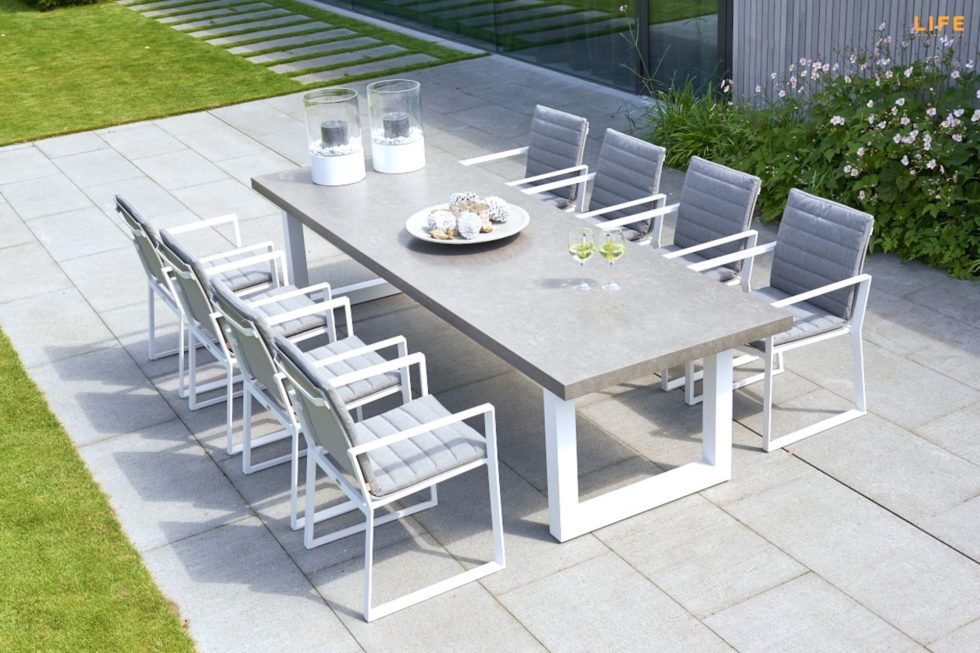
What are the best practices for storing aluminum chairs during the winter months?
When it comes to storing aluminum chairs during the winter months, it’s important to follow certain best practices to protect them from potential damage caused by cold temperatures, moisture, and harsh weather conditions. Here are some recommended practices for storing aluminum chairs during winter:
1. Clean and Dry:
Before storing your aluminum chairs, make sure to clean them thoroughly. Remove any dirt, debris, or stains using a mild soap and water solution. Allow the chairs to dry completely before proceeding with the storage process. Moisture can lead to corrosion or mold growth, so it’s crucial to ensure the chairs are fully dry.
2. Disassemble if Necessary:
If your aluminum chairs have removable parts or cushions, consider disassembling them before storage. This will help save space and prevent any damage during the storage period. Keep all the components organized and labeled to easily reassemble the chairs when the warmer season arrives.
3. Choose a Suitable Storage Location:
Find a dry and well-ventilated storage location for your aluminum chairs. Ideally, an indoor storage area such as a garage, basement, or shed is preferred. If indoor storage is not possible, consider using weatherproof covers or placing the chairs under a sturdy, waterproof tarp to protect them from direct exposure to rain, snow, and extreme weather conditions.
4. Elevate and Protect:
Avoid storing aluminum chairs directly on the ground, especially if the storage area is prone to moisture. Place the chairs on elevated surfaces such as wooden pallets, shelves, or storage racks. This helps promote air circulation and prevents moisture accumulation. Additionally, consider using furniture covers or blankets to provide an extra layer of protection against dust and potential scratches.
5. Avoid Stacking:
Stacking aluminum chairs during storage can lead to dents, scratches, or damage to the finish. If you need to conserve space, consider using chair storage racks or investing in stackable chairs specifically designed for efficient storage. If stacking is unavoidable, place protective padding or towels between the chairs to minimize contact and reduce the risk of damage.
6. Regular Inspection:
Periodically inspect your stored aluminum chairs throughout the winter months. Check for signs of moisture, mold, or pest infestation. If any issues are detected, address them promptly to prevent further damage. Additionally, ensure that the storage area remains dry and well-maintained to preserve the condition of the chairs.
By following these best practices, you can help ensure that your aluminum chairs remain in good condition during the winter months and are ready to be enjoyed again when the warmer weather returns.

What are the weight limits for different types of aluminum chairs?
The weight limits for different types of aluminum chairs can vary depending on various factors such as chair design, construction, and intended use. Here are some general guidelines for weight limits:
1. Dining Chairs:
Most standard aluminum dining chairs have a weight limit ranging from 250 to 300 pounds (113 to 136 kilograms). These chairs are designed for regular dining use and typically have a sturdy frame to support average adult weights.
2. Lounge Chairs:
Aluminum lounge chairs, which are designed for relaxation and reclining, often have higher weight limits compared to dining chairs. The weight limits for aluminum lounge chairs can range from 300 to 400 pounds (136 to 181 kilograms) or more. Lounge chairs with reinforced frames or additional support structures may have even higher weight capacities.
3. Stackable Chairs:
The weight limits for stackable aluminum chairs can vary depending on their specific design and construction. In general, stackable chairs have weight limits similar to dining chairs, typically ranging from 250 to 300 pounds (113 to 136 kilograms). However, it’s important to check the manufacturer’s specifications for each individual chair model, as weight limits can vary.
4. Outdoor Folding Chairs:
Outdoor folding chairs made of aluminum often have weight limits similar to stackable or dining chairs. The weight limits for these chairs typically range from 200 to 250 pounds (91 to 113 kilograms). Folding chairs with reinforced frames or additional support features may have higher weight capacities.
It’s important to note that these weight limits are general guidelines and may vary depending on the specific brand, model, and construction quality of the aluminum chairs. Additionally, factors such as how the chairs are used, the distribution of weight, and the durability of the materials can also impact the weight limits. It’s always recommended to refer to the manufacturer’s specifications and guidelines for the specific aluminum chairs you are considering to ensure they can safely accommodate the intended users.
By considering weight limits and choosing aluminum chairs that can comfortably support the weight of the users, you can ensure the durability and safety of the chairs for long-term use.

What are the popular design trends for modern aluminum chairs in outdoor spaces?
Modern aluminum chairs in outdoor spaces are often influenced by contemporary design trends. Here are some popular design trends you may find in modern aluminum chairs:
1. Sleek and Minimalist:
Many modern aluminum chairs feature sleek and minimalist designs. They often have clean lines, simple shapes, and a streamlined appearance. These chairs prioritize functionality and understated elegance, creating a sophisticated and uncluttered look in outdoor spaces.
2. Industrial-Inspired:
Industrial design elements have gained popularity in modern outdoor furniture, including aluminum chairs. Chairs with an industrial-inspired design may feature exposed metal frames, utilitarian aesthetics, and a combination of aluminum and other materials such as wood or leather. These chairs often create a contemporary and urban feel in outdoor spaces.
3. Mix of Materials:
Modern aluminum chairs may incorporate a mix of materials to add visual interest and texture. For example, chairs may feature aluminum frames combined with woven rattan or rope seats and backs. This combination of materials creates a contemporary and eclectic look, blending different textures and creating a unique design statement.
4. Bold Colors:
While aluminum chairs are often associated with neutral metallic tones, modern designs may embrace bold and vibrant colors. Chairs in shades like vibrant red, deep blue, or sunny yellow can add a pop of color to outdoor spaces and create a visually striking focal point. These chairs can be used to create a vibrant and playful atmosphere in modern outdoor settings.
5. Ergonomic Comfort:
Modern aluminum chairs prioritize ergonomic comfort, with attention to the shape and contours of the seat and backrest. These chairs may feature curved or contoured designs that offer optimal support and comfort for extended periods of sitting. Ergonomic features enhance the overall user experience and make the chairs more inviting and enjoyable.
6. Modularity and Versatility:
Modularity and versatility are popular trends in modern outdoor furniture, including aluminum chairs. Chairs with modular features allow for customization and flexibility in arranging outdoor seating areas. They may have interchangeable components or modular units that can be combined to create different seating configurations according to the specific needs and preferences of users.
It’s important to note that design trends can evolve over time, and individual preferences may vary. When selecting modern aluminum chairs for your outdoor space, consider your personal style, the overall aesthetic you want to achieve, and how well the design trends align with your vision.
By exploring these design trends, you can find modern aluminum chairs that enhance the visual appeal and functionality of your outdoor spaces, creating a contemporary and inviting atmosphere.
editor by CX 2023-11-30
China Standard Stackable Outdoor Portable Camp Kermit Chair Wood Camping Chair Picnic Folding Chairs vacuum pump electric
Product Description
1. Modern imitation design, lightweight, folding, special for outdoor camping, fishing, park,beach,and so on.
2.Sturdy enough to support .
3.Environmental friendly aluminum alloy materail.
| Material | 6063 CHINAMFG Alloy/600D Oxford Cloth |
| Color | Khaki/Black |
| Size | 55*43*61CM/55*53*78CM |
| Packing Size | 58.5 * 56.5 * 9.5CM |
| Weight | 2.7kg |
| Load Capacity | About 120kg |
| Application | Villa, Farmhouse, Outdoor, Basement, Dining,Camping,Fishing,Beach, Leisure Facilities, Park |
Viltis is 1 of the professional manufacturing and exporting mountain bike suppliers in China.The main products we produce are mountain bike,road bike,fat bike,kids bike,city bike,folding bike,e-bike and bicycle parts.We have our own technical team with more than 15 years of experience and 10 years of experience in making OEM bikes for foreign customers.Our factory have our own alloy&steel frame workshop and painting workshop. It is located in the biggest bicycle industry development zone in ZheJiang . We have been exported bicycles and bicycle parts to more than 50 countries and areas all over the word.
Our company puts quality first, is committed to providing customers with competitive one-stop solutions and services, and continues to create maximum value for customers.
We are looking CHINAMFG to building long-term and cooperative relationships with customers all over the world based on trust and mutual benefits.
WHY CHOOSE US
1.15 years of technical precipitation,quality assurance!
2.Workers are well trained,each part will be tested&inspected before shipment!
3.VIP customized service!
4.24 hours Customer service!
5.Fast delivery!
Q1:What are the payment terms?
A:We usually accept payment by T/T, Paypal or Western Union,STS(Secured Trading Services) in Made-in-China.
Q2:This is my first time to import,how can I trust your company and ensure to get goods if I order from you?
A:We are a certified member merchant of Made-in-China,and we support Secured Trading Services in Made-in-China.Only after you get the order,can we get the payment from your side.
Q3:Are you factory or trading company?
A:We are factory & trade integrated company. We have more than 10 years of experience in making OEM bikes for foreign customers.
Q4:What is your samples policy?
A:We can offer samples,but we will charge according to the actual situation.If you place a batch order next time,we can subsidize part of the sample cost.
Q5:What is your trade terms and payment term?
A:We support EXW,FOB,CIF and CFR.Payment term is 30% deposit by T/T before mass production,and balance before shipping.
Q6:Can you make the bikes according to our drawing?/Do you support customization?
A:Yes,we can.You need to send drawings to us in advance to confirm whether it is available.
| Material: | Aluminum Alloy |
|---|---|
| Type: | Folding Chair |
| Style: | Modern |
| Usage: | Beach, Camping |
| Folded: | Folded |
| Armrest: | With Armrest |
| Samples: |
US$ 23/Piece
1 Piece(Min.Order) | |
|---|
| Customization: |
Available
|
|
|---|
Where can consumers find durable and high-quality aluminum beach chairs for purchase?
Consumers can find durable and high-quality aluminum beach chairs for purchase from various sources. Here’s a detailed explanation:
1. Outdoor Retailers: Outdoor retailers specializing in camping, hiking, or beach gear often carry a wide range of aluminum beach chairs. These retailers may have physical stores where customers can personally examine the chairs’ quality and durability. Additionally, many outdoor retailers also operate online platforms, making it convenient for consumers to browse and purchase beach chairs from the comfort of their homes.
2. Furniture Stores: Some furniture stores offer a selection of outdoor furniture, including aluminum beach chairs. These stores may have dedicated outdoor sections or showrooms where customers can explore different chair models and test their sturdiness and comfort. Furniture stores often provide a range of options in terms of design, style, and quality, allowing consumers to find chairs that meet their specific requirements.
3. Online Marketplaces: Online marketplaces such as Amazon, eBay, or Walmart.com offer a wide variety of aluminum beach chairs from different brands and sellers. These platforms provide detailed product descriptions, customer reviews, and ratings, helping consumers assess the quality and durability of the chairs before making a purchase. Online marketplaces also offer the convenience of comparing prices and features from multiple sellers in one place.
4. Manufacturer Websites: Many manufacturers of aluminum beach chairs have their own websites where consumers can directly purchase their products. Visiting the manufacturer’s website allows customers to explore the full range of chair models, learn about the brand’s commitment to quality and durability, and potentially access exclusive deals or promotions. Manufacturer websites often provide detailed product specifications and customer support channels for any inquiries or assistance.
5. Outdoor Specialty Stores: Outdoor specialty stores that focus on beach and outdoor recreational equipment may offer a selection of high-quality aluminum beach chairs. These stores cater specifically to outdoor enthusiasts and may carry chairs that are designed to withstand rugged outdoor conditions and frequent use. Shopping at outdoor specialty stores can provide access to expert advice from staff knowledgeable about outdoor gear.
6. Local Retailers: Local retailers such as department stores, home improvement stores, or beach supply stores may also carry aluminum beach chairs. These retailers are often found in local communities and provide the convenience of in-person shopping. Checking with local retailers can be beneficial for consumers who prefer to physically inspect and test the chairs before making a purchase.
When searching for durable and high-quality aluminum beach chairs, it’s important to consider factors such as material quality, construction, weight capacity, and customer reviews. Reading product descriptions, specifications, and customer feedback can provide valuable insights into the chairs’ durability and overall quality.
By exploring these various sources, consumers can find durable and high-quality aluminum beach chairs that meet their preferences, ensuring comfortable and long-lasting seating for their outdoor adventures.
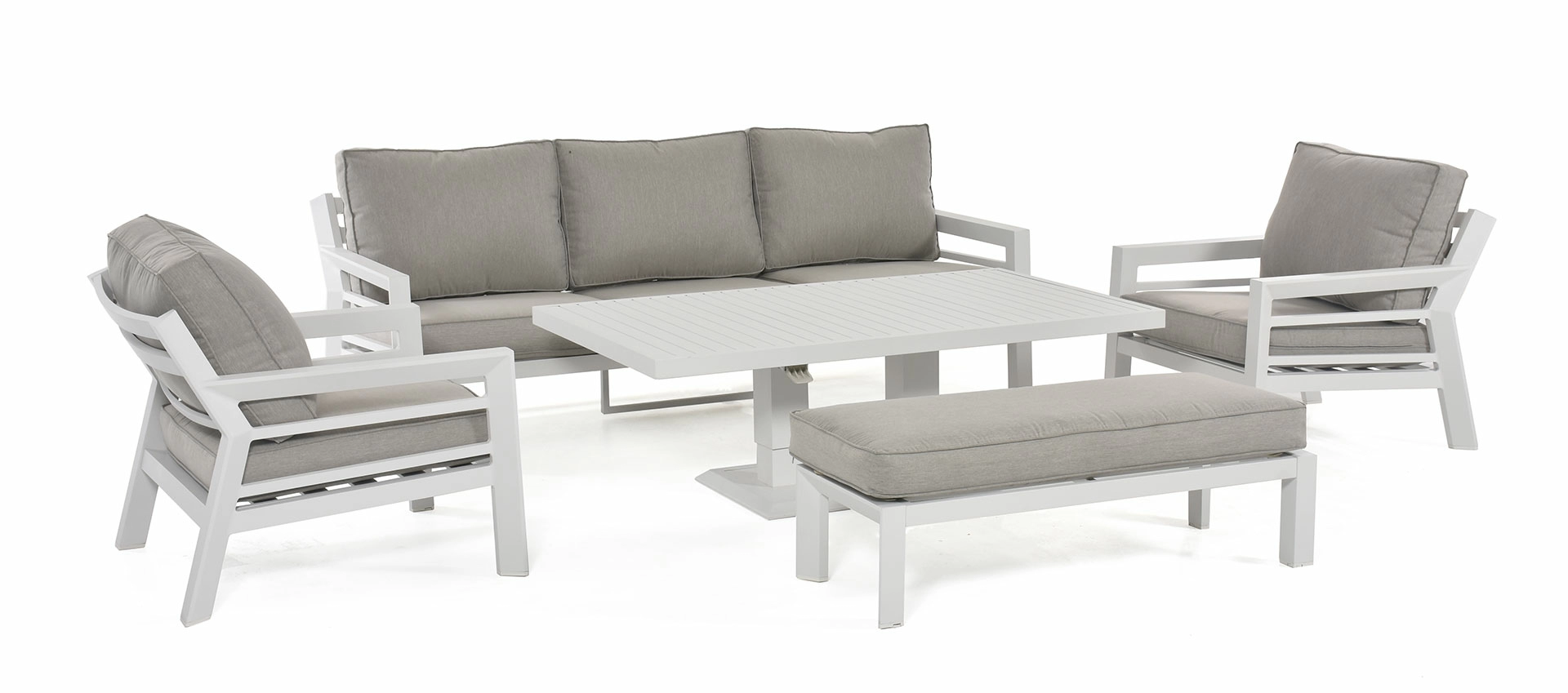
What is the recommended maintenance for keeping aluminum beach chairs in good condition?
Maintaining aluminum beach chairs properly is essential to ensure their longevity and keep them in good condition. Here’s a detailed explanation of the recommended maintenance practices:
1. Cleaning: Regular cleaning is important to remove dirt, sand, salt, and other debris that can accumulate on the chair. Use a mild soap or detergent mixed with water and a soft brush or cloth to gently scrub the aluminum frame and fabric surfaces. Rinse thoroughly with clean water and allow the chair to air dry before storing or using it again.
2. Preventing Corrosion: While aluminum is naturally resistant to corrosion, it’s still advisable to take preventive measures to protect the chair. Avoid exposing the chair to harsh chemicals, saltwater, or corrosive substances that can accelerate corrosion. If the chair comes into contact with saltwater, rinse it thoroughly with freshwater as soon as possible to remove any salt residue.
3. Storage: When not in use, it’s recommended to store aluminum beach chairs in a cool, dry place to protect them from excessive sun exposure, moisture, and other environmental factors. If possible, store the chairs in a covered area or use protective covers to shield them from direct sunlight, rain, and dust. Folding chairs can be folded and stacked to save space.
4. Inspecting and Repairing: Regularly inspect the chair for any signs of damage, loose screws, or wear and tear. If you notice any issues, such as loose joints or torn fabric, address them promptly. Tighten loose screws or bolts, and consider replacing damaged or worn-out parts, such as fabric slings or plastic components, according to the manufacturer’s instructions.
5. Avoiding Overloading: Follow the weight capacity guidelines provided by the manufacturer to prevent overloading the chair. Exceeding the weight limit can strain the chair’s structure and lead to damage or breakage. If you require a higher weight capacity, consider choosing a beach chair specifically designed for heavier individuals.
6. Avoiding Sharp Objects: Be mindful of sharp objects, such as knives, keys, or sharp-edged items, when using the beach chair. These objects can scratch or puncture the aluminum frame or tear the fabric. Take care to prevent accidental damage by keeping sharp objects away from the chair.
7. Following Manufacturer’s Guidelines: Always refer to the manufacturer’s guidelines and instructions for specific care and maintenance recommendations. Different beach chairs may have unique features or materials that require specific care. The manufacturer’s instructions will provide guidance on cleaning methods, recommended cleaning agents, and any specific maintenance requirements.
By following these recommended maintenance practices, you can help keep your aluminum beach chairs in good condition, prolong their lifespan, and ensure that they remain safe and comfortable for your outdoor relaxation.

Are aluminum beach chairs resistant to rust and corrosion in saltwater environments?
Yes, aluminum beach chairs are resistant to rust and corrosion in saltwater environments. Here’s a detailed explanation:
Aluminum is a highly corrosion-resistant material, making it well-suited for use in saltwater environments such as beaches. When exposed to saltwater or other corrosive elements, aluminum forms a protective layer called aluminum oxide. This layer acts as a barrier, preventing further corrosion and protecting the underlying metal from damage.
The resistance of aluminum to rust and corrosion is one of its key advantages over other materials commonly used in beach chairs, such as steel or iron. Unlike these materials, aluminum does not easily oxidize or deteriorate when exposed to saltwater and atmospheric moisture.
Furthermore, manufacturers of aluminum beach chairs often apply additional protective coatings or finishes to enhance their resistance to corrosion. These coatings can include powder coating, anodizing, or other specialized treatments. These protective layers provide an extra level of defense against saltwater, preventing the aluminum from coming into direct contact with corrosive substances.
It’s important to note that while aluminum beach chairs are resistant to rust and corrosion, they are not entirely immune. Prolonged exposure to saltwater without proper care and maintenance can eventually lead to some corrosion or discoloration over an extended period. However, with regular cleaning and basic maintenance, such as rinsing off saltwater and wiping down the chair, the risk of corrosion can be minimized.
Additionally, it’s worth considering that the hardware and components of the beach chair, such as screws, hinges, or fasteners, may not always be made of aluminum. These parts may be made of other materials that are more susceptible to rust and corrosion. Therefore, it’s essential to check the specific construction and components of the beach chair to ensure their durability in saltwater environments.
In summary, aluminum beach chairs are resistant to rust and corrosion in saltwater environments due to the natural corrosion resistance of aluminum and the additional protective coatings or finishes applied by manufacturers. However, regular maintenance and care are still necessary to prolong the lifespan and appearance of the chair in such environments.
editor by CX 2023-11-30
China supplier Modern Outdoor Patio Swing Chair Two Seat Patio Swing Wicker Chair vacuum pump
Product Description
Product Description
1 ,Rattan: UV resistant, water-proof and fire-proof
2 ,Frame constructure: sturdy, strong and light weight with good powder coating aluminum frame, never rust, the surface is treated with powder coated and oxidation and sensational fastness.
3 ,Color and size are optional,it also can be according to the design and requirement of customers.
4 ,Cushion::easily removable cushion and cover with high density foam
5 ,It’s suitable for you to be used in indoor house and outdoor place, to feel comfortable.
6 ,Two to Three years guarantee use.
7 ,Those items of the constructure is very strong and light weight, also very comfortable
8 ,Stater and UV resistant synthetical rattan, can be exposed in all weather elements. UV-resistance SGS tested.
9 ,The design are good to save the container space, so it could save the shipment cost.
10,This style are worthy and have big loadability, also the price is reasonable.
Professional production procedure
PE Rattan Board /Fabric Color
Project Cases
Company Profile
Welcome to Top Glory Furniture, your reliable partner in China. Our company are located in HangZhou, ZheJiang , China. Our main products: Garden furniture, Patio furniture, Outdoor furniture, wicker furniture, PE rattan furniture, Sythetic Furniture, Stainless steel furniture, PP outdoor sofa and chairs, leather sofa, fabric sofa.
HangZhou XIHU (WEST LAKE) DIS. TOP GLORY have founded since 2008. More than 9 years in furniture exporting experirences. We are professional in furniture business and we will become your reliable patner in China. More than 90% of our goods and services are delivery to Europe, America and Australia. We are strict in the quality of the products and have achieved the SGS authentication.
People in TOP GLORY all believe that Today′s quality is Tomorrow′s market.
-Hight quality PE rattan(Viro rattan/Rehau Rattan) outdoor fabric cushions(Sunflower) strong aluminium frame, import top leather from Brasil and Italy.
-Hight quality teak wood: Import from Myanmar
-professional and skillful hand wicker outdoor furniture
-Hight and strictly in quality control, quality is our life, quality is our clients′ benefit and profit.
-Factory Design/ Research and Development: 20 workers
-Factory Employee: 300peoples
-Factory Showroom: 10, 000 sqm
Welcome to TOP GLORY furniture!
Our Factory
More Designs
Advantage
1: Green Product and pro-environment furniture, weatherproof and colorfast
2. UV resistant PE rattan and aluminum frame with soft cushion
3. Excellent Handweaving Technique with fashion design
4: High Quality with competitive price and timely delivery.
Our Service
We care about the future of our business, with high quality products and perfect service base on our efficient management and professional work teams
We also accept OEM order
Thank you for visting our website, we warmly welcome you to send us any questions or inquiries that you may have. we are sincerely looking CHINAMFG to hear from you.
FAQ:
Production Lead Time.
1. High Season (September to April): 30-40 days .
2. Low Season (May to August): around 18-25 days .
3. We will come up with a detailed production schedule for each order and this schedule will be a platform for onward communication between customers and us.
Payment Terms
1. 30% down payment before production and balance before shipment.
2. We can offer different pricing of FOB, CIF and C&F.
3. Cash, Ali Express Escrow, Paypal, West Union, Money Gram, Bank Transfer and L/C are all available.
| Weight Capacity: | 80-200 kg |
|---|---|
| Capacity: | Double |
| Fabric: | Aluminum |
| Style: | Garden,Beach,Balcony |
| Size: | Single |
| Color: | Optional |
| Customization: |
Available
|
|
|---|
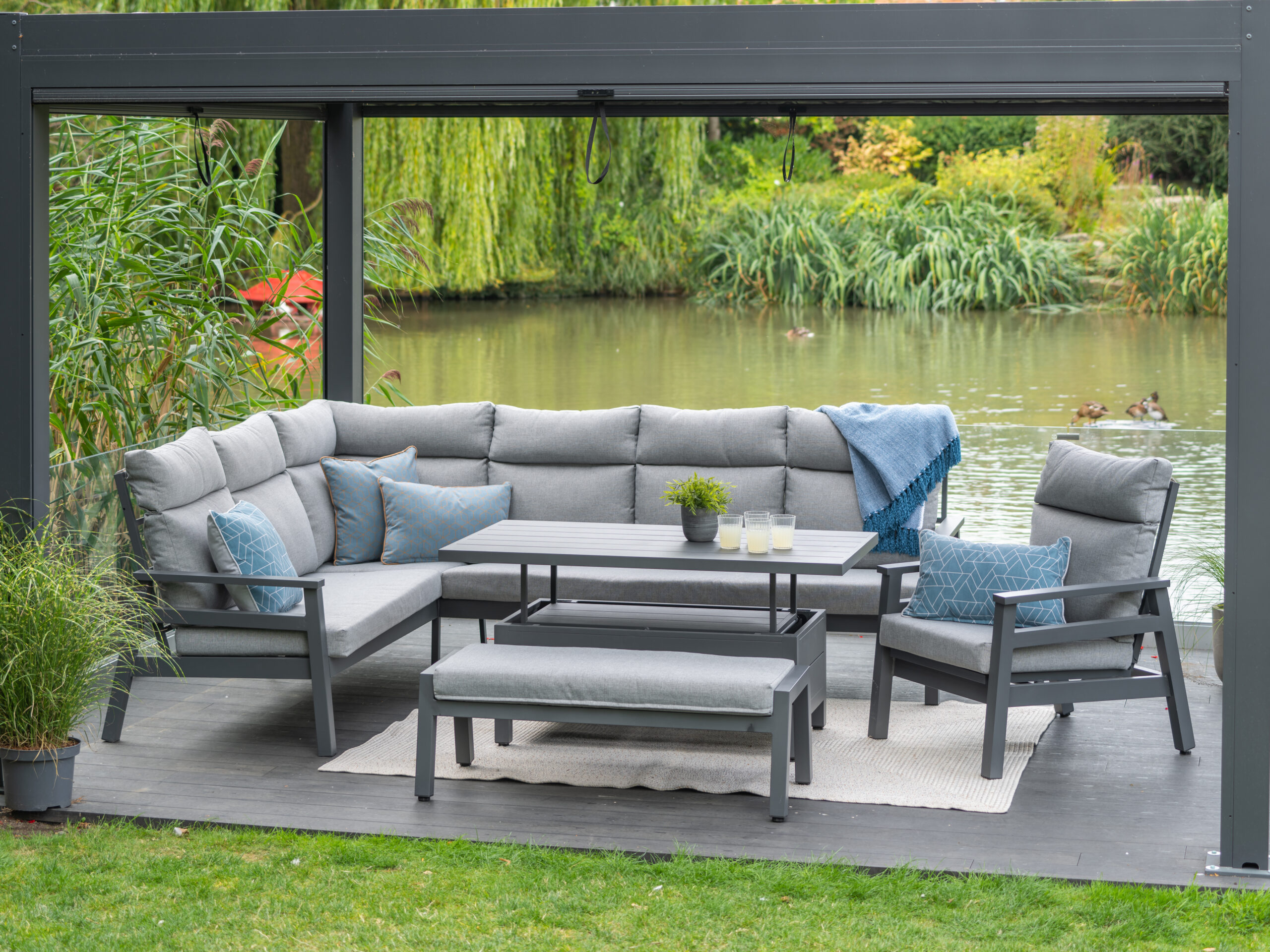
Can aluminum beach chairs be used on other outdoor surfaces besides the beach?
Yes, aluminum beach chairs can be used on other outdoor surfaces besides the beach. Here’s a detailed explanation:
Aluminum beach chairs are versatile outdoor seating options that can be used in various outdoor settings, not limited to just the beach. While they are designed with features specifically for beach use, such as lightweight construction and resistance to water and sand, these chairs can be suitable for other outdoor surfaces as well.
1. Picnics and Parks: Aluminum beach chairs can be used for picnics and outings in parks or other outdoor recreational areas. They provide a portable and comfortable seating solution for enjoying meals, relaxing, or socializing in outdoor settings. The lightweight nature of aluminum beach chairs makes them easy to carry to different picnic spots within the park.
2. Camping: Aluminum beach chairs can be used for camping trips. They are compact and lightweight, making them convenient for packing and transporting to campsites. These chairs offer a comfortable seating option around the campfire, at the campsite, or for enjoying the scenic views in nature.
3. Backyard or Patio: Aluminum beach chairs can be used in backyard or patio settings. They provide a portable and versatile seating option for outdoor gatherings, barbecues, or simply relaxing in the comfort of one’s own outdoor space. Aluminum chairs are usually weather-resistant, allowing them to withstand exposure to the elements.
4. Sports Events: Aluminum beach chairs can be taken to sports events, such as outdoor concerts, soccer games, or outdoor festivals. Their portability and lightweight design make them easy to carry to these events. Users can unfold the chairs and enjoy comfortable seating while watching the event.
5. Boating or RVing: Aluminum beach chairs can be used during boating or RV trips. Their lightweight construction and foldability make them convenient for storage and transportation on boats or recreational vehicles. Users can set up the chairs on the deck of a boat or outside an RV to relax and enjoy the surrounding views.
While aluminum beach chairs can be used on various outdoor surfaces, it’s important to consider the specific features and limitations of the chair. For example, some aluminum beach chairs may have pointed legs that are not suitable for soft or uneven surfaces. It’s advisable to check the manufacturer’s guidelines and recommendations regarding the chair’s usage on different outdoor surfaces.
Overall, aluminum beach chairs offer flexibility and comfort beyond just beach use, making them a versatile seating option for different outdoor environments.
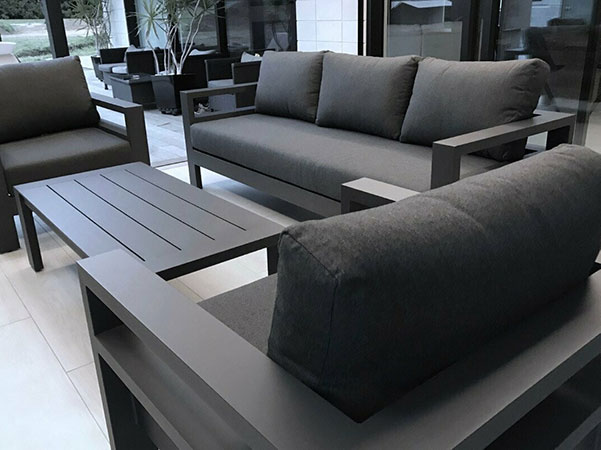
Are there specific safety features associated with aluminum beach chairs?
Yes, aluminum beach chairs often come with specific safety features to enhance user comfort and protect against potential hazards. Here’s a detailed explanation:
1. Sturdy Construction: Aluminum beach chairs are designed with a sturdy frame made of aluminum, which is known for its strength and durability. The frame provides stability and support, allowing users to sit or recline comfortably without the risk of the chair collapsing or tipping over.
2. Weight Capacity: Manufacturers provide weight capacity guidelines for their beach chairs, indicating the maximum weight the chair can safely support. It’s important to adhere to these weight limits to prevent overloading the chair and compromising its structural integrity.
3. Locking Mechanisms: Reclining beach chairs often feature locking mechanisms that allow users to secure the chair in their desired reclining position. These mechanisms prevent accidental folding or collapsing of the chair while the user is seated and ensure stability and safety during use.
4. Non-Slip Feet: Many aluminum beach chairs come with non-slip feet or leg caps. These rubberized or textured caps provide traction and stability, preventing the chair from sliding or slipping on smooth or uneven surfaces. Non-slip feet enhance user safety, especially on sandy or slippery beach terrains.
5. Safe Folding Mechanisms: Folding beach chairs are designed with mechanisms that allow for easy folding and unfolding. These mechanisms often include locking features or safety latches to ensure that the chair remains securely in the open position during use and doesn’t accidentally fold up while someone is sitting on it.
6. Comfort Features: While not directly related to safety, the comfort features of beach chairs contribute to a safer and more enjoyable experience. Features such as padded seats, adjustable headrests, and ergonomic designs promote proper posture and reduce the risk of discomfort or strain during extended periods of use.
7. UV Protection: Some aluminum beach chairs incorporate UV-resistant materials in the fabric or include a sunshade or canopy attachment to provide protection against harmful UV rays. This feature helps safeguard users from sunburn and reduces the risk of long-term sun damage.
While aluminum beach chairs typically have these safety features, it’s important for users to exercise caution and follow general safety guidelines when using any type of outdoor furniture. Here are a few additional safety tips:
- Ensure the chair is properly set up on stable ground, avoiding uneven surfaces or areas prone to sinking.
- Avoid leaning back too far or placing excessive weight on the backrest to prevent tipping.
- Do not stand or climb on the chair, as it’s designed for seated use only.
- Keep children supervised while using beach chairs to prevent accidents or misuse.
- Follow the manufacturer’s instructions for proper use, maintenance, and weight limitations.
By being mindful of these safety features and guidelines, users can enjoy their aluminum beach chairs with confidence, knowing that they are designed to provide a comfortable and secure seating experience in outdoor environments.

Can aluminum beach chairs be easily folded and carried for portability?
Yes, aluminum beach chairs are designed to be easily folded and carried, making them highly portable. Here’s a detailed explanation:
Aluminum beach chairs are known for their lightweight construction, which contributes to their portability. The use of aluminum as the primary material allows these chairs to be significantly lighter compared to chairs made from heavier materials like wood or steel. This lightweight nature makes them easy to carry and transport, especially during beach outings or other outdoor activities.
Most aluminum beach chairs are designed with a folding mechanism that allows them to be quickly and conveniently folded into a compact size. Folding the chair typically involves collapsing the seat and backrest, reducing the overall dimensions and making it easier to carry or store. The folding mechanism is usually simple and user-friendly, requiring minimal effort and time to fold or unfold the chair.
Once folded, aluminum beach chairs can be carried using various methods. Many chairs feature built-in handles or straps that allow you to carry them like a briefcase or shoulder bag. These handles or straps are designed to provide a comfortable grip and distribute the weight evenly, ensuring ease of transport. Some chairs may also come with carrying cases or bags that provide additional protection and convenience when carrying them.
Furthermore, the compact size achieved through folding makes it easier to fit the aluminum beach chair into the trunk of a car, a beach bag, or other storage spaces. This convenience allows you to take the chair with you wherever you go, whether it’s a day trip to the beach, a picnic in the park, or camping in the great outdoors.
It’s important to note that while aluminum beach chairs are generally designed for easy folding and portability, the specific folding mechanism and portability features can vary between different models and brands. It’s recommended to check the product specifications or descriptions to ensure that the chair meets your desired level of portability and ease of folding.
In summary, aluminum beach chairs are designed to be easily folded and carried, offering high portability. Their lightweight construction, folding mechanisms, and built-in handles or straps make them convenient to transport and store. Whether you’re heading to the beach, going on a camping trip, or enjoying outdoor activities, aluminum beach chairs provide a portable seating solution that can be easily folded and taken along with you.
editor by CX 2023-11-30
China Professional 11kw 15HP Industrial Oil Free Air Compressor Low Pressure Piston Driven Air Compressor best air compressor
Product Description
11KW 15HP Industrial Oil Free Air Compressor Low Pressure Piston Driven Air Compressor
|
Model |
Air Capacity (Nm3/min) |
Discharge Pressure (Mpa) |
Motor Power (KW) |
Running Speed (r.p.m) |
|
09W-1.30/10 |
1.3 |
1.0 |
11 |
670 |
|
09W-1.60/8 |
1.6 |
0.8 |
11 |
820 |
Main features of 11KW 15HP Industrial Oil Free Air Compressor Low Pressure Piston Driven Air Compressor:
-Shangair patent cylindrical direct-flow valve is used by our compressors. The valve is made from the stainless steel belt imported from Sweden and it is free from fracture during the working life.
-The piston of our air compressor applies the integral cast chromium plating ring, the working life is extended by 3 to 4 times.
-Shangair’s unique compressor dynamic balancing technology. The vibration is only as a quarter of the world standard.
-The whole air compressor adopts rolling bearing without bearing shell
-To ensure safety and reliability of air compressor, redundancy design principle is adopted and multiple protection measures are taken: such as overload protection; overheat protection; phase-failure protection; low-voltage protection; drainage while stop running; startup under the condition pressure is zero.
-High reliability, long maintenance cycle, very low oil consumption (oil-saving), low energy (power saving), these dramatically reduce the general operating cost of our air compressors.
Detailed Images:
Customer site:
Our Services:
Pre-Sales Service
* Inquiry and consulting support.
* Sample testing support.
After-Sales Service
* Training how to instal and use the machine.
* Online technical support.
Our Certificates:
Our Factory:
HangZhou CHINAMFG Mechatronics Technology Co., Ltd. is a professional trading company integrating R&D, manufacturing and sales. We are mainly engaged in compressor supply and technical service upgrade, compressor accessories supply as well as a variety of automotive electronics and lighting products. Professional service and high quality products have won high recognition of customers.
FAQ:
1. Why do you choose us?
We are the authorized agent of CHINAMFG compressor factory with professional technicians, we can provide online after-sales support.
2.Do you have compressor and accessories stock?
We have some common models compressor and accessories stock in factory.
3.Do you have price advantage?
We can get a big discount from the manufacturer so we can give our customers a good price.
| Lubrication Style: | Lubricated |
|---|---|
| Cooling System: | Air Cooling |
| Cylinder Arrangement: | Parallel Arrangement |
| Cylinder Position: | Angular |
| Structure Type: | Closed Type |
| Compress Level: | Multistage |
| Samples: |
US$ 2800/Piece
1 Piece(Min.Order) | |
|---|
| Customization: |
Available
|
|
|---|
.webp)
Can Water-Lubricated Compressors Be Used in High-Pressure Applications?
Water-lubricated compressors can be used in high-pressure applications, but there are certain considerations and limitations to keep in mind. Here’s a detailed explanation:
Water-lubricated compressors are typically designed for lower to medium-pressure ranges. They are commonly used in applications where the required discharge pressure does not exceed a certain threshold, typically up to a few hundred pounds per square inch (psi). However, there are specialized water-lubricated compressors available that can handle higher pressures, depending on the specific design and construction.
The ability of a water-lubricated compressor to operate at high pressures depends on several factors:
- Compressor Design: The design and construction of the compressor play a crucial role in determining its maximum pressure rating. Compressors designed for high-pressure applications need to have robust components, such as reinforced casings, high-strength materials, and proper sealing mechanisms to withstand the elevated pressures. Special attention should be given to the design of the water-lubricated bearing system to ensure it can handle the increased loads and pressures.
- Water Supply and Cooling: High-pressure compressors generate more heat during the compression process, requiring efficient cooling mechanisms to maintain safe operating temperatures. Sufficient water supply and cooling capacity must be available to handle the increased heat load. Adequate flow rates, temperature control, and cooling methods, such as water jackets or external cooling systems, may be necessary to prevent overheating and ensure proper lubrication and cooling of the compressor components.
- Water Quality: The quality of the water used for lubrication becomes even more critical in high-pressure applications. Any impurities, contaminants, or minerals present in the water can cause increased wear, corrosion, or blockages, jeopardizing the compressor’s performance and reliability. Water treatment or filtration systems may be required to maintain the desired water quality and prevent damage to the compressor.
- Sealing and Leakage Control: As the pressure increases, it becomes more challenging to maintain effective sealing and prevent leakage in the compressor system. Proper sealing mechanisms, such as high-quality seals and gaskets, are essential to ensure minimal leakage and maintain the required pressure levels. Adequate monitoring and maintenance of the sealing components are necessary to prevent energy losses and ensure the compressor’s efficiency.
It’s worth noting that for extremely high-pressure applications, water-lubricated compressors may not be the most suitable choice. In such cases, alternative lubrication methods, such as oil or specialized lubricants, are often preferred to handle the extreme pressures and provide adequate lubrication and cooling.
When considering the use of water-lubricated compressors in high-pressure applications, it is crucial to consult with the compressor manufacturer or a qualified engineer to ensure that the chosen compressor model is specifically designed and rated for the desired pressure range. Proper installation, maintenance, and adherence to the manufacturer’s guidelines are essential to ensure the safe and efficient operation of the compressor in high-pressure conditions.
.webp)
How Do You Troubleshoot Common Problems with Water-Lubrication Systems?
When encountering common problems with water-lubrication systems, it is essential to follow a systematic troubleshooting approach. Here’s a detailed explanation of the steps involved in troubleshooting common issues with water-lubrication systems:
Step 1: Identify the Problem:
The first step is to identify the specific problem or symptom that is affecting the water-lubrication system. Common problems may include inadequate lubrication, water leaks, abnormal noises, or reduced system performance. Understanding the specific issue will help in determining the appropriate troubleshooting steps.
Step 2: Check Water Supply:
Verify that there is a proper water supply to the system. Ensure that the water source is connected and flowing adequately. Check for any obstructions or restrictions in the water lines that may be affecting the water flow to the lubrication system.
Step 3: Inspect Water Filters and Strainers:
Water filters and strainers are used in water-lubrication systems to remove debris and impurities from the water. Inspect these filters and strainers for clogs or blockages that may be hindering the water flow. Clean or replace the filters as necessary to ensure proper water filtration.
Step 4: Verify Water Pressure:
Check the water pressure within the system to ensure it falls within the recommended range. Low water pressure can result in inadequate lubrication, while high water pressure can cause leaks or damage to the system. Use a pressure gauge to measure the water pressure and adjust it if necessary according to the manufacturer’s guidelines.
Step 5: Examine Water-Lubrication Components:
Closely inspect the various components of the water-lubrication system, including the water pump, distribution lines, lubrication points, and seals. Look for signs of wear, damage, or misalignment that may be contributing to the problem. Tighten loose connections and replace any damaged or worn-out components as needed.
Step 6: Check for Air in the System:
Air trapped within the water-lubrication system can affect its performance. Bleed the system to remove any trapped air. Follow the manufacturer’s instructions for bleeding air from the system, which typically involves opening specific valves or vents until a steady flow of water is achieved.
Step 7: Inspect Cooling Mechanisms:
Water-lubrication systems often incorporate cooling mechanisms, such as heat exchangers or radiators, to dissipate excess heat. Inspect these cooling components for blockages, corrosion, or leaks that may be compromising their effectiveness. Clean or repair the cooling mechanisms as necessary to ensure proper heat dissipation.
Step 8: Consult Manufacturer Documentation:
If the troubleshooting steps above do not resolve the problem, refer to the manufacturer’s documentation, such as the user manual or technical specifications. These resources may provide specific troubleshooting guidelines, diagnostics, or additional maintenance procedures for the water-lubrication system.
Step 9: Seek Professional Assistance:
If the problem persists or if the troubleshooting steps are beyond your expertise, it is advisable to seek professional assistance. Contact the manufacturer’s technical support or consult a qualified technician with experience in water-lubrication systems. They can provide expert guidance and assistance in resolving complex issues.
By following these troubleshooting steps, you can effectively identify and address common problems encountered in water-lubrication systems, ensuring optimal performance and reliability.
.webp)
How Is Water Quality Crucial for the Performance of These Compressors?
Water quality plays a crucial role in the performance of water-lubricated air compressors. The quality of the water used for lubrication directly impacts the efficiency, reliability, and lifespan of these compressors. Here are the key reasons why water quality is essential for optimal compressor performance:
- Lubrication effectiveness: Water serves as the lubricant in water-lubricated air compressors. The water forms a protective film between moving parts, reducing friction and wear. However, if the water contains impurities or contaminants, it can compromise the lubricating properties. Impurities like minerals, sediments, or dissolved solids can hinder the formation of an effective lubricating film, leading to increased friction and potential damage to the compressor components.
- Corrosion prevention: Water with high mineral content, such as hard water, can promote corrosion within the compressor system. Minerals like calcium and magnesium can react with metal surfaces, leading to rust, scale formation, and degradation of internal components. Corrosion compromises the structural integrity of the compressor, reduces its efficiency, and may result in costly repairs or even premature failure.
- Preventing blockages: Poor water quality can result in the accumulation of sediments, debris, or contaminants within the compressor system. These deposits can block water passages, filters, or valves, impeding the flow of water and affecting the overall performance of the compressor. Restricted water flow may lead to inadequate cooling, reduced lubrication, and compromised efficiency.
- Preventing fouling and fouling-related issues: Fouling refers to the accumulation of organic or inorganic deposits on heat transfer surfaces, such as heat exchangers or radiators, within the compressor system. Poor water quality can contribute to fouling, reducing heat transfer efficiency and impairing the cooling capacity of the compressor. This can result in elevated operating temperatures, decreased performance, and potential damage to the compressor.
- System cleanliness: Clean water is crucial for maintaining a clean and sanitary compressor system, especially in industries like food and beverage or medical applications. Contaminated water can introduce harmful bacteria, microorganisms, or particles into the compressor, posing a risk to product quality, safety, or patient well-being.
To ensure optimal performance and longevity of water-lubricated air compressors, it is important to monitor and maintain the quality of the water used for lubrication. Regular water analysis, proper filtration, and appropriate water treatment measures should be employed to remove impurities, control mineral content, and maintain the desired water quality. By ensuring clean and high-quality water, the compressor can operate efficiently, minimize the risk of component damage, and contribute to a reliable and safe compressed air system.


editor by CX 2023-11-30
China Good quality Favorable Price Advanced Cooling Systems Air Cooling Medium High Pressure Compressor air compressor for sale
Product Description
Detailed Photos
Favorable Price Advanced Cooling Systems Air Cooling Medium High Pressure Compressor
Description&Advantages
Product Descriptions:
High-pressure series compressors, medium-to-high pressure compressors for oil fields, general-purpose piston compressors, oil-free compressors of DW, VW, MZD, SF types, liquefied petroleum gas (LPG) circulation compressors, natural gas and gas bottle filling series compressors, and various types of pressure vessels. We can provide compressors with a discharge capacity ranging from 300 to 12000 nm³/h and discharge pressures from 0.2 to 45 MPa, suitable for compressing air, nitrogen, liquefied petroleum gas, coal gas, natural gas, carbon dioxide, propane, ethylene, ammonia, difluoroethane, and other mediem. With over 600 different models, our products are widely used in urban construction, petroleum, coal, geology, chemical, metallurgy, machinery manufacturing, medical, food and beverage, liquefied gas stations, natural gas stations, and other fields
ASC Compressor Factory are oil-free lubrication reciprocating piston compressors developed in collaboration with the German company CHINAMFG DEMAG. These models are known for their low energy consumption, minimal noise, reduced vibration, high reliability, and easy operation.
Each unit primarily consists of the compressor mainframe, electric motor, common base frame, air system, cooling system, lubrication system, instrument control system, drainage system, and electrical system. All components are generally installed on a single common base frame, which is then mounted on a concrete foundation, making it a fixed-type gas station. The connections between the equipment and the fixing points to the base are detachable, making transportation, installation, operation, and maintenance extremely convenient.
Advantages:
Our products, incorporating technology from Germany’s CHINAMFG Demag companies, exhibit high reliability. Wearable parts like gas valves and piston rings use products from Austria’s Hoerbiger company, with a lifespan exceeding 8000 hours. The system supports soft starting, allowing frequent start and stop cycles for the compressor. It features a wide intake range for broad adaptability. The overall skid-mounted structure results in low noise and is easy to install in urban areas, leading to investment savings.
It is equipped with a CHINAMFG PLC control system for high automation, ABB soft start (or variable frequency), and features automatic shutdown with audible and visual alarms in case of faults
Product Parameters
| Medium to High Compressor Parameter Sheet | ||||||||
| No | Model | Medium | Capacity | Inlet Pressure | Outlet Pressure | Rotation | Power | Cooling Method |
| nm3/h | MPa | MPa | r/min | KW | ||||
| 1 | DW-2.4/(18~25)-50 | Raw Gas | 2700 | 1.8~2.5 | 5 | 980 | 160 | Water |
| 2 | DW-5.5/(13-15)-26 | Nitrogen | 4500 | 1.3~1.5 | 2.6 | 740 | 160 | Water |
| 3 | VW-4.6/52 | BOG | 250 | Atmospheric Pressure | 5.2 | 740 | 75 | Closed loop |
| 4 | DWF-7/(2-4)-30 | Wellhead Gas | 2100 | 0.2~0.4 | 3 | 740 | 200 | Air |
| 5 | VWD-3.2/(0-0.2)-40 | Biogas | 200 | 0~0.02 | 4 | 740 | 45 | Closed loop |
| 6 | DW-4/5-41 | Exhaust Gas | 1200 | 0.5 | 4.1 | 980 | 160 | Water |
| 7 | VW-4.1/(36.8-44.7)- (39.9-49.9) |
Regenerated Gas | 8865 | 3.68~4.47 | 3.99~4.99 | 980 | 132 | Water |
| 8 | 2VW-18/0.05-90 | BOG | 1100 | 0.005 | 9 | 980 | 250 | Water |
| 9 | VW-4.8/48-54 | Natural Gas | 12000 | 4.8 | 5.4 | 980 | 132 | Water |
| 10 | VW-2/120 | Carbon Monoxide | 1200 | Atmospheric Pressure | 12 | 740 | 37 | Water |
| 11 | VW-2.5/120 | Carbon Monoxide | 1200 | Atmospheric Pressure | 12 | 740 | 45 | Water |
| High-Pressure Compressor (Pipeline Blowing) Specification Table | ||||||||
| No | Model | Medium | Capacity | Inlet Pressure | Outlet Pressure | Rotation | Power | Cooling Method |
| m3/h | MPa | MPa | r/min | W | ||||
| 1 | SF-10/250 | Air | 600 | Atm | 25 | 1330 | 258.5 (Diesel Motor) | Air |
| 2 | SF-10/150 | Air | 600 | Atm | 15 | 1330 | 258.5 (Diesel Motor) | |
| 3 | SF-7.5/250 | Air | 450 | Atm | 25 | 980 | 160 (Electric Motor) | |
| 4 | SF-7.5/150 | Air | 450 | Atm | 15 | 980 | 132 (Electric Motor) | |
| 5 | SF-8.5/250 | Air | 510 | Atm | 15 | 980 | 200 (Electric Motor) | |
| 6 | W-10/60 | Air | 600 | Atm | 6 | 1330 | 132 (Electric Motor) | |
| High-Pressure Compressor (Oilfield Membrane Nitrogen Generation) Parameter Table | |||||||
| Model | Flow Rate | Outlet Pressure | Air compressor form and series | Form and series of nitrogen booster compressor | Drive parameter | Power | Membrane Module Qty |
| nm3/h | MPa | KW | |||||
| MZD-300/250 | 300 | 25 | Screw type single-stage | V-type piston three-stage | 90KW+55KW | 300 | 4 |
| MZD-300/350 | 300 | 35 | Screw type single-stage | V-type piston four-stage | 90KW+55KW | 300 | 4 |
| MZD-300/250-C | 300 | 25 | Screw type single-stage | V-type piston three-stage | TBD234V6 | / | 4 |
| MZD-300/350-C | 300 | 35 | Screw type single-stage | V-type piston four-stage | TBD234V6 | / | 4 |
| MZD-600/250 | 600 | 25 | Screw type single-stage | V-type piston three-stage | 185KW+132KW | 500 | 8 |
| MZD-600/350 | 600 | 35 | Screw type single-stage | V-type piston four-stage | 185KW+132KW | 500 | 8 |
| MZD-600/250-C | 600 | 25 | Screw type single-stage | V-type piston three-stage | TBD234VB | / | 8 |
| MZD-600/350-C | 600 | 35 | Screw type single-stage | V-type piston four-stage | TBD234VB | / | 8 |
| MZD-900/250 | 900 | 25 | Screw type single-stage | V-type piston three-stage | 250KW+185KW | 800 | 12 |
| MZD-900/350 | 900 | 35 | Screw type single-stage | V-type piston four-stage | 250KW+185KW | 800 | 12 |
| MZD-1200/250 | 1200 | 25 | Screw type single-stage | V-type piston four-stage | 315KW+250KW | 880 | 16 |
| MZD-1200/350 | 1200 | 35 | Screw type single-stage | V-type piston four-stage | 315KW+250KW | 880 | 16 |
| MZD-1500/150 | 1200 | 15 | Screw type single-stage | V-type piston three-stage | 440KW+220KW | 880 | 20 |
Our Factory
Part of Customer Visit
Certifications & Testing
Related Product
FAQ
Q:Are you a factory?
A:Yes, we are indeed a factory. We specialize in manufacturing high-quality Air/Gas Compressors and are proud to be a primary source for these products.
Q:How long is your delivery time?
A:It varies depending on the specific situation. For our standard configuration compressors, the delivery time is around 30 days. For customized compressors, it usually takes about 30-45 days.
Q:What technical support do you offer?
A:We offer comprehensive technical support to our clients, including remote assistance for installation and commissioning processes. Additionally, we have a team of seasoned engineers ready to be deployed to international client locations for meticulous on-site debugging, installation, and post-installation services.
Q:What is your warranty period?
A:Our warranty policy is valid for a period of 18 months from the date of commissioning at the end customer’s site or 21 months from the date of receipt by the purchaser, whichever comes first. This comprehensive coverage is designed to ensure total customer satisfaction and the reliability of our products
Q:How do you package the compressors?
A:For smaller compressors, we utilize robust plywood boxes that conform to export specifications.
For the larger units, we strategically place them in freight containers, implementing secure fastening methods to safeguard against any potential damage during the shipping process.
Q:What are your payment terms?
A:Usually, the payment is made by T/T with a 30% down payment CHINAMFG confirmation of the Proforma Invoice (PI), and the balance is to be paid after inspection and before shipment. We accept both TT and L/C at sight.
Send message Get product Offer & Brochure!!!
↓↓↓
| After-sales Service: | Local Teams |
|---|---|
| Warranty: | 18 Months |
| Principle: | Reciprocating Compressor |
| Application: | Back Pressure Type, Intermediate Back Pressure Type, High Back Pressure Type, Low Back Pressure Type |
| Performance: | Low Noise, Variable Frequency, Explosion-Proof |
| Mute: | Mute |
| Samples: |
US$ 40000/Set
1 Set(Min.Order) | |
|---|
| Customization: |
Available
|
|
|---|
How does variable speed drive technology improve air compressor efficiency?
Variable Speed Drive (VSD) technology improves air compressor efficiency by allowing the compressor to adjust its motor speed to match the compressed air demand. This technology offers several benefits that contribute to energy savings and enhanced overall system efficiency. Here’s how VSD technology improves air compressor efficiency:
1. Matching Air Demand:
Air compressors equipped with VSD technology can vary the motor speed to precisely match the required compressed air output. Traditional fixed-speed compressors operate at a constant speed regardless of the actual demand, leading to energy wastage during periods of lower air demand. VSD compressors, on the other hand, ramp up or down the motor speed to deliver the necessary amount of compressed air, ensuring optimal energy utilization.
2. Reduced Unloaded Running Time:
Fixed-speed compressors often run unloaded during periods of low demand, where they continue to consume energy without producing compressed air. VSD technology eliminates or significantly reduces this unloaded running time by adjusting the motor speed to closely follow the air demand. As a result, VSD compressors minimize energy wastage during idle periods, leading to improved efficiency.
3. Soft Starting:
Traditional fixed-speed compressors experience high inrush currents during startup, which can strain the electrical system and cause voltage dips. VSD compressors utilize soft starting capabilities, gradually ramping up the motor speed instead of instantly reaching full speed. This soft starting feature reduces mechanical and electrical stress, ensuring a smooth and controlled startup, and minimizing energy spikes.
4. Energy Savings at Partial Load:
In many applications, compressed air demand varies throughout the day or during different production cycles. VSD compressors excel in such scenarios by operating at lower speeds during periods of lower demand. Since power consumption is proportional to motor speed, running the compressor at reduced speeds significantly reduces energy consumption compared to fixed-speed compressors that operate at a constant speed regardless of the demand.
5. Elimination of On/Off Cycling:
Fixed-speed compressors often use on/off cycling to adjust the compressed air output. This cycling can result in frequent starts and stops, which consume more energy and cause mechanical wear. VSD compressors eliminate the need for on/off cycling by continuously adjusting the motor speed to meet the demand. By operating at a consistent speed within the required range, VSD compressors minimize energy losses associated with frequent cycling.
6. Enhanced System Control:
VSD compressors offer advanced control capabilities, allowing for precise monitoring and adjustment of the compressed air system. These systems can integrate with sensors and control algorithms to maintain optimal system pressure, minimize pressure fluctuations, and prevent excessive energy consumption. The ability to fine-tune the compressor’s output based on real-time demand contributes to improved overall system efficiency.
By utilizing variable speed drive technology, air compressors can achieve significant energy savings, reduce operational costs, and enhance their environmental sustainability by minimizing energy wastage and optimizing efficiency.
.webp)
Are there differences between single-stage and two-stage air compressors?
Yes, there are differences between single-stage and two-stage air compressors. Here’s an in-depth explanation of their distinctions:
Compression Stages:
The primary difference between single-stage and two-stage air compressors lies in the number of compression stages they have. A single-stage compressor has only one compression stage, while a two-stage compressor has two sequential compression stages.
Compression Process:
In a single-stage compressor, the entire compression process occurs in a single cylinder. The air is drawn into the cylinder, compressed in a single stroke, and then discharged. On the other hand, a two-stage compressor utilizes two cylinders or chambers. In the first stage, air is compressed to an intermediate pressure in the first cylinder. Then, the partially compressed air is sent to the second cylinder where it undergoes further compression to reach the desired final pressure.
Pressure Output:
The number of compression stages directly affects the pressure output of the air compressor. Single-stage compressors typically provide lower maximum pressure levels compared to two-stage compressors. Single-stage compressors are suitable for applications that require moderate to low air pressure, while two-stage compressors are capable of delivering higher pressures, making them suitable for demanding applications that require greater air pressure.
Efficiency:
Two-stage compressors generally offer higher efficiency compared to single-stage compressors. The two-stage compression process allows for better heat dissipation between stages, reducing the chances of overheating and improving overall efficiency. Additionally, the two-stage design allows the compressor to achieve higher compression ratios while minimizing the work done by each stage, resulting in improved energy efficiency.
Intercooling:
Intercooling is a feature specific to two-stage compressors. Intercoolers are heat exchangers placed between the first and second compression stages. They cool down the partially compressed air before it enters the second stage, reducing the temperature and improving compression efficiency. The intercooling process helps to minimize heat buildup and reduces the potential for moisture condensation within the compressor system.
Applications:
The choice between a single-stage and two-stage compressor depends on the intended application. Single-stage compressors are commonly used for light-duty applications such as powering pneumatic tools, small-scale workshops, and DIY projects. Two-stage compressors are more suitable for heavy-duty applications that require higher pressures, such as industrial manufacturing, automotive service, and large-scale construction.
It is important to consider the specific requirements of the application, including required pressure levels, duty cycle, and anticipated air demand, when selecting between a single-stage and two-stage air compressor.
In summary, the main differences between single-stage and two-stage air compressors lie in the number of compression stages, pressure output, efficiency, intercooling capability, and application suitability.
.webp)
What are the key components of an air compressor system?
An air compressor system consists of several key components that work together to generate and deliver compressed air. Here are the essential components:
1. Compressor Pump: The compressor pump is the heart of the air compressor system. It draws in ambient air and compresses it to a higher pressure. The pump can be reciprocating (piston-driven) or rotary (screw, vane, or scroll-driven) based on the compressor type.
2. Electric Motor or Engine: The electric motor or engine is responsible for driving the compressor pump. It provides the power necessary to operate the pump and compress the air. The motor or engine’s size and power rating depend on the compressor’s capacity and intended application.
3. Air Intake: The air intake is the opening or inlet through which ambient air enters the compressor system. It is equipped with filters to remove dust, debris, and contaminants from the incoming air, ensuring clean air supply and protecting the compressor components.
4. Compression Chamber: The compression chamber is where the actual compression of air takes place. In reciprocating compressors, it consists of cylinders, pistons, valves, and connecting rods. In rotary compressors, it comprises intermeshing screws, vanes, or scrolls that compress the air as they rotate.
5. Receiver Tank: The receiver tank, also known as an air tank, is a storage vessel that holds the compressed air. It acts as a buffer, allowing for a steady supply of compressed air during peak demand periods and reducing pressure fluctuations. The tank also helps separate moisture from the compressed air, allowing it to condense and be drained out.
6. Pressure Relief Valve: The pressure relief valve is a safety device that protects the compressor system from over-pressurization. It automatically releases excess pressure if it exceeds a predetermined limit, preventing damage to the system and ensuring safe operation.
7. Pressure Switch: The pressure switch is an electrical component that controls the operation of the compressor motor. It monitors the pressure in the system and automatically starts or stops the motor based on pre-set pressure levels. This helps maintain the desired pressure range in the receiver tank.
8. Regulator: The regulator is a device used to control and adjust the output pressure of the compressed air. It allows users to set the desired pressure level for specific applications, ensuring a consistent and safe supply of compressed air.
9. Air Outlet and Distribution System: The air outlet is the point where the compressed air is delivered from the compressor system. It is connected to a distribution system comprising pipes, hoses, fittings, and valves that carry the compressed air to the desired application points or tools.
10. Filters, Dryers, and Lubricators: Depending on the application and air quality requirements, additional components such as filters, dryers, and lubricators may be included in the system. Filters remove contaminants, dryers remove moisture from the compressed air, and lubricators provide lubrication to pneumatic tools and equipment.
These are the key components of an air compressor system. Each component plays a crucial role in the generation, storage, and delivery of compressed air for various industrial, commercial, and personal applications.
editor by CX 2023-11-30
China Best Sales Air Compressor Pump; New Portable Air Pump air compressor parts
Product Description
A device that compresses and pressurizes air. Used to inflate air springs.
An Air Suspension Compressor also called Air Compressor or Air Pump, inflates or deflates air spring bags as necessary. When a vehicle with air suspension drops below the factorydefined height, the air suspension compressor, also simply called an air compressor or air pump is activated and inflates the air bags or air struts.
FAQ
1. Who are we?
We are based in ZheJiang , China, starting from 2003, specializing in refrigeration industry for 20 years, and staff in our company is more than 100, meanwhile, our footprints are all over China, playing more and more important role in international market.
2.What can you buy from us?
Refrigeration Compressors, Condensing Units, Refrigeration Equipment, thermal insulation Sandwich Panels and other Parts, also, we provide turn-key solutions and products according to your needs.
3. Why choose us?
We can list the advantages and disadvantages of different solutions (Construction Cost, Running Cost, Maintenance Cost and etc ), which may help you make a decision.
4. How can we guarantee quality?
All parts have gone through strict test before assembly in batch, and the finished goods will go through quality test before packing and shipping, also we provide after-services both online and local technical instruction if necessary.
5. What is your standard delivery time and shipping port?
It usually takes 10~20 working days for standard parts. And for customized products, it may take 20~30 working days. Departing from ZheJiang , ZheJiang and other Ports.
| Application: | High Back Pressure Type |
|---|---|
| Performance: | Variable Frequency |
| Mute: | Mute |
| Lubrication Style: | Oil-free |
| Drive Mode: | Electric |
| Configuration: | Portable |
| Samples: |
US$ 80/Piece
1 Piece(Min.Order) | |
|---|
| Customization: |
Available
|
|
|---|
.webp)
Can air compressors be used for painting and sandblasting?
Yes, air compressors can be used for both painting and sandblasting applications. Here’s a closer look at how air compressors are utilized for painting and sandblasting:
Painting:
Air compressors are commonly used in painting processes, especially in automotive, industrial, and construction applications. Here’s how they are involved:
- Spray Guns: Air compressors power spray guns used for applying paint coatings. The compressed air atomizes the paint, creating a fine mist that can be evenly sprayed onto surfaces. The pressure and volume of the compressed air impact the spray pattern, coverage, and overall finish quality.
- Paint Mixers and Agitators: Compressed air is often used to power mixers and agitators that ensure proper blending of paint components. These devices use the compressed air to stir or circulate the paint, preventing settling and maintaining a consistent mixture.
- Airbrushing: Air compressors are essential for airbrushing techniques, which require precise control over airflow and pressure. Airbrushes are commonly used in artistic applications, such as illustrations, murals, and fine detailing work.
Sandblasting:
Air compressors play a crucial role in sandblasting operations, which involve propelling abrasive materials at high velocity to clean, etch, or prepare surfaces. Here’s how air compressors are used in sandblasting:
- Blasting Cabinets: Air compressors power blasting cabinets or booths, which are enclosed spaces where the sandblasting process takes place. The compressed air propels the abrasive media, such as sand or grit, through a nozzle or gun, creating a forceful stream that impacts the surface being treated.
- Abrasive Blasting Pots: Air compressors supply air to abrasive blasting pots or tanks that store and pressurize the abrasive media. The compressed air from the compressor enters the pot, pressurizing it and allowing for a controlled release of the abrasive material during the sandblasting process.
- Air Dryers and Filters: In sandblasting applications, it is crucial to have clean, dry air to prevent moisture and contaminants from affecting the abrasive blasting process and the quality of the surface being treated. Air compressors may be equipped with air dryers and filters to remove moisture, oil, and impurities from the compressed air.
When using air compressors for painting or sandblasting, it is important to consider factors such as the compressor’s pressure and volume output, the specific requirements of the application, and the type of tools or equipment being used. Consult the manufacturer’s guidelines and recommendations to ensure the air compressor is suitable for the intended painting or sandblasting tasks.
Proper safety measures, such as wearing protective gear and following established protocols, should always be followed when working with air compressors for painting and sandblasting applications.
.webp)
What is the role of air compressors in manufacturing and industrial processes?
Air compressors play a crucial role in various manufacturing and industrial processes, providing a reliable source of compressed air that powers a wide range of equipment and tools. Here are some key roles of air compressors in manufacturing and industrial settings:
1. Pneumatic Tools and Equipment:
Air compressors power a wide range of pneumatic tools and equipment used in manufacturing processes. These tools include impact wrenches, air drills, sanders, grinders, nail guns, and spray guns. Compressed air provides the necessary force and energy for these tools, enabling efficient and precise operations.
2. Automation and Control Systems:
Compressed air is used in automation and control systems within manufacturing facilities. Pneumatic actuators and valves use compressed air to control the movement of machinery and components. These systems are widely used in assembly lines, packaging operations, and material handling processes.
3. Air Blowing and Cleaning:
Compressed air is employed for blowing and cleaning applications in manufacturing and industrial processes. Air blowguns and air nozzles are used to remove debris, dust, and contaminants from surfaces, machinery, and products. Compressed air is also used for drying, cooling, and purging operations.
4. Air Separation and Gas Generation:
Air compressors are used in air separation plants to generate industrial gases such as nitrogen, oxygen, and argon. These gases are essential for various industrial processes, including metal fabrication, chemical production, and food packaging.
5. HVAC Systems:
Compressed air is utilized in heating, ventilation, and air conditioning (HVAC) systems. It powers pneumatic actuators for damper control, pneumatic controls for pressure regulation, and pneumatic valves for flow control in HVAC applications.
6. Air Compression for Storage and Transport:
Compressed air is used for storage and transport purposes in manufacturing and industrial settings. It is often used to pressurize storage tanks or containers that hold gases or liquids. Compressed air also facilitates the transfer of materials through pipelines and pneumatic conveying systems.
7. Process Instrumentation:
Compressed air is utilized in process instrumentation and control systems. It powers pneumatic instruments such as pressure gauges, flow meters, and control valves. These instruments play a critical role in monitoring and regulating various parameters in industrial processes.
8. Material Handling and Pneumatic Conveying:
In manufacturing and industrial facilities, compressed air is used for material handling and pneumatic conveying systems. It enables the movement of bulk materials such as powders, granules, and pellets through pipelines, facilitating efficient and controlled material transfer.
Overall, air compressors are vital components in manufacturing and industrial processes, providing a versatile and efficient source of power for a wide range of applications. The specific role of air compressors may vary depending on the industry, process requirements, and operational needs.
.webp)
What are the different types of air compressors?
There are several different types of air compressors, each with its own unique design and operating principle. Here’s an overview of the most commonly used types:
1. Reciprocating Air Compressors: Reciprocating air compressors, also known as piston compressors, use one or more pistons driven by a crankshaft to compress air. They operate by drawing air into a cylinder, compressing it with the piston’s up-and-down motion, and discharging the compressed air into a storage tank. Reciprocating compressors are known for their high pressure capabilities and are commonly used in industrial applications.
2. Rotary Screw Air Compressors: Rotary screw air compressors utilize two interlocking screws to compress air. As the male and female screws rotate, the air is trapped between them and gradually compressed as it moves along the screw threads. These compressors are known for their continuous duty cycle, high efficiency, and quiet operation. They are widely used in industrial, commercial, and automotive applications.
3. Centrifugal Air Compressors: Centrifugal air compressors rely on the principle of centrifugal force to compress air. They use a high-speed impeller to accelerate the incoming air and then convert the kinetic energy into pressure energy. Centrifugal compressors are commonly used in large-scale industrial applications that require high volumes of compressed air.
4. Rotary Vane Air Compressors: Rotary vane air compressors employ a rotor with sliding vanes that compress the air. As the rotor rotates, the vanes slide in and out of the rotor, creating compression chambers. Air is drawn in, trapped, and compressed as the vanes move. These compressors are compact, reliable, and suitable for small to medium-sized applications.
5. Axial Flow Air Compressors: Axial flow air compressors are primarily used in specialized applications such as aircraft engines and gas turbines. They utilize a series of rotating and stationary blades to compress air in a continuous flow. Axial flow compressors are known for their high flow rates and are designed for applications that require large volumes of compressed air.
6. Scroll Air Compressors: Scroll air compressors consist of two interlocking spirals or scrolls that compress the air. One spiral remains stationary while the other orbits around it, creating a series of expanding and contracting pockets that compress the air. Scroll compressors are compact, reliable, and commonly used in applications where low noise and oil-free air are required, such as medical and dental equipment.
These are just a few examples of the different types of air compressors available. Each type has its own advantages, capabilities, and ideal applications. The choice of air compressor depends on factors such as required pressure, flow rate, duty cycle, noise level, oil-free operation, and specific application requirements.
editor by CX 2023-11-29
China OEM Conserve Energy Water Sealed Oil-Free Two Stage Pm VSD Rotary Screw Type Air Compressor for Shipyard air compressor repair near me
Product Description
2~40bar DIRECT-DRIVE WATER-INJECTED OIL-FREE SCREW AIR COMPRESSOR (PM VSD)
1. Low temperature means more efficiency
With an exceptionally low running temperature of less than 60ºC, near isothermal compression is achieved.
The superior cooling capability of water removes the heat and gives more air per kW of power.
This also eliminates the need for an internal cooler and aftercooler, the associated power consumption reduces pressure drop to a minimum.
2. Cutting the maintenance cost
Spare parts only need air filter elements and water filter elements
Low operating temperature ensures the long service life of the screw air end, avoiding expensive maintenance costs for the screw rotor.
Low temperature reduces the stress on other components ensuring long life.
3. Avoiding the costs of extra energy to combat pressure drop
These costs, although not apparent at the time of purchase, are very high and contribute substantially to the total cost of ownership.
4. No Gearbox No need for associated oil lubrication.
5. Simple structure
Fewer moving parts than the dry oil-free screw air compressor, meaning there is less to go wrong,
while balance bearing loads extend the compression element service life for low-cost operation.
Product Parameters
Product Description
Company Profile
Hot Sale Products
2~10bar Oil-injected 7~16bar All-in-1 Small Single-phase
Screw Air Compressor Screw Air Compressor Screw Air Compressor
2~40bar 100% Oil-free 8~12bar 100% Oil-free Diesel Engine Portable
Screw Air Compressor Scroll Air Compressor Screw Air Compressor
Main Product
What we can supply:
* Oil-injected Screw Air Compressor (2~16 bar)
* All-in-1 Screw Air Compressor with Tank, Dryer, and Filters (7~16 bar)
* Single-phase Small Screw Air Compressor for Home use (8~10 bar)
* Water-injected Oil-free Screw Air Compressor (2~40 bar)
* Oil-free Scroll Air Compressor (8~12 bar)
* Diesel&Electric Engine Portable Screw Air Compressor (8~30 bar)
* Air Dryer, Air tank, Filters, and other Spare parts
| After-sales Service: | 24*7 Online Services and Video Guide |
|---|---|
| Warranty: | 1 Year for The Whole Machine & 2 Years for Air End |
| Lubrication Style: | Oil-free |
| Cooling System: | Air Cooling |
| Power Source: | AC Power |
| Installation Type: | Stationary Type |
| Customization: |
Available
|
|
|---|
What Industries Commonly Use Water-Lubricated Air Compressors?
Water-lubricated air compressors find applications in various industries where specific operating conditions or regulatory requirements make them a preferred choice. Here are some industries that commonly utilize water-lubricated air compressors:
- Food and Beverage: Water-lubricated compressors are often used in the food and beverage industry due to their ability to provide clean, oil-free compressed air. Compressed air is widely used in food processing and packaging applications, such as pneumatic conveying, product mixing, bottle blowing, and food packaging. Water-lubricated compressors help maintain product purity, prevent oil contamination, and comply with stringent food safety standards.
- Pharmaceutical and Healthcare: The pharmaceutical and healthcare industries have strict requirements for compressed air quality, especially in applications where compressed air comes into direct contact with pharmaceutical products or is used in critical medical equipment. Water-lubricated compressors offer a viable solution by providing lubrication without the risk of oil contamination. They are commonly used for processes such as air agitation, medical device manufacturing, and laboratory applications.
- Electronics and Semiconductors: In electronics and semiconductor manufacturing, where sensitive components and cleanroom environments are involved, oil-free compressed air is essential. Water-lubricated compressors can provide the required level of air purity without introducing oil particles or vapors that could contaminate the electronics or semiconductor production processes. They are used in applications such as chip manufacturing, circuit board assembly, and cleanroom air supply.
- Textile and Garment: Water-lubricated compressors are utilized in the textile and garment industry, where the presence of oil can negatively impact the quality and appearance of fabrics or garments. Compressed air is widely used in textile machinery for tasks such as spinning, weaving, and air jet looms. Water-lubricated compressors ensure oil-free air supply, preventing oil stains or contamination that could affect the final textile or garment products.
- Environmental and Wastewater Treatment: Water-lubricated compressors are also employed in environmental and wastewater treatment applications. These compressors help supply air for aeration processes in wastewater treatment plants, where air is introduced into the treatment tanks to facilitate the growth of beneficial bacteria for biological treatment. Water-lubricated compressors provide oil-free compressed air, ensuring the purity and effectiveness of the treatment process.
While the industries mentioned above commonly use water-lubricated air compressors, it is important to note that these compressors may also find applications in other sectors where oil-free, contamination-free compressed air is required for specific processes or environmental considerations.
Are There Any Potential Water-Related Issues with These Compressors?
Yes, there are potential water-related issues that can arise with water-lubricated compressors. Here’s a detailed explanation of some of the common water-related issues associated with these compressors:
Corrosion:
- Internal Corrosion: Water-lubricated compressors are susceptible to internal corrosion due to the presence of water within the system. If the water used is not properly treated or if corrosion prevention measures are insufficient, the internal components of the compressor can corrode over time. Corrosion can lead to reduced performance, component damage, and the potential for leaks or system failures.
- External Corrosion: External components such as piping, valves, and fittings can also be affected by corrosion if exposed to water and moisture. Corrosion on these external surfaces can lead to compromised integrity, leaks, and reduced system efficiency.
Water Quality:
- Water Contaminants: The quality of the water used in water-lubricated compressors is crucial. If the water contains contaminants such as sediment, debris, oil, or chemicals, it can negatively impact the performance and reliability of the compressor. Contaminants can cause blockages, clogging, increased wear on components, reduced lubrication effectiveness, and potential damage to the compressor.
- Water Hardness: Water hardness, characterized by high mineral content, can lead to scaling and deposits within the compressor and associated components. Scaling can restrict flow, impede heat transfer, and reduce the efficiency of the compressor. It can also contribute to fouling and corrosion issues.
Water Treatment and Filtration:
- Inadequate Water Treatment: Insufficient or improper water treatment can lead to various issues. If the water is not adequately treated for contaminants, hardness, or pH levels, it can result in accelerated corrosion, scaling, fouling, and reduced lubrication effectiveness. Inadequate water treatment can also contribute to increased maintenance requirements and decreased overall compressor performance.
- Filtration System Issues: Filtration systems play a crucial role in removing contaminants from the water. However, if the filtration system is not properly maintained, filters become clogged or damaged, or if there are design or installation issues, it can lead to inadequate filtration and compromised water quality. This can result in the accumulation of contaminants, reduced lubrication performance, and potential damage to the compressor.
Water Supply and Availability:
- Insufficient Water Supply: Water-lubricated compressors rely on a consistent and reliable water supply. If the water supply is insufficient in terms of flow rate, pressure, or quality, it can impact the compressor’s operation and performance. Inadequate water supply can lead to inadequate lubrication, reduced cooling capacity, and increased wear on components.
- Water Source Availability: The availability of a suitable water source is essential for water-lubricated compressors. In certain locations or applications, accessing clean water or meeting specific water quality requirements may pose challenges. Lack of a suitable water source can limit the feasibility or effectiveness of using water-lubricated compressors.
It is important to address these potential water-related issues by implementing proper water treatment, corrosion prevention measures, regular maintenance of filtration systems, and monitoring of water quality. Adhering to manufacturer guidelines, performing regular inspections, and taking proactive measures can help mitigate these issues and ensure the reliable and efficient operation of water-lubricated compressors.
.webp)
How does a water lubrication system work in air compressors?
A water lubrication system in air compressors is designed to provide lubrication and cooling to the internal components of the compressor using water as the lubricant. This system offers an alternative to traditional oil lubrication systems and has specific advantages in certain applications. Here’s a detailed explanation of how a water lubrication system works in air compressors:
1. Water Injection:
In a water lubrication system, a controlled amount of water is injected into the compression chamber of the air compressor. This can be achieved through various methods, such as direct injection or atomization of water droplets.
2. Lubrication:
As the compressed air is generated, the injected water serves as a lubricant for the internal components of the compressor. The water forms a thin film on the surfaces, reducing friction and wear between the moving parts. This lubrication helps to improve the efficiency and lifespan of the compressor.
3. Cooling:
The water injected into the compression chamber also acts as a cooling medium. As the air is compressed, heat is generated, and the injected water absorbs some of this heat. The water carries away the heat, preventing excessive temperature rise and maintaining optimal operating conditions for the compressor.
4. Separation and Filtration:
After serving its lubrication and cooling purposes, the water needs to be separated from the compressed air. The compressed air and water mixture pass through a separator or filtration system, which separates the water from the compressed air. This can involve mechanisms such as centrifugal force, gravity separation, or filtration media.
5. Water Treatment:
In water lubrication systems, proper water treatment is essential to maintain the quality and performance of the system. Water filtration and purification processes are employed to remove impurities, contaminants, and any solid particles present in the water. This ensures that the injected water is clean and free from any substances that could potentially harm the compressor or the downstream air system.
6. Recirculation or Discharge:
Depending on the specific design of the water lubrication system, the separated water can be recirculated back into the system for reuse or discharged from the compressor. Recirculation systems involve the treatment and filtration of the water before reintroducing it into the compression chamber. Discharge systems, on the other hand, may involve further treatment or disposal of the water in an environmentally responsible manner.
By utilizing a water lubrication system, air compressors can benefit from reduced oil consumption, improved air quality, and enhanced energy efficiency. These systems are commonly employed in industries where oil contamination must be avoided, such as food processing, pharmaceutical manufacturing, and electronics production.
editor by CX 2023-11-29
China Custom Wd615 Diesel Engine Spare Parts 612600130623 4110001015033 Air Compressor with Best Sales
Product Description
Main engine Parts:
Cylinder Block, Cylinder Block Ass, Crankshaft and Flywheel, Connecting Rod and Piston, Cylinder Head, Valve-Gear Mechanism, Cooling System & Front Bracket, Oil Pump and Oil Filter, Fuel Supply System Subgroup, Intake Manifold and Exhaust Manifold, Engine,Starter & Sensor, Compressor, Oil Pan,(M(612600030051)
Detailed Photos
Packaging & Shipping
Company Profile
HangZhou CHINAMFG Technology Co.,Ltd. is located in ZheJiang . It has a registered
capital of 5 million and has been in the company for 10 years. Here, we always provide customers with good products and technical support, and sound after-sales service. We supply many parts for diesel engine including Weichai, Shangchai, Yuchai, Deutz.
We have always pursued the concept of sincere cooperation, coordinated development, and CHINAMFG excellence, and pursue long-term and outstanding achievements. We have successfully provided global customers with high-quality technical services and timely spare parts supply, and have established stable cooperative relations with customers in North Africa, Central Africa, Southeast Asia, the Middle East, Latin America and other regions. Seek long-term partnerships with global business partners and better serve our customers in the future. We have good products and a professional sales and technical team. Our company belongs to Jiansgu general parts manufacturing supporting manufacturers benchmarking and machinery repair industry yellow pages industry. If you are interested in our company’s products and services, we look CHINAMFG to your online message or call for consultation.
Exhibition
Certifications
Our Advantages
FAQ
Q1. What is your terms of packing?
A: Generally, we pack our goods in neutral boxes and brown cartons. If you have legally registered patent,
we can pack the goods in your branded boxes after getting your authorization letters.
Q2. What is your terms of payment?
A: T/T 30% as deposit, and 70% before delivery. We’ll show you the photos of the products and packages
before you pay the balance.
Q3. What is your terms of delivery?
A: EXW, FOB, CFR, CIF, DDU.
Q4. How about your delivery time?
A: Generally, it will take 15 to 30 days after receiving your advance payment. The specific delivery time depends
on the items and the quantity of your order.
Q5. Can you produce according to the samples?
A: Yes, we can produce by your samples or technical drawings. We can build the molds and fixtures.
Q6. Do you test all your goods before delivery?
A: Yes, we have 100% test before delivery
Q7: How do you make our business long-term and good relationship?
A:1. We keep good quality and competitive price to ensure our customers benefit ;
2. We respect every customer as our friend and we sincerely do business and make friends with them,
no matter where they come from.
| Certification: | CCC, COP, ISO9001, CE, E-Mark, RoHS, TS16949 |
|---|---|
| Standard Component: | Standard Component |
| Technics: | Press |
| Material: | Standard |
| Type: | Engine |
| Product Name: | Engine Spare Part |
| Samples: |
US$ 1.00/Piece
1 Piece(Min.Order) | |
|---|
| Customization: |
Available
|
|
|---|
.webp)
What are the advantages of using an air compressor in construction?
Using an air compressor in construction offers numerous advantages that contribute to increased efficiency, productivity, and versatility. Here are some key benefits of using air compressors in construction:
- Powering Pneumatic Tools: Air compressors are commonly used to power a wide range of pneumatic tools on construction sites. Tools such as jackhammers, nail guns, impact wrenches, drills, and sanders can be operated using compressed air. Pneumatic tools are often preferred due to their lightweight, compact design and ability to deliver high torque or impact force.
- Efficient Operation: Air compressors provide a continuous and reliable source of power for pneumatic tools, allowing for uninterrupted operation without the need for frequent battery changes or recharging. This helps to maintain a smooth workflow and reduces downtime.
- Portability: Many construction air compressors are designed to be portable, featuring wheels or handles for easy maneuverability on job sites. Portable air compressors can be transported to different areas of the construction site as needed, providing power wherever it is required.
- Versatility: Air compressors are versatile tools that can be used for various applications in construction. Apart from powering pneumatic tools, they can also be utilized for tasks such as inflating tires, cleaning debris, operating air-operated pumps, and powering air horns.
- Increased Productivity: The efficient operation and power output of air compressors enable construction workers to complete tasks more quickly and effectively. Pneumatic tools powered by air compressors often offer higher performance and faster operation compared to their electric or manual counterparts.
- Cost Savings: Air compressors can contribute to cost savings in construction projects. Pneumatic tools powered by air compressors are generally more durable and have longer lifespans compared to electric tools. Additionally, since air compressors use compressed air as their power source, they do not require the purchase or disposal of batteries or fuel, reducing ongoing operational expenses.
- Reduced Electrocution Risk: Construction sites can be hazardous environments, with the risk of electrocution from electrical tools or equipment. By utilizing air compressors and pneumatic tools, the reliance on electrical power is minimized, reducing the risk of electrocution accidents.
It is important to select the appropriate air compressor for construction applications based on factors such as required air pressure, volume, portability, and durability. Regular maintenance, including proper lubrication and cleaning, is crucial to ensure the optimal performance and longevity of air compressors in construction settings.
In summary, the advantages of using air compressors in construction include powering pneumatic tools, efficient operation, portability, versatility, increased productivity, cost savings, and reduced electrocution risk, making them valuable assets on construction sites.
What is the impact of altitude on air compressor performance?
The altitude at which an air compressor operates can have a significant impact on its performance. Here are the key factors affected by altitude:
1. Decreased Air Density:
As altitude increases, the air density decreases. This means there is less oxygen available per unit volume of air. Since air compressors rely on the intake of atmospheric air for compression, the reduced air density at higher altitudes can lead to a decrease in compressor performance.
2. Reduced Airflow:
The decrease in air density at higher altitudes results in reduced airflow. This can affect the cooling capacity of the compressor, as lower airflow hampers the dissipation of heat generated during compression. Inadequate cooling can lead to increased operating temperatures and potential overheating of the compressor.
3. Decreased Power Output:
Lower air density at higher altitudes also affects the power output of the compressor. The reduced oxygen content in the air can result in incomplete combustion, leading to decreased power generation. As a result, the compressor may deliver lower airflow and pressure than its rated capacity.
4. Extended Compression Cycle:
At higher altitudes, the air compressor needs to work harder to compress the thinner air. This can lead to an extended compression cycle, as the compressor may require more time to reach the desired pressure levels. The longer compression cycle can affect the overall efficiency and productivity of the compressor.
5. Pressure Adjustments:
When operating an air compressor at higher altitudes, it may be necessary to adjust the pressure settings. As the ambient air pressure decreases with altitude, the compressor’s pressure gauge may need to be recalibrated to maintain the desired pressure output. Failing to make these adjustments can result in underinflated tires, improper tool performance, or other issues.
6. Compressor Design:
Some air compressors are specifically designed to handle higher altitudes. These models may incorporate features such as larger intake filters, more robust cooling systems, and adjusted compression ratios to compensate for the reduced air density and maintain optimal performance.
7. Maintenance Considerations:
Operating an air compressor at higher altitudes may require additional maintenance and monitoring. It is important to regularly check and clean the intake filters to ensure proper airflow. Monitoring the compressor’s operating temperature and making any necessary adjustments or repairs is also crucial to prevent overheating and maintain efficient performance.
When using an air compressor at higher altitudes, it is advisable to consult the manufacturer’s guidelines and recommendations specific to altitude operations. Following these guidelines and considering the impact of altitude on air compressor performance will help ensure safe and efficient operation.
What is the difference between a piston and rotary screw compressor?
Piston compressors and rotary screw compressors are two common types of air compressors with distinct differences in their design and operation. Here’s a detailed explanation of the differences between these two compressor types:
1. Operating Principle:
- Piston Compressors: Piston compressors, also known as reciprocating compressors, use one or more pistons driven by a crankshaft to compress air. The piston moves up and down within a cylinder, creating a vacuum during the intake stroke and compressing the air during the compression stroke.
- Rotary Screw Compressors: Rotary screw compressors utilize two intermeshing screws (rotors) to compress air. As the male and female screws rotate, the air is trapped between them and gradually compressed as it moves along the screw threads.
2. Compression Method:
- Piston Compressors: Piston compressors achieve compression through a positive displacement process. The air is drawn into the cylinder and compressed as the piston moves back and forth. The compression is intermittent, occurring in discrete cycles.
- Rotary Screw Compressors: Rotary screw compressors also employ a positive displacement method. The compression is continuous as the rotating screws create a continuous flow of air and compress it gradually as it moves along the screw threads.
3. Efficiency:
- Piston Compressors: Piston compressors are known for their high efficiency at lower flow rates and higher pressures. They are well-suited for applications that require intermittent or variable air demand.
- Rotary Screw Compressors: Rotary screw compressors are highly efficient for continuous operation and are designed to handle higher flow rates. They are often used in applications with a constant or steady air demand.
4. Noise Level:
- Piston Compressors: Piston compressors tend to generate more noise during operation due to the reciprocating motion of the pistons and valves.
- Rotary Screw Compressors: Rotary screw compressors are generally quieter in operation compared to piston compressors. The smooth rotation of the screws contributes to reduced noise levels.
5. Maintenance:
- Piston Compressors: Piston compressors typically require more frequent maintenance due to the higher number of moving parts, such as pistons, valves, and rings.
- Rotary Screw Compressors: Rotary screw compressors have fewer moving parts, resulting in lower maintenance requirements. They often have longer service intervals and can operate continuously for extended periods without significant maintenance.
6. Size and Portability:
- Piston Compressors: Piston compressors are available in both smaller portable models and larger stationary units. Portable piston compressors are commonly used in construction, automotive, and DIY applications.
- Rotary Screw Compressors: Rotary screw compressors are typically larger and more suitable for stationary installations in industrial and commercial settings. They are less commonly used in portable applications.
These are some of the key differences between piston compressors and rotary screw compressors. The choice between the two depends on factors such as required flow rate, pressure, duty cycle, efficiency, noise level, maintenance needs, and specific application requirements.
editor by CX 2023-11-29
China Good quality High Quality Electric Oil Free Air Compressor for Sale air compressor oil
Product Description
COMPANY PROFILE
KY-200KYG Air Compressor (can be customized) :
GENERAL FEATURES:
Permanent magnet inverter compressor because of its energy saving and high efficiency has become a hot and bright spot of the industry, the original air compressor energy consumption on the market, is gradually being the permanent magnet inverter compressor to replace or replacement, users can directly bring cost saveing of 20%-40%.
With the development of science and technology, air compressor is widely used in many industries such as machinery, metallurgy, building materials, electric power, chemical industry, food, textile and so on. However, the air compressor belongs to the high energy consumption equipment, power consumption in some industries accounted for more than 30% og the power consumption of production, it is commonly known as “electric tiger”.
SPECIAL FEATURES:
1,AIR PRESSURE STABILLTY
Due to the use of screw air compressor variable frequency stepless speed regulation characteristics of inverter, inverter controller or regulator through internal PID, can smoothly start; on consumption volatility is relatively large occasions, and can quicklyh adjust the response. Compared with the upper and lower limit switch control of the power frequency operation, the air pressure stability increases exponentially.
2,START NO IMPACT
Because the transducer itself contained the function of soft starter, starting current within the maximum rated current of 1.2 times, compared with the start frequency in general more than 6 times the rated current, start a little impact.
This impact is not only on the grid, the impact of the entire mechanical system, but also greatly reduced.
3,VARIABLE FLOW CONTROL
Power driven air compressor can only work in an exhaust, inverter air compressor can work in a wide range of exhaust. Frequency converter is based on the actual use of gas in real time to adjust the motor speed to control the amount of exhaust.
When the air volume is low, the air compressor can be automatically dormant. thereby greatly redcing the energy loss. The optimized control strategy can further improve the energy saving effect.
4,AC POWER SUPPLY VOLTAGE BETTER
Because of the over modulation technology of the inverter, the output voltage of the motor can be output when the voltage of the AC power supply is low, and the voltage of the output to the motor is too high.
For the generation of power, frequeucy conversion drive can show its advantages.
5,AC POWER SUPPLY VOLTAGE BETTER
Most of the working condition of the frequency conersion system is lower than the rated speed of the work, the host machine noise and wear down, prolongmain- tenance and service life.
If the fan is also driven by frequency conversion, can significantly reduce the nosie of air compressor work.
TECHNICAL PARAMETERS:
| Model | Power | Pressure (Mpa) |
Air flow | Noise | Stage | Exit pipe diameter |
Weight (KG) |
Dimensions (mm(LxWxH) |
| PE-10AVF | 7.5 | 8 | 1.0 | 60±2 |
Single grade |
3/4 |
280 | 1000*600*100 |
| 10 | 0.8 | |||||||
| PE-20AVF | 8 | 2.2 | 60±2 |
Single grade |
1 | 480 | 1150*800*1280 | |
| 10 | 1.8 | |||||||
| PE-30AVF | 22 | 8 | 3.8 | 62±2 |
Single grade |
11/4 |
520 | 1150*800*1280 |
| 10 | 3.0 | |||||||
| PE-40AVF | 30 | 8 | 5.0 |
63±2 | Single grade |
11/4 |
550 | 1150*800*1280 |
| 10 | 4.4 | |||||||
| PE-50AVF | 37 | 8 | 6.8 |
63±2 | Single grade |
11/2 |
650 | 1300*1000*1450 |
| 10 | 5.4 | |||||||
| PE-60AVF | 45 | 8 | 8.0 |
65±2 | Single grade |
11/2 |
750 | 1300*1000*1450 |
| 10 | 6.8 | |||||||
| PE-75AVF | 8 | 9.7 | 65±2 | Single grade |
2 | 1200 | 1700*1270*1500 | |
| 10 | 8.6 | |||||||
| PE-100AVF | 75 | 8 | 13.2 | 65±2 | Single grade |
2 | 1350 | 1700*1270*1500 |
| 10 | 16.1 |
ENERGY-SAVING EFFECT OF TWO-STAGE COMPRESSION:
According to the engineering thermodynamics theory, it is the most economical for the compressor with isothermal compres-
sion.Two-stage oil-injection screw air compressor is designed based on the above theory, it fully improves the cooling function through oil injection during the two-stage compression, plus the inter-stage cooling, by ensuring the temperature is above the pressure dew point, it can be close to isothermal compression as possible, so as to achieve the energy-saving effect.
At the same time, due to low compression ratio of the two-stage airend, the “internal leakage”is largely reduced in the compression process compared with the single-stage compression airend with the same power and same discharge pressure.On the contrary, the diplacement is increased, which means that the efficiency is increased, and the specific power is reduced.
Compared with the ordinary two-stage permanent magnetic compressor on the market,Moair uses the two-drive and two-stage compres- sion, which directly avoids the power loss inside the gear set.
Energy-saving advantages:
1,To reduce the bearing load, and improve the volumetric efficincy;
2,In the case of partial load operation, it can improve efficiency and become energy saving to a better extent.
3,The energy saving of two-stage screw air compressor is up to 15%-25% than that of the one-stage air compressor, which can save the considerable electricity fees every year.
About shipping
Why choose us?
FAQ:
1.Q:What do you need machine and quotation?
A: According to capacity and factory size ,we can give you details.
2.Q: Are you trading company or manufacturer ?
A:We are factory.
3.Q:How do we pack machine?
A:Exporting wooden cases
4.Q:Lead time
A:Around 25-30 days after the receipt of your deposit.
| Type: | High Pressure Gun |
|---|---|
| Usage: | Paint Spray Gun, Washing Gun, Hopper Gun, Garden Gun |
| Working Style: | Rotary Type |
| Air Wrench Type: | Pulse pneumatic wrench |
| Pneumatic Drill Range: | Tunnel |
| Degree of Automation: | Automatic |
| Customization: |
Available
|
|
|---|
Can Water-Lubricated Compressors Be Used in High-Pressure Applications?
Water-lubricated compressors can be used in high-pressure applications, but there are certain considerations and limitations to keep in mind. Here’s a detailed explanation:
Water-lubricated compressors are typically designed for lower to medium-pressure ranges. They are commonly used in applications where the required discharge pressure does not exceed a certain threshold, typically up to a few hundred pounds per square inch (psi). However, there are specialized water-lubricated compressors available that can handle higher pressures, depending on the specific design and construction.
The ability of a water-lubricated compressor to operate at high pressures depends on several factors:
- Compressor Design: The design and construction of the compressor play a crucial role in determining its maximum pressure rating. Compressors designed for high-pressure applications need to have robust components, such as reinforced casings, high-strength materials, and proper sealing mechanisms to withstand the elevated pressures. Special attention should be given to the design of the water-lubricated bearing system to ensure it can handle the increased loads and pressures.
- Water Supply and Cooling: High-pressure compressors generate more heat during the compression process, requiring efficient cooling mechanisms to maintain safe operating temperatures. Sufficient water supply and cooling capacity must be available to handle the increased heat load. Adequate flow rates, temperature control, and cooling methods, such as water jackets or external cooling systems, may be necessary to prevent overheating and ensure proper lubrication and cooling of the compressor components.
- Water Quality: The quality of the water used for lubrication becomes even more critical in high-pressure applications. Any impurities, contaminants, or minerals present in the water can cause increased wear, corrosion, or blockages, jeopardizing the compressor’s performance and reliability. Water treatment or filtration systems may be required to maintain the desired water quality and prevent damage to the compressor.
- Sealing and Leakage Control: As the pressure increases, it becomes more challenging to maintain effective sealing and prevent leakage in the compressor system. Proper sealing mechanisms, such as high-quality seals and gaskets, are essential to ensure minimal leakage and maintain the required pressure levels. Adequate monitoring and maintenance of the sealing components are necessary to prevent energy losses and ensure the compressor’s efficiency.
It’s worth noting that for extremely high-pressure applications, water-lubricated compressors may not be the most suitable choice. In such cases, alternative lubrication methods, such as oil or specialized lubricants, are often preferred to handle the extreme pressures and provide adequate lubrication and cooling.
When considering the use of water-lubricated compressors in high-pressure applications, it is crucial to consult with the compressor manufacturer or a qualified engineer to ensure that the chosen compressor model is specifically designed and rated for the desired pressure range. Proper installation, maintenance, and adherence to the manufacturer’s guidelines are essential to ensure the safe and efficient operation of the compressor in high-pressure conditions.
.webp)
How Do Water-Lubricated Air Compressors Compare in Terms of Maintenance Costs?
When comparing water-lubricated air compressors to other types of compressors, there are several factors that can influence the maintenance costs. Here’s a detailed explanation of how water-lubricated air compressors compare in terms of maintenance costs:
Initial Investment:
- Higher Initial Cost: Water-lubricated air compressors tend to have a higher initial cost compared to oil-lubricated compressors. This is primarily due to the additional components required for the water-lubrication system, such as water pumps, filters, and separators. The higher initial investment can impact the overall cost of the compressor system.
Lubrication System Maintenance:
- Water Treatment and Filtration: Water-lubricated compressors may require additional maintenance for water treatment and filtration systems. Regular monitoring, maintenance, and replacement of filters or treatment media are necessary to ensure the water quality remains suitable for lubrication. The cost of water treatment and filtration maintenance should be considered in the overall maintenance costs.
- Water Quality Monitoring: Monitoring the quality of the water used in water-lubricated compressors is crucial. This may involve periodic water analysis, temperature monitoring, and water chemistry checks. The cost of water quality monitoring should be factored into the maintenance costs.
Component Lifespan and Replacement:
- Extended Component Lifespan: Proper water-lubrication and cooling can contribute to the extended lifespan of compressor components. Reduced friction, effective cooling, and contaminant control can minimize wear and damage to components, leading to lower replacement costs over time. Water-lubricated compressors may have advantages in terms of component longevity, potentially reducing the frequency of component replacements.
Corrosion Prevention:
- Corrosion Protection Measures: Water-lubricated compressors require corrosion prevention measures due to the presence of water within the system. Corrosion-resistant materials, coatings, or regular maintenance procedures are necessary to prevent corrosion-related issues. The cost of implementing and maintaining corrosion protection measures should be considered in the overall maintenance costs.
Overall, the maintenance costs of water-lubricated air compressors can vary depending on factors such as the specific design and components of the compressor, the quality of the water used, the effectiveness of water treatment and filtration systems, and the implementation of corrosion prevention measures. While water-lubricated compressors may have higher initial costs and additional maintenance requirements, they can potentially offer advantages in terms of extended component lifespan, reduced component replacements, and effective lubrication. It is important to consider these factors and consult the manufacturer’s guidelines to accurately assess the maintenance costs associated with water-lubricated air compressors.
Are Water Lubrication Air Compressors More Environmentally Friendly?
Water lubrication in air compressors offers several environmental benefits compared to traditional lubrication methods. Here are some reasons why water lubrication is considered more environmentally friendly:
- Non-toxic and biodegradable: Water is a natural substance that is non-toxic and biodegradable. It does not contain harmful chemicals or additives that can pollute the air or water systems. When water lubricants are used in air compressors, there is a reduced risk of environmental contamination.
- Reduced air pollution: Traditional lubricants, such as oils or synthetic lubricants, can release volatile organic compounds (VOCs) into the air during operation. VOCs contribute to air pollution and can have detrimental effects on human health and the environment. Water lubrication eliminates the release of VOCs, resulting in improved air quality and reduced air pollution.
- Minimized water pollution: Water lubrication does not introduce additional pollutants into water systems. Unlike oils or synthetic lubricants, water does not leave behind harmful residues or contaminants that can contaminate water sources. This helps to protect aquatic ecosystems and maintain water quality.
- Energy efficiency: Water lubrication can contribute to energy efficiency in air compressors. Water has excellent heat transfer properties, allowing for efficient dissipation of heat generated during compressor operation. By effectively managing heat, water lubrication helps to reduce energy consumption and improve overall compressor efficiency.
- Sustainable resource: Water is a renewable resource that is readily available in nature. Unlike oil or synthetic lubricants, which require extraction and processing, water can be sourced sustainably. This reduces the reliance on finite resources and promotes a more sustainable approach to lubrication in air compressors.
Overall, water lubrication in air compressors is considered more environmentally friendly due to its non-toxic nature, reduced air and water pollution, energy efficiency, and sustainable resource usage.
editor by CX 2023-11-29
China wholesaler DC24V 200psi 480c Air Supension Ride Viair Air Compressor air compressor repair near me
Product Description
WHAT IS AN AIR SUSPENSION COMPRESSOR?
An air suspension compressor is a small air compressor that is used to, as you can probably guess, compress air to be used in your air suspension system. These compressors need to be wired into a power source and will usually kick on when you turn your vehicle on and when the air pressure is low in your system.
DO I NEED ONE OR TWO COMPRESSORS?
When building out your air suspension system, you must determine whether you want 1 or 2 compressors. While 1 compressor is usually enough for smaller cars, running 2 compressors can help ensure that you have more than enough air. This is perfect for those who like to use their kit more often than others to ensure you always have a steady supply of compressed air running through your system.
WHAT IS THE BEST AIR SUSPENSION COMPRESSOR?
Since your air compressor is the only way your air suspension system can get air, you will want to ensure you get a high-quality compressor. At AccuAir, we recommend and offer the best air compressors in the industry from ViAIR. ViAIR is 1 of the leading and most recognizable air suspension compressor companies with an unmatched reputation.
HOW DO I MOUNT MY AIR COMPRESSOR?
The air compressor in your air suspension system must be mounted securely to ensure it works properly and stays upright. Mounting an air compressor will vary from vehicle to vehicle, depending on the mounting surface. Some will be mounted to a wooden board and carpet, while others may be mounted to a truck frame. If you are using an AccuAir ENDO tank, you can use our exclusive mounting brackets to easily mount your air compressor to your air tank for a clean and easy install.
| After-sales Service: | Spare Parts Free Replace |
|---|---|
| Warranty: | 1 Year |
| Lubrication Style: | Oil-free |
| Cooling System: | Air Cooling |
| Cylinder Arrangement: | Balanced Opposed Arrangement |
| Cylinder Position: | Angular |
| Samples: |
US$ 0/Piece
1 Piece(Min.Order) | |
|---|
| Customization: |
Available
|
|
|---|
What are the differences between stationary and portable air compressors?
Stationary and portable air compressors are two common types of air compressors with distinct features and applications. Here are the key differences between them:
1. Mobility:
The primary difference between stationary and portable air compressors is their mobility. Stationary air compressors are designed to be permanently installed in a fixed location, such as a workshop or a factory. They are typically larger, heavier, and not easily movable. On the other hand, portable air compressors are smaller, lighter, and equipped with handles or wheels for easy transportation. They can be moved from one location to another, making them suitable for jobsites, construction sites, and other mobile applications.
2. Power Source:
Another difference lies in the power source used by stationary and portable air compressors. Stationary compressors are usually powered by electricity, as they are designed for continuous operation in a fixed location with access to power outlets. They are connected to the electrical grid or have dedicated wiring. In contrast, portable compressors are available in various power options, including electric, gasoline, and diesel engines. This versatility allows them to operate in remote areas or sites without readily available electricity.
3. Tank Capacity:
Tank capacity is also a distinguishing factor between stationary and portable air compressors. Stationary compressors often have larger storage tanks to store compressed air for extended periods. The larger tanks enable them to deliver a continuous and steady supply of compressed air for longer durations without the need for frequent cycling. Portable compressors, due to their compact size and portability, generally have smaller tank capacities, which may be sufficient for intermittent or smaller-scale applications.
4. Performance and Output:
The performance and output capabilities of stationary and portable air compressors can vary. Stationary compressors are typically designed for high-volume applications that require a consistent and continuous supply of compressed air. They often have higher horsepower ratings, larger motor sizes, and higher air delivery capacities. Portable compressors, while generally offering lower horsepower and air delivery compared to their stationary counterparts, are still capable of delivering sufficient air for a range of applications, including pneumatic tools, inflation tasks, and light-duty air-powered equipment.
5. Noise Level:
Noise level is an important consideration when comparing stationary and portable air compressors. Stationary compressors, being larger and built for industrial or commercial settings, are often equipped with noise-reducing features such as sound insulation and vibration dampening. They are designed to operate at lower noise levels, which is crucial for maintaining a comfortable working environment. Portable compressors, while efforts are made to reduce noise, may produce higher noise levels due to their compact size and portability.
6. Price and Cost:
Stationary and portable air compressors also differ in terms of price and cost. Stationary compressors are generally more expensive due to their larger size, higher power output, and industrial-grade construction. They often require professional installation and may involve additional costs such as electrical wiring and system setup. Portable compressors, being smaller and more versatile, tend to have a lower upfront cost. They are suitable for individual users, contractors, and small businesses with budget constraints or flexible air supply needs.
When selecting between stationary and portable air compressors, it is essential to consider the specific requirements of the intended application, such as mobility, power source availability, air demands, and noise considerations. Understanding these differences will help in choosing the appropriate type of air compressor for the intended use.
What is the impact of altitude on air compressor performance?
The altitude at which an air compressor operates can have a significant impact on its performance. Here are the key factors affected by altitude:
1. Decreased Air Density:
As altitude increases, the air density decreases. This means there is less oxygen available per unit volume of air. Since air compressors rely on the intake of atmospheric air for compression, the reduced air density at higher altitudes can lead to a decrease in compressor performance.
2. Reduced Airflow:
The decrease in air density at higher altitudes results in reduced airflow. This can affect the cooling capacity of the compressor, as lower airflow hampers the dissipation of heat generated during compression. Inadequate cooling can lead to increased operating temperatures and potential overheating of the compressor.
3. Decreased Power Output:
Lower air density at higher altitudes also affects the power output of the compressor. The reduced oxygen content in the air can result in incomplete combustion, leading to decreased power generation. As a result, the compressor may deliver lower airflow and pressure than its rated capacity.
4. Extended Compression Cycle:
At higher altitudes, the air compressor needs to work harder to compress the thinner air. This can lead to an extended compression cycle, as the compressor may require more time to reach the desired pressure levels. The longer compression cycle can affect the overall efficiency and productivity of the compressor.
5. Pressure Adjustments:
When operating an air compressor at higher altitudes, it may be necessary to adjust the pressure settings. As the ambient air pressure decreases with altitude, the compressor’s pressure gauge may need to be recalibrated to maintain the desired pressure output. Failing to make these adjustments can result in underinflated tires, improper tool performance, or other issues.
6. Compressor Design:
Some air compressors are specifically designed to handle higher altitudes. These models may incorporate features such as larger intake filters, more robust cooling systems, and adjusted compression ratios to compensate for the reduced air density and maintain optimal performance.
7. Maintenance Considerations:
Operating an air compressor at higher altitudes may require additional maintenance and monitoring. It is important to regularly check and clean the intake filters to ensure proper airflow. Monitoring the compressor’s operating temperature and making any necessary adjustments or repairs is also crucial to prevent overheating and maintain efficient performance.
When using an air compressor at higher altitudes, it is advisable to consult the manufacturer’s guidelines and recommendations specific to altitude operations. Following these guidelines and considering the impact of altitude on air compressor performance will help ensure safe and efficient operation.
What maintenance is required for air compressors?
Maintaining air compressors is essential to ensure their optimal performance, longevity, and safe operation. Regular maintenance helps prevent breakdowns, improves efficiency, and reduces the risk of accidents. Here are some key maintenance tasks for air compressors:
1. Regular Inspection: Perform visual inspections of the air compressor to identify any signs of wear, damage, or leaks. Inspect the compressor, hoses, fittings, and connections for any abnormalities. Pay attention to oil leaks, loose bolts, and worn-out components.
2. Oil Changes: If your air compressor has an oil lubrication system, regular oil changes are crucial. Follow the manufacturer’s recommendations for the frequency of oil changes and use the recommended oil type. Dirty or degraded oil can impact compressor performance and lead to premature wear.
3. Air Filter Cleaning or Replacement: Clean or replace the air filter regularly to ensure proper air intake and prevent contaminants from entering the compressor. Clogged or dirty filters can restrict airflow and reduce efficiency.
4. Drain Moisture: Air compressors produce moisture as a byproduct of the compression process. Accumulated moisture in the tank can lead to rust and corrosion. Drain the moisture regularly from the tank to prevent damage. Some compressors have automatic drains, while others require manual draining.
5. Belt Inspection and Adjustment: If your compressor has a belt-driven system, inspect the belts for signs of wear, cracks, or tension issues. Adjust or replace the belts as necessary to maintain proper tension and power transmission.
6. Tank Inspection: Inspect the compressor tank for any signs of corrosion, dents, or structural issues. A damaged tank can be hazardous and should be repaired or replaced promptly.
7. Valve Maintenance: Check the safety valves, pressure relief valves, and other valves regularly to ensure they are functioning correctly. Test the valves periodically to verify their proper operation.
8. Motor and Electrical Components: Inspect the motor and electrical components for any signs of damage or overheating. Check electrical connections for tightness and ensure proper grounding.
9. Keep the Area Clean: Maintain a clean and debris-free area around the compressor. Remove any dirt, dust, or obstructions that can hinder the compressor’s performance or cause overheating.
10. Follow Manufacturer’s Guidelines: Always refer to the manufacturer’s manual for specific maintenance instructions and recommended service intervals for your air compressor model. They provide valuable information on maintenance tasks, lubrication requirements, and safety precautions.
Regular maintenance is vital to keep your air compressor in optimal condition and extend its lifespan. It’s also important to note that maintenance requirements may vary depending on the type, size, and usage of the compressor. By following a comprehensive maintenance routine, you can ensure the reliable operation of your air compressor and maximize its efficiency and longevity.
editor by CX 2023-11-28