Product Description
Product Category
Kingwell Project
Kingwell’s products widely used more than 80 countries and regions in the world and enjoy a certain market position.We are committed to becoming an excellent supplier of outdoor furnitures.
Product Description
| Main Materials | Teak wood ,Aluminum,Plastic Wood,Rope,PE Rattan |
| Cushion | High density foam and Quick Dry Foam.
Outdoor waterproof and UV resistant Fabric |
| Packing | 1. CHINAMFG standard export packaging 2. Mail order packing |
| MOQ | 2 Sets. mixed order acceptable sample order available |
| Delivery | 1. Sample order(7~15 days) 2. 20GP & 40HQ(20~35 days) |
| Warranty | 2~3 years (Aluminum Frame at least 5 years quality warranty) |
Our Advantages
We paid great attention CHINAMFG quality, the all products we do salt spray test and pass the UV & environmental test.We have strict quality management system to ensure product quality,Each products we produced with 3 times QC process. and the factory have ISO9001, CE, EN-581 and FSC certificate.
About Kingwell
Kingwell factory covers an area of more than 12,000 square CHINAMFG workshop. Workers who are in the key positions such as welding, polishing and weaving have more than 10 years of work experience and also equipped latest automatic powder coating line. In the past several years, our annual production and sales of more than 150,000 pieces of outdoor furniture, export to more than 80 countries and regions in North America, Europe, the Middle East and Southeast Asia. CHINAMFG is 1 of the largest outdoor furniture manufacturing bases in HangZhou.
Exhibition & Customer Visit
We are constantly improving our R&D and quality control ability, and attending CIFF, Canton Fair and other exhibitions, expand our sales net, we will strive to become an excellent outdoor furniture supplier.
Production Process
Each products from raw materails, we have to go through more than 10 production processes. Every pcs we have 3 times QC inspection.We are carefully carve and grind each process, strictly control the process quality of products, and strive to create high-quality products.
| FAQ | |
| Q1: | I want to have a trial order. What’s your MOQ? |
| A: | A trial order can start from 2 sets. |
| Q2: | Do you have experiences in projects or contract markets? |
| A: | Yes,we are very skilled in projects. We are teamed with R&D department, Marketing & Sales department, Merchandising department, Production department, Quality Control department and Engineering department to meet your expectations and WOW you! |
| Q3: | How do you guarantee the quality? |
| A: | We CHINAMFG agreements with contract and project customers to guarantee the after-sale service. We apply AQL methodology to all our quality checks, ranging from IQC (Incoming Quality Check), IPQC (In-process Quality Check) to OQC (Outgoing Quality Check). In addition, we also have a QA (Quality Assurance) Specialist to follow up on quality corrections and carry out quality assurance procedures on a daily basis. |
| Q4: | What’s your lead time? |
| A: | We have a list of ready-to-ship products with immediate delivery. Make-to-order items will take up to 20~35 days. |
| Q5: | What’s your warranty? |
| A: | 2~5 years. |
| Q6: | How shall I maintain your products? |
| A: | We offer maintenance manual according for each different product. |
| Q7: | Can you help me with my drawings? |
| A: | We have a in-house designer and engineer team. Yes, we can offer drawing service as per your requirements. |
| Q8: | Do you offer ODM service? |
| A: | Yes, welcome to contact us for more information. |
| Q9: | What is your main products? |
| A: | Outdoor furniture garden furniture aluminum furniture and rattan furniture teak wood furniture. |
/* March 10, 2571 17:59:20 */!function(){function s(e,r){var a,o={};try{e&&e.split(“,”).forEach(function(e,t){e&&(a=e.match(/(.*?):(.*)$/))&&1
| Material: | Aluminum+Teak Wood+Rope |
|---|---|
| Style: | European |
| Usage: | Bar, Hotel, Dining Room, Outdoor |
| Samples: |
US$ 569.99/Set
1 Set(Min.Order) | Order Sample |
|---|
| Customization: |
Available
|
|
|---|
.shipping-cost-tm .tm-status-off{background: none;padding:0;color: #1470cc}
| Shipping Cost:
Estimated freight per unit. |
about shipping cost and estimated delivery time. |
|---|
| Payment Method: |
|
|---|---|
|
Initial Payment Full Payment |
| Currency: | US$ |
|---|
| Return&refunds: | You can apply for a refund up to 30 days after receipt of the products. |
|---|
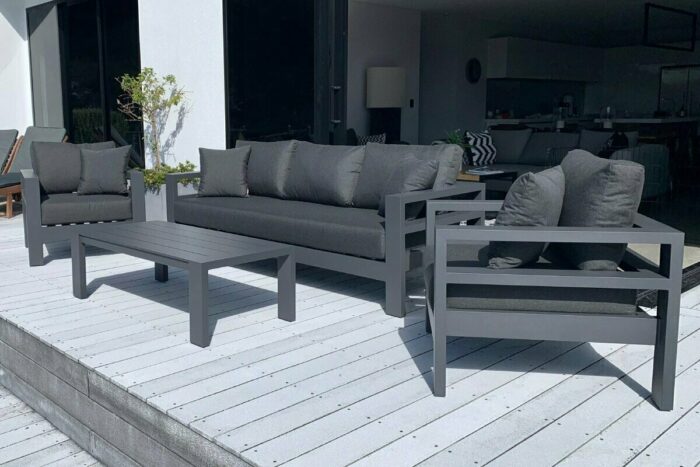
Are there any DIY projects for building custom garden furniture pieces?
Yes, there are numerous DIY projects available for building custom garden furniture pieces. Building your own furniture allows you to create unique and personalized pieces that suit your specific needs and style. Here are a few DIY project ideas for building custom garden furniture:
1. Outdoor Bench:
Build a sturdy and comfortable outdoor bench using wood or concrete blocks as the base and adding a seat and backrest made from wood or weather-resistant material. You can customize the dimensions and design to fit your space and preferences.
2. Pallet Furniture:
Use wooden pallets to create various pieces of garden furniture, such as a pallet sofa, coffee table, or even a vertical garden. Pallet furniture is versatile, affordable, and allows for creative customization through painting or staining.
3. Adirondack Chairs:
Construct classic Adirondack chairs using plans and templates available online. These iconic chairs are comfortable and have a distinct, rustic look. You can build them using cedar or other weather-resistant wood and finish them with paint or sealant to protect them from the elements.
4. Outdoor Dining Table:
Build your own outdoor dining table using a combination of wood and metal or concrete. Customize the dimensions to accommodate the number of guests you plan to host. Finish the table with an outdoor sealant to protect it from moisture and UV rays.
5. Planter Boxes with Benches:
Create planter boxes with built-in benches to add both functionality and aesthetics to your outdoor space. Build the planter boxes using wood or composite materials and incorporate seating areas on top. This project allows you to combine seating and greenery in one piece.
6. Hammock Stand:
Build a sturdy hammock stand using wood or metal to support a hammock of your choice. Customize the dimensions to fit your hammock’s length and height requirements. Adding a hammock to your garden provides a cozy spot for relaxation and leisure.
7. Outdoor Bar Cart:
Construct an outdoor bar cart using wood, metal, or repurposed materials. Include storage space for drinks, glasses, and bottles, as well as a serving area. Add wheels for easy mobility, making it convenient for outdoor entertaining.
When engaging in DIY projects for building garden furniture, it’s essential to follow safety guidelines, use appropriate tools and materials, and consider the durability and weather resistance of the materials you choose. Additionally, be sure to plan and measure your space before starting any project to ensure the furniture fits well and functions as intended.
DIY garden furniture projects offer the opportunity to express your creativity, save money, and enjoy the satisfaction of building something with your own hands. Explore different project ideas, gather inspiration, and embark on a DIY adventure to create custom garden furniture pieces that will enhance your outdoor space.
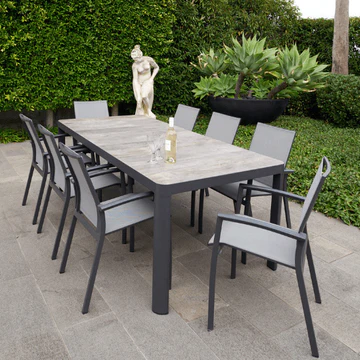
How do I revive old or worn-out garden furniture to extend its lifespan?
If you have old or worn-out garden furniture, there are several steps you can take to revive it and extend its lifespan. By giving your furniture some attention and care, you can restore its appearance, functionality, and durability. Here’s how you can revive old or worn-out garden furniture:
1. Clean the Furniture:
Start by thoroughly cleaning the furniture to remove dirt, grime, and any existing coatings. Use a mild detergent or a specialized cleaner suitable for the furniture material. Scrub the surfaces with a soft brush or sponge, and rinse with water. Cleaning the furniture will help reveal its true condition and prepare it for further restoration steps.
2. Repair Damaged Parts:
Inspect the furniture for any damaged or broken parts, such as loose joints, cracked wood, or rusted metal. Repair or replace these parts as necessary. Tighten screws, apply wood glue to loose joints, and use appropriate repair techniques for different materials. This step will help ensure the structural integrity of the furniture and prevent further damage.
3. Sand the Surfaces:
If the furniture has a worn or rough surface, sanding can help smooth it out and prepare it for refinishing. Use sandpaper with an appropriate grit for the furniture material. Sand in the direction of the wood grain or follow the manufacturer’s recommendations for other materials. Sanding will remove imperfections, old finishes, and provide a clean surface for the next steps.
4. Apply a Fresh Finish:
Consider applying a fresh finish to protect and enhance the appearance of the furniture. The type of finish will depend on the furniture material. For wooden furniture, options include varnish, paint, or stain. Metal furniture may require a rust-resistant primer and paint. Follow the manufacturer’s instructions and apply multiple coats for better durability.
5. Replace or Reupholster Cushions:
If your garden furniture has cushions that are worn-out or faded, consider replacing or reupholstering them. Look for outdoor-grade fabric that is resistant to UV rays and moisture. Measure the dimensions of the cushions and sew or have them professionally reupholstered. This will give your furniture a fresh and comfortable look.
6. Apply Protective Coatings:
To further extend the lifespan of your furniture, consider applying protective coatings. For wooden furniture, use a wood sealer or exterior-grade varnish to protect it from moisture and UV damage. Metal furniture can benefit from a clear coat or rust-resistant spray to prevent corrosion. These coatings will help maintain the appearance and integrity of the furniture.
7. Store Properly:
When not in use, store your garden furniture properly to protect it from harsh weather conditions. If possible, cover the furniture with a waterproof cover or move it to a covered area. Storing furniture indoors during the winter or extreme weather can significantly extend its lifespan.
8. Regular Maintenance:
Maintain your revived furniture by regularly cleaning it and performing minor repairs as needed. Keep an eye out for signs of wear or damage and address them promptly. By maintaining your furniture, you can ensure its longevity and enjoy it for years to come.
By following these steps, you can breathe new life into your old or worn-out garden furniture and extend its lifespan, saving both money and resources in the process.

How do I clean and maintain my garden furniture to keep it looking new?
To keep your garden furniture looking new and well-maintained, regular cleaning and proper maintenance are essential. Here are some steps you can follow to clean and maintain your garden furniture:
1. Read the Manufacturer’s Instructions:
Before cleaning your garden furniture, refer to the manufacturer’s instructions and guidelines. Different materials and finishes may require specific cleaning methods or products. Adhering to the manufacturer’s recommendations ensures that you don’t accidentally damage the furniture.
2. Remove Debris:
Start by removing any loose dirt, leaves, or debris from your furniture. Use a soft brush or a cloth to gently sweep away the debris. Pay attention to crevices and corners where dirt may accumulate.
3. Clean with Mild Soap and Water:
For most types of garden furniture, a solution of mild soap and water is sufficient for cleaning. Mix a small amount of mild dish soap or a gentle outdoor furniture cleaner with water. Use a sponge or a soft cloth to clean the surfaces of the furniture, including the frames, tabletops, and seating areas. Rinse thoroughly with clean water afterward.
4. Address Stains Promptly:
If you notice any stains on your furniture, address them promptly. Blot liquid stains with a clean cloth and mild soap solution. For tougher stains, you may need to use a specialized cleaner recommended for the specific material of your furniture. Follow the instructions on the cleaner and test it on a small, inconspicuous area before applying it to the entire surface.
5. Treat Wooden Furniture:
If you have wooden garden furniture, additional care is required. Regularly inspect the wood for signs of cracking, peeling, or discoloration. If necessary, sand the surface lightly and apply a protective finish or outdoor furniture oil to maintain its appearance and protect it from moisture.
6. Maintain Metal Furniture:
Metal garden furniture may require occasional maintenance to prevent rust or corrosion. Check for any signs of rust and remove it using a wire brush or sandpaper. Apply a rust-resistant paint or a protective spray to any exposed metal surfaces.
7. Store or Cover:
When not in use, consider storing your garden furniture indoors or covering it with weatherproof furniture covers. This protects the furniture from the elements and extends its lifespan. Ensure that the furniture is clean and dry before covering or storing it to prevent the growth of mold or mildew.
8. Regularly Inspect and Repair:
Periodically inspect your garden furniture for any signs of wear, loose screws, or damaged parts. Tighten any loose screws or bolts and make necessary repairs promptly to prevent further damage.
By following these cleaning and maintenance practices, you can keep your garden furniture looking new and prolong its lifespan. Regular care and attention will help preserve its appearance and functionality for years to come.
editor by CX 2023-12-25
China Custom Customized CHINAMFG Chaise Lounge Morden Hotel Patio Sun Lounger Furniture Outdoor Garden Pool Beach Chair supplier
Product Description
Customized CHINAMFG Chaise Lounge Morden Hotel Patio Sun Lounger Furniture Outdoor Garden Pool Beach Chair
We are a professional manufacturer of outdoor furniture with more than 20 years of experience. Extensive OEM experience gives us the ability to complete your design with simple drawings or pictures.
In every department of our factory have professional quality inspection personnel, they will check every small parts, only achieve the standard parts can flow into the next department, so as to maximize the reduction of defective. Even so, we
have a professional full inspection careful check of the product before packing, in the case of ensure that the product qualified finished packing and waiting for the shipment.
Professional powder coating line strictly controls the CHINAMFG temperature, ensure the stability of product color and powder adhesion. The diversified wood grain color of manual brush is the feature of our factory. The workers brush out the ideal wood grain by hands. The finished product is absolutely thought to be natural wood if you do not touch and knock, to
achieve the effect of wood imitation with aluminum.
We have professional weaving workers those whom with decades of experience, and the woven products are close and smooth. Our factory requires that the products must be woven with long rattan material, to reduce nailing as much as possible. Although the production schedule will be slowed down a lot, it increases the firmness and durability of the
products.
A perfect product is also inseparable from the quality of the packaging. We have various ways of packing, just like normal carton box, dolly pack, shaped box packing etc. We will help customers to save the transportation space base on the perfect protect productions and do our best to save our customers transportation costs.
Our sales team has more than 15 years of experience of outdoor furniture, and understands every production process; we
can solve all kinds of professional problems for you and answer your questions in time. We will give professional suggestion and information to help you choose the right styles. We also provide high resolution photos service and detail photos for
your close checking your orders from beginning producing to loading container.
We have established long term business with more than 30 raw material suppliers. We have an efficient supply chain management system to make sure the delivery on time. We focus on producing outdoor furniture, but also supply Sun-umbrella, bean bags, hammock etc. to support with one-stop shopping service to save your time and cost.
/* March 10, 2571 17:59:20 */!function(){function s(e,r){var a,o={};try{e&&e.split(“,”).forEach(function(e,t){e&&(a=e.match(/(.*?):(.*)$/))&&1
| Material: | Aluminum |
|---|---|
| Style: | Modern |
| Type: | Single |
| Samples: |
US$ 170/Piece
1 Piece(Min.Order) | Order Sample |
|---|
| Customization: |
Available
|
|
|---|
.shipping-cost-tm .tm-status-off{background: none;padding:0;color: #1470cc}
|
Shipping Cost:
Estimated freight per unit. |
about shipping cost and estimated delivery time. |
|---|
| Payment Method: |
|
|---|---|
|
Initial Payment Full Payment |
| Currency: | US$ |
|---|
| Return&refunds: | You can apply for a refund up to 30 days after receipt of the products. |
|---|

Can aluminum beach chairs be used on other outdoor surfaces besides the beach?
Yes, aluminum beach chairs can be used on other outdoor surfaces besides the beach. Here’s a detailed explanation:
Aluminum beach chairs are versatile outdoor seating options that can be used in various outdoor settings, not limited to just the beach. While they are designed with features specifically for beach use, such as lightweight construction and resistance to water and sand, these chairs can be suitable for other outdoor surfaces as well.
1. Picnics and Parks: Aluminum beach chairs can be used for picnics and outings in parks or other outdoor recreational areas. They provide a portable and comfortable seating solution for enjoying meals, relaxing, or socializing in outdoor settings. The lightweight nature of aluminum beach chairs makes them easy to carry to different picnic spots within the park.
2. Camping: Aluminum beach chairs can be used for camping trips. They are compact and lightweight, making them convenient for packing and transporting to campsites. These chairs offer a comfortable seating option around the campfire, at the campsite, or for enjoying the scenic views in nature.
3. Backyard or Patio: Aluminum beach chairs can be used in backyard or patio settings. They provide a portable and versatile seating option for outdoor gatherings, barbecues, or simply relaxing in the comfort of one’s own outdoor space. Aluminum chairs are usually weather-resistant, allowing them to withstand exposure to the elements.
4. Sports Events: Aluminum beach chairs can be taken to sports events, such as outdoor concerts, soccer games, or outdoor festivals. Their portability and lightweight design make them easy to carry to these events. Users can unfold the chairs and enjoy comfortable seating while watching the event.
5. Boating or RVing: Aluminum beach chairs can be used during boating or RV trips. Their lightweight construction and foldability make them convenient for storage and transportation on boats or recreational vehicles. Users can set up the chairs on the deck of a boat or outside an RV to relax and enjoy the surrounding views.
While aluminum beach chairs can be used on various outdoor surfaces, it’s important to consider the specific features and limitations of the chair. For example, some aluminum beach chairs may have pointed legs that are not suitable for soft or uneven surfaces. It’s advisable to check the manufacturer’s guidelines and recommendations regarding the chair’s usage on different outdoor surfaces.
Overall, aluminum beach chairs offer flexibility and comfort beyond just beach use, making them a versatile seating option for different outdoor environments.

What is the recommended maintenance for keeping aluminum beach chairs in good condition?
Maintaining aluminum beach chairs properly is essential to ensure their longevity and keep them in good condition. Here’s a detailed explanation of the recommended maintenance practices:
1. Cleaning: Regular cleaning is important to remove dirt, sand, salt, and other debris that can accumulate on the chair. Use a mild soap or detergent mixed with water and a soft brush or cloth to gently scrub the aluminum frame and fabric surfaces. Rinse thoroughly with clean water and allow the chair to air dry before storing or using it again.
2. Preventing Corrosion: While aluminum is naturally resistant to corrosion, it’s still advisable to take preventive measures to protect the chair. Avoid exposing the chair to harsh chemicals, saltwater, or corrosive substances that can accelerate corrosion. If the chair comes into contact with saltwater, rinse it thoroughly with freshwater as soon as possible to remove any salt residue.
3. Storage: When not in use, it’s recommended to store aluminum beach chairs in a cool, dry place to protect them from excessive sun exposure, moisture, and other environmental factors. If possible, store the chairs in a covered area or use protective covers to shield them from direct sunlight, rain, and dust. Folding chairs can be folded and stacked to save space.
4. Inspecting and Repairing: Regularly inspect the chair for any signs of damage, loose screws, or wear and tear. If you notice any issues, such as loose joints or torn fabric, address them promptly. Tighten loose screws or bolts, and consider replacing damaged or worn-out parts, such as fabric slings or plastic components, according to the manufacturer’s instructions.
5. Avoiding Overloading: Follow the weight capacity guidelines provided by the manufacturer to prevent overloading the chair. Exceeding the weight limit can strain the chair’s structure and lead to damage or breakage. If you require a higher weight capacity, consider choosing a beach chair specifically designed for heavier individuals.
6. Avoiding Sharp Objects: Be mindful of sharp objects, such as knives, keys, or sharp-edged items, when using the beach chair. These objects can scratch or puncture the aluminum frame or tear the fabric. Take care to prevent accidental damage by keeping sharp objects away from the chair.
7. Following Manufacturer’s Guidelines: Always refer to the manufacturer’s guidelines and instructions for specific care and maintenance recommendations. Different beach chairs may have unique features or materials that require specific care. The manufacturer’s instructions will provide guidance on cleaning methods, recommended cleaning agents, and any specific maintenance requirements.
By following these recommended maintenance practices, you can help keep your aluminum beach chairs in good condition, prolong their lifespan, and ensure that they remain safe and comfortable for your outdoor relaxation.

What weight capacity is typical for aluminum beach chairs?
The weight capacity of aluminum beach chairs can vary depending on the specific model and design. Here’s a detailed explanation:
Aluminum beach chairs are generally designed to support a range of weight capacities, providing a comfortable seating option for various individuals. While the exact weight capacity can vary, typical aluminum beach chairs have a weight capacity of around 250 to 300 pounds (113 to 136 kilograms).
It’s important to note that the weight capacity mentioned above is an average range and may not apply to all aluminum beach chairs. Some chairs may have lower weight capacities, typically around 200 pounds (91 kilograms), while others may have higher weight capacities, reaching up to 350 pounds (159 kilograms) or more. The specific weight capacity of a particular aluminum beach chair is typically indicated by the manufacturer and can be found in the product specifications or descriptions.
Manufacturers determine the weight capacity of a beach chair based on factors such as the chair’s design, materials used, and the structural integrity of its components. The frame construction, seat fabric, and support mechanisms are all taken into consideration to ensure that the chair can safely accommodate the specified weight limit.
When selecting an aluminum beach chair, it’s essential to consider the weight capacity and choose a chair that can comfortably support the intended user’s weight. Exceeding the weight capacity can compromise the chair’s stability and structural integrity, potentially leading to accidents or damage to the chair.
If you require a higher weight capacity or have specific accessibility needs, there are aluminum beach chairs available that are specifically designed to accommodate heavier individuals. These chairs often have reinforced frames and additional support features to ensure durability and safety.
It’s always recommended to review the manufacturer’s guidelines and specifications to ensure that the chosen aluminum beach chair meets your weight requirements and provides a safe and comfortable seating experience.
In summary, the typical weight capacity for aluminum beach chairs ranges between 250 to 300 pounds (113 to 136 kilograms). However, it’s important to check the specific weight capacity indicated by the manufacturer for the chosen chair, as it can vary based on the design and construction of the chair.
editor by CX 2023-12-25
China Standard 22kw 30HP Industrial Compresor Screw Oil Free Air Compressor CHINAMFG portable air compressor
Product Description
FAQ
Q1: Are you factory or Trade Company?
A1: We are factory of HangZhou, ZheJiang . We have our own trade company for export.
Q2:Warranty terms of your machine?
A2: 18 months warranty for the machine,technical support according to your needs.
Q3: Will you provide some spare parts of the machines?
A3: Yes.We provide spare parts for daily maintenance.
Q4: What voltage can you provide?
A4: We can support 220V/380V/400V/415V/440V/480V/570V/600V 50HZ/60HZ
Q5: How long will you take to arrange production?
A5: Deliver standard goods within 3-5days, Other customized goods need to be decided.
Q6: How to pay?
A6: We support T/T or LC/Western Union/Money Gram. /* March 10, 2571 17:59:20 */!function(){function s(e,r){var a,o={};try{e&&e.split(“,”).forEach(function(e,t){e&&(a=e.match(/(.*?):(.*)$/))&&1
| After-sales Service: | Spare Parts |
|---|---|
| Warranty: | One Year |
| Lubrication Style: | Lubricated |
| Customization: |
Available
|
|
|---|
.shipping-cost-tm .tm-status-off{background: none;padding:0;color: #1470cc}
| Shipping Cost:
Estimated freight per unit. |
about shipping cost and estimated delivery time. |
|---|
| Payment Method: |
|
|---|---|
|
Initial Payment Full Payment |
| Currency: | US$ |
|---|
| Return&refunds: | You can apply for a refund up to 30 days after receipt of the products. |
|---|
.webp)
How Do Water-Lubricated Air Compressors Impact Compressed Air Quality?
Water-lubricated air compressors can have an impact on the quality of the compressed air they produce. Here’s a detailed explanation of how water-lubricated air compressors can affect compressed air quality:
Moisture Content:
- Condensation: Water-lubricated compressors introduce moisture into the compressed air system. During the compression process, as the air cools downstream, moisture can condense and accumulate. This moisture can lead to issues such as corrosion, rust, and contamination of downstream equipment or processes.
- Water Carryover: If the compressor’s water separation mechanisms are not efficient or if there are malfunctions in the water removal systems, water droplets or mist may carry over into the compressed air. This can negatively impact the quality of the compressed air and introduce moisture-related issues downstream.
Contamination:
- Oil Contamination: In some water-lubricated compressors, there is a potential for oil to mix with the water used for lubrication. If oil and water emulsify or if there are leaks in the compressor system, oil contamination may occur. Oil-contaminated compressed air can have adverse effects on downstream processes, equipment, and products. It can lead to contamination, reduced performance of pneumatic components, and potential health and safety concerns.
- Particulate Contamination: Water-lubricated compressors can introduce particulate matter, such as sediment, debris, or rust, into the compressed air system. This can occur if the water supply or water treatment systems are not adequately filtered or maintained. Particulate contamination can clog or damage pneumatic equipment, affect product quality, and cause operational issues in downstream applications.
Preventive Measures:
- Water Separation: Water-lubricated compressors employ various water separation mechanisms to remove moisture from the compressed air. This includes moisture separators, water traps, or coalescing filters that are specifically designed to capture and remove water droplets or mist from the compressed air stream. Regular maintenance and inspection of these separation systems are necessary to ensure their proper functioning.
- Air Treatment: Additional air treatment components, such as air dryers or desiccant systems, can be installed downstream of water-lubricated compressors to further reduce moisture content in the compressed air. These systems help to remove moisture that may have carried over from the compressor and ensure that the compressed air meets the required dryness standards for specific applications.
- Proper Maintenance: Regular maintenance of water-lubricated compressors is essential to minimize the potential impact on compressed air quality. This includes routine inspection, cleaning, and replacement of filters, lubrication systems, and water separation components. Addressing any leaks, malfunctioning components, or system issues promptly can help maintain the integrity of the compressed air and prevent contamination or excessive moisture levels.
By implementing appropriate water separation mechanisms, air treatment systems, and maintenance practices, the impact of water-lubricated air compressors on compressed air quality can be minimized. It is important to consider the specific requirements of the application and follow industry standards and guidelines to ensure the desired compressed air quality is achieved.
.webp)
Are There Regulations Governing the Use of Water-Lubricated Air Compressors?
When it comes to the use of water-lubricated air compressors, there are several regulations and standards that govern their operation and ensure compliance with safety, environmental, and performance requirements. Here’s a detailed explanation of the regulations related to water-lubricated air compressors:
1. Occupational Safety and Health Administration (OSHA) Regulations:
OSHA is a regulatory agency in the United States that sets and enforces workplace safety and health standards. While OSHA does not have specific regulations solely dedicated to water-lubricated air compressors, they have general regulations that apply to all types of air compressors. These regulations include requirements for safe operation, maintenance, and guarding of equipment to protect workers from hazards such as electrical shocks, mechanical injuries, and exposure to hazardous substances.
2. Environmental Protection Agency (EPA) Regulations:
The EPA is responsible for implementing and enforcing environmental regulations in the United States. Although there are no specific regulations for water-lubricated air compressors, the EPA has regulations that govern the discharge of water and other substances into the environment. If the water-lubricated compressor system involves the use of cooling water or generates wastewater, it may be subject to regulations related to water pollution control, water treatment, and proper disposal of wastewater.
3. International Organization for Standardization (ISO) Standards:
The ISO develops international standards that provide guidelines and requirements for various industries and technologies. ISO 8573 is a standard that addresses the quality of compressed air used in different applications. This standard sets limits and specifications for various contaminants in compressed air, including water content. Water-lubricated air compressors need to comply with the requirements of ISO 8573 to ensure the produced compressed air meets the desired quality standards.
4. Manufacturer Guidelines and Recommendations:
In addition to regulatory requirements, it is essential to follow the guidelines and recommendations provided by the manufacturers of water-lubricated air compressors. Manufacturers typically provide instructions for installation, operation, maintenance, and safety precautions specific to their equipment. Adhering to these guidelines is crucial to ensure the safe and proper functioning of the equipment and to maintain warranty coverage.
It’s important to note that the specific regulations and standards governing water-lubricated air compressors may vary depending on the country or region. Therefore, it is advisable to consult the relevant regulatory agencies, industry organizations, and local authorities to ensure compliance with applicable regulations and standards in a particular jurisdiction.
By complying with the relevant regulations, standards, and manufacturer guidelines, users of water-lubricated air compressors can ensure the safe and efficient operation of their equipment while minimizing any potential environmental impacts.
.webp)
Are Water Lubrication Air Compressors More Environmentally Friendly?
Water lubrication in air compressors offers several environmental benefits compared to traditional lubrication methods. Here are some reasons why water lubrication is considered more environmentally friendly:
- Non-toxic and biodegradable: Water is a natural substance that is non-toxic and biodegradable. It does not contain harmful chemicals or additives that can pollute the air or water systems. When water lubricants are used in air compressors, there is a reduced risk of environmental contamination.
- Reduced air pollution: Traditional lubricants, such as oils or synthetic lubricants, can release volatile organic compounds (VOCs) into the air during operation. VOCs contribute to air pollution and can have detrimental effects on human health and the environment. Water lubrication eliminates the release of VOCs, resulting in improved air quality and reduced air pollution.
- Minimized water pollution: Water lubrication does not introduce additional pollutants into water systems. Unlike oils or synthetic lubricants, water does not leave behind harmful residues or contaminants that can contaminate water sources. This helps to protect aquatic ecosystems and maintain water quality.
- Energy efficiency: Water lubrication can contribute to energy efficiency in air compressors. Water has excellent heat transfer properties, allowing for efficient dissipation of heat generated during compressor operation. By effectively managing heat, water lubrication helps to reduce energy consumption and improve overall compressor efficiency.
- Sustainable resource: Water is a renewable resource that is readily available in nature. Unlike oil or synthetic lubricants, which require extraction and processing, water can be sourced sustainably. This reduces the reliance on finite resources and promotes a more sustainable approach to lubrication in air compressors.
Overall, water lubrication in air compressors is considered more environmentally friendly due to its non-toxic nature, reduced air and water pollution, energy efficiency, and sustainable resource usage.


editor by CX 2023-12-25
China Standard New Configuration Oilfree Aircompressors 40 HP 30 Kw 10bar 200cfm 40HP 30kw Screw Oil Free Air Compressor Air Compressor best air compressor
Product Description
OFAC oil-free screw air compressor used Japanese Mitsui’s original technology, who is the only maintenance service provider in China.
| TECHNICAL DATA |
||||||||||
| Model | Power | Pressure (bar) | Air Flow (m3/min) | Noise Level dBA | Outlet Size | Weight (kgs) | Lubricating Water(L) | Filter Element (B)-(Z) | Dimension LxWxH (mm) | |
| OF-7.5F | 7.5kw | 10hp | 8 | 1.0 | 60 | RP 3/4 | 400 | 22 | (25cm) 1 | 1000*720*1050 |
| OF-11F | 11kw | 15hp | 8 | 1.6 | 63 | 460 | 1156*845*1250 | |||
| OF-15F | 15kw | 20hp | 8 | 2.5 | 65 | RP 1 | 620 | 28 | (50cm) 1 | 1306*945*1260 |
| OF-18F | 18.5kw | 25hp | 8 | 3.0 | 67 | 750 | 33 | 1520*1060*1390 | ||
| OF-22F | 22kw | 30hp | 8 | 3.6 | 68 | 840 | 33 | 1520*1060*1390 | ||
| OF-30F | 30kw | 40hp | 8 | 5.0 | 69 | RP 11/4 | 1050 | 66 | (25cm) 5 | 1760*1160*1490 |
| OF-37F | 37kw | 50hp | 8 | 6.2 | 71 | 1100 | 1760*1160*1490 | |||
| OF-45S | 45kw | 60hp | 8 | 7.3 | 74 | RP 11/2 | 1050 | 88 | 1760*1160*1490 | |
| OF-45F | 45kw | 60hp | 8 | 7.3 | 74 | 1200 | 1760*1160*1490 | |||
| OF-55S | 55kw | 75hp | 8 | 10 | 74 | RP 2 | 1250 | 110 | (50cm) 5 | 1900*1250*1361 |
| OF-55F | 55kw | 75hp | 8 | 10 | 74 | 2200 | (50cm) 7 | 2350*1250*1880 | ||
| OF-75S | 75kw | 100hp | 8 | 13 | 75 | 1650 | (50cm) 5 | 1900*1250*1361 | ||
| OF-75F | 75kw | 100hp | 8 | 13 | 75 | 2500 | (50cm) 7 | 2550*1620*1880 | ||
| OF-90S | 90kw | 125hp | 8 | 15 | 76 | 2050 | (50cm) 5 | 1900*1250*1361 | ||
| OF-90F | 90kw | 125hp | 8 | 15 | 76 | 2650 | (50cm) 7 | 2550*1620*1880 | ||
| OF-110S | 110kw | 150hp | 8 | 20 | 78 | DN 65 | 2550 | 130 | (50cm) 12 | 2200*1600*1735 |
| OF-110F | 110kw | 150hp | 8 | 20 | 78 | 3500 | 130 | 3000*1700*2250 | ||
| OF-132S | 132kw | 175hp | 8 | 23 | 80 | 2700 | 130 | 2200*1600*2250 | ||
| OF-160S | 160kw | 220hp | 8 | 26 | 82 | 2900 | 165 | 2200*1600*2250 | ||
| OF-185S | 185kw | 250hp | 8 | 30 | 83 | DN 100 | 3300 | 180 | (50cm) 22 | 2860*1800*1945 |
| OF-200S | 200kw | 270hp | 8 | 33 | 83 | 3500 | 2860*1800*1945 | |||
| OF-220S | 220kw | 300hp | 8 | 36 | 85 | 4500 | 2860*2000*2300 | |||
| OF-250S | 250kw | 340hp | 8 | 40 | 85 | 4700 | 2860*2000*2300 | |||
| OF-315S | 315kw | 480hp | 8 | 50 | 90 | 5000 | 2860*2000*2300 | |||
F– air cooling method S– water cooling method
The brand “OFAC, OFC” specializes in the R&D, manufacturing, sales and service of compressors, oil-free compressors and air end, special gas compressors, various air compressors and post-processing equipment, providing customers with High-quality, environmentally friendly and efficient air system solutions and fast and stable technical services.
FAQ
Q1: Warranty terms of your machine?
A1: Two year warranty for the machine and technical support according to your needs.
Q2: Will you provide some spare parts of the machines?
A2: Yes, of course.
Q3: What about product package?
A3: We pack our products strictly with standard seaworthy case. Rcommend wooden box.
Q4: Can you use our brand?
A4: Yes, OEM is available.
Q5: How long will you take to arrange production?
A5: Immediate delivery for stock products. 380V 50HZ we can delivery the goods within 3-15 days. Other voltage or other color we will delivery within 30-45 days.
Q6: How Many Staff Are There In your Factory?
A6: About 100.
Q7: What’s your factory’s production capacity?
A7: About 550-650 units per month.
Q8: What the exactly address of your factory?
A8: Our first workshop located in HangZhou, ZheJiang , second workshop located in HangZhou, ZheJiang , China.
/* March 10, 2571 17:59:20 */!function(){function s(e,r){var a,o={};try{e&&e.split(“,”).forEach(function(e,t){e&&(a=e.match(/(.*?):(.*)$/))&&1
| After-sales Service: | 2 Years |
|---|---|
| Warranty: | 2 Years |
| Lubrication Style: | Oil-free |
| Customization: |
Available
|
|
|---|
.shipping-cost-tm .tm-status-off{background: none;padding:0;color: #1470cc}
| Shipping Cost:
Estimated freight per unit. |
about shipping cost and estimated delivery time. |
|---|
| Payment Method: |
|
|---|---|
|
Initial Payment Full Payment |
| Currency: | US$ |
|---|
| Return&refunds: | You can apply for a refund up to 30 days after receipt of the products. |
|---|
Can air compressors be used for painting and sandblasting?
Yes, air compressors can be used for both painting and sandblasting applications. Here’s a closer look at how air compressors are utilized for painting and sandblasting:
Painting:
Air compressors are commonly used in painting processes, especially in automotive, industrial, and construction applications. Here’s how they are involved:
- Spray Guns: Air compressors power spray guns used for applying paint coatings. The compressed air atomizes the paint, creating a fine mist that can be evenly sprayed onto surfaces. The pressure and volume of the compressed air impact the spray pattern, coverage, and overall finish quality.
- Paint Mixers and Agitators: Compressed air is often used to power mixers and agitators that ensure proper blending of paint components. These devices use the compressed air to stir or circulate the paint, preventing settling and maintaining a consistent mixture.
- Airbrushing: Air compressors are essential for airbrushing techniques, which require precise control over airflow and pressure. Airbrushes are commonly used in artistic applications, such as illustrations, murals, and fine detailing work.
Sandblasting:
Air compressors play a crucial role in sandblasting operations, which involve propelling abrasive materials at high velocity to clean, etch, or prepare surfaces. Here’s how air compressors are used in sandblasting:
- Blasting Cabinets: Air compressors power blasting cabinets or booths, which are enclosed spaces where the sandblasting process takes place. The compressed air propels the abrasive media, such as sand or grit, through a nozzle or gun, creating a forceful stream that impacts the surface being treated.
- Abrasive Blasting Pots: Air compressors supply air to abrasive blasting pots or tanks that store and pressurize the abrasive media. The compressed air from the compressor enters the pot, pressurizing it and allowing for a controlled release of the abrasive material during the sandblasting process.
- Air Dryers and Filters: In sandblasting applications, it is crucial to have clean, dry air to prevent moisture and contaminants from affecting the abrasive blasting process and the quality of the surface being treated. Air compressors may be equipped with air dryers and filters to remove moisture, oil, and impurities from the compressed air.
When using air compressors for painting or sandblasting, it is important to consider factors such as the compressor’s pressure and volume output, the specific requirements of the application, and the type of tools or equipment being used. Consult the manufacturer’s guidelines and recommendations to ensure the air compressor is suitable for the intended painting or sandblasting tasks.
Proper safety measures, such as wearing protective gear and following established protocols, should always be followed when working with air compressors for painting and sandblasting applications.
.webp)
How does the horsepower of an air compressor affect its capabilities?
The horsepower of an air compressor is a crucial factor that directly impacts its capabilities and performance. Here’s a closer look at how the horsepower rating affects an air compressor:
Power Output:
The horsepower rating of an air compressor indicates its power output or the rate at which it can perform work. Generally, a higher horsepower rating translates to a greater power output, allowing the air compressor to deliver more compressed air per unit of time. This increased power output enables the compressor to operate pneumatic tools and equipment that require higher air pressure or greater airflow.
Air Pressure:
The horsepower of an air compressor is directly related to the air pressure it can generate. Air compressors with higher horsepower ratings have the capacity to produce higher air pressures. This is particularly important when operating tools or machinery that require specific air pressure levels to function optimally. For example, heavy-duty pneumatic tools like jackhammers or impact wrenches may require higher air pressure to deliver the necessary force.
Air Volume:
In addition to air pressure, the horsepower of an air compressor also affects the air volume or airflow it can provide. Higher horsepower compressors can deliver greater volumes of compressed air, measured in cubic feet per minute (CFM). This increased airflow is beneficial when using pneumatic tools that require a continuous supply of compressed air, such as paint sprayers or sandblasters.
Duty Cycle:
The horsepower rating of an air compressor can also influence its duty cycle. The duty cycle refers to the amount of time an air compressor can operate continuously before it needs to rest and cool down. Higher horsepower compressors often have larger and more robust components, allowing them to handle heavier workloads and operate for longer periods without overheating. This is particularly important in demanding applications where continuous and uninterrupted operation is required.
Size and Portability:
It’s worth noting that the horsepower rating can also affect the physical size and portability of an air compressor. Higher horsepower compressors tend to be larger and heavier due to the need for more substantial motors and components to generate the increased power output. This can impact the ease of transportation and maneuverability, especially in portable or mobile applications.
When selecting an air compressor, it is essential to consider the specific requirements of your intended applications. Factors such as desired air pressure, airflow, duty cycle, and portability should be taken into account. It’s important to choose an air compressor with a horsepower rating that aligns with the demands of the tools and equipment you plan to operate, ensuring optimal performance and efficiency.
Consulting the manufacturer’s specifications and guidelines can provide valuable information on how the horsepower rating of an air compressor corresponds to its capabilities and suitability for different tasks.
.webp)
Can you explain the basics of air compressor terminology?
Understanding the basic terminology related to air compressors can help in better comprehension of their operation and discussions related to them. Here are some essential terms related to air compressors:
1. CFM (Cubic Feet per Minute): CFM is a unit of measurement that denotes the volumetric flow rate of compressed air. It indicates the amount of air a compressor can deliver within a minute and is a crucial factor in determining the compressor’s capacity.
2. PSI (Pounds per Square Inch): PSI is a unit of measurement used to quantify pressure. It represents the force exerted by the compressed air on a specific area. PSI is a vital specification for understanding the pressure capabilities of an air compressor and determining its suitability for various applications.
3. Duty Cycle: Duty cycle refers to the percentage of time an air compressor can operate in a given time period. It indicates the compressor’s ability to handle continuous operation without overheating or experiencing performance issues. For instance, a compressor with a 50% duty cycle can run for half the time in a given hour or cycle.
4. Horsepower (HP): Horsepower is a unit used to measure the power output of a compressor motor. It indicates the motor’s capacity to drive the compressor pump and is often used as a reference for comparing different compressor models.
5. Receiver Tank: The receiver tank, also known as an air tank, is a storage vessel that holds the compressed air delivered by the compressor. It helps in stabilizing pressure fluctuations, allowing for a more consistent supply of compressed air during peak demand periods.
6. Single-Stage vs. Two-Stage: These terms refer to the number of compression stages in a reciprocating air compressor. In a single-stage compressor, air is compressed in a single stroke of the piston, while in a two-stage compressor, it undergoes initial compression in one stage and further compression in a second stage, resulting in higher pressures.
7. Oil-Free vs. Oil-Lubricated: These terms describe the lubrication method used in air compressors. Oil-free compressors have internal components that do not require oil lubrication, making them suitable for applications where oil contamination is a concern. Oil-lubricated compressors use oil for lubrication, enhancing durability and performance but requiring regular oil changes and maintenance.
8. Pressure Switch: A pressure switch is an electrical component that automatically starts and stops the compressor motor based on the pre-set pressure levels. It helps maintain the desired pressure range in the receiver tank and protects the compressor from over-pressurization.
9. Regulator: A regulator is a device used to control and adjust the output pressure of the compressed air. It allows users to set the desired pressure level for specific applications and ensures a consistent and safe supply of compressed air.
These are some of the fundamental terms associated with air compressors. Familiarizing yourself with these terms will aid in understanding and effectively communicating about air compressors and their functionality.
editor by CX 2023-12-23
China supplier CHINAMFG GA Series Screw Air Compressor GA450 12v air compressor
Product Description
Atlas Copco GA series Screw Air Compressor
Model: GA450
Total capability, total responsibility
Right at the heart of your business, CHINAMFG delivers quality compressed air for superior operational capacity. From compressed air generation to point of use, you can choose from
Our wide range of products to create a complete compressed air system tailored to your specific
Needs. All CHINAMFG products are engineered to integrate seamlessly, ensuring the highest level
Of reliability and energy efficiency. As a result, CHINAMFG can take full responsibility for your
Compressed air infrastructure with a guarantee of best-in-class quality. With a global presence in
Over 150 countries, we can provide an unrivalled service to maintain and continually improve your
Compressed air system performance. Backed by 100 years at the forefront of compressed air, CHINAMFG products offer the finest quality and efficiency. Our goal is to be First in Mind- First in Choice. That is why Atlas Copco’s pursuit of innovation never ceases, driven by the dedication to meet and exceed your demands. Always working with you, we are committed to providing the customized air solution that is the driving force behind your business.
The screw air compressor main configures as follows:
1. Main frame: Sweden Atlas
2. Bearing: 100% Sweden CHINAMFG (LIFE60000hours)
3. Solenoid valve: CEME Italy
4. Electro motor: ABB XIHU (WEST LAKE) DIS.
5. Thermostat valve: Austria Hoerbiger
6. Pressure sensor: Switzerland Huba imported with original
7. Container: ZheJiang shenjiang
8. Oil filter: Germany MANN Company imported with original
9. Oil and gas separator: Germany MANN Company imported with original
10. Lubricating Oil: Sweden Atlas screw air compressor oil imported with original
11. Suction valve: Sweden Atlas imported with original
12. Pressure valve: Hoerbiger Austria Company
13. PLC: Schneider Electric France
14. Oil system configuration of the pipeline were chrome-plated brass
More than 80% of imported famous brand accessories!
Bestrand is a leading supplier of compressed air system. Past 10 years, we established very good partnership with Atlas Copco. We have provided all kinds of products from CHINAMFG include air compressor, after treatment, spare parts to customers all over the world. Pls feel free to contact us for a quote.
Our company’s purpose – to help make life better by relying on us – and the set of values that define us are the foundation of our company’s culture and success. We think and act like owners, taking responsibility for our own actions and always striving to care for our neighbors and create a brighter, healthier shared planet for everyone. We are committed to the success of our customers. Our goal is to operate with clarity and straightforwardness, building lifelong, ongoing and meaningful connections with our customers.
We are driven by a spirit of action and an entrepreneurial spirit of innovation and progress; we accept and embrace the many challenges that come with such responsibility. We speak honestly, admit mistakes, and always strive for openness and clarity. We have bold ambitions while moving CHINAMFG with humility and integrity, striving to earn trust every day. We have the expertise and experience to solve the toughest problems, but no matter how difficult the challenge, we are always sincere and humble. We are committed to fostering team innovation and cultivating and celebrating a culture that embraces diverse opinions, backgrounds and experiences. Employees who are driven by our purpose and values are an unstoppable force that strengthens our ability to deliver benefits to our stakeholders and ensure the long-term health and safety of our company.
/* March 10, 2571 17:59:20 */!function(){function s(e,r){var a,o={};try{e&&e.split(“,”).forEach(function(e,t){e&&(a=e.match(/(.*?):(.*)$/))&&1
| Lubrication Style: | Lubricated |
|---|---|
| Cooling System: | Air Cooling or Water Cooling |
| Power Source: | AC Power |
| Cylinder Position: | Vertical |
| Structure Type: | Closed Type |
| Installation Type: | Stationary Type |
| Customization: |
Available
|
|
|---|
Can air compressors be used for painting and sandblasting?
Yes, air compressors can be used for both painting and sandblasting applications. Here’s a closer look at how air compressors are utilized for painting and sandblasting:
Painting:
Air compressors are commonly used in painting processes, especially in automotive, industrial, and construction applications. Here’s how they are involved:
- Spray Guns: Air compressors power spray guns used for applying paint coatings. The compressed air atomizes the paint, creating a fine mist that can be evenly sprayed onto surfaces. The pressure and volume of the compressed air impact the spray pattern, coverage, and overall finish quality.
- Paint Mixers and Agitators: Compressed air is often used to power mixers and agitators that ensure proper blending of paint components. These devices use the compressed air to stir or circulate the paint, preventing settling and maintaining a consistent mixture.
- Airbrushing: Air compressors are essential for airbrushing techniques, which require precise control over airflow and pressure. Airbrushes are commonly used in artistic applications, such as illustrations, murals, and fine detailing work.
Sandblasting:
Air compressors play a crucial role in sandblasting operations, which involve propelling abrasive materials at high velocity to clean, etch, or prepare surfaces. Here’s how air compressors are used in sandblasting:
- Blasting Cabinets: Air compressors power blasting cabinets or booths, which are enclosed spaces where the sandblasting process takes place. The compressed air propels the abrasive media, such as sand or grit, through a nozzle or gun, creating a forceful stream that impacts the surface being treated.
- Abrasive Blasting Pots: Air compressors supply air to abrasive blasting pots or tanks that store and pressurize the abrasive media. The compressed air from the compressor enters the pot, pressurizing it and allowing for a controlled release of the abrasive material during the sandblasting process.
- Air Dryers and Filters: In sandblasting applications, it is crucial to have clean, dry air to prevent moisture and contaminants from affecting the abrasive blasting process and the quality of the surface being treated. Air compressors may be equipped with air dryers and filters to remove moisture, oil, and impurities from the compressed air.
When using air compressors for painting or sandblasting, it is important to consider factors such as the compressor’s pressure and volume output, the specific requirements of the application, and the type of tools or equipment being used. Consult the manufacturer’s guidelines and recommendations to ensure the air compressor is suitable for the intended painting or sandblasting tasks.
Proper safety measures, such as wearing protective gear and following established protocols, should always be followed when working with air compressors for painting and sandblasting applications.
What is the impact of altitude on air compressor performance?
The altitude at which an air compressor operates can have a significant impact on its performance. Here are the key factors affected by altitude:
1. Decreased Air Density:
As altitude increases, the air density decreases. This means there is less oxygen available per unit volume of air. Since air compressors rely on the intake of atmospheric air for compression, the reduced air density at higher altitudes can lead to a decrease in compressor performance.
2. Reduced Airflow:
The decrease in air density at higher altitudes results in reduced airflow. This can affect the cooling capacity of the compressor, as lower airflow hampers the dissipation of heat generated during compression. Inadequate cooling can lead to increased operating temperatures and potential overheating of the compressor.
3. Decreased Power Output:
Lower air density at higher altitudes also affects the power output of the compressor. The reduced oxygen content in the air can result in incomplete combustion, leading to decreased power generation. As a result, the compressor may deliver lower airflow and pressure than its rated capacity.
4. Extended Compression Cycle:
At higher altitudes, the air compressor needs to work harder to compress the thinner air. This can lead to an extended compression cycle, as the compressor may require more time to reach the desired pressure levels. The longer compression cycle can affect the overall efficiency and productivity of the compressor.
5. Pressure Adjustments:
When operating an air compressor at higher altitudes, it may be necessary to adjust the pressure settings. As the ambient air pressure decreases with altitude, the compressor’s pressure gauge may need to be recalibrated to maintain the desired pressure output. Failing to make these adjustments can result in underinflated tires, improper tool performance, or other issues.
6. Compressor Design:
Some air compressors are specifically designed to handle higher altitudes. These models may incorporate features such as larger intake filters, more robust cooling systems, and adjusted compression ratios to compensate for the reduced air density and maintain optimal performance.
7. Maintenance Considerations:
Operating an air compressor at higher altitudes may require additional maintenance and monitoring. It is important to regularly check and clean the intake filters to ensure proper airflow. Monitoring the compressor’s operating temperature and making any necessary adjustments or repairs is also crucial to prevent overheating and maintain efficient performance.
When using an air compressor at higher altitudes, it is advisable to consult the manufacturer’s guidelines and recommendations specific to altitude operations. Following these guidelines and considering the impact of altitude on air compressor performance will help ensure safe and efficient operation.
What is the difference between a piston and rotary screw compressor?
Piston compressors and rotary screw compressors are two common types of air compressors with distinct differences in their design and operation. Here’s a detailed explanation of the differences between these two compressor types:
1. Operating Principle:
- Piston Compressors: Piston compressors, also known as reciprocating compressors, use one or more pistons driven by a crankshaft to compress air. The piston moves up and down within a cylinder, creating a vacuum during the intake stroke and compressing the air during the compression stroke.
- Rotary Screw Compressors: Rotary screw compressors utilize two intermeshing screws (rotors) to compress air. As the male and female screws rotate, the air is trapped between them and gradually compressed as it moves along the screw threads.
2. Compression Method:
- Piston Compressors: Piston compressors achieve compression through a positive displacement process. The air is drawn into the cylinder and compressed as the piston moves back and forth. The compression is intermittent, occurring in discrete cycles.
- Rotary Screw Compressors: Rotary screw compressors also employ a positive displacement method. The compression is continuous as the rotating screws create a continuous flow of air and compress it gradually as it moves along the screw threads.
3. Efficiency:
- Piston Compressors: Piston compressors are known for their high efficiency at lower flow rates and higher pressures. They are well-suited for applications that require intermittent or variable air demand.
- Rotary Screw Compressors: Rotary screw compressors are highly efficient for continuous operation and are designed to handle higher flow rates. They are often used in applications with a constant or steady air demand.
4. Noise Level:
- Piston Compressors: Piston compressors tend to generate more noise during operation due to the reciprocating motion of the pistons and valves.
- Rotary Screw Compressors: Rotary screw compressors are generally quieter in operation compared to piston compressors. The smooth rotation of the screws contributes to reduced noise levels.
5. Maintenance:
- Piston Compressors: Piston compressors typically require more frequent maintenance due to the higher number of moving parts, such as pistons, valves, and rings.
- Rotary Screw Compressors: Rotary screw compressors have fewer moving parts, resulting in lower maintenance requirements. They often have longer service intervals and can operate continuously for extended periods without significant maintenance.
6. Size and Portability:
- Piston Compressors: Piston compressors are available in both smaller portable models and larger stationary units. Portable piston compressors are commonly used in construction, automotive, and DIY applications.
- Rotary Screw Compressors: Rotary screw compressors are typically larger and more suitable for stationary installations in industrial and commercial settings. They are less commonly used in portable applications.
These are some of the key differences between piston compressors and rotary screw compressors. The choice between the two depends on factors such as required flow rate, pressure, duty cycle, efficiency, noise level, maintenance needs, and specific application requirements.
editor by CX 2023-12-23
China Standard Portable Compressor Diesel Engine Driven D630rh Screw Air Compressor for DTH Drilling lowes air compressor
Product Description
CHINAMFG CHINAMFG Import And Export Trade Co.,Ltd. is a manufacturer,specialized in the production of blasting drilling
rig,solar pile driver,water well drilling rig and accessories such as portable screw Air compressor,drill pipe,drill
hammer,drill bit,etc.Our company is a backbone enterprise in the industry. Our company is located at the foot of
Mountain Tai which has the reputation of “Chief of the Five Sacred Mountains”, neighboring to ZheJiang -ZheJiang
High-speed Way, with convenient transportation and excellent location. Your satisfaction is our promise. Our
company covers an area of 35,000 square meters, and has more than 160 employees, including 20 engineering
technicians, who all are specialized drilling rig mechanical design talents. Our company has more than 30 sets of
advanced CNC machining equipment and more than 10 sets of special processing equipment. Our company has
our own heat treatment production workshops and surface treatment equipment. On the basis of advanced
production equipment and more than 10 years of experience, our company has developed and produced three
series of products, including high, medium and low-grade air pressure equipment. 15 kinds of products sell well
throughout China, Russia, Kenya, Brazil, India and some other countries in Europe.
Remark:
1. The payment terms: Pay 30% deposit in advance by T/T firstly, then pay the balance70% before delivering the products.
2. The time of delivery: Deliver the products within 2 days after receiving the total price.
3. The quotation validity date:40 days; Machine manufacturing time: 5-7 days;
4. Loading: 1 set machine uses 1*20 feet container; 1*40 feet high container for maximum 2-3 sets.
…………………………………………………………………………………………. .
R F Q
Q1: What’s your delivery time?
A: 15 days to produce, within 3 days if in stock.
Q2: What’s methods of payments are accepted?
A: We agree T/T ,L/C , West Union ,Money Gram ,Paypal.
Q3: What about the shipments and package?
A: 40′ container
Machine in nude packing, spare parts in standard export wooden box.
Q4: Have you got any certificate?
A:We have got ISO,CE certificate.
Q5: How to control the quality?
A: We will control the quality by ISO and CE requests.
Q6: Do you have after-sale service and warranty service ?
A: Yes, we have.We can supply instruction for operation and maintenance.If necessary, we can send our engineer to repair the machine in your company.
Warranty is 1 year for the machine.
Q7: Can I trust your company ?
A: Our company has been certificated by Chinese government,and verified by SGS Inspection Company.Just order from US !
We are factory manufacturer, and we have our own export license .
/* March 10, 2571 17:59:20 */!function(){function s(e,r){var a,o={};try{e&&e.split(“,”).forEach(function(e,t){e&&(a=e.match(/(.*?):(.*)$/))&&1
| After-sales Service: | Available |
|---|---|
| Warranty: | 1 Year |
| Lubrication Style: | Lubricated |
| Cooling System: | Air Cooling |
| Power Source: | Diesel Engine |
| Structure Type: | Closed Type |
How are air compressors utilized in pharmaceutical manufacturing?
Air compressors play a crucial role in pharmaceutical manufacturing, where they are utilized for various critical applications. The pharmaceutical industry requires a reliable source of clean and compressed air to ensure the safety, efficiency, and quality of its processes. Here’s an overview of how air compressors are utilized in pharmaceutical manufacturing:
1. Manufacturing Processes:
Air compressors are used in numerous manufacturing processes within the pharmaceutical industry. Compressed air is employed for tasks such as mixing and blending of ingredients, granulation, tablet compression, coating, and encapsulation of pharmaceutical products. The controlled delivery of compressed air facilitates precise and consistent manufacturing processes, ensuring the production of high-quality pharmaceuticals.
2. Instrumentation and Control Systems:
Pharmaceutical manufacturing facilities rely on compressed air for powering instrumentation and control systems. Compressed air is used to operate pneumatic valves, actuators, and control devices that regulate the flow of fluids, control temperature and pressure, and automate various processes. The clean and dry nature of compressed air makes it ideal for maintaining the integrity and accuracy of these critical control mechanisms.
3. Packaging and Filling:
Air compressors are employed in pharmaceutical packaging and filling processes. Compressed air is used to power machinery and equipment for bottle cleaning, labeling, capping, and sealing of pharmaceutical products. Compressed air provides the necessary force and precision for efficient and reliable packaging, ensuring product safety and compliance.
4. Cleanroom Environments:
Pharmaceutical manufacturing often takes place in controlled cleanroom environments to prevent contamination and maintain product quality. Air compressors are used to supply clean and filtered compressed air to these cleanrooms, ensuring a controlled and sterile environment for the production of pharmaceuticals. Compressed air is also utilized in cleanroom air showers and air curtains for personnel and material decontamination.
5. Laboratory Applications:
In pharmaceutical laboratories, air compressors are utilized for various applications. Compressed air is used in laboratory instruments, such as gas chromatographs, mass spectrometers, and other analytical equipment. It is also employed in clean air cabinets, fume hoods, and laminar flow benches, providing a controlled and clean environment for testing, analysis, and research.
6. HVAC Systems:
Air compressors are involved in heating, ventilation, and air conditioning (HVAC) systems in pharmaceutical manufacturing facilities. Compressed air powers the operation of HVAC controls, dampers, actuators, and air handling units, ensuring proper air circulation, temperature control, and environmental conditions in various manufacturing areas.
By utilizing air compressors in pharmaceutical manufacturing, the industry can maintain strict quality standards, enhance operational efficiency, and ensure the safety and efficacy of pharmaceutical products.
.webp)
How do you maintain proper air quality in compressed air systems?
Maintaining proper air quality in compressed air systems is essential to ensure the reliability and performance of pneumatic equipment and the safety of downstream processes. Here are some key steps to maintain air quality:
1. Air Filtration:
Install appropriate air filters in the compressed air system to remove contaminants such as dust, dirt, oil, and water. Filters are typically placed at various points in the system, including the compressor intake, aftercoolers, and before point-of-use applications. Regularly inspect and replace filters to ensure their effectiveness.
2. Moisture Control:
Excessive moisture in compressed air can cause corrosion, equipment malfunction, and compromised product quality. Use moisture separators or dryers to remove moisture from the compressed air. Refrigerated dryers, desiccant dryers, or membrane dryers are commonly employed to achieve the desired level of dryness.
3. Oil Removal:
If the compressed air system utilizes oil-lubricated compressors, it is essential to incorporate proper oil removal mechanisms. This can include coalescing filters or adsorption filters to remove oil aerosols and vapors from the air. Oil-free compressors eliminate the need for oil removal.
4. Regular Maintenance:
Perform routine maintenance on the compressed air system, including inspections, cleaning, and servicing of equipment. This helps identify and address any potential issues that may affect air quality, such as leaks, clogged filters, or malfunctioning dryers.
5. Air Receiver Tank Maintenance:
Regularly drain and clean the air receiver tank to remove accumulated contaminants, including water and debris. Proper maintenance of the tank helps prevent contamination from being introduced into the compressed air system.
6. Air Quality Testing:
Periodically test the quality of the compressed air using appropriate instruments and methods. This can include measuring particle concentration, oil content, dew point, and microbial contamination. Air quality testing provides valuable information about the effectiveness of the filtration and drying processes and helps ensure compliance with industry standards.
7. Education and Training:
Educate personnel working with compressed air systems about the importance of air quality and the proper procedures for maintaining it. Provide training on the use and maintenance of filtration and drying equipment, as well as awareness of potential contaminants and their impact on downstream processes.
8. Documentation and Record-Keeping:
Maintain accurate records of maintenance activities, including filter replacements, drying system performance, and air quality test results. Documentation helps track the system’s performance over time and provides a reference for troubleshooting or compliance purposes.
By implementing these practices, compressed air systems can maintain proper air quality, minimize equipment damage, and ensure the integrity of processes that rely on compressed air.
.webp)
What are the safety considerations when operating an air compressor?
Operating an air compressor requires careful attention to safety to prevent accidents, injuries, and equipment damage. Here are some important safety considerations to keep in mind:
1. Read the Manual: Before operating an air compressor, thoroughly read and understand the manufacturer’s instruction manual. Familiarize yourself with the specific safety guidelines, recommended operating procedures, and any specific precautions or warnings provided by the manufacturer.
2. Proper Ventilation: Ensure that the area where the air compressor is operated has adequate ventilation. Compressed air can produce high levels of heat and exhaust gases. Good ventilation helps dissipate heat, prevent the buildup of fumes, and maintain a safe working environment.
3. Personal Protective Equipment (PPE): Always wear appropriate personal protective equipment, including safety glasses or goggles, hearing protection, and non-slip footwear. Depending on the task, additional PPE such as gloves, a dust mask, or a face shield may be necessary to protect against specific hazards.
4. Pressure Relief: Air compressors should be equipped with pressure relief valves or devices to prevent overpressurization. Ensure that these safety features are in place and functioning correctly. Regularly inspect and test the pressure relief mechanism to ensure its effectiveness.
5. Secure Connections: Use proper fittings, hoses, and couplings to ensure secure connections between the air compressor, air tools, and accessories. Inspect all connections before operation to avoid leaks or sudden hose disconnections, which can cause injuries or damage.
6. Inspect and Maintain: Regularly inspect the air compressor for any signs of damage, wear, or leaks. Ensure that all components, including hoses, fittings, and safety devices, are in good working condition. Follow the manufacturer’s recommended maintenance schedule to keep the compressor in optimal shape.
7. Electrical Safety: If the air compressor is electric-powered, take appropriate electrical safety precautions. Use grounded outlets and avoid using extension cords unless approved for the compressor’s power requirements. Protect electrical connections from moisture and avoid operating the compressor in wet or damp environments.
8. Safe Start-Up and Shut-Down: Properly start and shut down the air compressor following the manufacturer’s instructions. Ensure that all air valves are closed before starting the compressor and release all pressure before performing maintenance or repairs.
9. Training and Competence: Ensure that operators are adequately trained and competent in using the air compressor and associated tools. Provide training on safe operating procedures, hazard identification, and emergency response protocols.
10. Emergency Preparedness: Have a clear understanding of emergency procedures and how to respond to potential accidents or malfunctions. Know the location of emergency shut-off valves, fire extinguishers, and first aid kits.
By adhering to these safety considerations and implementing proper safety practices, the risk of accidents and injuries associated with operating an air compressor can be significantly reduced. Prioritizing safety promotes a secure and productive working environment.
editor by CX 2023-12-22
China OEM Hot Selling Quality Assurance Rotary Screw Air Compressor Oil Free for Medical Use Professional and Certified arb air compressor
Product Description
Huakang is committed to providing customers with advanced vacuum systems to improve production efficiency, reduce operating costs, and extend equipment lifespan, thereby enabling you to stay ahead of competitors. Each micro oil/oil-free screw vacuum pump adopts our innovative design, with industry-leading host performance, achieving excellent energy efficiency, excellent reliability, and first-class pumping speed. In addition, with unique advantages, we also provide you with comprehensive solutions such as professional engineering design and construction, comprehensive after-sales support, and durable Huakang original spare parts
Huakang medical integrated negative pressure vacuum Adopting Germany cutting-edge rotary vane vacuum technology, with gas ripple design and circulating oil lubrication design , VX series vacuum pump achieves a perfect balance in strong suction, smooth operation, and extremely low noise; that makes this series of products are classic and remarkable . Based on the practical application environment in China, we continuously develop and research on it; and achieved extremely good reliability and stability of the product, VX series vacuum pumps can operate safely and reliably in extremely worse environments, and the simple installation and maintenance, makes you to choose and use the products with more confidence.
Advantage
1,Automatic electrical control system with high degree of intelligence;
2,Compacted Medical Use Body Vacuum Suction Machine with Good Quality
3,Open data communication interface, facilitating remote management of equipment.
4,Dynamic display of technological process, enabling operating data storage, fault protection and abnormal warning;
5,Dynamic control of water cooling temperature and water level, ensuring the operation of vacuum pump in the optimal condition;
6,Automatic switching between units, and automatic supplement with the subsequent unit in accordance with the decline in gas consumption.
| Technical Parameter | ||||||||
| Model | Max Pressure | Rated Power | Air flow | Interface Size | Size(LxWxH) | Weight | Noise Level | |
| barg | kW | m³/min | BSPT | mm | kg | dB(A) | ||
| VT2-8 | 8 | 2.2 | 0.24 | 1/2″ | 730×660×850 | 204 | 58 | |
| VT2-10 | 10 | 2.2 | 0.21 | 1/2″ | 204 | 58 | ||
| VT2-13 | 13 | 2.2 | 0.16 | 1/2″ | 204 | 58 | ||
| VT4-8 | 8 | 3.7 | 0.41 | 1/2″ | 730×660×850 | 231 | 58 | |
| VT4-10 | 10 | 3.7 | 0.36 | 1/2″ | 231 | 58 | ||
| VT4-13 | 13 | 3.7 | 0.32 | 1/2″ | 231 | 58 | ||
| VT6-8 | 8 | 5.5 | 0.61 | 34″ | 730×660×850 | 256 | 59 | |
| VT6-10 | 10 | 5.5 | 0.53 | 34″ | 256 | 59 | ||
| VT6-13 | 13 | 5.5 | 0.46 | 34″ | 256 | 59 | ||
| VT8-8 | 8 | 77 | 0.82 | R1 | 1000×640×1090 | 438 | 62 | |
| VT8-10 | 10 | 7.7 | 0.72 | R1 | 438 | 62 | ||
| VT8-13 | 13 | 7.7 | 0.64 | R1 | 438 | 62 | ||
| VT11-8 | 8 | 11 | 1.22 | R1 | 1000×640×1090 | 495 | 64 | |
| VT11-10 | 10 | 11 | 1.06 | R1 | 495 | 64 | ||
| VT11-13 | 13 | 11 | 0.92 | R1 | 495 | 64 | ||
| VT17-8 | 8 | 16.5 | 1.83 | R1 | 1000x 730×2000 | 515 | ||
| VT17-10 | 10 | 16.5 | 1.59 | R1 | 515 | 61 | ||
| VT17-13 | 13 | 16.5 | 1.38 | R1 | 515 | 61 | ||
| VT22-8 | 8 | 22 | 2.44 | R1.5 | 1000x730x2000 | 720 | 61 | |
| VT22-10 | 10 | 22 | 2.12 | R1.5 | 720 | |||
| VT22-13 | 13 | 22 | 1.84 | R1.5 | 720 | 61 | ||
| VT33-8 | 8 | 33 | 3.66 | R1.5 | 1200x1400x1580 | 1000 | 63 | |
| VT33-10 | 10 | 33 | 3.18 | R1.5 | 1000 | 63 | ||
| VT33-13 | 13 | 33 | 2.76 | R1.5 | 1000 | 63 | ||
| VT44-8 | 8 | 44 | 4.88 | R2 | 1200x 1400×2040 | 1380 | 65 | |
| VT44-10 | 10 | 44 | 4.24 | R2 | 1380 | 65 | ||
| VT44-13 | 13 | 44 | 3.68 | R2 | 1380 | 65 | ||
| Standard configuration | Option | |||||||
| Air inlet filter element | Built in refrigerated dryer | |||||||
| Programmable controller | Adsorption dryer (only for integrated models) | |||||||
| Automatic start/stop | Pre filtration kit | |||||||
| RS485 interface | Built in 30L air storage tank+lossless electronic drain valve | |||||||
| Current Monitoring | 270L gas storage tank | |||||||
| Phase-sequence protection | 500L gas storage tank | |||||||
| With motor overload protection | Gas storage tank equipped with lossless electronic drain valve (only for models with gas storage tank) | |||||||
| High temperature shutdown | Water separator is only available for on-site ground mounted models) | |||||||
| Air-cooled aftercooler | Upgrade to touch screen controller | |||||||
| Running time timing | WOODEN CASE | |||||||
| Safety valve | test certificate | |||||||
Company Profile
Huakang USES the German advanced technology manufacturing,
is a leading supplier of vacuum industry technology, is located in
Xihu (West Lake) Dis.ng District, ZheJiang City, China, vacuum pump, vacuum the
central system and accessories research and development,
production, sales, maintenance, provide different industries
vacuum application system solutions and the central vacuum
system design and installation. Huakang has a vacuum industry
senior engineer and advanced technology, leading equipment,
reliable products and quality service has won the praise of
domestic and foreign customers. It is the industry’s preferred
vacuum supplier.
Huakang vacuum pump use industry including printing, packaging, electronics, semiconductor industry, pharmaceutical industry, vacuum coating, LED, photovoltaic, solar, wind, lithium batteries, distillation, petrochemical industry, CNC carving, PCB pressing, medical, textile, vacuum suction plastic and other industrial areas, is always to customized, efficient, stable, safe and reliable vacuum solutions, vacuum pump products and services to the customers.At present, Huakang brand vacuum pump products sales network throughout the world, and set up dealer service network in Europe, America, Australia, the Middle East region, products exported to more than 50 countries.
FAQ
Q1: are you a manufacturing company or a trading company?
A: we are specialized in the production of vacuum pumps, and we are also the agent for trading vacuum pumps and parts of various major brands.
Q2: how long is your delivery time?
A: we have enough stock in stock. We will ship the goods on time after receiving the payment order.
Q3: how to solve the fault in use?
A: we have A professional technical team. If you have any problems during the installation and use, we will provide free technical services.
Q4: are your products genuine?
A: all of our vacuum pump equipment is genuine, and some of the maintenance parts are high quality replacement products.
Q5: what payment options do you support?
A: we support L/C, D/A, D/P, T/T, Paypal, Western Union, MoneyGram, and more.
Q6: how do you deliver?
A: we usually use UPS, DHL, TNT, FEDEX, EMS, CHINA POST and other air express. Some heavy cargo equipment is selected by special line or sea transportation.
Our Services:
1. Delivery time is 5~7 days for sample and 15 working days for bulk order;
2. Strong production capacity and strict quality control system;
3. Your inquiry and problems related to our products or prices will be replied in 24 hours;
4. Well-trained and experienced staffs to answer all your inquires;
5. After-sale tracking service for all of our clients;
6. OEM is available; small quantities, mixed bulk orders are also welcome;
7.Within the warranty period, we will bear all the qulity problem of our produts;
8.Beyond the warranty period, we will despatch the replacement parts to help fix the products;
9.Without any problem, we will gain the feedbacks of our products to help improve better products.
/* March 10, 2571 17:59:20 */!function(){function s(e,r){var a,o={};try{e&&e.split(“,”).forEach(function(e,t){e&&(a=e.match(/(.*?):(.*)$/))&&1
| After-sales Service: | 7*24hours |
|---|---|
| Warranty: | 2 Years |
| Oil or Not: | Oil Free |
| Structure: | Rotary Vacuum Pump |
| Exhauster Method: | Entrapment Vacuum Pump |
| Vacuum Degree: | High Vacuum |
| Customization: |
Available
|
|
|---|
.webp)
Are There Specific Water Treatment Requirements for Water-Lubricated Compressors?
Water-lubricated compressors often have specific water treatment requirements to ensure optimal performance, prevent equipment damage, and maintain the desired water quality. Here’s a detailed explanation of the water treatment considerations for water-lubricated compressors:
Water Quality:
- Purity: The water used for lubrication should be clean and free from impurities, contaminants, or excessive minerals. Impurities in the water can lead to corrosion, blockages, and reduced lubrication effectiveness. Water sources should be evaluated to ensure they meet the required purity standards.
- Chemical Composition: The chemical composition of the water should be within acceptable limits to avoid any adverse reactions with compressor components or lubricants. Certain water characteristics, such as pH, alkalinity, hardness, and conductivity, need to be monitored and controlled to prevent issues like scaling, fouling, or chemical reactions.
Water Treatment Methods:
- Filtration: Filtration systems are commonly used to remove particulate matter, sediment, or debris from the water. Filters can range from simple strainers to more advanced filtration systems, depending on the specific water quality requirements and the level of filtration needed.
- Water Softening: If the water has high levels of hardness minerals, such as calcium and magnesium, water softening methods may be necessary. Water softeners use ion exchange or other processes to remove the hardness minerals, which can help prevent scaling and reduce the risk of deposits in the compressor system.
- Reverse Osmosis (RO): Reverse osmosis is a water treatment method that uses a semi-permeable membrane to remove dissolved solids, ions, and impurities from the water. RO systems can effectively reduce the total dissolved solids (TDS) and improve the overall water quality, making it suitable for water-lubricated compressors.
- Chemical Treatment: In some cases, chemical treatments may be required to control water chemistry parameters, such as pH or alkalinity. Chemical additives can be used to adjust or stabilize water chemistry within the desired range, preventing corrosion, scaling, or other issues.
Water treatment requirements for water-lubricated compressors can vary depending on factors such as the compressor design, operating conditions, water source quality, and specific application requirements. It is essential to consult the compressor manufacturer’s recommendations and guidelines regarding water treatment. The manufacturer’s guidelines will provide specific information on water quality limits, treatment methods, and any required maintenance procedures related to water treatment.
Regular monitoring of water quality, including periodic testing and analysis, is recommended to ensure that the water treatment measures are effective and the desired water quality is maintained. Water treatment systems should be properly maintained and periodically serviced to ensure their optimal performance and prevent any potential issues that could affect the operation and longevity of water-lubricated compressors.
What Are the Considerations for Choosing Water-Lubricated vs. Oil-Lubricated Compressors?
When selecting between water-lubricated and oil-lubricated compressors, several considerations come into play. Here’s a detailed explanation of the key factors to consider when choosing between these two types:
Operating Environment:
- Water Sensitivity: Water-lubricated compressors are well-suited for environments where water is readily available and can be easily supplied to the compressor system. On the other hand, oil-lubricated compressors are more suitable for applications where water is not readily available or where water contamination could pose a problem.
- Cleanliness Requirements: If the application demands a high level of cleanliness, such as in certain manufacturing processes or cleanroom environments, water-lubricated compressors may be preferred. Water is inherently cleaner than oil and reduces the risk of oil contamination in sensitive operations.
Maintenance and Service:
- Lubricant Replacement: Oil-lubricated compressors require regular oil changes and maintenance to ensure proper lubrication and performance. Water-lubricated compressors, on the other hand, eliminate the need for oil changes and associated maintenance tasks, simplifying the maintenance requirements.
- Oil Contamination: Oil-lubricated compressors carry the risk of oil contamination in the compressed air system. This can be a concern in certain applications where oil contamination can negatively impact product quality or downstream equipment. Water-lubricated compressors reduce the risk of oil contamination, making them advantageous in such applications.
Environmental Impact:
- Oil Disposal: Oil-lubricated compressors generate used oil that requires proper disposal in accordance with environmental regulations. Water-lubricated compressors eliminate the need for oil disposal, contributing to a reduced environmental impact.
- Energy Efficiency: In terms of energy efficiency, water-lubricated compressors tend to have an advantage. Water has a higher specific heat capacity than oil, meaning it can absorb and dissipate heat more effectively. This can result in improved cooling efficiency and potentially lower energy consumption compared to oil-lubricated compressors.
Application-Specific Factors:
- Operating Pressure: Water-lubricated compressors are generally suitable for lower to moderate operating pressures. Oil-lubricated compressors, on the other hand, can handle higher operating pressures, making them more appropriate for applications that require higher pressure levels.
- Temperature Sensitivity: Water-lubricated compressors may have limitations in applications where low temperatures are encountered. Water freezing or becoming slushy can cause operational issues. Oil-lubricated compressors, with appropriate low-temperature oil formulations, can better handle such temperature-sensitive conditions.
Cost Considerations:
- Initial Cost: Water-lubricated compressors generally have a lower initial cost compared to oil-lubricated compressors. This cost advantage can be attractive for applications with budget constraints.
- Maintenance Cost: Over the long term, water-lubricated compressors may have lower maintenance costs due to the elimination of oil changes and associated maintenance tasks. However, it’s important to consider the specific maintenance requirements and costs associated with each type of compressor.
By considering these factors, including the operating environment, maintenance and service requirements, environmental impact, application-specific factors, and cost considerations, one can make an informed decision when choosing between water-lubricated and oil-lubricated compressors.
.webp)
Can Water-Lubricated Air Compressors Be Used in Medical Applications?
Water-lubricated air compressors can be used in certain medical applications, offering specific advantages for these environments. Here are some considerations regarding the use of water-lubricated air compressors in medical settings:
- Clean and sterile lubrication: Water is a clean and sterile lubricant, making it suitable for medical applications where maintaining a sterile environment is crucial. Water lubrication helps prevent contamination and ensures the integrity of medical products and procedures.
- Reduced risk of oil contamination: Oil-lubricated compressors pose a risk of oil carryover and oil vapor entering the compressed air system. This can be problematic in medical applications, where oil contamination could impact patient safety or interfere with sensitive medical equipment. Water-lubricated compressors eliminate this risk, providing a reliable and oil-free compressed air source.
- Compatibility with medical gases: Water-lubricated air compressors are compatible with medical gases such as oxygen or nitrous oxide. Unlike oil lubricants, water does not react or contaminate these gases, ensuring their purity and safety in medical procedures.
- Hygienic and easy to clean: Water lubrication simplifies cleaning procedures in medical environments. It does not leave behind sticky residues or require harsh chemicals for cleaning. Water-lubricated compressors can be easily cleaned and maintained, promoting a hygienic and safe medical facility.
- Reduced risk of fire hazards: Water has a higher flash point compared to oil lubricants, making water-lubricated compressors safer in terms of fire hazards. In medical settings, where fire safety is critical, using water as a lubricant can provide added peace of mind.
- Environmental friendliness: Water is a non-toxic and environmentally friendly lubricant choice. It does not contribute to air or water pollution, aligning with the sustainability goals of medical facilities.
While water-lubricated air compressors offer several advantages for medical applications, it’s important to note that specific requirements and regulations may vary depending on the type of medical procedure or equipment involved. It is advisable to consult with medical professionals or equipment manufacturers to ensure the suitability and compliance of water-lubricated air compressors for specific medical applications.
editor by CX 2023-12-22
China supplier Gear Single Bw Air Compressor for Hot Sale portable air compressor
Product Description
| SPECIFICATION | ||||||||
| Model |
Pressure MPa |
Flow rate m³/min |
Power Kw/HP |
Noise dB(A) |
Cooling capacity T/H |
Oiling L |
Outlet Dia G |
Weight Kg |
|
BW-8WA BW-8WW |
0.8 | 1.05 | 7.5/10 | 57 | 2 | 10 | 3/4 | 360 |
| 1.0 | 0.8 | |||||||
|
BW-11WA BW-11WW |
0.8 | 1.72 | 11/15 | 60 | 2.5 | 26 | 1 | 420 |
| 1.0 | 1.42 | |||||||
|
BW-15WA BW-15WW |
0.8 | 2.25 | 15/20 | 60 | 3.5 | 26 | 1 | 520 |
| 1.0 | 1.92 | |||||||
|
BW-18WA BW-18WW |
0.8 | 3.0 | 18.5/25 | 63 | 4 | 30 | 1 | 670 |
| 1.0 | 2.2 | |||||||
|
BW-22WA BW-22WW |
0.8 | 3.65 | 22/30 | 63 | 5 | 30 | 1 | 690 |
| 1.0 | 3.0 | |||||||
|
BW-30WA BW-30WW |
0.8 | 5.0 | 30/40 | 63 | 7 | 40 | 11/2 | 840 |
| 1.0 | 3.9 | |||||||
|
BW-37WA BW-37WW |
0.8 | 6.3 | 37/50 | 66 | 9 | 40 | 11/2 | 960 |
| 1.0 | 5.33 | |||||||
|
BW-45WA BW-45WW |
0.8 | 7.8 | 45/60 | 68 | 10 | 90 | 11/2 | 1080 |
| 1.0 | 6.3 | |||||||
|
BW-55WA BW-55WW |
0.8 | 10.1 | 55/75 | 69 | 12 | 100 | 11/2 | 1180 |
| 1.0 | 7.9 | |||||||
1,Are you manufacturer?
BW: Yes, we are professional air compressor manufacturer over 15 years and our factory is located in ZheJiang .
2,How long is your air compressor warranty?
BW: Air end for 2 years,other for 1 year.
3,Do you provide After- sales service parts?
BW: Of course, We could provide easy- consumable spares.
4,How long could your air compressor be used?
BW: Generally, more than 20 years.
5,How about your price?
BW: Based on high quality, Our price is very competitive in this market all over the world.
6,How about your customer service?
BW: For email, we could reply our customers’ emails within 2 hours.
7,Do you support OEM?
BW: YES, and we also provide multiple models to select. How to get quicker quotation?When you send us inquiry, please confirm
Below information at the same time:
* What is the air displacement (m3/min,cfm/min)?
* What is the air pressure (mpa,bar,psi)?
* What is the voltage in your factory (v/p/Hz)?
* It is ok if you need air tank, air dryer and filters.
This information is helpful for us to check suitable equipment solution and quotation quickly
/* March 10, 2571 17:59:20 */!function(){function s(e,r){var a,o={};try{e&&e.split(“,”).forEach(function(e,t){e&&(a=e.match(/(.*?):(.*)$/))&&1
| After-sales Service: | 1year |
|---|---|
| Warranty: | 1year |
| Lubrication Style: | Oil-free |
| Cooling System: | Air Cooling |
| Power Source: | AC Power |
| Cylinder Position: | Vertical |
| Customization: |
Available
|
|
|---|
.webp)
Are there special considerations for air compressor installations in remote areas?
Yes, there are several special considerations to take into account when installing air compressors in remote areas. These areas often lack access to infrastructure and services readily available in urban or well-developed regions. Here are some key considerations:
1. Power Source:
Remote areas may have limited or unreliable access to electricity. It is crucial to assess the availability and reliability of the power source for operating the air compressor. In some cases, alternative power sources such as diesel generators or solar panels may need to be considered to ensure a consistent and uninterrupted power supply.
2. Environmental Conditions:
Remote areas can present harsh environmental conditions that can impact the performance and durability of air compressors. Extreme temperatures, high humidity, dust, and corrosive environments may require the selection of air compressors specifically designed to withstand these conditions. Adequate protection, insulation, and ventilation must be considered to prevent damage and ensure optimal operation.
3. Accessibility and Transport:
Transporting air compressors to remote areas may pose logistical challenges. The size, weight, and portability of the equipment should be evaluated to ensure it can be transported efficiently to the installation site. Additionally, the availability of suitable transportation infrastructure, such as roads or air transportation, needs to be considered to facilitate the delivery and installation process.
4. Maintenance and Service:
In remote areas, access to maintenance and service providers may be limited. It is important to consider the availability of trained technicians and spare parts for the specific air compressor model. Adequate planning for routine maintenance, repairs, and troubleshooting should be in place to minimize downtime and ensure the longevity of the equipment.
5. Fuel and Lubricants:
For air compressors that require fuel or lubricants, ensuring a consistent and reliable supply can be challenging in remote areas. It is necessary to assess the availability and accessibility of fuel or lubricant sources and plan for their storage and replenishment. In some cases, alternative or renewable fuel options may need to be considered.
6. Noise and Environmental Impact:
Remote areas are often characterized by their natural beauty and tranquility. Minimizing noise levels and environmental impact should be a consideration when installing air compressors. Selecting models with low noise emissions and implementing appropriate noise reduction measures can help mitigate disturbances to the surrounding environment and wildlife.
7. Communication and Remote Monitoring:
Given the remote location, establishing reliable communication channels and remote monitoring capabilities can be essential for effective operation and maintenance. Remote monitoring systems can provide real-time data on the performance and status of the air compressor, enabling proactive maintenance and troubleshooting.
By addressing these special considerations, air compressor installations in remote areas can be optimized for reliable operation, efficiency, and longevity.
How are air compressors utilized in pneumatic tools?
Air compressors play a crucial role in powering and operating pneumatic tools. Here’s a detailed explanation of how air compressors are utilized in pneumatic tools:
Power Source:
Pneumatic tools rely on compressed air as their power source. The air compressor generates and stores compressed air, which is then delivered to the pneumatic tool through a hose or piping system. The compressed air provides the force necessary for the tool to perform various tasks.
Air Pressure Regulation:
Air compressors are equipped with pressure regulation systems to control the output pressure of the compressed air. Different pneumatic tools require different air pressure levels to operate optimally. The air compressor’s pressure regulator allows users to adjust the output pressure according to the specific requirements of the pneumatic tool being used.
Air Volume and Flow:
Air compressors provide a continuous supply of compressed air, ensuring a consistent air volume and flow rate for pneumatic tools. The air volume is typically measured in cubic feet per minute (CFM) and determines the tool’s performance capabilities. Higher CFM ratings indicate that the pneumatic tool can deliver more power and operate at a faster rate.
Tool Actuation:
Pneumatic tools utilize compressed air to actuate their mechanical components. For example, an air-powered impact wrench uses compressed air to drive the tool’s internal hammer mechanism, generating high torque for fastening or loosening bolts and nuts. Similarly, air-powered drills, sanders, nail guns, and spray guns rely on compressed air to power their respective operations.
Versatility:
One of the significant advantages of pneumatic tools is their versatility, and air compressors enable this flexibility. A single air compressor can power a wide range of pneumatic tools, eliminating the need for separate power sources for each tool. This makes pneumatic tools a popular choice in various industries, such as automotive, construction, manufacturing, and woodworking.
Portability:
Air compressors come in different sizes and configurations, offering varying degrees of portability. Smaller portable air compressors are commonly used in applications where mobility is essential, such as construction sites or remote locations. The portability of air compressors allows pneumatic tools to be used in various work environments without the constraints of being tethered to a fixed power source.
Overall, air compressors are integral to the functionality and operation of pneumatic tools. They provide the necessary power, air pressure regulation, and continuous airflow required for pneumatic tools to perform a wide range of tasks efficiently and effectively.
How does an air compressor work?
An air compressor works by using mechanical energy to compress and pressurize air, which is then stored and used for various applications. Here’s a detailed explanation of how an air compressor operates:
1. Air Intake: The air compressor draws in ambient air through an intake valve or filter. The air may pass through a series of filters to remove contaminants such as dust, dirt, and moisture, ensuring the compressed air is clean and suitable for its intended use.
2. Compression: The intake air enters a compression chamber, typically consisting of one or more pistons or a rotating screw mechanism. As the piston moves or the screw rotates, the volume of the compression chamber decreases, causing the air to be compressed. This compression process increases the pressure and reduces the volume of the air.
3. Pressure Build-Up: The compressed air is discharged into a storage tank or receiver where it is held at a high pressure. The tank allows the compressed air to be stored for later use and helps to maintain a consistent supply of compressed air, even during periods of high demand.
4. Pressure Regulation: Air compressors often have a pressure regulator that controls the output pressure of the compressed air. This allows the user to adjust the pressure according to the requirements of the specific application. The pressure regulator ensures that the compressed air is delivered at the desired pressure level.
5. Release and Use: When compressed air is needed, it is released from the storage tank or receiver through an outlet valve or connection. The compressed air can then be directed to the desired application, such as pneumatic tools, air-operated machinery, or other pneumatic systems.
6. Continued Operation: The air compressor continues to operate as long as there is a demand for compressed air. When the pressure in the storage tank drops below a certain level, the compressor automatically starts again to replenish the compressed air supply.
Additionally, air compressors may include various components such as pressure gauges, safety valves, lubrication systems, and cooling mechanisms to ensure efficient and reliable operation.
In summary, an air compressor works by drawing in air, compressing it to increase its pressure, storing the compressed air, regulating the output pressure, and releasing it for use in various applications. This process allows for the generation of a continuous supply of compressed air for a wide range of industrial, commercial, and personal uses.
editor by CX 2023-12-22
China high quality Energy Saving Electric Screw Air Compressor in General Industrial Equipment best air compressor
Product Description
Product Description
1. China-Japan latest technology cooperation, high reliability.
2. Oil Cooling Permanent Magnetic Motor.
3. IP65 protection grade & heavy duty air filter, suitable for high dusty environment.
4. IE4 Efficiency motor efficiency.
5. Most energy saving mode, Only work at loading.
6. Wide frequency range 25%-100%.
7. Premium Magnetic material resist more than 180ºC temp.
8. Reliable PM motor supplier from Italy.
9. Direct Taper connection, no transmission power loss, easy maintenance.
10.Touch Screen PLC with preset running schedule, more intelligent control.
11. Both main motor and fan motor are inverter control, more accurate control.
12. Easy for installation and service.
13. Fantastic Energy Saving, save up to more than 30-40%.
|
After-sales Service |
Engineers available to service overseas |
||
|
OEM |
Welcomed (we have 5professional R&D engineers to do design & customizing service according to client’s different requirement) |
||
Application
Packaging & Shipping
FAQ
1. how can we guarantee quality?
Always a pre-production sample before mass production;
Always final Inspection before shipment;
2.why should you buy from us not from other suppliers?
Responsibility, high quality, on time delivery
3. what services can we provide?
Accepted Delivery Terms: FOB,CIF,EXW,FCA,DDP,DDU,Express Delivery,DAF;
Accepted Payment Currency:USD,EUR,AUD,CNY;
Accepted Payment Type: T/T,PayPal,Western Union;
Language Spoken:English,Chinese
/* March 10, 2571 17:59:20 */!function(){function s(e,r){var a,o={};try{e&&e.split(“,”).forEach(function(e,t){e&&(a=e.match(/(.*?):(.*)$/))&&1
| After-sales Service: | 18 Mounth |
|---|---|
| Warranty: | 18 Mounth |
| Lubrication Style: | Oil-free |
| Cooling System: | Air Cooling |
| Power Source: | AC Power |
| Cylinder Position: | Horizontal |
| Customization: |
Available
|
|
|---|
How Do Water-Lubricated Air Compressors Contribute to Energy Savings?
Water-lubricated air compressors can contribute to energy savings in several ways, making them an attractive option for industries looking to optimize their energy consumption. Here are the key ways in which water-lubricated compressors help achieve energy efficiency:
- Reduced friction and improved efficiency: Water serves as a lubricant in water-lubricated compressors, creating a thin film between moving parts to reduce friction. This reduces the energy losses due to mechanical friction and improves the overall efficiency of the compressor. Compared to oil-lubricated compressors, water-lubricated models can achieve higher mechanical efficiency, translating into energy savings over the compressor’s operational lifetime.
- Elimination of oil vapor carryover: Oil-lubricated compressors require oil filtration systems to prevent oil carryover into the compressed air stream. These filtration systems consume energy and can introduce pressure drops. In contrast, water-lubricated compressors eliminate the need for oil filtration, reducing energy consumption associated with filtration equipment and minimizing pressure losses. This leads to improved system efficiency and energy savings.
- Improved heat transfer and cooling: Water-lubricated compressors offer enhanced heat transfer capabilities compared to oil-lubricated counterparts. Water has a higher specific heat capacity and thermal conductivity, allowing for more efficient heat dissipation. This results in lower operating temperatures and reduces the energy required for cooling the compressor. By optimizing heat transfer, water-lubricated compressors can minimize energy consumption associated with cooling systems or air conditioning in compressor rooms.
- Optimized system design: Water-lubricated compressors often employ advanced system designs that further enhance energy efficiency. For example, they may incorporate variable speed drive (VSD) technology, which adjusts the compressor’s speed and power consumption based on the actual air demand. This eliminates energy waste associated with constant-speed operation and reduces energy consumption during periods of low compressed air demand. Additionally, water-lubricated compressors may feature optimized internal components and improved air flow dynamics, resulting in reduced energy losses and improved overall system efficiency.
- Heat recovery opportunities: Water-lubricated compressors can provide opportunities for heat recovery. The heat generated during compression can be captured and utilized for various heating applications within the facility, such as space heating, water heating, or process heating. By harnessing this waste heat, water-lubricated compressors contribute to energy savings by offsetting the need for additional energy sources for heating purposes.
By combining these energy-saving features, water-lubricated air compressors help optimize energy consumption, reduce operational costs, and minimize the environmental impact associated with compressed air systems. Implementing water-lubricated compressors with a comprehensive energy management strategy can result in significant energy savings and improved overall sustainability for industrial operations.
What Are the Considerations for Choosing Water-Lubricated vs. Oil-Lubricated Compressors?
When selecting between water-lubricated and oil-lubricated compressors, several considerations come into play. Here’s a detailed explanation of the key factors to consider when choosing between these two types:
Operating Environment:
- Water Sensitivity: Water-lubricated compressors are well-suited for environments where water is readily available and can be easily supplied to the compressor system. On the other hand, oil-lubricated compressors are more suitable for applications where water is not readily available or where water contamination could pose a problem.
- Cleanliness Requirements: If the application demands a high level of cleanliness, such as in certain manufacturing processes or cleanroom environments, water-lubricated compressors may be preferred. Water is inherently cleaner than oil and reduces the risk of oil contamination in sensitive operations.
Maintenance and Service:
- Lubricant Replacement: Oil-lubricated compressors require regular oil changes and maintenance to ensure proper lubrication and performance. Water-lubricated compressors, on the other hand, eliminate the need for oil changes and associated maintenance tasks, simplifying the maintenance requirements.
- Oil Contamination: Oil-lubricated compressors carry the risk of oil contamination in the compressed air system. This can be a concern in certain applications where oil contamination can negatively impact product quality or downstream equipment. Water-lubricated compressors reduce the risk of oil contamination, making them advantageous in such applications.
Environmental Impact:
- Oil Disposal: Oil-lubricated compressors generate used oil that requires proper disposal in accordance with environmental regulations. Water-lubricated compressors eliminate the need for oil disposal, contributing to a reduced environmental impact.
- Energy Efficiency: In terms of energy efficiency, water-lubricated compressors tend to have an advantage. Water has a higher specific heat capacity than oil, meaning it can absorb and dissipate heat more effectively. This can result in improved cooling efficiency and potentially lower energy consumption compared to oil-lubricated compressors.
Application-Specific Factors:
- Operating Pressure: Water-lubricated compressors are generally suitable for lower to moderate operating pressures. Oil-lubricated compressors, on the other hand, can handle higher operating pressures, making them more appropriate for applications that require higher pressure levels.
- Temperature Sensitivity: Water-lubricated compressors may have limitations in applications where low temperatures are encountered. Water freezing or becoming slushy can cause operational issues. Oil-lubricated compressors, with appropriate low-temperature oil formulations, can better handle such temperature-sensitive conditions.
Cost Considerations:
- Initial Cost: Water-lubricated compressors generally have a lower initial cost compared to oil-lubricated compressors. This cost advantage can be attractive for applications with budget constraints.
- Maintenance Cost: Over the long term, water-lubricated compressors may have lower maintenance costs due to the elimination of oil changes and associated maintenance tasks. However, it’s important to consider the specific maintenance requirements and costs associated with each type of compressor.
By considering these factors, including the operating environment, maintenance and service requirements, environmental impact, application-specific factors, and cost considerations, one can make an informed decision when choosing between water-lubricated and oil-lubricated compressors.
Are Water Lubrication Air Compressors More Environmentally Friendly?
Water lubrication in air compressors offers several environmental benefits compared to traditional lubrication methods. Here are some reasons why water lubrication is considered more environmentally friendly:
- Non-toxic and biodegradable: Water is a natural substance that is non-toxic and biodegradable. It does not contain harmful chemicals or additives that can pollute the air or water systems. When water lubricants are used in air compressors, there is a reduced risk of environmental contamination.
- Reduced air pollution: Traditional lubricants, such as oils or synthetic lubricants, can release volatile organic compounds (VOCs) into the air during operation. VOCs contribute to air pollution and can have detrimental effects on human health and the environment. Water lubrication eliminates the release of VOCs, resulting in improved air quality and reduced air pollution.
- Minimized water pollution: Water lubrication does not introduce additional pollutants into water systems. Unlike oils or synthetic lubricants, water does not leave behind harmful residues or contaminants that can contaminate water sources. This helps to protect aquatic ecosystems and maintain water quality.
- Energy efficiency: Water lubrication can contribute to energy efficiency in air compressors. Water has excellent heat transfer properties, allowing for efficient dissipation of heat generated during compressor operation. By effectively managing heat, water lubrication helps to reduce energy consumption and improve overall compressor efficiency.
- Sustainable resource: Water is a renewable resource that is readily available in nature. Unlike oil or synthetic lubricants, which require extraction and processing, water can be sourced sustainably. This reduces the reliance on finite resources and promotes a more sustainable approach to lubrication in air compressors.
Overall, water lubrication in air compressors is considered more environmentally friendly due to its non-toxic nature, reduced air and water pollution, energy efficiency, and sustainable resource usage.
editor by CX 2023-12-22
China best Heavy Duty Oil-Injected CHINAMFG Refrigeration Compressors Electromagnetic Air Compressor portable air compressor
Product Description
Detailed Photos
Screw Refrigeration Compressor Unit
Screw compressor unit is widely used in food freezing and refrigeration, process cooling, gas liquefaction, building aggregate cooling, scientific research experiments, permafrost drilling, sports venues, mine heat hazard treatment and other fields that require artificial low-temperature environments. The compressor unit can be customized according to user needs, and the energy adjustment device (adjustable volume-reduction ratio, frequency conversion) is optional, and the standard configuration control mode is automatic; data can be shared in the cloud and monitored in real time.
- Moon-tech’s patent rotor produces smooth operation, high efficiency and low noise.
- Moon-tech’s patent capacity control device realizes flexible and accurate control.
- Moon-tech’s patent design lowers the noise and vibration.
- Precisely circulation oil control
- Moon-tech’s patent high efficiency heat exchange tube
- Reliability and stability
- Refrigerant: Ammonian R717, Freon R404a, R507a, R22, R134a, etc
| Refrigerant | R717 | R22 |
| Discharge pressure MPa | below 1.67 | below 1.67 |
| Corresponding saturated temperature °C | below 45 | below 46 |
| Suction pressure MPa | -0.045-0.57 | -0.017-0.62 |
| Corresponding evaporative temperature °C | -45-12.5 | -45-12.5 |
| Oil pressure MPa | 0.1-0.3 higher than discharge pressure | |
| Oil temperature °C | 30-65 | |
| Cooling water inlet temperature °C | 15.5-33 | |
| Cooling water flow deviation | ±10% | |
Every Year Moon-tech produce more 3. Now Moon-tech is the largest base of R&D and export for refrigeration & air-conditioning equipment in China. Since its establishment, CHINAMFG has been committed to innovate refrigeration technology and provide our customers with high quality equipment & solutions. Being a responsible enterprise, CHINAMFG always pays close attention to harmonious development between human beings and nature, and the whole design and manufacturing process of our products is guided by principle ” environmental protection, energy saving and safety”.
Our mission: Constantly create value for customers.
As a leading company in Chinese refrigeration industry, CHINAMFG has been keeping paces with the world latest technology in order to provide stable, low maintenance and high quality equipments in food processing, low temperature cold storage, petrochemical, semiconductor, chemical industry, hydroelectricity, coal industry etc.
In food cold chain field, CHINAMFG holds more than 60% domestic market share. In overseas market, more than 400 customers from 80 countries and regions have benefited from our products and after sale services.
Moon-Tech, a leading refrigeration company is your ideal partner in temperature control field!
FAQ
1.What’s your advantage?
A: Honest business with competitive price and professional service on export process.
2.How I believe you?
A : We consider honest as the life of our company, we can tell you the contact information of our some other clients for you to check our credit. Besides, there is trade assurance from Alibaba, your order and money will be well guaranteed.
3.Can you give warranty of your products?
A: Yes, we extend a 100% satisfaction guarantee on all items. Please feel free to feedback immediately if you are not pleased with our quality or service.
4.Where are you?
Can I visit you? A: Sure,welcome to you visit our factory at any time.
5.How about the delivery time?
A: Within 15-35 days after we confirm you requirement.
6.what kind of payment does your company support?
A: T/T, 100% L/C at sight, Cash, Western Union are all accepted if you have other payment,please contact me.
/* March 10, 2571 17:59:20 */!function(){function s(e,r){var a,o={};try{e&&e.split(“,”).forEach(function(e,t){e&&(a=e.match(/(.*?):(.*)$/))&&1
| Lubrication Style: | Lubricated |
|---|---|
| Cooling System: | Water, Air, Refrigerant |
| Power Source: | AC Power |
| Cylinder Position: | Horizontal |
| Structure Type: | Closed Type |
| Installation Type: | Stationary Type |
| Samples: |
US$ 60000/Piece
1 Piece(Min.Order) | |
|---|
| Customization: |
Available
|
|
|---|
Are there special considerations for air compressor installations in remote areas?
Yes, there are several special considerations to take into account when installing air compressors in remote areas. These areas often lack access to infrastructure and services readily available in urban or well-developed regions. Here are some key considerations:
1. Power Source:
Remote areas may have limited or unreliable access to electricity. It is crucial to assess the availability and reliability of the power source for operating the air compressor. In some cases, alternative power sources such as diesel generators or solar panels may need to be considered to ensure a consistent and uninterrupted power supply.
2. Environmental Conditions:
Remote areas can present harsh environmental conditions that can impact the performance and durability of air compressors. Extreme temperatures, high humidity, dust, and corrosive environments may require the selection of air compressors specifically designed to withstand these conditions. Adequate protection, insulation, and ventilation must be considered to prevent damage and ensure optimal operation.
3. Accessibility and Transport:
Transporting air compressors to remote areas may pose logistical challenges. The size, weight, and portability of the equipment should be evaluated to ensure it can be transported efficiently to the installation site. Additionally, the availability of suitable transportation infrastructure, such as roads or air transportation, needs to be considered to facilitate the delivery and installation process.
4. Maintenance and Service:
In remote areas, access to maintenance and service providers may be limited. It is important to consider the availability of trained technicians and spare parts for the specific air compressor model. Adequate planning for routine maintenance, repairs, and troubleshooting should be in place to minimize downtime and ensure the longevity of the equipment.
5. Fuel and Lubricants:
For air compressors that require fuel or lubricants, ensuring a consistent and reliable supply can be challenging in remote areas. It is necessary to assess the availability and accessibility of fuel or lubricant sources and plan for their storage and replenishment. In some cases, alternative or renewable fuel options may need to be considered.
6. Noise and Environmental Impact:
Remote areas are often characterized by their natural beauty and tranquility. Minimizing noise levels and environmental impact should be a consideration when installing air compressors. Selecting models with low noise emissions and implementing appropriate noise reduction measures can help mitigate disturbances to the surrounding environment and wildlife.
7. Communication and Remote Monitoring:
Given the remote location, establishing reliable communication channels and remote monitoring capabilities can be essential for effective operation and maintenance. Remote monitoring systems can provide real-time data on the performance and status of the air compressor, enabling proactive maintenance and troubleshooting.
By addressing these special considerations, air compressor installations in remote areas can be optimized for reliable operation, efficiency, and longevity.
What is the impact of altitude on air compressor performance?
The altitude at which an air compressor operates can have a significant impact on its performance. Here are the key factors affected by altitude:
1. Decreased Air Density:
As altitude increases, the air density decreases. This means there is less oxygen available per unit volume of air. Since air compressors rely on the intake of atmospheric air for compression, the reduced air density at higher altitudes can lead to a decrease in compressor performance.
2. Reduced Airflow:
The decrease in air density at higher altitudes results in reduced airflow. This can affect the cooling capacity of the compressor, as lower airflow hampers the dissipation of heat generated during compression. Inadequate cooling can lead to increased operating temperatures and potential overheating of the compressor.
3. Decreased Power Output:
Lower air density at higher altitudes also affects the power output of the compressor. The reduced oxygen content in the air can result in incomplete combustion, leading to decreased power generation. As a result, the compressor may deliver lower airflow and pressure than its rated capacity.
4. Extended Compression Cycle:
At higher altitudes, the air compressor needs to work harder to compress the thinner air. This can lead to an extended compression cycle, as the compressor may require more time to reach the desired pressure levels. The longer compression cycle can affect the overall efficiency and productivity of the compressor.
5. Pressure Adjustments:
When operating an air compressor at higher altitudes, it may be necessary to adjust the pressure settings. As the ambient air pressure decreases with altitude, the compressor’s pressure gauge may need to be recalibrated to maintain the desired pressure output. Failing to make these adjustments can result in underinflated tires, improper tool performance, or other issues.
6. Compressor Design:
Some air compressors are specifically designed to handle higher altitudes. These models may incorporate features such as larger intake filters, more robust cooling systems, and adjusted compression ratios to compensate for the reduced air density and maintain optimal performance.
7. Maintenance Considerations:
Operating an air compressor at higher altitudes may require additional maintenance and monitoring. It is important to regularly check and clean the intake filters to ensure proper airflow. Monitoring the compressor’s operating temperature and making any necessary adjustments or repairs is also crucial to prevent overheating and maintain efficient performance.
When using an air compressor at higher altitudes, it is advisable to consult the manufacturer’s guidelines and recommendations specific to altitude operations. Following these guidelines and considering the impact of altitude on air compressor performance will help ensure safe and efficient operation.
.webp)
How do you choose the right size of air compressor for your needs?
Choosing the right size of air compressor is essential to ensure optimal performance and efficiency for your specific needs. Here are some factors to consider when selecting the appropriate size:
1. Air Demand: Determine the air demand requirements of your applications. Calculate the total CFM (Cubic Feet per Minute) needed by considering the air consumption of all the pneumatic tools and equipment that will be operated simultaneously. Choose an air compressor with a CFM rating that meets or exceeds this total demand.
2. Pressure Requirements: Consider the required operating pressure for your applications. Check the PSI (Pounds per Square Inch) rating of the tools and equipment you will be using. Ensure that the air compressor you choose can deliver the necessary pressure consistently.
3. Duty Cycle: Evaluate the duty cycle of the air compressor. The duty cycle represents the percentage of time the compressor can operate within a given time period without overheating or experiencing performance issues. If you require continuous or heavy-duty operation, choose a compressor with a higher duty cycle.
4. Power Source: Determine the available power source at your location. Air compressors can be powered by electricity or gasoline engines. Ensure that the chosen compressor matches the available power supply and consider factors such as voltage, phase, and fuel requirements.
5. Portability: Assess the portability requirements of your applications. If you need to move the air compressor frequently or use it in different locations, consider a portable or wheeled compressor that is easy to transport.
6. Space and Noise Constraints: Consider the available space for installation and the noise restrictions in your working environment. Choose an air compressor that fits within the allocated space and meets any noise regulations or requirements.
7. Future Expansion: Anticipate any potential future expansions or increases in air demand. If you expect your air demand to grow over time, it may be wise to choose a slightly larger compressor to accommodate future needs and avoid the need for premature replacement.
8. Budget: Consider your budgetary constraints. Compare the prices of different air compressor models while ensuring that the chosen compressor meets your specific requirements. Keep in mind that investing in a higher-quality compressor may result in better performance, durability, and long-term cost savings.
By considering these factors and evaluating your specific needs, you can choose the right size of air compressor that will meet your air demand, pressure requirements, and operational preferences, ultimately ensuring efficient and reliable performance.
editor by CX 2023-12-21