Product Description
| Feature Desription | 20075C |
| Back | Modular foam back and seat,soft touching |
| headrest | Stainless steel headrest stand,mirror polished height adjustable |
| bracket | Polished aluminium alloy armrest with PU pad |
| mechanism | Imported Donati mechanism,function:sliding,tilting and lifting |
| gaslift | Class 4 standard,60 storke,Korean leading brand,passed SGS test |
| Base | Full polished Aluminium base with chrome metal castor, pass BIFMA standard |
/* March 10, 2571 17:59:20 */!function(){function s(e,r){var a,o={};try{e&&e.split(“,”).forEach(function(e,t){e&&(a=e.match(/(.*?):(.*)$/))&&1
| Style: | European |
|---|---|
| Material: | Synthetic Leather |
| Rotary: | Rotary |
| Armrest: | With Armrest |
| Folded: | Unfolded |
| Customized: | Customized |
| Samples: |
US$ 93/Piece
1 Piece(Min.Order) | |
|---|
| Customization: |
Available
|
|
|---|

Can aluminum beach chairs be used on other outdoor surfaces besides the beach?
Yes, aluminum beach chairs can be used on other outdoor surfaces besides the beach. Here’s a detailed explanation:
Aluminum beach chairs are versatile outdoor seating options that can be used in various outdoor settings, not limited to just the beach. While they are designed with features specifically for beach use, such as lightweight construction and resistance to water and sand, these chairs can be suitable for other outdoor surfaces as well.
1. Picnics and Parks: Aluminum beach chairs can be used for picnics and outings in parks or other outdoor recreational areas. They provide a portable and comfortable seating solution for enjoying meals, relaxing, or socializing in outdoor settings. The lightweight nature of aluminum beach chairs makes them easy to carry to different picnic spots within the park.
2. Camping: Aluminum beach chairs can be used for camping trips. They are compact and lightweight, making them convenient for packing and transporting to campsites. These chairs offer a comfortable seating option around the campfire, at the campsite, or for enjoying the scenic views in nature.
3. Backyard or Patio: Aluminum beach chairs can be used in backyard or patio settings. They provide a portable and versatile seating option for outdoor gatherings, barbecues, or simply relaxing in the comfort of one’s own outdoor space. Aluminum chairs are usually weather-resistant, allowing them to withstand exposure to the elements.
4. Sports Events: Aluminum beach chairs can be taken to sports events, such as outdoor concerts, soccer games, or outdoor festivals. Their portability and lightweight design make them easy to carry to these events. Users can unfold the chairs and enjoy comfortable seating while watching the event.
5. Boating or RVing: Aluminum beach chairs can be used during boating or RV trips. Their lightweight construction and foldability make them convenient for storage and transportation on boats or recreational vehicles. Users can set up the chairs on the deck of a boat or outside an RV to relax and enjoy the surrounding views.
While aluminum beach chairs can be used on various outdoor surfaces, it’s important to consider the specific features and limitations of the chair. For example, some aluminum beach chairs may have pointed legs that are not suitable for soft or uneven surfaces. It’s advisable to check the manufacturer’s guidelines and recommendations regarding the chair’s usage on different outdoor surfaces.
Overall, aluminum beach chairs offer flexibility and comfort beyond just beach use, making them a versatile seating option for different outdoor environments.
Are there specific safety features associated with aluminum beach chairs?
Yes, aluminum beach chairs often come with specific safety features to enhance user comfort and protect against potential hazards. Here’s a detailed explanation:
1. Sturdy Construction: Aluminum beach chairs are designed with a sturdy frame made of aluminum, which is known for its strength and durability. The frame provides stability and support, allowing users to sit or recline comfortably without the risk of the chair collapsing or tipping over.
2. Weight Capacity: Manufacturers provide weight capacity guidelines for their beach chairs, indicating the maximum weight the chair can safely support. It’s important to adhere to these weight limits to prevent overloading the chair and compromising its structural integrity.
3. Locking Mechanisms: Reclining beach chairs often feature locking mechanisms that allow users to secure the chair in their desired reclining position. These mechanisms prevent accidental folding or collapsing of the chair while the user is seated and ensure stability and safety during use.
4. Non-Slip Feet: Many aluminum beach chairs come with non-slip feet or leg caps. These rubberized or textured caps provide traction and stability, preventing the chair from sliding or slipping on smooth or uneven surfaces. Non-slip feet enhance user safety, especially on sandy or slippery beach terrains.
5. Safe Folding Mechanisms: Folding beach chairs are designed with mechanisms that allow for easy folding and unfolding. These mechanisms often include locking features or safety latches to ensure that the chair remains securely in the open position during use and doesn’t accidentally fold up while someone is sitting on it.
6. Comfort Features: While not directly related to safety, the comfort features of beach chairs contribute to a safer and more enjoyable experience. Features such as padded seats, adjustable headrests, and ergonomic designs promote proper posture and reduce the risk of discomfort or strain during extended periods of use.
7. UV Protection: Some aluminum beach chairs incorporate UV-resistant materials in the fabric or include a sunshade or canopy attachment to provide protection against harmful UV rays. This feature helps safeguard users from sunburn and reduces the risk of long-term sun damage.
While aluminum beach chairs typically have these safety features, it’s important for users to exercise caution and follow general safety guidelines when using any type of outdoor furniture. Here are a few additional safety tips:
- Ensure the chair is properly set up on stable ground, avoiding uneven surfaces or areas prone to sinking.
- Avoid leaning back too far or placing excessive weight on the backrest to prevent tipping.
- Do not stand or climb on the chair, as it’s designed for seated use only.
- Keep children supervised while using beach chairs to prevent accidents or misuse.
- Follow the manufacturer’s instructions for proper use, maintenance, and weight limitations.
By being mindful of these safety features and guidelines, users can enjoy their aluminum beach chairs with confidence, knowing that they are designed to provide a comfortable and secure seating experience in outdoor environments.

Are aluminum beach chairs resistant to rust and corrosion in saltwater environments?
Yes, aluminum beach chairs are resistant to rust and corrosion in saltwater environments. Here’s a detailed explanation:
Aluminum is a highly corrosion-resistant material, making it well-suited for use in saltwater environments such as beaches. When exposed to saltwater or other corrosive elements, aluminum forms a protective layer called aluminum oxide. This layer acts as a barrier, preventing further corrosion and protecting the underlying metal from damage.
The resistance of aluminum to rust and corrosion is one of its key advantages over other materials commonly used in beach chairs, such as steel or iron. Unlike these materials, aluminum does not easily oxidize or deteriorate when exposed to saltwater and atmospheric moisture.
Furthermore, manufacturers of aluminum beach chairs often apply additional protective coatings or finishes to enhance their resistance to corrosion. These coatings can include powder coating, anodizing, or other specialized treatments. These protective layers provide an extra level of defense against saltwater, preventing the aluminum from coming into direct contact with corrosive substances.
It’s important to note that while aluminum beach chairs are resistant to rust and corrosion, they are not entirely immune. Prolonged exposure to saltwater without proper care and maintenance can eventually lead to some corrosion or discoloration over an extended period. However, with regular cleaning and basic maintenance, such as rinsing off saltwater and wiping down the chair, the risk of corrosion can be minimized.
Additionally, it’s worth considering that the hardware and components of the beach chair, such as screws, hinges, or fasteners, may not always be made of aluminum. These parts may be made of other materials that are more susceptible to rust and corrosion. Therefore, it’s essential to check the specific construction and components of the beach chair to ensure their durability in saltwater environments.
In summary, aluminum beach chairs are resistant to rust and corrosion in saltwater environments due to the natural corrosion resistance of aluminum and the additional protective coatings or finishes applied by manufacturers. However, regular maintenance and care are still necessary to prolong the lifespan and appearance of the chair in such environments.
editor by CX 2024-01-08
China supplier 15HP 11kw Bass Oil Free Screw Air Compressor for Laser Cutting Engraving Industrial Compressor for Sale wholesaler
Product Description
15HP 11KW Bass Oil Free Screw Air Compressor for Laser Cutting Engraving Industrial Compressor for Sale
| MODEL | Motor Power | Capacity/ Pressure (m3/min/MPa) | Lubricating oil(L) | Noise db(A) | AppearanceL*W*H(mm) | Weight(Kg) | |||
| WT-10HP | 7.5 | 1.2/0.7 | 1.1/0.8 | 0.9/1.0 | 0.8/1.2 | 12 | 60-70 2 | 780/600/1571 | 215 |
| WT-15HP | 11 | 1.71/0.7 | 1. .65/0.8 | 1.32/1.0 | 1.1/1.2 | 16 | 60-70+2 | 1050/700/1100 | 335 |
| WT-20HP | 15 | 2.3/0.7 | 2.25/0.8 | 1. .8/1.0 | 3.0/1.0 | 16 | 60-70+2 | 1050/700/1100 | 335 |
| WT-30HP | 22 | 3.8/0.7 | 3.6/0.8 | 3.0/1.0 | 2.6/1.2 | 22 | 60-70+2 | 1300/850/1160 | 465 |
| WT-50HP | 37 | 6.4/0.7 | 6.2/0.8 | 5.6/1.0 | 5.0/1.2 | 26 | 60-70+2 | 1460/1000/1380 | 630 |
| WT-60HP | 45 | 8.5/0.7 | 8.0/0.8 | 7.5/1.0 | 7.0/1.2 | 26 | 60-70+2 | 1460/1000/1380 | 825 |
| WT-75HP | 55 | 10.5/0.7 | 10.0/0.8 | 8.5/1.0 | 7.6/1.2 | 54 | 70-76+2 | 1900/1250/1605 | 1130 |
| WT-100HP | 75 | 13.2/0.7 | 13.0/0.8 | 10.9/1.0 | 9.8/1.2 | 54 | 70-76+2 | 1900/1250/1605 | 1230 |
| WT-125HP | 90 | 16.2/0.7 | 15.8/0.8 | 14.0/1.0 | 12.8/1.2 | 72 | 70-76+2 | 1900/1250/1605 | 1325 |
| WT-150HP | 110 | 21.0/0.7 | 20.0/0.8 | 18.0/1.0 | 16.0/1.2 | 90 | 70-76+2 | 2300/1470/1840 | 1520 |
| WT-175HP | 132 | 24.6/0.7 | 23.0/0.8 | 21,0/1.0 | 18.8/1.2 | 90 | 70-76+2 | 2300/1470/1840 | 1710 |
| WT-200HP | 160 | 31.0/0.7 | 30.0/0.8 | 26.0/1.0 | 22.0/1.2 | 90 | 70-76+2 | 2500/1470/1840 | 2800 |
/* March 10, 2571 17:59:20 */!function(){function s(e,r){var a,o={};try{e&&e.split(“,”).forEach(function(e,t){e&&(a=e.match(/(.*?):(.*)$/))&&1
| After-sales Service: | Online Support |
|---|---|
| Warranty: | 1 Year |
| Lubrication Style: | Oil-free |
| Cooling System: | Air Cooling |
| Power Source: | AC Power |
| Cylinder Position: | Vertical |
| Customization: |
Available
|
|
|---|
.webp)
How Do You Ensure Proper Water Lubrication in Air Compressors?
Proper water lubrication in air compressors is essential for maintaining their performance, efficiency, and longevity. Here’s a detailed explanation of how to ensure proper water lubrication:
- Use High-Quality Water: Start by using high-quality water for lubrication. Ideally, the water should be clean, free from impurities, and have the appropriate chemical composition. Impurities or contaminants in the water can lead to increased wear, corrosion, and blockages in the compressor. Water treatment or filtration systems may be necessary to ensure the desired water quality.
- Monitor Water Supply: Ensure a consistent and adequate water supply to the compressor. Monitor the flow rate and pressure of the water supply to ensure it meets the requirements of the compressor’s lubrication system. Insufficient water flow can lead to inadequate lubrication, increased friction, and potential damage to the compressor components.
- Implement Proper Water Cooling: Compressed air generates heat during the compression process, and effective cooling is crucial to maintain safe operating temperatures and proper water lubrication. Ensure that the cooling mechanisms, such as water jackets or external cooling systems, are properly designed and sized to provide adequate cooling capacity. Monitor and control the water temperature to prevent overheating and ensure optimal lubrication.
- Optimize Water Distribution: Proper water distribution within the compressor is essential for effective lubrication. Ensure that the water is evenly distributed to all the necessary lubrication points, such as the bearings or other moving parts. Proper design and installation of water distribution systems, including pipes, fittings, and nozzles, are important to achieve uniform water distribution and prevent any dry spots or inadequate lubrication.
- Regular Maintenance: Implement a regular maintenance schedule for the water lubrication system. This includes periodic inspection and cleaning of water filters, strainers, or screens to prevent clogging and maintain proper water flow. Check for any leaks or malfunctions in the water distribution system and promptly address them. Regularly monitor water quality and perform any necessary water treatment or filtration to maintain optimal lubrication conditions.
- Follow Manufacturer Guidelines: Always follow the manufacturer’s guidelines and recommendations for water lubrication. Manufacturers provide specific instructions regarding water quality, flow rates, cooling requirements, and maintenance procedures for their compressors. Adhering to these guidelines ensures that the compressor operates within its intended parameters and maintains proper water lubrication.
By following these practices, you can ensure proper water lubrication in air compressors, promoting efficient operation, minimizing wear and tear, and extending the lifespan of the equipment. Regular monitoring, maintenance, and adherence to manufacturer guidelines are crucial to optimize water lubrication and overall compressor performance.
.webp)
What Is the Role of Filtration in Water-Lubricated Air Compressors?
Filtration plays a crucial role in water-lubricated air compressors, serving several important purposes. Here’s a detailed explanation of the role of filtration in water-lubricated air compressors:
Contaminant Removal:
- Particle Filtration: Filtration systems in water-lubricated air compressors are designed to remove particles and contaminants from the water. These can include sediment, rust, debris, and other solid particles that may be present in the water supply. Removing these contaminants is essential to prevent blockages, clogging, and damage to the compressor components.
- Oil Removal: In some cases, water used in compressors may contain traces of oil or hydrocarbons. Filtration systems can also help remove oil and hydrocarbon contaminants from the water, ensuring that the lubrication system remains clean and effective.
Protection of Components:
- Lubrication System: Filtration prevents contaminants from reaching the lubrication system of water-lubricated air compressors. This helps maintain the cleanliness and integrity of the lubricant, ensuring optimal lubrication performance and minimizing wear on the compressor’s moving parts. Clean and filtered water can enhance the efficiency and lifespan of the compressor’s lubrication system.
- Heat Exchangers and Cooling Systems: Water-lubricated compressors often rely on heat exchangers and cooling systems to regulate the temperature of the compressed air and the compressor itself. Filtration helps protect these components by preventing the accumulation of debris and contaminants that can hinder heat transfer and reduce the cooling efficiency. Clean water free from particles and contaminants promotes effective heat exchange and cooling.
Prevention of System Fouling:
- Scaling and Deposits: Filtration systems also help prevent scaling and deposits that can occur when water with high mineral content or hardness is used. These deposits can accumulate on the internal surfaces of the compressor, heat exchangers, or other components, reducing their efficiency and potentially causing operational issues. By removing impurities and controlling mineral content, filtration minimizes the risk of scaling and deposits.
Extended Equipment Lifespan:
- Component Protection: By effectively removing contaminants, filtration systems contribute to the protection and longevity of water-lubricated air compressor components. Clean and filtered water reduces the risk of component wear, corrosion, fouling, and blockages, ultimately extending the lifespan of the compressor and reducing maintenance and replacement costs.
Regular Maintenance and Monitoring:
- Filter Replacement: Filtration systems require regular maintenance, including the replacement or cleaning of filters. The frequency of filter replacement depends on factors such as water quality, usage conditions, and the specific requirements of the compressor manufacturer. Regular maintenance ensures that the filtration system continues to effectively remove contaminants and protect the compressor components.
- Monitoring Water Quality: Alongside filtration, monitoring the quality of the water used in water-lubricated compressors is essential. This can involve periodic water analysis, measurement of key parameters such as pH or conductivity, and visual inspections. Monitoring helps identify any changes in water quality or potential issues with the filtration system, allowing for timely maintenance or corrective actions.
In summary, filtration plays a critical role in water-lubricated air compressors by removing contaminants, protecting components, preventing system fouling, and extending equipment lifespan. By maintaining clean and filtered water, filtration systems contribute to the efficient operation, reliability, and longevity of water-lubricated compressors.
.webp)
Are Water-Lubricated Air Compressors Suitable for Food and Beverage Industries?
Water-lubricated air compressors can be highly suitable for the food and beverage industries due to several reasons:
- Food-grade lubrication: Water is a natural and food-grade lubricant. It does not introduce harmful contaminants or chemicals into the production process, ensuring the safety and quality of food and beverage products. Water lubrication eliminates the risk of oil contamination in food products that can occur with oil-lubricated compressors.
- Compliance with hygiene standards: The food and beverage industries have strict hygiene standards and regulations. Water-lubricated air compressors align with these standards as water is a clean and sanitary lubricant. It minimizes the risk of cross-contamination and helps maintain a hygienic production environment.
- Reduced risk of product contamination: Water lubrication eliminates the possibility of oil carryover or oil vapor entering the compressed air system. This reduces the risk of oil contamination in food and beverage products, ensuring their purity and quality.
- Improved product shelf life: Oil-lubricated compressors can release oil aerosols or vapors that may negatively affect the taste, odor, or quality of food and beverage products. Water-lubricated compressors eliminate this concern, contributing to improved product shelf life and maintaining the desired sensory attributes.
- Easy cleanup and maintenance: Water lubrication simplifies cleanup and maintenance procedures in food and beverage production facilities. Water does not leave behind sticky residues or require extensive cleaning processes. It facilitates faster and more efficient cleaning, reducing downtime and improving overall productivity.
- Environmental friendliness: Water is a sustainable and environmentally friendly lubricant choice. It is non-toxic, biodegradable, and does not contribute to air or water pollution. Using water-lubricated air compressors aligns with the sustainability goals of the food and beverage industries.
Considering these factors, water-lubricated air compressors are well-suited for the food and beverage industries, ensuring compliance with hygiene standards, preventing product contamination, and promoting a safe and sustainable production environment.


editor by CX 2024-01-08
China Good quality Chinese Supply 8bar Electric Motor Driven Stationary Electric Rotary Screw Air Compressors Compressor air compressor CHINAMFG freight
Product Description
Electrical Stationary Compressors
Product Description
1. Complete variety series, many advantages:
Small size, light weight. Low noise. Stable and reliable performance. Long service life. Easy to maintain. Low maintenance costs.
2. Technical agglomeration, comprehensive performance of machinery:
This series of products are designed for engineering mines with
φ80-110mm bore drill, anchor drill, all kinds of pickaxes, rock drills, shotguns and all kinds of air sources.
Series of products focus on reliability, robust based on the optimized control system, greatly reducing the energy consumption of products;
The whole series of products adopt the national II/III/IV engine.
3. Close to the actual needs of users:
The complete series of products, the exhaust volume has been from small to large, which meets the needs of air mechanical and gas such as air -drifting machines such as pneumatic rock drills. There are diverse structures, suitable for different users. Low-quality, low investment costs.
Model and technical parameters
| Model | Rated FAD |
Motor Power |
Rated Pressure |
Air End | Motor Protection Class |
Weight | Dimensions (LxWxH) |
| 90SCFT-8 | 20 m³/min | 90 kW | 8 bar | Two Stage Compr- ession |
IP54 | 2185 kg | 2825×1525×1620 mm |
| 110SCFT-8 | 23 m³/min | 110 kW | 2490 kg | 2965×1525×1740 mm | |||
| 132SCFT-8 | 27 m³/min | 132 kW | 2580 kg | ||||
| 160SCFT-8 | 32 m³/min | 160 kW | 4900 kg | 3100×1860×2260 mm | |||
| 185SCFT-8 | 37 m³/min | 185 kW | 5000 kg | ||||
| 200SCFT-8 | 40.5 m³/min | 200 kW | 5400 kg | 3100×2060×2300 mm | |||
| 220SCFT-8 | 44 m³/min | 220 kW | 5500 kg |
FAQ
Q1: What’s your delivery time?
A: 15 days to produce, within 3 days if in stock.
Q2: What’s methods of payments are accepted?
A: We agree T/T ,L/C , West Union ,Money Gram ,Paypal.
Q3: What about the shipments and package?
A: 40′ container for 2 sets, 20′ container for 1 set,
Machine in nude packing, spare parts in standard export wooden box.
Q4: Have you got any certificate?
A:We have got ISO,CE certificate.
Q5: How to control the quality?
A: We will control the quality by ISO and CE requests.
Q6: Do you have after-sale service and warranty service ?
A: Yes, we have.We can supply instruction for operation and maintenance.If necessary, we can send our engineer to repair the machine in your company.
Warranty is 1 year for the machine.
Q7: Can I trust your company ?
A: Our company has been certificated by Chinese government,and verified by SGS Inspection Company. /* March 10, 2571 17:59:20 */!function(){function s(e,r){var a,o={};try{e&&e.split(“,”).forEach(function(e,t){e&&(a=e.match(/(.*?):(.*)$/))&&1
| After-sales Service: | Online |
|---|---|
| Lubrication Style: | Oil-free |
| Cooling System: | Air Cooling |
| Customization: |
Available
|
|
|---|
.shipping-cost-tm .tm-status-off{background: none;padding:0;color: #1470cc}
|
Shipping Cost:
Estimated freight per unit. |
about shipping cost and estimated delivery time. |
|---|
| Payment Method: |
|
|---|---|
|
Initial Payment Full Payment |
| Currency: | US$ |
|---|
| Return&refunds: | You can apply for a refund up to 30 days after receipt of the products. |
|---|
.webp)
What are the differences between stationary and portable air compressors?
Stationary and portable air compressors are two common types of air compressors with distinct features and applications. Here are the key differences between them:
1. Mobility:
The primary difference between stationary and portable air compressors is their mobility. Stationary air compressors are designed to be permanently installed in a fixed location, such as a workshop or a factory. They are typically larger, heavier, and not easily movable. On the other hand, portable air compressors are smaller, lighter, and equipped with handles or wheels for easy transportation. They can be moved from one location to another, making them suitable for jobsites, construction sites, and other mobile applications.
2. Power Source:
Another difference lies in the power source used by stationary and portable air compressors. Stationary compressors are usually powered by electricity, as they are designed for continuous operation in a fixed location with access to power outlets. They are connected to the electrical grid or have dedicated wiring. In contrast, portable compressors are available in various power options, including electric, gasoline, and diesel engines. This versatility allows them to operate in remote areas or sites without readily available electricity.
3. Tank Capacity:
Tank capacity is also a distinguishing factor between stationary and portable air compressors. Stationary compressors often have larger storage tanks to store compressed air for extended periods. The larger tanks enable them to deliver a continuous and steady supply of compressed air for longer durations without the need for frequent cycling. Portable compressors, due to their compact size and portability, generally have smaller tank capacities, which may be sufficient for intermittent or smaller-scale applications.
4. Performance and Output:
The performance and output capabilities of stationary and portable air compressors can vary. Stationary compressors are typically designed for high-volume applications that require a consistent and continuous supply of compressed air. They often have higher horsepower ratings, larger motor sizes, and higher air delivery capacities. Portable compressors, while generally offering lower horsepower and air delivery compared to their stationary counterparts, are still capable of delivering sufficient air for a range of applications, including pneumatic tools, inflation tasks, and light-duty air-powered equipment.
5. Noise Level:
Noise level is an important consideration when comparing stationary and portable air compressors. Stationary compressors, being larger and built for industrial or commercial settings, are often equipped with noise-reducing features such as sound insulation and vibration dampening. They are designed to operate at lower noise levels, which is crucial for maintaining a comfortable working environment. Portable compressors, while efforts are made to reduce noise, may produce higher noise levels due to their compact size and portability.
6. Price and Cost:
Stationary and portable air compressors also differ in terms of price and cost. Stationary compressors are generally more expensive due to their larger size, higher power output, and industrial-grade construction. They often require professional installation and may involve additional costs such as electrical wiring and system setup. Portable compressors, being smaller and more versatile, tend to have a lower upfront cost. They are suitable for individual users, contractors, and small businesses with budget constraints or flexible air supply needs.
When selecting between stationary and portable air compressors, it is essential to consider the specific requirements of the intended application, such as mobility, power source availability, air demands, and noise considerations. Understanding these differences will help in choosing the appropriate type of air compressor for the intended use.
What is the role of air compressors in manufacturing and industrial processes?
Air compressors play a crucial role in various manufacturing and industrial processes, providing a reliable source of compressed air that powers a wide range of equipment and tools. Here are some key roles of air compressors in manufacturing and industrial settings:
1. Pneumatic Tools and Equipment:
Air compressors power a wide range of pneumatic tools and equipment used in manufacturing processes. These tools include impact wrenches, air drills, sanders, grinders, nail guns, and spray guns. Compressed air provides the necessary force and energy for these tools, enabling efficient and precise operations.
2. Automation and Control Systems:
Compressed air is used in automation and control systems within manufacturing facilities. Pneumatic actuators and valves use compressed air to control the movement of machinery and components. These systems are widely used in assembly lines, packaging operations, and material handling processes.
3. Air Blowing and Cleaning:
Compressed air is employed for blowing and cleaning applications in manufacturing and industrial processes. Air blowguns and air nozzles are used to remove debris, dust, and contaminants from surfaces, machinery, and products. Compressed air is also used for drying, cooling, and purging operations.
4. Air Separation and Gas Generation:
Air compressors are used in air separation plants to generate industrial gases such as nitrogen, oxygen, and argon. These gases are essential for various industrial processes, including metal fabrication, chemical production, and food packaging.
5. HVAC Systems:
Compressed air is utilized in heating, ventilation, and air conditioning (HVAC) systems. It powers pneumatic actuators for damper control, pneumatic controls for pressure regulation, and pneumatic valves for flow control in HVAC applications.
6. Air Compression for Storage and Transport:
Compressed air is used for storage and transport purposes in manufacturing and industrial settings. It is often used to pressurize storage tanks or containers that hold gases or liquids. Compressed air also facilitates the transfer of materials through pipelines and pneumatic conveying systems.
7. Process Instrumentation:
Compressed air is utilized in process instrumentation and control systems. It powers pneumatic instruments such as pressure gauges, flow meters, and control valves. These instruments play a critical role in monitoring and regulating various parameters in industrial processes.
8. Material Handling and Pneumatic Conveying:
In manufacturing and industrial facilities, compressed air is used for material handling and pneumatic conveying systems. It enables the movement of bulk materials such as powders, granules, and pellets through pipelines, facilitating efficient and controlled material transfer.
Overall, air compressors are vital components in manufacturing and industrial processes, providing a versatile and efficient source of power for a wide range of applications. The specific role of air compressors may vary depending on the industry, process requirements, and operational needs.
.webp)
Are there air compressors specifically designed for high-pressure applications?
Yes, there are air compressors specifically designed for high-pressure applications. These compressors are engineered to generate and deliver compressed air at significantly higher pressures than standard air compressors. Here are some key points about high-pressure air compressors:
1. Pressure Range: High-pressure air compressors are capable of producing compressed air at pressures typically ranging from 1000 to 5000 psi (pounds per square inch) or even higher. This is considerably higher than the typical range of 100 to 175 psi for standard air compressors.
2. Construction: High-pressure aircompressors feature robust construction and specialized components to withstand the higher pressures involved. They are designed with reinforced cylinders, pistons, valves, and seals that can handle the increased stress and prevent leaks or failures under high-pressure conditions.
3. Power: Generating high-pressure compressed air requires more power than standard compressors. High-pressure air compressors often have larger motors or engines to provide the necessary power to achieve the desired pressure levels.
4. Applications: High-pressure air compressors are utilized in various industries and applications where compressed air at elevated pressures is required. Some common applications include:
- Industrial manufacturing processes that involve high-pressure air for operations such as air tools, pneumatic machinery, and equipment.
- Gas and oil exploration and production, where high-pressure air is used for well drilling, well stimulation, and enhanced oil recovery techniques.
- Scuba diving and underwater operations, where high-pressure air is used for breathing apparatus and underwater tools.
- Aerospace and aviation industries, where high-pressure air is used for aircraft systems, testing, and pressurization.
- Fire services and firefighting, where high-pressure air compressors are used to fill breathing air tanks for firefighters.
5. Safety Considerations: Working with high-pressure air requires adherence to strict safety protocols. Proper training, equipment, and maintenance are crucial to ensure the safe operation of high-pressure air compressors. It is important to follow manufacturer guidelines and industry standards for high-pressure applications.
When selecting a high-pressure air compressor, consider factors such as the desired pressure range, required flow rate, power source availability, and the specific application requirements. Consult with experts or manufacturers specializing in high-pressure compressed air systems to identify the most suitable compressor for your needs.
High-pressure air compressors offer the capability to meet the demands of specialized applications that require compressed air at elevated pressures. Their robust design and ability to deliver high-pressure air make them essential tools in various industries and sectors.
editor by CX 2024-01-04
China Professional Danfos Scroll Parts Air Cooler Refrigeration Compressor Danfos 50Hz R407c Single Hrp054t4 in Stock wholesaler
Product Description
| R22 50HZ | SPEC. | |||||
| Model | Power(HP) | Displacement(m³/h) | ARI | Weight(KG) | Height(MM) (Including shock-absorbing strap) | |
| Capacity(W) | Input Power(W) | |||||
| One-Phase(220V-240V) | ||||||
| ZR28K3-PFJ | 2.33 | 6.83 | 6900 | 2520 | 26 | 383 |
| ZR34K3-PFJ | 2.83 | 8.02 | 8200 | 2540 | 29 | 406 |
| ZR34KH-PFJ | 2.83 | 8.02 | 8200 | 2540 | 29 | 406 |
| ZR36K3-PFJ | 3 | 8.61 | 8900 | 2730 | 29 | 406 |
| ZR36KH-PFJ | 3 | 8.61 | 8900 | 2730 | 29 | 406 |
| ZR42K3-PFJ | 3.5 | 9.94 | 15710 | 3140 | 30 | 419 |
| ZR47K3-PFJ | 3.92 | 11.02 | 11550 | 3460 | 32 | 436 |
| Three-Phase(380V-420V) | ||||||
| ZR28K3-TFD | 2.33 | 6.83 | 6900 | 2140 | 25 | 383 |
| ZR34K3-TFD | 2.83 | 8.02 | 8200 | 2500 | 28 | 406 |
| ZR34KH-TFD | 2.83 | 8.02 | 8200 | 2470 | 28 | 406 |
| ZR36K3-TFD | 3 | 8.61 | 8790 | 2680 | 29 | 406 |
| ZR36KH-TFD | 3 | 8.61 | 8300 | 2680 | 28 | 406 |
| ZR42K3-TFD | 3.5 | 9.94 | 15710 | 3100 | 28 | 419 |
| ZR47KC-TFD | 3.92 | 11.16 | 11550 | 2430 | 30 | 436 |
| VR61KF-TFP-542 | 5.08 | 14.37 | 14900 | 4636 | 28.5 | 436 |
| ZR61KC-TFD | 5.08 | 14.37 | 14600 | 4430 | 37 | 457 |
| ZR61KH-TFD | 5.08 | 14.37 | 14972 | 4440 | 35.9 | 457 |
| ZR68KC-TFD | 5.57 | 16.18 | 16900 | 4950 | 39 | 457 |
| ZR72KC-TFD | 6 | 17.06 | 17700 | 5200 | 39 | 457 |
| ZR81KC-TFD | 6.75 | 19.24 | 19900 | 5800 | 40 | 462 |
| VR94KS-TFP | 8 | 22.14 | 23300 | 6750 | 57 | 497 |
| VR108KS-TFP | 9 | 25.68 | 26400 | 7500 | 63 | 552 |
| VR125KS-TFP | 10 | 28.81 | 31000 | 9000 | 63 | 552 |
| VR144KS-TFP | 12 | 33.22 | 35000 | 15710 | 63 | 552 |
| VR160KS-TFP | 13 | 36.37 | 38400 | 11400 | 65 | 572 |
| VR190KS-TFP | 15 | 43.34 | 46300 | 13700 | 66 | 572 |
| ZR250KC-TWD | 20 | 56.57 | 60000 | 17700 | 142 | 736 |
| ZR310KC-TWD | 25 | 71.43 | 74000 | 22000 | 160 | 725 |
| ZR380KC-TWD | 30 | 57.5 | 92000 | 26900 | 176 | 725 |
| ZR81KC-TFD | 6.75 | 19.24 | 19900 | 5800 | 40 | 462 |
| VR94KS-TFP | 8 | 22.14 | 23300 | 6750 | 57 | 497 |
| VR108KS-TFP | 9 | 25.68 | 26400 | 7500 | 63 | 552 |
| VR125KS-TFP | 10 | 28.81 | 31000 | 9000 | 63 | 552 |
| VR144KS-TFP | 12 | 33.22 | 35000 | 15710 | 63 | 552 |
| VR160KS-TFP | 13 | 36.37 | 38400 | 11400 | 65 | 572 |
| VR190KS-TFP | 15 | 43.34 | 46300 | 13700 | 66 | 572 |
| ZR250KC-TWD | 20 | 56.57 | 60000 | 17700 | 142 | 736 |
| ZR310KC-TWD | 25 | 71.43 | 74000 | 22000 | 160 | 725 |
| ZR380KC-TWD | 30 | 57.5 | 92000 | 26900 | 176 | 725 |
| TECHNICAL DATA | |||||||
| Model | ZB15KQ | ZB19KQ | ZB21KQ | ZB26KQ | ZB29KQ | ZB38KQ | ZB45KQ |
| ZB15KQE | ZB19KQE | ZB21KQE | ZB26KQE | ZB29KQE | ZB38KQE | ZB45KQE | |
| Motor Type | TFD | TFD | TFD | TFD | TFD | TFD | TFD |
| PFJ | PFJ | PFJ | PFJ | PFJ | |||
| Power(HP) | 2 | 2.5 | 3 | 3.5 | 4 | 5 | 6 |
| Displacement(m³/h) | 5.92 | 6.8 | 8.6 | 9.9 | 11.4 | 14.5 | 17.2 |
| Starting Current(LRA) | |||||||
| TFD | 24.5-26 | 30-32 | 36-40 | 41-46 | 50 | 58.6-65.5 | 67-74 |
| PFJ | 53-58 | 56-61 | 75-82 | 89-97 | 113 | ||
| Rated Load Current(RLA) | |||||||
| TFD | 4.3 | 4.3 | 5.7 | 7.1 | 7.9 | 8.9 | 11.5 |
| PFJ | 11.4 | 12.9 | 16.4 | 18.9 | 19.3 | ||
| Max. Operating Current(MCC) | |||||||
| TFD | 6 | 6 | 8 | 10 | 11 | 12.5 | 16.1 |
| PFJ | 16 | 18 | 23 | 24 | 27 | ||
| Motor Run | 40μF/370V | 40μF/370V | 55μF/370V | 60μF/370V | 60μF/370V | ||
| Crankcase Heater Power(W) | 70 | 70 | 70 | 70 | 70 | 70 | 70 |
| Size of Connecting Pipe(INCH) | |||||||
| Outer Diameter of Wxhaust Pipe | 1/2 | 1/2 | 1/2 | 1/2 | 1/2 | 1/2 | 1/2 |
| Outer Diameter of Suction Pipe | 3/4 | 3/4 | 3/4 | 3/4 | 7/8 | 7/8 | 7/8 |
| Dimensions(MM) | |||||||
| Length | 242 | 242 | 243 | 243 | 242 | 242 | 242 |
| Width | 242 | 242 | 244 | 244 | 242 | 242 | 242 |
| Height | 383 | 383 | 412 | 425 | 430 | 457 | 457 |
| Foot Bottom Installation Dimensions(Aperture) | 190X190(8.5) | 190X190(8.5) | 190X190(8.5) | 190X190(8.5) | 190X190(8.5) | 190X190(8.5) | 190X190(8.5) |
| Fuel Injection(L) | 1.18 | 1.45 | 1.45 | 1.45 | 1.89 | 1.89 | 1.89 |
| Weight(KG) | |||||||
| Net.W | 23 | 25 | 27 | 28 | 37 | 38 | 40 |
| Gross.W | 26 | 29 | 30 | 31 | 40 | 41 | 44 |
| TECHNICAL DATA | |||||||
| Model | ZB48KQ | ZB58KQ | ZB66KQ | ZB76KQ | ZB88KQ | ZB95KQ | ZB114KQ |
| ZB48KQE | ZB58KQE | ZB66KQE | ZB76KQE | ||||
| Motor Type | TFD | TFD | TFD | TFD | TFD | TFD | TFD |
| Power(HP) | 7 | 8 | 9 | 10 | 12 | 13 | 15 |
| Displacement(m³/h) | 18.8 | 22.1 | 25.7 | 28.8 | 38.2 | 36.4 | 43.4 |
| Starting Current(LRA) | 101 | 86-95 | 100-111 | 110-118 | 110-118 | 140 | 174 |
| Rated Load Current(RLA) | 12.1 | 16.4 | 17.3 | 19.2 | 22.1 | 22.1 | 27.1 |
| Max. Operating Current(MCC) | 17 | 23 | 24.2 | 26.9 | 31 | 31 | 39 |
| Crankcase Heater Power(W) | 70 | 90 | 90 | 90 | 90 | ||
| Size of Connecting Pipe(INCH) | |||||||
| Outer Diameter of Wxhaust Pipe | 3/4 | 7/8 | 7/8 | 7/8 | 7/8 | 7/8 | 7/8 |
| Outer Diameter of Suction Pipe | 7/8 | 11/8 | 13/8 | 13/8 | 13/8 | 13/8 | 13/8 |
| Dimensions(MM) | |||||||
| Length | 242 | 263.6 | 263.6 | 263.6 | 263.6 | 242 | 264 |
| Width | 242 | 284.2 | 284.2 | 284.2 | 284.2 | 285 | 285 |
| Height | 457 | 477 | 546.1 | 546.1 | 546.1 | 522 | 553 |
| Foot Bottom Installation Dimensions(Aperture) | 190X190(8.5) | 190X190(8.5) | 190X190(8.5) | 190X190(8.5) | 190X190(8.5) | 190X190(8.5) | 190X190(8.5) |
| Fuel Injection(L) | 1.8 | 2.51 | 2.25 | 3.25 | 3.25 | 3.3 | 3.3 |
| Weight(KG) | |||||||
| Net.W | 40 | 59.87 | 60.33 | 65.32 | 65.32 | 65 | 65 |
| Gross.W | 44 | ||||||
Archean refrigeration has been focusing on the refrigeration industry for more than 10 years. The compressors are sold all over the world and have been well received. The company has accumulated strong experience in the compressor market, rich technical support, and a satisfactory one-stop procurement solution. You can rest assured You don’t need to worry about this series, from placing an order to receiving the goods. We provide a complete solution to serve customers well, which is our purpose of hospitality.
/* March 10, 2571 17:59:20 */!function(){function s(e,r){var a,o={};try{e&&e.split(“,”).forEach(function(e,t){e&&(a=e.match(/(.*?):(.*)$/))&&1
| Installation Type: | Movable Type |
|---|---|
| Lubrication Style: | Lubricated |
| Cylinder Position: | Vertical |
| Model: | Hrp054t4 |
| Transport Package: | Wooden/Cartoon Box |
| Samples: |
US$ 100/Piece
1 Piece(Min.Order) | |
|---|
| Customization: |
Available
|
|
|---|
.webp)
Can air compressors be used for painting and sandblasting?
Yes, air compressors can be used for both painting and sandblasting applications. Here’s a closer look at how air compressors are utilized for painting and sandblasting:
Painting:
Air compressors are commonly used in painting processes, especially in automotive, industrial, and construction applications. Here’s how they are involved:
- Spray Guns: Air compressors power spray guns used for applying paint coatings. The compressed air atomizes the paint, creating a fine mist that can be evenly sprayed onto surfaces. The pressure and volume of the compressed air impact the spray pattern, coverage, and overall finish quality.
- Paint Mixers and Agitators: Compressed air is often used to power mixers and agitators that ensure proper blending of paint components. These devices use the compressed air to stir or circulate the paint, preventing settling and maintaining a consistent mixture.
- Airbrushing: Air compressors are essential for airbrushing techniques, which require precise control over airflow and pressure. Airbrushes are commonly used in artistic applications, such as illustrations, murals, and fine detailing work.
Sandblasting:
Air compressors play a crucial role in sandblasting operations, which involve propelling abrasive materials at high velocity to clean, etch, or prepare surfaces. Here’s how air compressors are used in sandblasting:
- Blasting Cabinets: Air compressors power blasting cabinets or booths, which are enclosed spaces where the sandblasting process takes place. The compressed air propels the abrasive media, such as sand or grit, through a nozzle or gun, creating a forceful stream that impacts the surface being treated.
- Abrasive Blasting Pots: Air compressors supply air to abrasive blasting pots or tanks that store and pressurize the abrasive media. The compressed air from the compressor enters the pot, pressurizing it and allowing for a controlled release of the abrasive material during the sandblasting process.
- Air Dryers and Filters: In sandblasting applications, it is crucial to have clean, dry air to prevent moisture and contaminants from affecting the abrasive blasting process and the quality of the surface being treated. Air compressors may be equipped with air dryers and filters to remove moisture, oil, and impurities from the compressed air.
When using air compressors for painting or sandblasting, it is important to consider factors such as the compressor’s pressure and volume output, the specific requirements of the application, and the type of tools or equipment being used. Consult the manufacturer’s guidelines and recommendations to ensure the air compressor is suitable for the intended painting or sandblasting tasks.
Proper safety measures, such as wearing protective gear and following established protocols, should always be followed when working with air compressors for painting and sandblasting applications.
.webp)
How do you choose the right air compressor for woodworking?
Choosing the right air compressor for woodworking is essential to ensure efficient and effective operation of pneumatic tools and equipment. Here are some factors to consider when selecting an air compressor for woodworking:
1. Required Air Volume (CFM):
Determine the required air volume or cubic feet per minute (CFM) for your woodworking tools and equipment. Different tools have varying CFM requirements, so it is crucial to choose an air compressor that can deliver the required CFM to power your tools effectively. Make sure to consider the highest CFM requirement among the tools you’ll be using simultaneously.
2. Tank Size:
Consider the tank size of the air compressor. A larger tank allows for more stored air, which can be beneficial when using tools that require short bursts of high air volume. It helps maintain a consistent air supply and reduces the frequency of the compressor cycling on and off. However, if you have tools with continuous high CFM demands, a larger tank may not be as critical.
3. Maximum Pressure (PSI):
Check the maximum pressure (PSI) rating of the air compressor. Woodworking tools typically operate within a specific PSI range, so ensure that the compressor can provide the required pressure. It is advisable to choose an air compressor with a higher maximum PSI rating to accommodate any future tool upgrades or changes in your woodworking needs.
4. Noise Level:
Consider the noise level of the air compressor, especially if you’ll be using it in a residential or shared workspace. Some air compressors have noise-reducing features or are designed to operate quietly, making them more suitable for woodworking environments where noise control is important.
5. Portability:
Assess the portability requirements of your woodworking projects. If you need to move the air compressor frequently or work in different locations, a portable and lightweight compressor may be preferable. However, if the compressor will remain stationary in a workshop, a larger, stationary model might be more suitable.
6. Power Source:
Determine the power source available in your woodworking workspace. Air compressors can be powered by electricity or gasoline engines. If electricity is readily available, an electric compressor may be more convenient and cost-effective. Gasoline-powered compressors offer greater flexibility for remote or outdoor woodworking projects where electricity may not be accessible.
7. Quality and Reliability:
Choose an air compressor from a reputable manufacturer known for producing reliable and high-quality equipment. Read customer reviews and consider the warranty and after-sales support offered by the manufacturer to ensure long-term satisfaction and reliability.
8. Budget:
Consider your budget and balance it with the features and specifications required for your woodworking needs. While it’s important to invest in a reliable and suitable air compressor, there are options available at various price points to accommodate different budgets.
By considering these factors and evaluating your specific woodworking requirements, you can choose an air compressor that meets the demands of your tools, provides efficient performance, and enhances your woodworking experience.
.webp)
Can air compressors be used for automotive applications?
Yes, air compressors can be used for various automotive applications and are commonly found in automotive repair shops, garages, and even in some vehicles. Here are some automotive applications where air compressors are frequently utilized:
1. Tire Inflation: Air compressors are commonly used to inflate tires in automotive applications. They provide a convenient and efficient way to inflate tires to the recommended pressure, ensuring optimal tire performance, fuel efficiency, and safety.
2. Air Tools: Air compressors power a wide range of pneumatic tools used in automotive repair and maintenance. These tools include impact wrenches, ratchet wrenches, air hammers, pneumatic drills, and sanders. Air-powered tools are favored for their high torque and power-to-weight ratio, making them suitable for heavy-duty automotive tasks.
3. Spray Painting: Air compressors are commonly used in automotive painting applications. They power airbrushes and spray guns that are used to apply paint, primer, and clear coats. Air compressors provide the necessary air pressure to atomize the paint and deliver a smooth and even finish.
4. Brake System Maintenance: Air compressors play a crucial role in maintaining and diagnosing automotive brake systems. They are used to pressurize the brake lines, allowing for proper bleeding of the system and detection of leaks or faults.
5. Suspension Systems: Some automotive suspension systems, such as air suspensions, rely on air compressors to maintain the desired air pressure in the suspension components. The compressor inflates or deflates the suspension as needed to provide a comfortable ride and optimal handling.
6. Cleaning and Dusting: Air compressors are used for cleaning automotive parts, blowing away dust and debris, and drying surfaces. They provide a high-pressure stream of air that effectively cleans hard-to-reach areas.
7. Air Conditioning Systems: Air compressors are a key component in automotive air conditioning systems. They compress and circulate refrigerant, allowing the system to cool and dehumidify the air inside the vehicle.
When using air compressors for automotive applications, it’s important to consider the specific requirements of the task at hand. Ensure that the air compressor has the necessary pressure and capacity to meet the demands of the application. Additionally, use appropriate air hoses, fittings, and tools that are compatible with the compressor’s output.
Overall, air compressors are versatile and valuable tools in the automotive industry, providing efficient power sources for a wide range of applications, from tire inflation to powering pneumatic tools and supporting various automotive systems.
editor by CX 2024-01-04
China Standard S60t S85t S95t S100t S125D Stationary Diesel Screw Air Compressor for Water Well Drilling Rig lowes air compressor
Product Description
Product Description
Skid-mounted S100T 31m3/min 25Bar Diesel Screw Air Compressor for Drilling Rig
Screw Diesel Air Compressor widely applied to hydropower, railway, ship repairing, mining, highway, spray, oil and gas field, water well drilling rig, municipal construction, etc.
This series primarily used with water wel and geothermal project required 115-254mm drill rig and various other air source requirement
1.Cum-mins or CHINAMFG engines
2.Automatic control and protection system
3.Error free capacity control
4.Deluxe microcomputer florescence control panel
5.All weather models for high altitude operations(ZEGA only customization available for above 5500m high altitude applications) 6.High quality filtration system with safety filters
Product Parameters
| Model | S60T | S85T | S95T | S100T | S125D |
| Compressor | |||||
| Nominal volume flow m³/min | 18 | 24 | 29 | 31 | 36 |
| Rated exhaust pressure bar | 18 | 22 | 24 | 25 | 30 |
| Compressor of Stage | 2 | 2 | 2 | 2 | 2 |
| Screw Oil Capacity(L) | 80 | 85 | 90 | 120 | 120 |
| Diesel Engine | |||||
| Manufacturer | YUCHAI YC6J220-T300 |
YUCHAI YC6L310-H300 |
YUCHAI YC6MK400-H300 |
XICHAI CA6DM2-42GA31 |
CUM-MINS QSZ13-C550-30 |
| Rated Power KW | 162 | 228 | 295 | 309 | 410 |
| Fuel Tank Capacity (L) | 230 | 350 | 415 | 415 | 600 |
| Whole Machine | |||||
| The unit weight | 3050kg | 3450 | 4300 | 4550 | 5500 |
| Length*Width*Height | 3220*1670*2000 | 3560*1830*2100 | 3950*2000*2550 | 3950*2000*2550 | 4220*2000*2300 |
| Exhaust Valve | |||||
| Exhaust Valve (inch) | G1, G1 1/2 | G1-1/2,G2 | G1-1/2″ ,G2-1/2″ | G1-1/2″ ,G2-1/2″ | G1-1/2″ ,G2-1/2″ |
Detailed Photos
Packaging & Shipping
Company Profile
FAQ
1. How long is your air compressor & drilling rig warranty?
∗ 1 years for the whole machine after leave the factory
2. Do you provide After- sales service parts?
∗Of course, we have.
3.How long could your machine be used?
∗More than 10 years if have regular maintenance.
4. How is your machine quality?
∗All the machines must pass the strict test before leave factory.
And our factory has above 20 years manufacturing experience,can gurantee the quality.
5.Which payment term you accpet?
∗Now we will accpet TT,LC,Western Union,Trade Assurance online,Paypal,Cash,etc.
6.How about the delivery time?
∗Within about 1 week.
7.Can visit your factory?
∗Yes,welcome to our factory. We will treat you in China,and pick you up at airport.
We are near to HangZhou International Airport.
/* March 10, 2571 17:59:20 */!function(){function s(e,r){var a,o={};try{e&&e.split(“,”).forEach(function(e,t){e&&(a=e.match(/(.*?):(.*)$/))&&1
| After-sales Service: | 24 Hours Online Service |
|---|---|
| Warranty: | 1year |
| Lubrication Style: | Lubricated |
| Cooling System: | Air Cooling |
| Power Source: | Diesel Engine |
| Structure Type: | Closed Type |
.webp)
How are air compressors utilized in the aerospace industry?
Air compressors play a crucial role in various applications within the aerospace industry. They are utilized for a wide range of tasks that require compressed air or gas. Here are some key uses of air compressors in the aerospace industry:
1. Aircraft Systems:
Air compressors are used in aircraft systems to provide compressed air for various functions. They supply compressed air for pneumatic systems, such as landing gear operation, braking systems, wing flap control, and flight control surfaces. Compressed air is also utilized for starting aircraft engines and for cabin pressurization and air conditioning systems.
2. Ground Support Equipment:
Air compressors are employed in ground support equipment used in the aerospace industry. They provide compressed air for tasks such as inflating aircraft tires, operating pneumatic tools for maintenance and repair, and powering air-driven systems for fueling, lubrication, and hydraulic operations.
3. Component Testing:
Air compressors are utilized in component testing within the aerospace industry. They supply compressed air for testing and calibrating various aircraft components, such as valves, actuators, pressure sensors, pneumatic switches, and control systems. Compressed air is used to simulate operating conditions and evaluate the performance and reliability of these components.
4. Airborne Systems:
In certain aircraft, air compressors are employed for specific airborne systems. For example, in military aircraft, air compressors are used for air-to-air refueling systems, where compressed air is utilized to transfer fuel between aircraft in mid-air. Compressed air is also employed in aircraft de-icing systems, where it is used to inflate inflatable de-icing boots on the wing surfaces to remove ice accumulation during flight.
5. Environmental Control Systems:
Air compressors play a critical role in the environmental control systems of aircraft. They supply compressed air for air conditioning, ventilation, and pressurization systems, ensuring a comfortable and controlled environment inside the aircraft cabin. Compressed air is used to cool and circulate air, maintain desired cabin pressure, and control humidity levels.
6. Engine Testing:
In the aerospace industry, air compressors are utilized for engine testing purposes. They provide compressed air for engine test cells, where aircraft engines are tested for performance, efficiency, and durability. Compressed air is used to simulate different operating conditions and loads on the engine, allowing engineers to assess its performance and make necessary adjustments or improvements.
7. Oxygen Systems:
In aircraft, air compressors are involved in the production of medical-grade oxygen for onboard oxygen systems. Compressed air is passed through molecular sieve beds or other oxygen concentrator systems to separate oxygen from other components of air. The generated oxygen is then supplied to the onboard oxygen systems, ensuring a sufficient and continuous supply of breathable oxygen for passengers and crew at high altitudes.
It is important to note that air compressors used in the aerospace industry must meet stringent quality and safety standards. They need to be reliable, efficient, and capable of operating under demanding conditions to ensure the safety and performance of aircraft systems.
How are air compressors utilized in pneumatic tools?
Air compressors play a crucial role in powering and operating pneumatic tools. Here’s a detailed explanation of how air compressors are utilized in pneumatic tools:
Power Source:
Pneumatic tools rely on compressed air as their power source. The air compressor generates and stores compressed air, which is then delivered to the pneumatic tool through a hose or piping system. The compressed air provides the force necessary for the tool to perform various tasks.
Air Pressure Regulation:
Air compressors are equipped with pressure regulation systems to control the output pressure of the compressed air. Different pneumatic tools require different air pressure levels to operate optimally. The air compressor’s pressure regulator allows users to adjust the output pressure according to the specific requirements of the pneumatic tool being used.
Air Volume and Flow:
Air compressors provide a continuous supply of compressed air, ensuring a consistent air volume and flow rate for pneumatic tools. The air volume is typically measured in cubic feet per minute (CFM) and determines the tool’s performance capabilities. Higher CFM ratings indicate that the pneumatic tool can deliver more power and operate at a faster rate.
Tool Actuation:
Pneumatic tools utilize compressed air to actuate their mechanical components. For example, an air-powered impact wrench uses compressed air to drive the tool’s internal hammer mechanism, generating high torque for fastening or loosening bolts and nuts. Similarly, air-powered drills, sanders, nail guns, and spray guns rely on compressed air to power their respective operations.
Versatility:
One of the significant advantages of pneumatic tools is their versatility, and air compressors enable this flexibility. A single air compressor can power a wide range of pneumatic tools, eliminating the need for separate power sources for each tool. This makes pneumatic tools a popular choice in various industries, such as automotive, construction, manufacturing, and woodworking.
Portability:
Air compressors come in different sizes and configurations, offering varying degrees of portability. Smaller portable air compressors are commonly used in applications where mobility is essential, such as construction sites or remote locations. The portability of air compressors allows pneumatic tools to be used in various work environments without the constraints of being tethered to a fixed power source.
Overall, air compressors are integral to the functionality and operation of pneumatic tools. They provide the necessary power, air pressure regulation, and continuous airflow required for pneumatic tools to perform a wide range of tasks efficiently and effectively.
In which industries are air compressors widely used?
Air compressors find extensive usage across various industries due to their versatility and ability to generate compressed air. Here are some industries where air compressors are widely employed:
1. Manufacturing: Air compressors are essential in manufacturing processes for powering pneumatic tools and equipment. They are used for tasks such as operating assembly lines, powering robotic machinery, running paint sprayers, and driving pneumatic actuators.
2. Construction: Air compressors play a crucial role in the construction industry. They power pneumatic tools like jackhammers, nail guns, impact wrenches, and concrete breakers. Compressed air is also used for concrete spraying, sandblasting, and operating air-powered lifts and hoists.
3. Automotive: Air compressors are widely used in automotive manufacturing and repair. They power air tools used in auto body shops, tire inflation equipment, pneumatic lifts, and air-operated brake systems. Compressed air is also utilized in vehicle painting and drying processes.
4. Oil and Gas: The oil and gas industry extensively relies on air compressors for various applications. They are used for pneumatic drilling, powering pneumatic tools in refineries and petrochemical plants, operating pneumatic valves and actuators, and providing instrument air for control systems.
5. Food and Beverage: Air compressors are employed in the food and beverage industry for tasks such as packaging, bottling, and sealing. They power pneumatic conveying systems, control air pressure in food processing equipment, and provide clean compressed air for food handling and storage.
6. Pharmaceutical and Healthcare: Air compressors find application in pharmaceutical manufacturing and healthcare facilities. They are used for operating medical equipment, such as ventilators and dental tools. Compressed air is also utilized in pharmaceutical processes, including tablet coating, fluid bed drying, and aseptic packaging.
7. Aerospace: The aerospace industry relies on air compressors for various applications, including aircraft maintenance and assembly. They power pneumatic tools for aircraft repair, provide compressed air for cleaning and pressurizing systems, and support ground operations, such as tire inflation and aircraft de-icing.
8. Mining: Air compressors are extensively used in the mining industry. They power pneumatic tools for drilling, rock blasting, and excavation. Compressed air is also utilized for ventilation, conveying materials, and operating underground equipment.
9. Energy and Utilities: Air compressors play a vital role in the energy and utilities sector. They are used in power generation plants for pneumatic control systems, instrument air, and operating pneumatic valves. Compressed air is also employed for cleaning and maintenance purposes.
These are just a few examples of the industries where air compressors are widely utilized. The versatility and reliability of air compressors make them indispensable in numerous applications across diverse sectors.
editor by CX 2024-01-04
China Hot selling 3.7kw Medical Low-Noise Oil-Free Vortex Air Compressor air compressor parts
Product Description
| specifications | HK-D04/08-S1 | ||||||||||||||
| Exhaust volume m ³/ min | 0.4 | ||||||||||||||
| Power(KW) | 3.7 | ||||||||||||||
| pressure (Mpa) |
0.8/1.0 | ||||||||||||||
| External dimensions | 730*610*880 | ||||||||||||||
| host (Pcs) |
1*04 | ||||||||||||||
| noise dB |
55±2 | ||||||||||||||
| weight (KG) |
200 | ||||||||||||||
| outlet size | 3/4ball valve | ||||||||||||||
| notes | box-type | ||||||||||||||
More recommended products
product/QfxRISpCTmWU/China-5-5kw-Oil-Free-Compressor-Laboratory-Box-Type.html
product/baJRTtcuBEhP/China-2571-Hot-Sales-7-5kw-Portable-Oil-Free-Vortex-Air-Compressor.html
product/XGcpHnMbsJWU/China-11kw-Box-Type-Vortex-Air-Compressor.html
product/ZfcRbJpCsxhQ/China-22kw-Industrial-High-Power-Oil-Free-Compressors.html
product/ZGfrEduYqxWI/China-33kw-Six-Unit-Oil-Free-Scroll-Compressor.html
HangZhou CHINAMFG Oil Free Compressor Co., Ltd. was established in 2016. The factory is located in the famous oil free compressor production base in China (HangZhou), providing safe and reliable medical grade 0 oil free vortex air compressors to meet various application industries, including medical gas, pharmaceuticals, food and beverage, cosmetics, electronic industry, chemical industry, laboratory, biological fermentation, environmental protection, and other general industries.
Why choose CHINAMFG air compressor
1. Products have past the German TUV classo, IP67, EMC and salt spray test certification.
2. Oil free, to avoid oil leakage problem completely and oil in the compressed ai.
3.Avoid regularly clean oil discharge and waste oil processing of environmental protection, to achieve zero emissions.
4.Continuous scroll, high efficiency , low energy consumption.
5.Easy maintenance, less time consuming, it only takes 2 hours each year for preventive maintenance.
6.Failure rate is low, without oil emulsification phenomenon, maintenance is convenient and simple.
7.Dynamic and static scroll does not contact during working, low vibration, low noise.
8.Scroll air end has simple structure, less parts, less wearing parts, greatly reduces the possibility replacing parts, with high durability.Robust structure design high quality air supply capa bitity can improve reliability
Machine Parts
| Serial Number | specifications | Exhaust volume m ³/ min | Power(KW) | pressure (Mpa) |
External dimensions | host (Pcs) |
noise dB |
weight (KG) |
outlet size |
notes |
| 1 | HK-D04/08-S1 | 0.4 | 3.7 | 08./1.0 | 730*610*880 | 1*04 | 55±2 | 200 | 3/4ball valve | box-type |
| 2 | HK-D04/08-J3 | 0.4 | 3.7 | 08./1.0 | 1300*840*1480 | 1*04 | 55±2 | 300 | 3/4ball valve | External integrated
200L |
| 3 | HK-D04/08-S2 | 0.4 | 3.7 | 08./1.0 | 1000*700*1500 | 1*4 | 55±2 | 350 | 3/4ball valve | Built in integrated
50L |
| 4 | HK-D06/08-S1 | 0.6 | 5.5 | 08./1.0 | 730*610*880 | 1*06 | 58±2 | 210 | 3/4ball valve | box-type |
| 5 | HK-D06/08-J3 | 0.6 | 5.5 | 08./1.0 | 1300*840*1480 | 1*06 | 58±2 | 310 | 3/4ball valve | External integrated
200L |
| 6 | HK-D06/08-S2 | 0.6 | 5.5 | 08./1.0 | 1000*700*1500 | 1*06 | 58±2 | 360 | 3/4ball valve | Built in integrated
50L |
| 7 | HK-Q08/08-S1 | 0.8 | 7.5 | 08./1.0 | 1170*700*1080 | 2*04 | 60±2 | 380 | 1″ | box-type |
| 8 | HK-Q08/08-J7 | 0.8 | 7.5 | 08./1.0 | 1755*840*1640 | 2*04 | 60±2 | 480 | 1″ | External integrated
200L |
| 9 | HK-Q08/08-J8 | 0.8 | 7.5 | 08./1.0 | 1700*800*1700 | 2*04 | 60±2 | 500 | 1″ | Built in integrated
200L |
| 10 | HK-Z12/08-S1 | 1.2 | 11 | 08./1.0 | 1170*700*1080 | 2*06 | 62±2 | 400 | 1″ | box-type |
| 11 | HK-Z12/08-J7 | 1.2 | 11 | 08./1.0 | 1755*840*1640 | 2*06 | 62±2 | 500 | 1″ | External integrated
200L |
| 12 | HK-Z12/08-J8 | 1.2 | 11 | 08./1.0 | 1700*800*1700 | 2*06 | 62±2 | 550 | 1″ | Built in integrated
200L |
| 13 | HK-Q16/08-S1 | 1.6 | 15 | 08./1.0 | 1100x700x1750 | 4*04 | 65±2 | 500 | 1″ | box-type |
| 14 | HK-Z18/08-S1 | 1.8 | 16.5 | 08./1.0 | 1170*700*1550 | 3*06 | 65±2 | 600 | 1″ | box-type |
| 15 | HK-Z24/08-S1 | 2.4 | 22 | 08./1.0 | 1550*1140*1075 | 4*06 | 68±2 | 800 | 1.5″ | box-type |
| 16 | HK-Z30/08-S1 | 3 | 27.5 | 08./1.0 | 1550*1140*1550 | 5*06 | 70±2 | 1080 | 1.5″ | box-type |
| 17 | HK-Z36/08-S1 | 3.6 | 33 | 08./1.0 | 1550*1140*1550 | 6*06 | 70±2 | 1200 | 1.5″ | box-type |
| 18 | HK-Z42/08-S1 | 4.2 | 38.5 | 08./1.0 | 2150*1450*15800 | 7*06 | 72±2 | 1400 | 2.0″ | box-type |
| 19 | HK-Z48/08-S1 | 4.8 | 44 | 08./1.0 | 2150*1450*1580 | 8*06 | 72±2 | 1500 | 2.0″ | box-type |
| 20 | HK-Z54/08-S1 | 5.4 | 49.5 | 08./1.0 | 2150*1450*1580 | 9*06 | 72±2 | 1650 | 2.0″ | box-type |
FAQ
Q1: Are you factory or trade company?
A1: We are factory.
Q2: What the exactly address of your factory?
A2: Our factory is located in Jiabao Industrial Park, HangZhou City, ZheJiang Province, China
Q3: Warranty terms of your machine?
A3: One year warranty for the machine and technical support according to your needs.
Q4: Will you provide some spare parts of the machines?
A4: Yes, of course.
Q5:Are you support customization
A5:Yes, supported
/* March 10, 2571 17:59:20 */!function(){function s(e,r){var a,o={};try{e&&e.split(“,”).forEach(function(e,t){e&&(a=e.match(/(.*?):(.*)$/))&&1
| After-sales Service: | 24/7 Service Support |
|---|---|
| Warranty: | Unit 1 Year |
| Installation Type: | Stationary Type |
| Customization: |
Available
|
|
|---|
.shipping-cost-tm .tm-status-off{background: none;padding:0;color: #1470cc}
| Shipping Cost:
Estimated freight per unit. |
about shipping cost and estimated delivery time. |
|---|
| Payment Method: |
|
|---|---|
|
Initial Payment Full Payment |
| Currency: | US$ |
|---|
| Return&refunds: | You can apply for a refund up to 30 days after receipt of the products. |
|---|
.webp)
What Is the Role of Water Separators in Water-Lubricated Compressors?
In water-lubricated compressors, water separators play a crucial role in maintaining the integrity and performance of the compressed air system. Here’s a detailed explanation of their role:
Water separators, also known as moisture separators or condensate separators, are components within the compressed air system that are specifically designed to remove water or moisture from the compressed air stream. They help ensure that the compressed air remains dry and free from excessive moisture, which can cause various issues in the system and downstream equipment.
The primary role of water separators in water-lubricated compressors is to separate and remove water that is present in the compressed air due to the compression process and condensation. Here’s how they accomplish this:
- Condensate Separation: During the compression of air, moisture present in the air is compressed along with the air molecules. As the compressed air cools down after the compression stage, the moisture condenses into liquid form. Water separators are designed to efficiently separate this condensate from the compressed air stream, preventing it from entering downstream equipment, pipelines, or end-use applications.
- Gravity and Centrifugal Separation: Water separators utilize various separation principles to separate the condensate from the compressed air. Gravity-based separators rely on the difference in density between the water droplets and the compressed air to allow the water to settle at the bottom of the separator, where it can be drained out. Centrifugal separators use centrifugal force to spin the air and water mixture, causing the water droplets to be thrown outwards and collected in a separate chamber.
- Coalescing and Filtration: Water separators often incorporate coalescing and filtration mechanisms to enhance their efficiency. Coalescing filters are used to capture and merge small water droplets into larger droplets, making it easier for the separator to separate them from the compressed air. Filtration elements, such as fine mesh or media, may be incorporated to remove any remaining water droplets or particulate matter that could potentially pass through the separator.
- Automatic Drainage: To ensure continuous and efficient operation, water separators are equipped with automatic drain valves. These valves periodically or on demand, expel the collected condensate from the separator. Automatic drainage prevents the accumulation of water in the separator, which can lead to reduced separation efficiency, increased pressure drop, and potential damage to downstream equipment.
By effectively removing water and moisture from the compressed air stream, water separators help prevent issues such as corrosion, clogging, freezing, and degradation of pneumatic equipment and processes. They contribute to maintaining the quality and reliability of the compressed air system while protecting downstream components and applications from the negative effects of moisture.
It is important to note that proper sizing, installation, and maintenance of water separators are essential to ensure their optimal performance. Regular inspection and maintenance of the separators, including draining the collected condensate, replacing filtration elements, and checking for any leaks or malfunctions, are necessary to ensure the efficient operation of water-lubricated compressors and the overall compressed air system.
.webp)
How Do Water-Lubricated Air Compressors Compare in Terms of Maintenance Costs?
When comparing water-lubricated air compressors to other types of compressors, there are several factors that can influence the maintenance costs. Here’s a detailed explanation of how water-lubricated air compressors compare in terms of maintenance costs:
Initial Investment:
- Higher Initial Cost: Water-lubricated air compressors tend to have a higher initial cost compared to oil-lubricated compressors. This is primarily due to the additional components required for the water-lubrication system, such as water pumps, filters, and separators. The higher initial investment can impact the overall cost of the compressor system.
Lubrication System Maintenance:
- Water Treatment and Filtration: Water-lubricated compressors may require additional maintenance for water treatment and filtration systems. Regular monitoring, maintenance, and replacement of filters or treatment media are necessary to ensure the water quality remains suitable for lubrication. The cost of water treatment and filtration maintenance should be considered in the overall maintenance costs.
- Water Quality Monitoring: Monitoring the quality of the water used in water-lubricated compressors is crucial. This may involve periodic water analysis, temperature monitoring, and water chemistry checks. The cost of water quality monitoring should be factored into the maintenance costs.
Component Lifespan and Replacement:
- Extended Component Lifespan: Proper water-lubrication and cooling can contribute to the extended lifespan of compressor components. Reduced friction, effective cooling, and contaminant control can minimize wear and damage to components, leading to lower replacement costs over time. Water-lubricated compressors may have advantages in terms of component longevity, potentially reducing the frequency of component replacements.
Corrosion Prevention:
- Corrosion Protection Measures: Water-lubricated compressors require corrosion prevention measures due to the presence of water within the system. Corrosion-resistant materials, coatings, or regular maintenance procedures are necessary to prevent corrosion-related issues. The cost of implementing and maintaining corrosion protection measures should be considered in the overall maintenance costs.
Overall, the maintenance costs of water-lubricated air compressors can vary depending on factors such as the specific design and components of the compressor, the quality of the water used, the effectiveness of water treatment and filtration systems, and the implementation of corrosion prevention measures. While water-lubricated compressors may have higher initial costs and additional maintenance requirements, they can potentially offer advantages in terms of extended component lifespan, reduced component replacements, and effective lubrication. It is important to consider these factors and consult the manufacturer’s guidelines to accurately assess the maintenance costs associated with water-lubricated air compressors.
Are There Any Downsides to Using Water-Lubricated Air Compressors?
While water-lubricated air compressors offer several advantages, there are also some downsides to consider when using this type of compressor. Here are a few potential drawbacks associated with water-lubricated air compressors:
- Water quality requirements: Water-lubricated compressors are highly dependent on the quality of the water used for lubrication. The water should be free from contaminants, minerals, and impurities that can affect the compressor’s performance or cause corrosion. Ensuring the consistent availability of high-quality water may require additional filtration or treatment processes, which can add complexity and cost to the system.
- Increased maintenance: Compared to oil-lubricated compressors, water-lubricated models may require more frequent maintenance. Regular checks, cleaning, and monitoring of the water system are necessary to prevent blockages, maintain proper water flow, and ensure the cleanliness of the compressor. This increased maintenance requirement can result in higher operational costs and more downtime for maintenance activities.
- Potential for corrosion: While water itself is not corrosive, certain water conditions, such as high mineral content or low pH levels, can promote corrosion within the compressor system. Corrosion can lead to component damage, reduced efficiency, and the need for repairs or replacements. Implementing corrosion prevention measures, such as water treatment or the use of corrosion-resistant materials, may be necessary to mitigate this risk.
- Compatibility limitations: Water-lubricated compressors may have limitations when it comes to compatibility with certain materials or gases. For example, in applications where the compressed air comes into contact with sensitive materials or requires specific gas purity, the use of water as a lubricant may not be suitable. In such cases, alternative lubrication methods or compressor types may be more appropriate.
- Environmental considerations: While water is generally considered environmentally friendly, the disposal of used water from the compressor system may require proper wastewater management. Depending on local regulations and requirements, additional steps may be needed to ensure compliant and environmentally responsible disposal of the water used for lubrication.
Despite these potential downsides, water-lubricated air compressors continue to be used in various industries and applications due to their specific advantages and suitability for certain environments. It is important to carefully evaluate the specific requirements, operating conditions, and maintenance considerations of a given application to determine whether a water-lubricated compressor is the most suitable choice.
editor by CX 2024-01-04
China high quality CHINAMFG Rand Oil-Free Rotary Screw Air Compressor (SL150 SM150 SH150) wholesaler
Product Description
Product description
High -efficiency design and control, Our vortex compressor has a larger flow per kilowatt, and the single-stage compression pressure is as high as 10 barg. We pass
the following design functions to achieve such high efficiency:
Start/stop control to reduce empty load energy waste;
Dual air inlet compressor design achieves stable and efficient compression;
Reduce the overall weight of the product of the aluminum shell.
Product Feature
Modular design
Multi -road design can improve efficiency under low load conditions, which means that the number of work compressors can be accurately controlled to match the needs.
Cooling running
Use large fans to ensure low temperature operation and extend the life of the component
Microorganizer control
Manage the exhaust pressure to meet your air requirements, while measuring key operating parameters to reduce accidents.
The exhaust temperature is lower
The lower CTD value rear cooler can achieve lower exhaust temperatures, reduce the post-processing intake temperature after reducing, and reduce the post-processing investment cost after selecting a small one.
Specification
| Model | Max.pressure barg | Rated powerkW | Air flow m³/min | Connection size BSPT | Dimensions (LxWxH)mm |
Weight kg | Noise level dB(A) |
| W2i-A8 | 8 | 2.2 | 0 .24 | 1/2″ | 830×740×910 | 204 | 58 |
| W2i-A10 | 10 | 2.2 | 0.21 | 1/2″ | 204 | 58 | |
| W4i-A8 | 8 | 3.7 | 0.40 | 1/2″ | 231 | 58 | |
| W5i-A8 | 8 | 5.5 | 0.60 | 1/2″ | 240 | 59 | |
| W5i-A70 | 10 | 5.5 | 0.53 | 1/2″ | 240 | 59 | |
| W7i-A8 | 8 | 7.7 | 0.84 | 1″ | 1445×800×1000 | 438 | 62 |
| W7i-A10 | 10 | 7.7 | 0.74 | 1″ | 438 | 62 | |
| W11i-A8 | 8 | 11 | 1.20 | 1″ | 495 | 64 | |
| W11i-A10 | 10 | 11 | 1.06 | 1″ | 495 | 64 | |
| W17i-A8 | 8 | 16.5 | 1.89 | R1 | 1280×770×1480 | 515 | 61 |
| W17i-A10 | 10 | 16.5 | 1.5 | R1 | 515 | 61 | |
| W22i-A8 | 8 | 22 | 2.52 | R1 | 1330×880×1900 | 720 | 61 |
| W22i-A70 | 10 | 22 | 2.0 | R1 | 720 | 61 | |
| W33i-A8 | 8 | 33 | 3.78 | R1.5 | 1360×1030×1670 | 1000 | 63 |
| W33i-A10 | 10 | 33 | 3.0 | R1.5 | 1000 | 63 |
/* March 10, 2571 17:59:20 */!function(){function s(e,r){var a,o={};try{e&&e.split(“,”).forEach(function(e,t){e&&(a=e.match(/(.*?):(.*)$/))&&1
| After-sales Service: | Online |
|---|---|
| Lubrication Style: | Oil-free |
| Cooling System: | Air Cooling |
| Customization: |
Available
|
|
|---|
.shipping-cost-tm .tm-status-off{background: none;padding:0;color: #1470cc}
| Shipping Cost:
Estimated freight per unit. |
about shipping cost and estimated delivery time. |
|---|
| Payment Method: |
|
|---|---|
|
Initial Payment Full Payment |
| Currency: | US$ |
|---|
| Return&refunds: | You can apply for a refund up to 30 days after receipt of the products. |
|---|
.webp)
What Are the Safety Considerations When Using Water-Lubricated Compressors?
When using water-lubricated compressors, it is important to prioritize safety to prevent accidents, ensure the well-being of personnel, and maintain the integrity of the equipment. Here’s a detailed explanation of the safety considerations:
- Electrical Safety: Compressed air systems, including water-lubricated compressors, often involve electrical components and connections. Ensure that the electrical systems are properly installed, grounded, and protected according to applicable electrical codes and regulations. Regularly inspect electrical components, such as motors, switches, and wiring, for any signs of damage or wear that could pose electrical hazards.
- Pressure Safety: Water-lubricated compressors can operate at high pressures, presenting potential hazards. Follow the manufacturer’s guidelines and ratings to ensure that the compressor is operated within its specified pressure limits. Install and maintain pressure relief valves to prevent overpressurization and ensure the safe release of excess pressure. Regularly inspect pressure gauges, fittings, and connections for leaks, damage, or signs of degradation.
- Heat and Cooling Safety: Compressed air systems generate heat during the compression process, and proper cooling is essential to maintain safe operating temperatures. Ensure that cooling mechanisms, such as water jackets or external cooling systems, are functioning correctly and provide adequate cooling capacity. Monitor and control the temperature of the compressed air and the cooling water to prevent overheating and minimize the risk of equipment damage or failure.
- Water Quality and Treatment: The quality of the water used for lubrication is crucial for the performance and safety of water-lubricated compressors. Impurities, contaminants, or minerals in the water can lead to corrosion, blockages, or reduced lubrication effectiveness. Implement appropriate water treatment or filtration systems to maintain the desired water quality. Regularly monitor water quality and perform necessary maintenance and treatment to prevent potential safety and performance issues.
- Maintenance and Inspection: Establish a routine maintenance and inspection program for the water-lubricated compressor system. Regularly inspect the compressor, water distribution system, filters, and other components for any signs of wear, damage, or deterioration. Follow the manufacturer’s recommended maintenance procedures, including lubrication, filter replacement, and system checks. Promptly address any identified issues to prevent safety hazards and maintain the reliable operation of the compressor.
- Training and Personal Protective Equipment (PPE): Proper training of personnel who operate and maintain water-lubricated compressors is essential for safety. Ensure that operators and maintenance personnel are trained on the safe operation of the equipment, emergency procedures, and hazard identification. Provide appropriate personal protective equipment (PPE), such as safety glasses, gloves, and hearing protection, to minimize the risk of injuries from potential hazards, including high-pressure water, rotating parts, or noise.
It is important to consult applicable safety regulations, codes, and guidelines specific to your location and industry when using water-lubricated compressors. Additionally, follow the manufacturer’s instructions, warnings, and safety recommendations provided with the equipment to ensure the safe operation of water-lubricated compressors and mitigate potential risks.
How Do Water-Lubricated Air Compressors Compare in Terms of Maintenance Costs?
When comparing water-lubricated air compressors to other types of compressors, there are several factors that can influence the maintenance costs. Here’s a detailed explanation of how water-lubricated air compressors compare in terms of maintenance costs:
Initial Investment:
- Higher Initial Cost: Water-lubricated air compressors tend to have a higher initial cost compared to oil-lubricated compressors. This is primarily due to the additional components required for the water-lubrication system, such as water pumps, filters, and separators. The higher initial investment can impact the overall cost of the compressor system.
Lubrication System Maintenance:
- Water Treatment and Filtration: Water-lubricated compressors may require additional maintenance for water treatment and filtration systems. Regular monitoring, maintenance, and replacement of filters or treatment media are necessary to ensure the water quality remains suitable for lubrication. The cost of water treatment and filtration maintenance should be considered in the overall maintenance costs.
- Water Quality Monitoring: Monitoring the quality of the water used in water-lubricated compressors is crucial. This may involve periodic water analysis, temperature monitoring, and water chemistry checks. The cost of water quality monitoring should be factored into the maintenance costs.
Component Lifespan and Replacement:
- Extended Component Lifespan: Proper water-lubrication and cooling can contribute to the extended lifespan of compressor components. Reduced friction, effective cooling, and contaminant control can minimize wear and damage to components, leading to lower replacement costs over time. Water-lubricated compressors may have advantages in terms of component longevity, potentially reducing the frequency of component replacements.
Corrosion Prevention:
- Corrosion Protection Measures: Water-lubricated compressors require corrosion prevention measures due to the presence of water within the system. Corrosion-resistant materials, coatings, or regular maintenance procedures are necessary to prevent corrosion-related issues. The cost of implementing and maintaining corrosion protection measures should be considered in the overall maintenance costs.
Overall, the maintenance costs of water-lubricated air compressors can vary depending on factors such as the specific design and components of the compressor, the quality of the water used, the effectiveness of water treatment and filtration systems, and the implementation of corrosion prevention measures. While water-lubricated compressors may have higher initial costs and additional maintenance requirements, they can potentially offer advantages in terms of extended component lifespan, reduced component replacements, and effective lubrication. It is important to consider these factors and consult the manufacturer’s guidelines to accurately assess the maintenance costs associated with water-lubricated air compressors.
Are Water Lubrication Air Compressors More Environmentally Friendly?
Water lubrication in air compressors offers several environmental benefits compared to traditional lubrication methods. Here are some reasons why water lubrication is considered more environmentally friendly:
- Non-toxic and biodegradable: Water is a natural substance that is non-toxic and biodegradable. It does not contain harmful chemicals or additives that can pollute the air or water systems. When water lubricants are used in air compressors, there is a reduced risk of environmental contamination.
- Reduced air pollution: Traditional lubricants, such as oils or synthetic lubricants, can release volatile organic compounds (VOCs) into the air during operation. VOCs contribute to air pollution and can have detrimental effects on human health and the environment. Water lubrication eliminates the release of VOCs, resulting in improved air quality and reduced air pollution.
- Minimized water pollution: Water lubrication does not introduce additional pollutants into water systems. Unlike oils or synthetic lubricants, water does not leave behind harmful residues or contaminants that can contaminate water sources. This helps to protect aquatic ecosystems and maintain water quality.
- Energy efficiency: Water lubrication can contribute to energy efficiency in air compressors. Water has excellent heat transfer properties, allowing for efficient dissipation of heat generated during compressor operation. By effectively managing heat, water lubrication helps to reduce energy consumption and improve overall compressor efficiency.
- Sustainable resource: Water is a renewable resource that is readily available in nature. Unlike oil or synthetic lubricants, which require extraction and processing, water can be sourced sustainably. This reduces the reliance on finite resources and promotes a more sustainable approach to lubrication in air compressors.
Overall, water lubrication in air compressors is considered more environmentally friendly due to its non-toxic nature, reduced air and water pollution, energy efficiency, and sustainable resource usage.
editor by CX 2024-01-04
China supplier Two-Stage Oil High Pressure Electric Air Compressor lowes air compressor
Product Description
ADEKOM KHP Series 2-stage Oil-injected rotary screw air compressors provide a reliable air supply of up to 18~25 bar for high-pressure applications in the toughest working conditions, for example Bottle blowing (PET), Pharmaceutical industry, Food industry, Rubber tire manufacturing, Hydropower, Well drilling, Military, Biological and Chemical industry and many more applications.
Features
• High reliability (heavy duty)
• More economic maintenance
• Energy saving (with inverter)
• Low noise level
• Low vibration level
• Easy installation
• Big operational saving in comparison to all other systems
ADEKOM (ASIA PACIFIC) LIMITED founded in the late 90’s is a specialized air/gas compressors and treatment system manufacturer with headquarter in Hong Kong. Its partners located in Vicenza, Italy and Germering, Germany are the world’s leading manufacturers with global recognition and experience in designing, manufacturing and marketing of rotary screw air/gas compressors for decades. QUALITY, RELIABILITY and ENERGY EFFICIENCY have been the main objectives of serving customers all over the world. CHINAMFG follows the company core of its European partners, is committed to the research & development, quality assurance and satisfaction of customers’ needs. Today, what CHINAMFG can do is not just to supply the best products to the market, but to provide THE TOTAL SOLUTION TO YOUR NEEDS!
/* March 10, 2571 17:59:20 */!function(){function s(e,r){var a,o={};try{e&&e.split(“,”).forEach(function(e,t){e&&(a=e.match(/(.*?):(.*)$/))&&1
| Lubrication Style: | Lubricated |
|---|---|
| Cooling System: | Air Cooling |
| Cylinder Position: | Angular |
| Structure Type: | Closed Type |
| Installation Type: | Stationary Type |
| Type: | Twin-Screw Compressor |
| Customization: |
Available
|
|
|---|
How are air compressors used in the food and beverage industry?
Air compressors play a vital role in the food and beverage industry, providing a reliable source of compressed air for various applications. Here are some common uses of air compressors in this industry:
1. Packaging and Filling:
Air compressors are extensively used in packaging and filling operations in the food and beverage industry. Compressed air is utilized to power pneumatic systems that control the movement and operation of packaging machinery, such as filling machines, capping machines, labeling equipment, and sealing devices. The precise and controlled delivery of compressed air ensures accurate and efficient packaging of products.
2. Cleaning and Sanitization:
Air compressors are employed for cleaning and sanitization purposes in food and beverage processing facilities. Compressed air is used to operate air-powered cleaning equipment, such as air blowguns, air-operated vacuum systems, and air knives. It helps remove debris, dust, and contaminants from production lines, equipment, and hard-to-reach areas. Additionally, compressed air is used for drying surfaces after cleaning and for applying sanitizing agents.
3. Cooling and Refrigeration:
In the food and beverage industry, air compressors are utilized in cooling and refrigeration systems. Compressed air is used to drive air compressors in refrigeration units, enabling the circulation of refrigerants and maintaining optimal temperatures for food storage and preservation. The controlled airflow provided by the compressors facilitates efficient cooling and refrigeration processes.
4. Aeration and Mixing:
Air compressors are used for aeration and mixing applications in the food and beverage industry. Compressed air is introduced into processes such as fermentation, dough mixing, and wastewater treatment. It helps in promoting oxygen transfer, enhancing microbial activity, and facilitating proper mixing of ingredients or substances, contributing to the desired quality and consistency of food and beverage products.
5. Pneumatic Conveying:
In food processing plants, air compressors are employed for pneumatic conveying systems. Compressed air is used to transport bulk materials such as grains, powders, and ingredients through pipes or tubes. It enables the gentle and efficient movement of materials without the need for mechanical conveyors, reducing the risk of product damage or contamination.
6. Quality Control and Testing:
Air compressors are utilized in quality control and testing processes within the food and beverage industry. Compressed air is used for leak testing of packaging materials, containers, and seals to ensure product integrity. It is also employed for spraying air or gases during sensory analysis and flavor testing.
7. Air Agitation:
In certain food and beverage production processes, air compressors are used for air agitation. Compressed air is introduced into tanks, mixing vessels, or fermentation tanks to create turbulence and promote mixing or chemical reactions. It aids in achieving consistent product quality and uniform distribution of ingredients or additives.
It is important to note that air compressors used in the food and beverage industry must meet strict hygiene and safety standards. They may require specific filtration systems, oil-free operation, and compliance with food safety regulations to prevent contamination or product spoilage.
By utilizing air compressors effectively, the food and beverage industry can benefit from improved productivity, enhanced product quality, and efficient processing operations.
How does the horsepower of an air compressor affect its capabilities?
The horsepower of an air compressor is a crucial factor that directly impacts its capabilities and performance. Here’s a closer look at how the horsepower rating affects an air compressor:
Power Output:
The horsepower rating of an air compressor indicates its power output or the rate at which it can perform work. Generally, a higher horsepower rating translates to a greater power output, allowing the air compressor to deliver more compressed air per unit of time. This increased power output enables the compressor to operate pneumatic tools and equipment that require higher air pressure or greater airflow.
Air Pressure:
The horsepower of an air compressor is directly related to the air pressure it can generate. Air compressors with higher horsepower ratings have the capacity to produce higher air pressures. This is particularly important when operating tools or machinery that require specific air pressure levels to function optimally. For example, heavy-duty pneumatic tools like jackhammers or impact wrenches may require higher air pressure to deliver the necessary force.
Air Volume:
In addition to air pressure, the horsepower of an air compressor also affects the air volume or airflow it can provide. Higher horsepower compressors can deliver greater volumes of compressed air, measured in cubic feet per minute (CFM). This increased airflow is beneficial when using pneumatic tools that require a continuous supply of compressed air, such as paint sprayers or sandblasters.
Duty Cycle:
The horsepower rating of an air compressor can also influence its duty cycle. The duty cycle refers to the amount of time an air compressor can operate continuously before it needs to rest and cool down. Higher horsepower compressors often have larger and more robust components, allowing them to handle heavier workloads and operate for longer periods without overheating. This is particularly important in demanding applications where continuous and uninterrupted operation is required.
Size and Portability:
It’s worth noting that the horsepower rating can also affect the physical size and portability of an air compressor. Higher horsepower compressors tend to be larger and heavier due to the need for more substantial motors and components to generate the increased power output. This can impact the ease of transportation and maneuverability, especially in portable or mobile applications.
When selecting an air compressor, it is essential to consider the specific requirements of your intended applications. Factors such as desired air pressure, airflow, duty cycle, and portability should be taken into account. It’s important to choose an air compressor with a horsepower rating that aligns with the demands of the tools and equipment you plan to operate, ensuring optimal performance and efficiency.
Consulting the manufacturer’s specifications and guidelines can provide valuable information on how the horsepower rating of an air compressor corresponds to its capabilities and suitability for different tasks.
In which industries are air compressors widely used?
Air compressors find extensive usage across various industries due to their versatility and ability to generate compressed air. Here are some industries where air compressors are widely employed:
1. Manufacturing: Air compressors are essential in manufacturing processes for powering pneumatic tools and equipment. They are used for tasks such as operating assembly lines, powering robotic machinery, running paint sprayers, and driving pneumatic actuators.
2. Construction: Air compressors play a crucial role in the construction industry. They power pneumatic tools like jackhammers, nail guns, impact wrenches, and concrete breakers. Compressed air is also used for concrete spraying, sandblasting, and operating air-powered lifts and hoists.
3. Automotive: Air compressors are widely used in automotive manufacturing and repair. They power air tools used in auto body shops, tire inflation equipment, pneumatic lifts, and air-operated brake systems. Compressed air is also utilized in vehicle painting and drying processes.
4. Oil and Gas: The oil and gas industry extensively relies on air compressors for various applications. They are used for pneumatic drilling, powering pneumatic tools in refineries and petrochemical plants, operating pneumatic valves and actuators, and providing instrument air for control systems.
5. Food and Beverage: Air compressors are employed in the food and beverage industry for tasks such as packaging, bottling, and sealing. They power pneumatic conveying systems, control air pressure in food processing equipment, and provide clean compressed air for food handling and storage.
6. Pharmaceutical and Healthcare: Air compressors find application in pharmaceutical manufacturing and healthcare facilities. They are used for operating medical equipment, such as ventilators and dental tools. Compressed air is also utilized in pharmaceutical processes, including tablet coating, fluid bed drying, and aseptic packaging.
7. Aerospace: The aerospace industry relies on air compressors for various applications, including aircraft maintenance and assembly. They power pneumatic tools for aircraft repair, provide compressed air for cleaning and pressurizing systems, and support ground operations, such as tire inflation and aircraft de-icing.
8. Mining: Air compressors are extensively used in the mining industry. They power pneumatic tools for drilling, rock blasting, and excavation. Compressed air is also utilized for ventilation, conveying materials, and operating underground equipment.
9. Energy and Utilities: Air compressors play a vital role in the energy and utilities sector. They are used in power generation plants for pneumatic control systems, instrument air, and operating pneumatic valves. Compressed air is also employed for cleaning and maintenance purposes.
These are just a few examples of the industries where air compressors are widely utilized. The versatility and reliability of air compressors make them indispensable in numerous applications across diverse sectors.
editor by CX 2024-01-03
China OEM Outdoor Furniture Solar Bus CHINAMFG with Advertising Light Box vacuum pump engine
Product Description
Our company’s Production capacity is96,000,000 RMB/year.Bus CHINAMFG product is 30,000,000 RMB/year; gas station product is 24,000,000 RMB/year;light box product is 12,000,000 RMB/year;billboard product is 30,000,000RMB/year.And We have a professional QC team to monitor the products and ensure the quality of the products.a professional design team to design any pictures provided by customer
/* March 10, 2571 17:59:20 */!function(){function s(e,r){var a,o={};try{e&&e.split(“,”).forEach(function(e,t){e&&(a=e.match(/(.*?):(.*)$/))&&1
| Shape: | Rectangular |
|---|---|
| Light Adjustment: | With Light Adjustment |
| Material: | Stainless Steel Sheet |
| Process: | Extrusion |
| Condition: | Used |
| Product Name: | Bus Shelter Advertising |
| Customization: |
Available
|
|
|---|
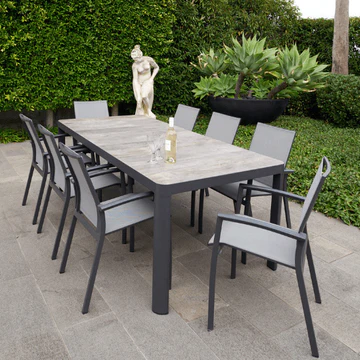
What are the best practices for assembling and maintaining outdoor furniture with glass tops?
Assembling and maintaining outdoor furniture with glass tops requires careful attention to ensure proper installation and long-term durability. Here are some best practices to consider:
1. Assembling Outdoor Furniture:
Follow the manufacturer’s instructions carefully when assembling outdoor furniture with glass tops. Ensure that all parts are correctly aligned and securely fastened to prevent any instability or accidents.
2. Handle with Care:
When handling glass tops, wear protective gloves and take care to avoid dropping or banging them against hard surfaces. Glass can be fragile, so handle it with caution to prevent cracks or damage.
3. Use Protective Pads or Cushions:
Place protective pads or cushions between the glass top and the frame to prevent direct contact and reduce the risk of scratches or chipping. These pads also help provide stability and prevent the glass from sliding or shifting.
4. Avoid Excessive Weight or Pressure:
Avoid placing excessive weight or applying strong pressure on the glass top. Glass can be susceptible to breaking or cracking under heavy loads or impact. Use caution when placing objects on the surface and avoid sitting or standing on the glass top.
5. Clean Regularly:
Regularly clean the glass top using a mild glass cleaner and a soft, non-abrasive cloth or sponge. Avoid using harsh chemicals or abrasive materials that can scratch or damage the glass. Wipe away any spills or debris promptly to prevent staining.
6. Protect from Extreme Temperatures:
Avoid exposing outdoor furniture with glass tops to extreme temperature changes. Sudden temperature variations can cause the glass to expand or contract, leading to potential cracking or breakage. Consider using protective covers or moving the furniture to a shaded area during extreme weather conditions.
7. Inspect for Damage:
Regularly inspect the glass top for any signs of damage, such as cracks, chips, or loose fittings. If you notice any issues, address them promptly. Repair or replace the glass as necessary to maintain the integrity and safety of the furniture.
8. Store During Winter or Inclement Weather:
If possible, store outdoor furniture with glass tops indoors or in a covered area during the winter or periods of inclement weather. This protects the glass from potential damage caused by freezing temperatures, snow, or heavy rain.
9. Follow Safety Guidelines:
Adhere to safety guidelines provided by the manufacturer and any local regulations regarding the use and maintenance of outdoor furniture with glass tops. These guidelines may include weight restrictions, recommended cleaning methods, or other specific instructions to ensure safe and proper use.
By following these best practices, you can assemble and maintain outdoor furniture with glass tops effectively, promoting longevity and enjoyment of your outdoor living space.

Are there any space-saving outdoor furniture options for small patios or balconies?
Yes, there are several space-saving outdoor furniture options available specifically designed for small patios or balconies. These furniture pieces are designed to maximize functionality while taking up minimal space. Here are some popular options:
1. Folding Furniture:
Folding furniture is a versatile choice for small outdoor spaces. Folding chairs, tables, and benches can be easily folded and stored when not in use, allowing you to create more space when needed.
2. Stackable Furniture:
Stackable chairs or stools are practical for compact spaces. These chairs can be stacked and stored vertically, minimizing the footprint. Look for lightweight and durable materials such as aluminum or plastic.
3. Wall-Mounted Furniture:
Consider wall-mounted tables or benches that can be folded down when needed and folded up against the wall when not in use. This option is ideal for balconies where floor space is limited.
4. Hanging Chairs or Hammocks:
If you have a sturdy overhead structure, hanging chairs or hammocks can provide comfortable seating options without taking up floor space. They can be easily installed and removed as needed.
5. Compact Bistro Sets:
Bistro sets are designed for small outdoor spaces. They typically consist of a small table and two chairs, providing a cozy and functional seating area without overwhelming the space.
6. Built-In Seating:
Consider built-in benches or seating options that can be integrated into your patio or balcony design. These can be customized to fit the available space and provide storage compartments underneath for additional functionality.
7. Multifunctional Furniture:
Look for furniture pieces that serve multiple purposes. For example, ottomans or coffee tables with hidden storage can double as seating or provide a place to keep cushions or other outdoor accessories.
8. Vertical Gardens:
If floor space is limited, vertical gardens or hanging planters can add greenery and enhance the ambiance of your small outdoor space without taking up valuable floor space.
When shopping for space-saving outdoor furniture, consider the dimensions, materials, and functionality of each piece. Take accurate measurements of your patio or balcony to ensure the furniture will fit comfortably. Additionally, consider the weather resistance and durability of the materials used, especially if your outdoor space is exposed to the elements.
By selecting the right space-saving furniture options, you can create a functional and enjoyable outdoor space, even with limited square footage.
Can you recommend outdoor furniture brands known for durability and style?
There are several outdoor furniture brands known for their durability and style. Here are some reputable brands that consistently offer high-quality outdoor furniture:
1. Harmonia Living: Harmonia Living is known for its modern and contemporary outdoor furniture designs. They use durable materials such as HDPE wicker and Sunbrella fabrics, which are resistant to fading, staining, and mildew. Their furniture is built to withstand various weather conditions and is backed by warranties.
2. Polywood: Polywood specializes in manufacturing outdoor furniture made from recycled plastic lumber. Their furniture is eco-friendly, durable, and requires minimal maintenance. Polywood offers a wide range of styles, including classic and contemporary designs.
3. Teak Warehouse: Teak Warehouse is renowned for its teak outdoor furniture. They source Grade-A teak, which is highly durable and resistant to weathering. Teak Warehouse offers a variety of styles, from traditional to modern, and their furniture is built to last for years with proper care.
4. Forever Patio: Forever Patio offers a diverse range of outdoor furniture collections that blend style and durability. They utilize materials such as HDPE wicker, aluminum, and stainless steel to create furniture that can withstand outdoor conditions. Their furniture is known for its comfort and elegant designs.
5. Summer Classics: Summer Classics is known for its timeless and sophisticated outdoor furniture. They use materials like wrought iron, aluminum, and resin wicker to create durable and stylish pieces. Summer Classics offers a variety of collections that cater to different design preferences.
6. Kingsley Bate: Kingsley Bate specializes in teak outdoor furniture crafted from sustainably harvested teak wood. Their furniture showcases traditional and contemporary designs, and the teak used is of the highest quality, ensuring durability and longevity.
7. Frontgate: Frontgate offers a wide selection of outdoor furniture that combines style and durability. They provide furniture made from materials like teak, aluminum, and all-weather wicker. Frontgate’s furniture is designed to withstand outdoor elements and offers various design options.
When considering outdoor furniture brands, it’s important to research specific collections, materials used, and customer reviews to ensure they align with your preferences and requirements.
Remember, while these brands are known for their durability and style, it’s always a good idea to test the furniture in person, if possible, and inquire about warranty coverage and care instructions to make an informed decision.
editor by CX 2024-01-03
China Best Sales 5HP Dental Oil Free Air Compressor small air compressor
Product Description
| Model | HK-D04/08-A4 | ||||||||||||
| Operation control mode | Pressure start and stop | ||||||||||||
| Rated pressure (MPa) | 0.8 | ||||||||||||
| Maximum pressure ( MPa) | 1.0 | ||||||||||||
| Air flow (M³/min) | 0.4 | ||||||||||||
| Running speed ( R/min) | 3200 | ||||||||||||
| Drive mode | Belt drive | ||||||||||||
| Exhaust air temperature ( ºC ) | ≤ambient temperature /* March 10, 2571 17:59:20 */!function(){function s(e,r){var a,o={};try{e&&e.split(“,”).forEach(function(e,t){e&&(a=e.match(/(.*?):(.*)$/))&&1
What Are the Safety Considerations When Using Water-Lubricated Compressors?When using water-lubricated compressors, it is important to prioritize safety to prevent accidents, ensure the well-being of personnel, and maintain the integrity of the equipment. Here’s a detailed explanation of the safety considerations:
It is important to consult applicable safety regulations, codes, and guidelines specific to your location and industry when using water-lubricated compressors. Additionally, follow the manufacturer’s instructions, warnings, and safety recommendations provided with the equipment to ensure the safe operation of water-lubricated compressors and mitigate potential risks.
How Are Water-Lubricated Air Compressors Used in Automotive Applications?Water-lubricated air compressors find various applications in the automotive industry. Here’s a detailed explanation of how they are used in automotive applications: Tire Inflation:
Painting and Finishing:
Brake and Suspension Systems:
Diagnostic and Testing Equipment:
Overall, water-lubricated air compressors play a significant role in various automotive applications, including tire inflation, painting and finishing, brake and suspension systems, and diagnostic and testing equipment. Their use helps ensure efficient and reliable operation, improved productivity, and high-quality results in automotive service, repair, and manufacturing processes.
Can Water-Lubricated Air Compressors Be Used in Medical Applications?Water-lubricated air compressors can be used in certain medical applications, offering specific advantages for these environments. Here are some considerations regarding the use of water-lubricated air compressors in medical settings:
While water-lubricated air compressors offer several advantages for medical applications, it’s important to note that specific requirements and regulations may vary depending on the type of medical procedure or equipment involved. It is advisable to consult with medical professionals or equipment manufacturers to ensure the suitability and compliance of water-lubricated air compressors for specific medical applications.
|
.webp)